A Day to Remember: Dia de Los Muertos
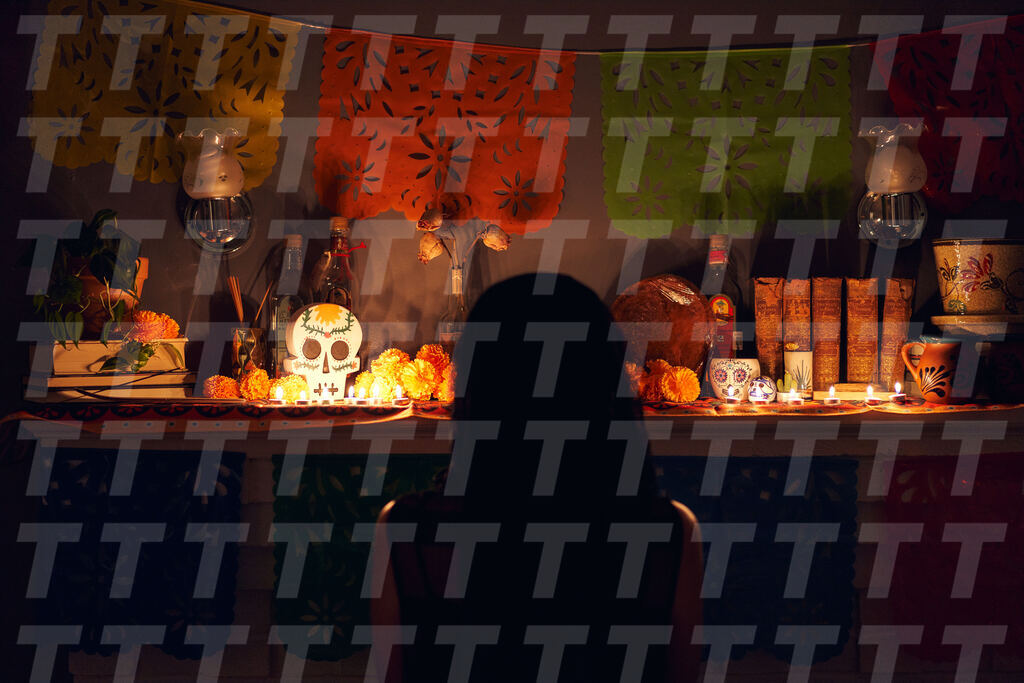
Originating in Mexico, Día de Los Muertos (or Day of the Dead in English), is a widely-celebrated two-day festival where it is believed that the spirits of loved ones come back from the dead to visit their loved ones. However, Día de Los Muertos is not a somber day of remembrance in comparison to more Western cultures, where the death of loved ones brings feelings of despair and sadness. Instead, people think of Día de Los Muertos as a day of joy and community, as people gather to pay respects and celebrate the lives of their deceased loved ones.
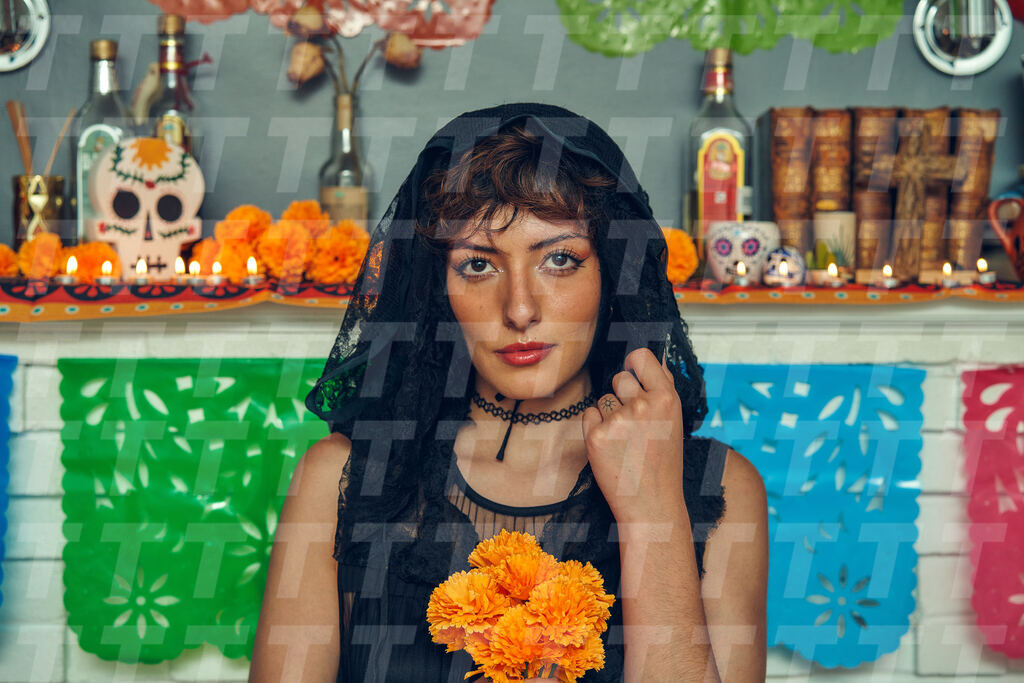
At its root, Día de Los Muertos is centered around reconnecting with the intergenerational narratives that can be derived from the legacy of the deceased. But for Maresa Miranda, a Mexican-American woman who immigrated to the United States at a young age, Día de Los Muertos is a time for her to reconnect with her Mexican heritage. We sat down with her to chat about what its like to celebrate Día de Los Muertos, and the deep, personal meaning she derives from this cultural celebration.
TONL: Can you tell me a little bit about where your family is from in Mexico?
Maresa: I was born in Mexico City. So were both of my parents. And I actually moved to the US when I was three years old. But I would visit Mexico City very often while growing up, and I was able to interact with my family out there growing up, so it was really helpful for me to stay close to my roots when I was doing that.
The majority of my family does live in Mexico City. However, on my mom's side, we're from a very small town in Oaxaca called Yaxe. And while Oaxaca is known for having some of the most cultural festivals and expressions of all of Mexico, it's a has a lot of indigenous communities. Actually, my family's town, which I had an opportunity to visit last year, still speak their own dialect. So, it was really neat to be able to go there and experience a culture even deeper than what I was aware of.
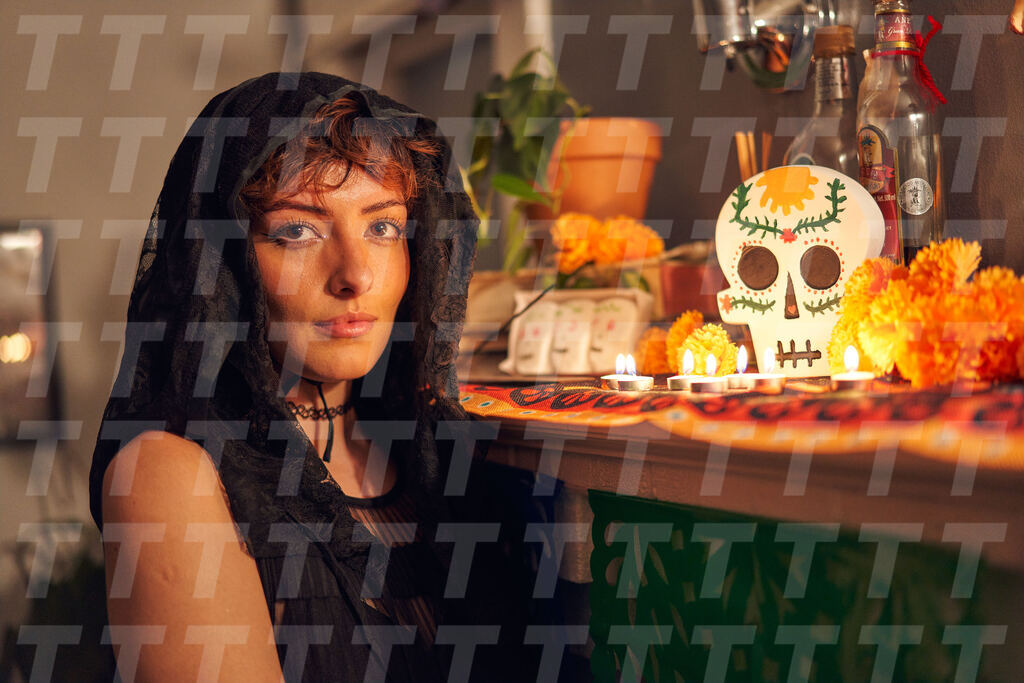
TONL: You mentioned that Oaxaca is a very festive when it comes to Mexican cultural festivals, especially where your family is from. What is it like to celebrate Día de Los Muertos there?
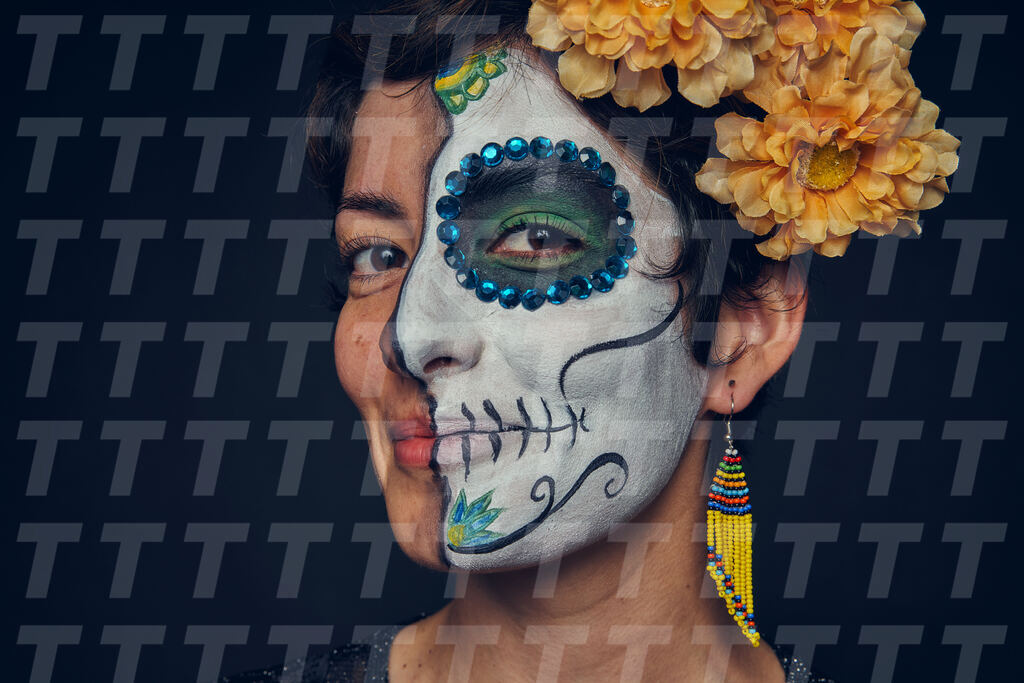
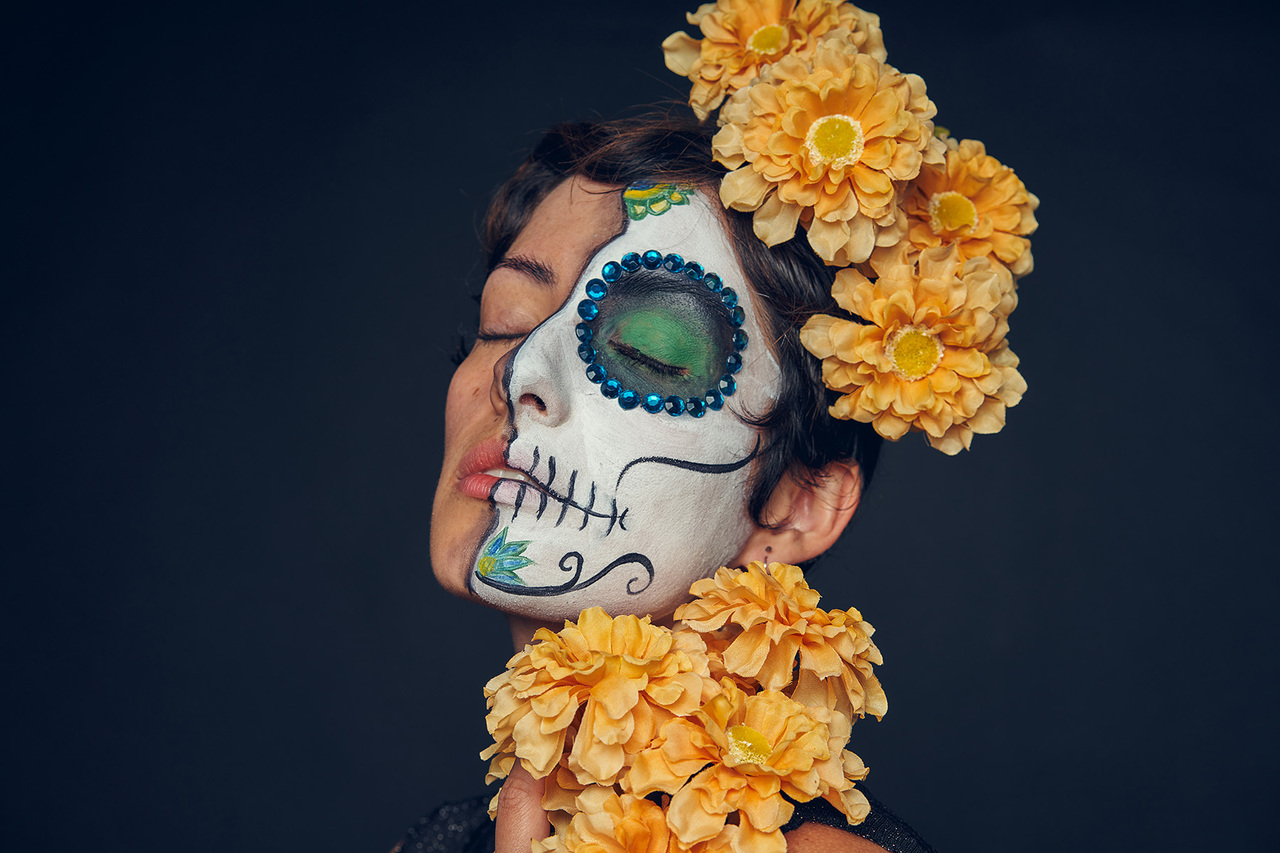
Maresa: In recent years, I would say that Oaxaca has become a very big tourist attraction, not only because they have some of the best beaches in all of Mexico, but specifically around the Día de Los Muertos celebration. A lot of tourists want to go experience what the locals do and how they celebrate. Yaxe was one of those [places]. And they have festivities across the entire city, which is really cool to experience. The whole city becomes so colorful, with all of the different tissue paper and lights, and all of the different skull candies, and all the different face paint. It's definitely a unique experience.
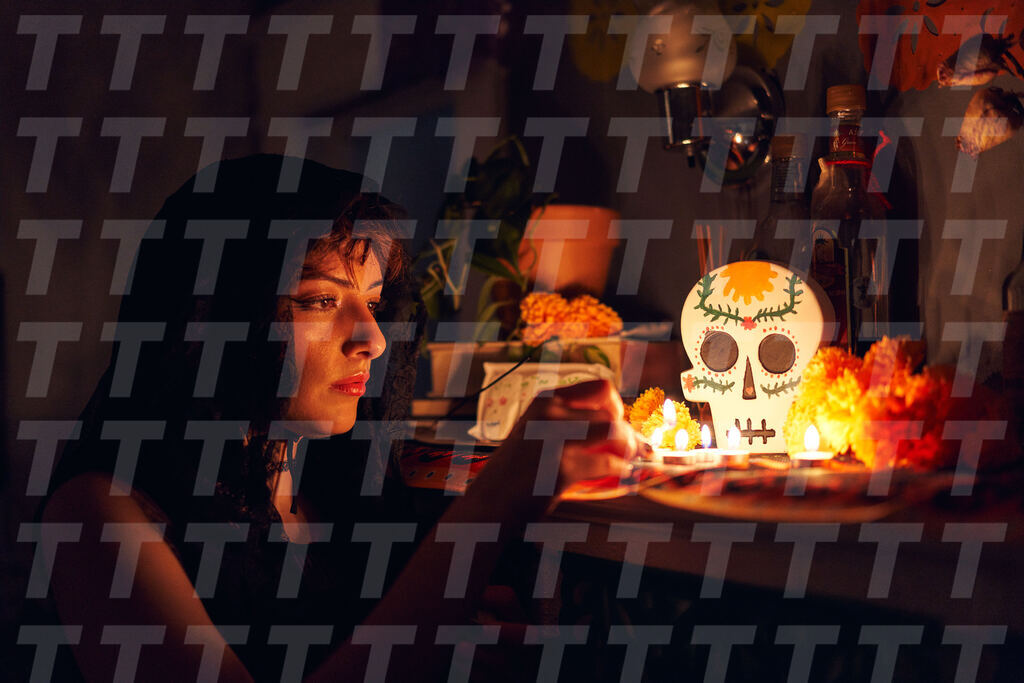
The residents of Oaxaca also take this holiday very seriously. [During the celebration], they actually take the time to really connect with their loved ones that have passed away. And it's a very ritualistic festival. So, it's not just all partying and games. Día de Los Muertos really means a lot to the people that live there.
It’s a very big communal experience, because we all at one point or another in the future [have or] will experience the loss of a loved one. So, they take this time to share the mourning of this holiday. It’s communal in the way that they'll want to party together. You know, it's a very serious event that happens, but they also want to make a celebration of it. So, they'll throw full on festivals with like parades and very traditional type of figures. And they'll all go through and dress up in these beautiful dresses from the different regions of Mexico. [But], it's also communal in the way that they support each other. If somebody has recently gone through a loss, they'll put a lot of support towards that family. And it's kind of a time of also raising awareness about what people in the neighborhood are going through and what the community needs. It's really special.
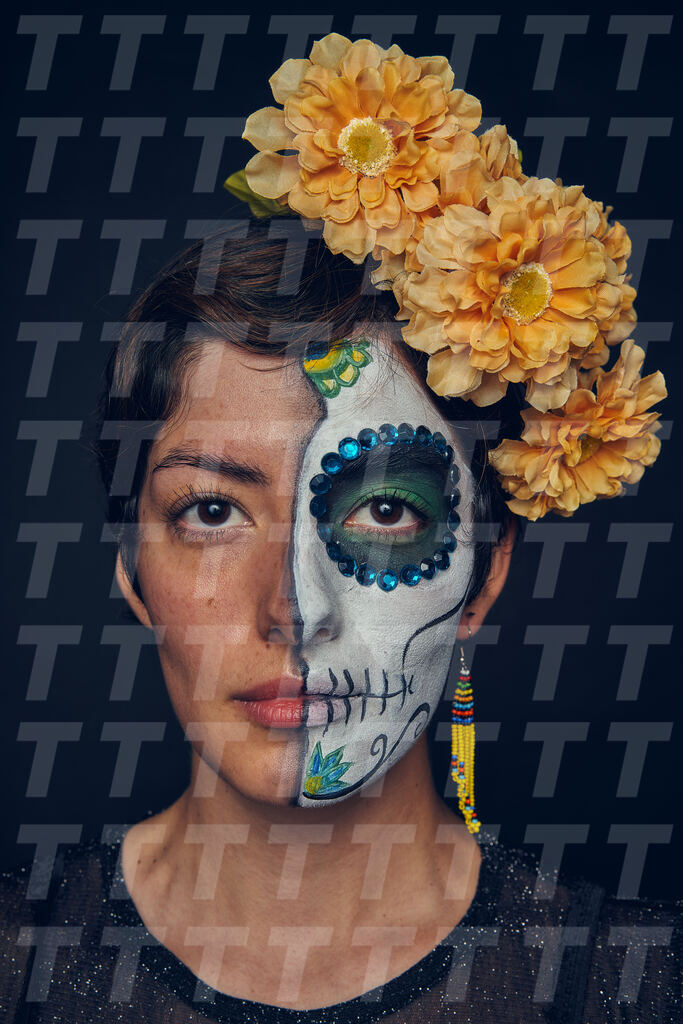
TONL: Did you celebrate Día de Los Muertos growing up?
Maresa: So… I actually come from a very religious household. I wasn't necessarily allowed to celebrate Halloween or Día de Los Muertos [growing up]. The first time I celebrated it was sometime after high school and it was cool to see everybody take this holiday very seriously. It's not like Halloween where you’re just trick-or-treating; it's a very deep tradition.
At these parties, they call out their deceased loved ones and close friends, and [invite them] to party with us here in the physical world. You would create their favorite meals and act as if they were here partying and interacting and celebrating. It's not really a day to mourn, or to think of things as like sad things, but it's more like celebration. A lot of people feel very connected to their loved ones that have passed away. That's a really special moment to see.
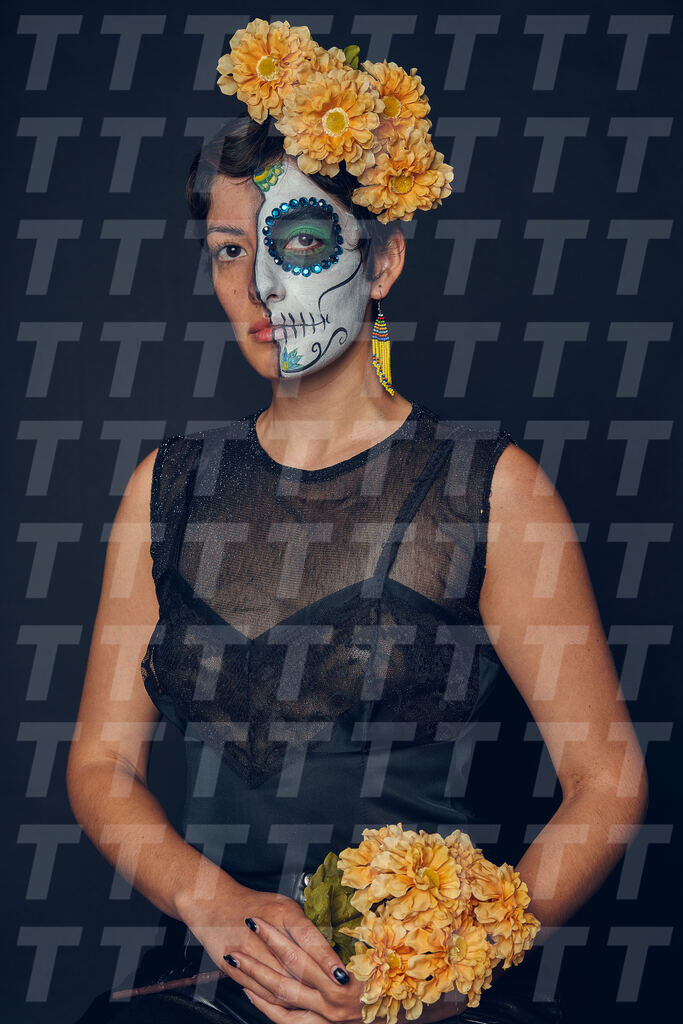
I will say that this year is the first year that I'm intentionally traveling to places [in Mexico] to experience how they celebrate the holiday there. I plan on spending the end of [October] in Oaxaca with my grandparents who had just moved there. Specifically, I will be going to Animas Trujano, where they throw one of the biggest festivals in Mexico. I've honestly never experienced anything from that traditional and small of a town. I think it's going to be a much different experience than the big city celebrations and I'm really excited to see what that celebration is going to be like.
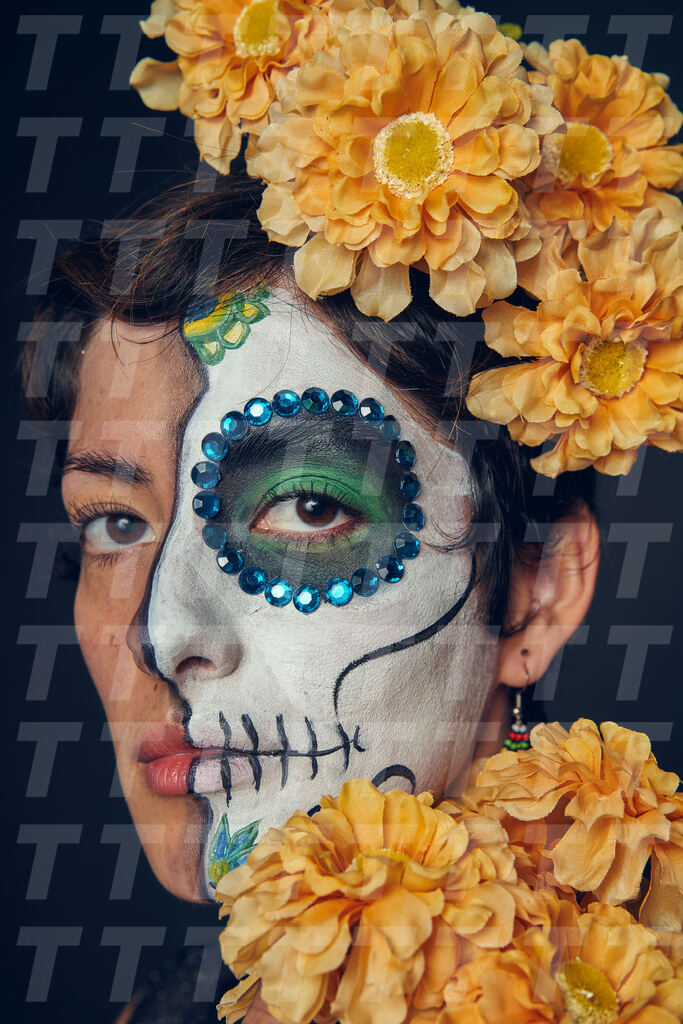
TONL: You said you didn't necessarily have the experience of celebrating Día de Los Muertos as you were growing up. So now that you're older, do you feel as though it takes on a different meaning for you? Can you share what makes it so unique or special for you?
Maresa: Once I grew older, and kind of into my adult years, I started doing my own research about what Día de Los Muertos meant, where it came from, where it originated, and what it means for Mexican people. And once I did my own research, I really connected to the entire act, the entire day of celebration, and now it's something that I'm really excited to explore even in my adult years.
When I celebrate Día de Los Muertos, I'm really thinking about the historical context of what this day means. And when I do celebrate it, I'm thinking about what everyone has gone through. It's more about the loss of something and celebrating the beautiful life that they lived. It's really cool to understand the historical context attributed to this day. And now that I celebrate, it's not just a day as an excuse to party, but it's really a day of embracing a culture that I now have the opportunity to celebrate.