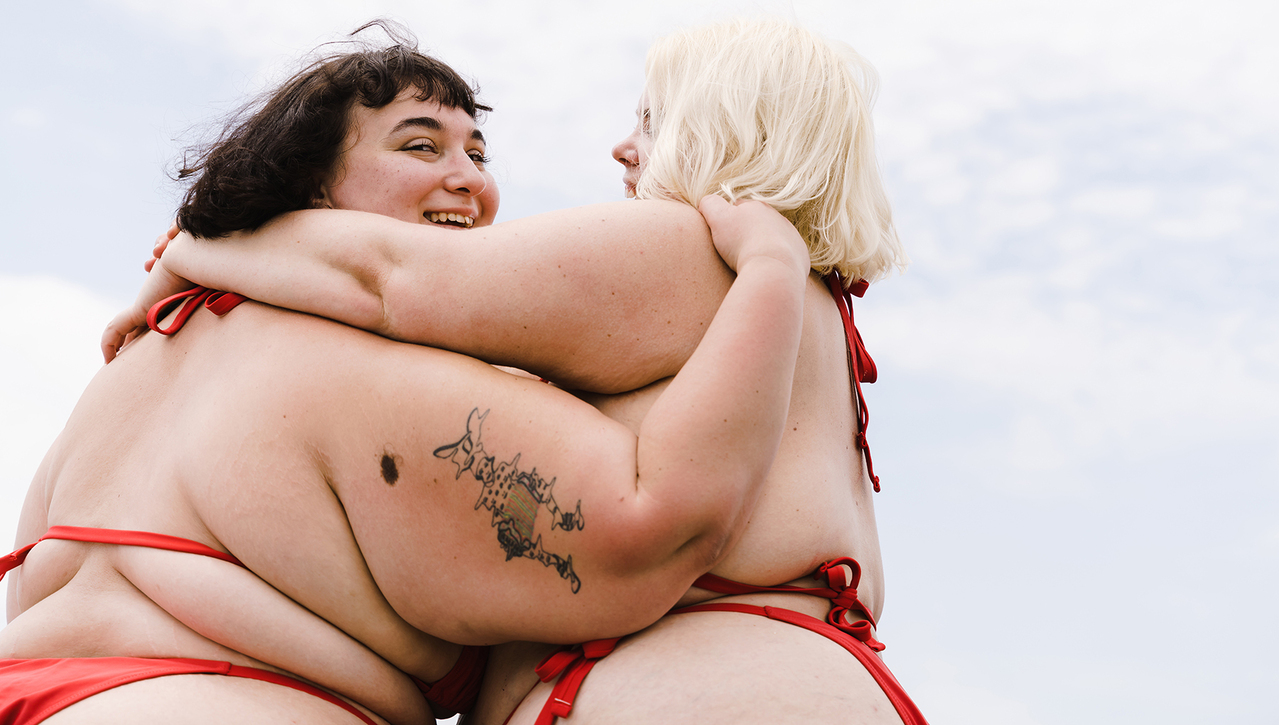
Big Babes on the Beach: Fat Liberation
wrriten by Darren Agboh
Lots of things come to mind when people think of heading to the beach. “Who to go with?” “What beach equipment to bring?” “How much sunscreen is necessary?” “When is the best time to go so it’s not too hot?” But no question captivates beachgoers in the United States more than “What should I wear?” For many people, this is an easy decision; for men, swimming trunks with no shirt, and for women, a one or two-piece bikini. However, the United States’ fixation on body image makes this choice difficult for overweight people, whose bodies don’t fit into the status quo of the “ideal” Western body image.
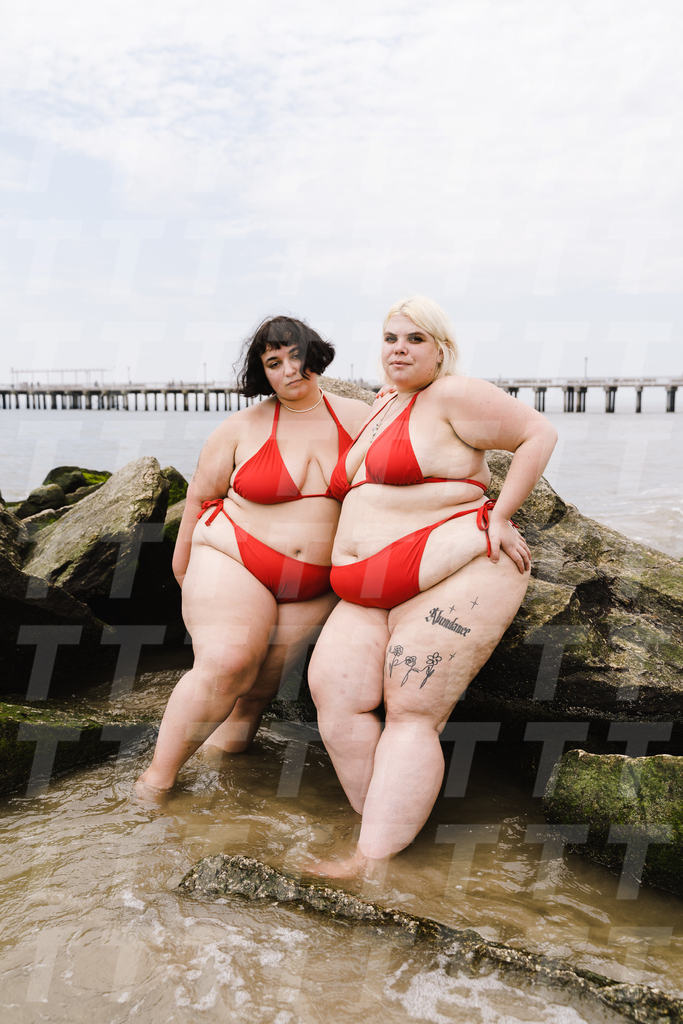
For this TONL Narrative, we met with Sydney Enten, a Licensed Social Worker who is committed to pleasure, and Anna Sophia, a model and Medical Assistant, at Coney Island, Brooklyn for a photoshoot on the beach. Here, we got to speak with them about their experiences with body image as self-proclaimed fat women in the United States.
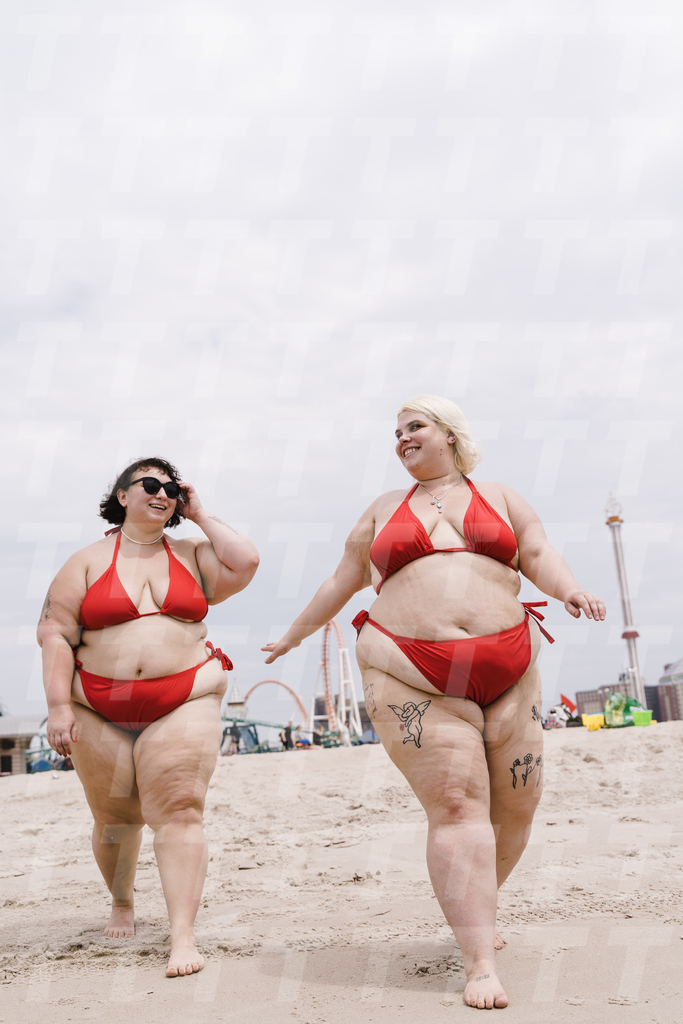
…what? Does the pair calling themselves fat make you feel uncomfortable? If it does, that’s no surprise, given that people from obese nations such as the United States (where over 41% of the population is overweight) are more likely to have negative unconscious biases towards obese people. The prevalence of fatphobia becomes blatantly obvious in Western media’s depictions of the ideal body, which glorifies people with thin and muscular bodies and stigmatizes people with obese bodies in the same breath. Fatphobia is so socially acceptable in the United States that people don’t even realize it is a form of social stigma, where fat people are more likely to be discriminated against in the workplace, in schools, and in the interpersonal relationships they share with friends and family.
Women who are obese feel the negative impacts of weight bias the most. The United States’ anti-fat attitudes make it such that obese women aren’t supposed to be happy. They aren’t supposed to enjoy places like the beach, because the beach is for hot and skinny women. Obese women are told to cower in the shadow of the thin and skinny; to hide their fatness as to not offend anyone with their bodies.
Sydney and Anna didn’t feel that way about themselves during this beach outing.
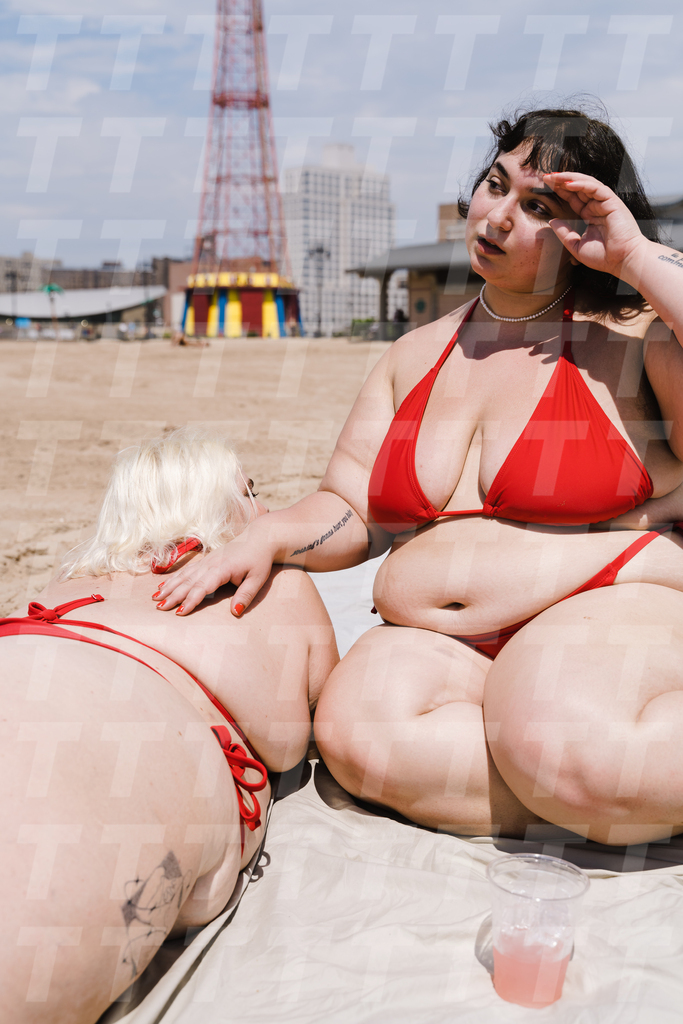
Anna (A): In general, I always feel nervous before shoots. But I always feel more nervous when I know I'm gonna be around people who can look at me, especially if I'm showing my body. I feel a lot of love for myself, and I am confident, and I love my body. But I'm very aware of the fact that people will look at me and think very cruelly of me. I guess it's just a matter of not letting myself get to that place. So, I was just nervous, but I felt pretty. It's one thing to be the only fat person and then having another fat person with you. It feels like, a barrier of protection?
Sydney (S): Yeah, I think that’s one of the only reasons why I was super comfortable. If that would have been just me, it would have been a lot harder. Like, I can't really imagine it. You know, I go to the beach all the time with my friends, but most of them are straight sized. And, maybe I'm not wearing a string bikini, I'm wearing something that's a little more covered. And so, there's this doubt that creeps in; ‘what, if people are taking videos of me and Anna hugging and like looking really fat?’ But then, being together and looking as cute as we looked and having such a good time; I thought, ‘why am I trying to take my own joy from myself right now? This is fun.’ This felt very new and very exciting; to be with another body that looks like me, and be matching because, I think as fat people, we don't get that experience often.
Sydney mentioned that she is constantly working on self-trust with her body, since growing up in a body that the world doesn’t like has inherently taught her to abandon it. She’s not alone in that feeling; society’s stigmatized attitudes about weight have negative effects on the mental health of people who are overweight. In fact, overweight people who are exposed to fatphobic messaging are more likely to experience feelings of body dissatisfaction, poor self-image, internalized attitudes about thinness as the ideal body type, and disordered eating amongst women. These external narratives about weight bias seep into the internal narratives that fat people have about themselves.
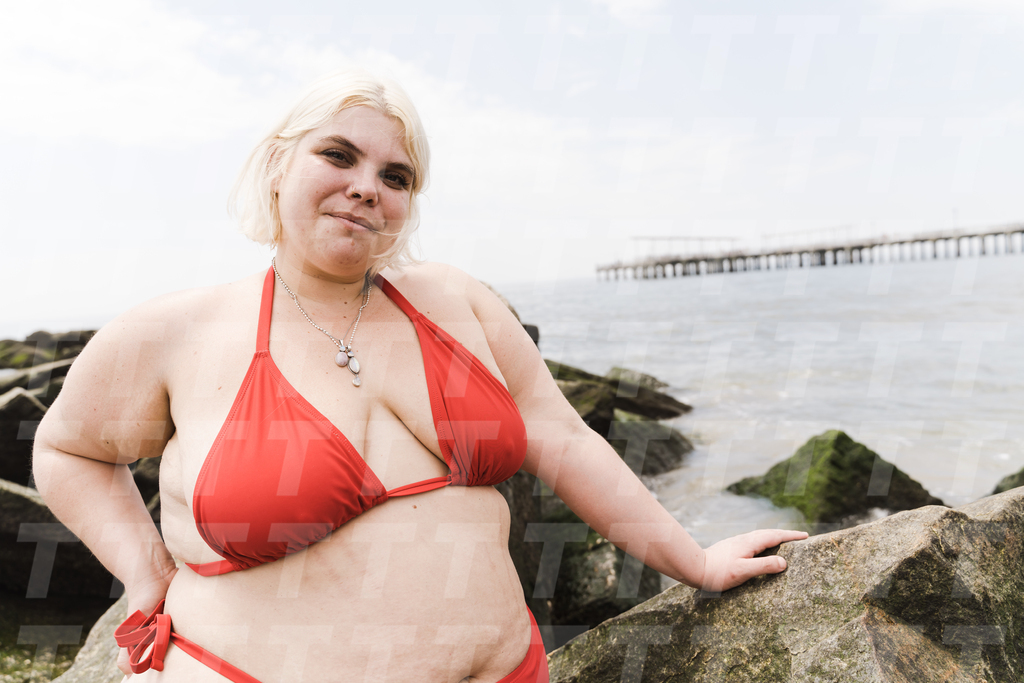
S: My birthday gift when I was 13 from my parents was a personal trainer. So, [we’re] not just hearing [these messages] from strangers. It's like, the messages growing up of, ‘fat is bad’ come from everywhere; from media, and from how your parents raised you, and from friends.
A: I work in health care. And I have had doctors say the craziest stuff to fat patients in front of me because I'm their assistant. There was this mother asking about giving her daughter prednisone, a steroid, for her cough. And the doctor immediately retorted with, ‘oh, no, that'll make her fat. I'd rather die before I take prednisone.’ I'm like ‘are you serious?’
S: I think that's the difference, right? It's like your whole life, you're getting these external messages [that invalidate] your experience, telling you not to love yourself, to show yourself, to be yourself. And now, all of it is unlearning, reframing the internal narrative. That's the work.
In the age of digital media, newer narratives about body image are emerging that expand on what body types are deemed “acceptable” in mainstream’s society. One such movement is the “body positivity” movement. Gaining its roots from the fat acceptance movement of the late 1960s, body positivity’s original purpose was to help people on the margins of mainstream body standards to be more comfortable with their bodies, regardless of mainstream body norms. However, the modern body positivity movement has faced lots of criticism for diving into “toxic positivity” territory. Here, celebrities and public figures (many of whom DO fit into mainstream beauty standards) take some of the narratives around body positivity and package them in a “one-size-fits-all” format, ignoring the systems that are not inclusive of certain body types in the first place.
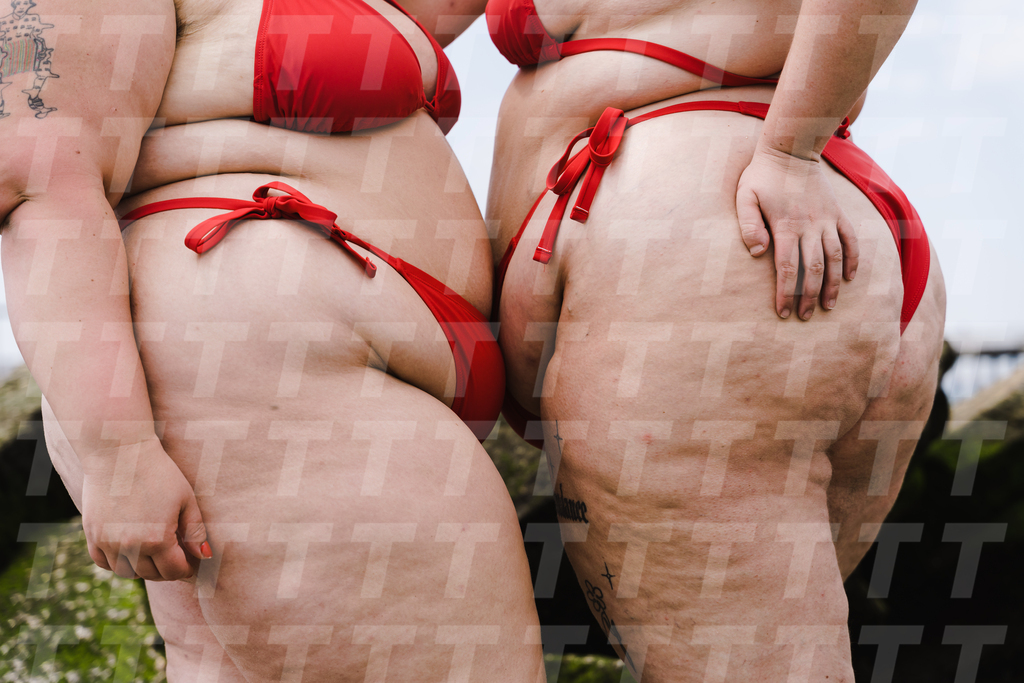
The problem telling everyone to “love their bodies” that it’s person-focused and not system-focused, forces the onus of the individual to change their perceptions of their fatness without engaging with the systems that stigmatize fat people. For Sydney and Anna, body positivity is not enough; we must also think about fat liberation: the act of creating institutional systems and structures that are more accepting of fat bodies.
S: Well, first, I want it to be known that I do NOT agree with body positivity at all. I identify with fat liberation because [it] aims to hold people accountable for the discrimination that fat people experience. Body positivity is like, ‘you should just do the best with what you've got.’ Fat liberation started with Black liberation; anti-fatness is also anti-blackness, you know? But then, white women were like, ‘no, no, no, let's not actually think about what can change things and make things better. let's just love ourselves’ instead of rising against the structures that are hurting us. And I think that's an important point because that’s a big thing that happens on social media.
But I think that's what was so special to me about the other day. On social media, so many fat people are so isolated. But fat people aren't really brought together [in real life]. There's still so much shame in the fat community around being fat because of the stigma that to be fat is so bad. [Being fat] is still viewed as someone's moral responsibility or moral failure. ‘If you're fat, that's your problem,’ just like how we look at being poor. Societally, we're not there yet. We still hate fat people. For us to be twinning in on the beach, chilling, eating food and having a good time and just existing and not ‘being brave…’ That is acceptance. It feels like progress is being able to enjoy each other.
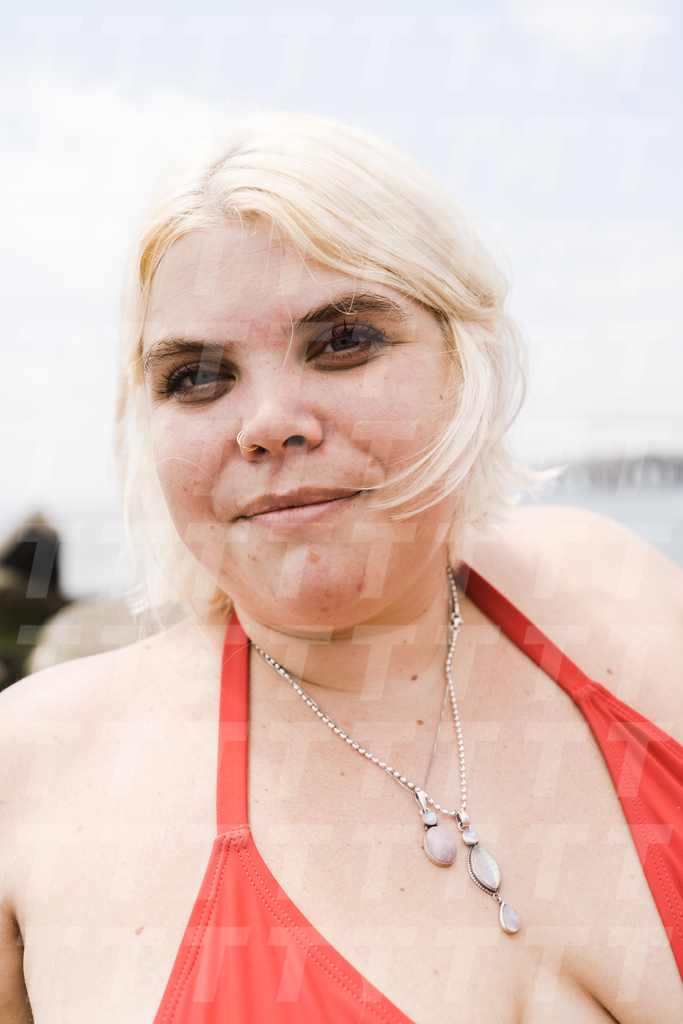
A: I don't have many photos of me as a teenager, or pretty much until like years ago because I just hated photos of myself. Which is even funnier to think that now I'm posing in a very striking red bikini with another hottie. It's crazy, the progress of self-love within fat liberation. Because I don’t feel like that when I think of body positivity. It's like a trend. I feel like fat liberation is more of a structural movement. I think that I learned to accept my body more as I became more radicalized.
For a long time, I was making myself so much smaller for other people's comfort, physically, visually and emotionally. Something that helps me now to kind of remind myself in those times where I start [imagining] a potential reality of people looking at me in a different way because I'm fat, when I think of those people on the beach potentially laughing at us, or looking at us weird or making faces; I try and remind myself that those people have probably put so much effort into trying to not be what we are. And they're still severely unhappy. I think of my mom and my sister, because they used to be fat, and they are now thin, and they're still very unhappy. And so, they put a lot of judgment on me for, what I do with modeling and nude art. They think it's kind of weird that I can be naked and do that. Because they'll never feel that comfortable when they were fat or Earth's now that they're skinny.
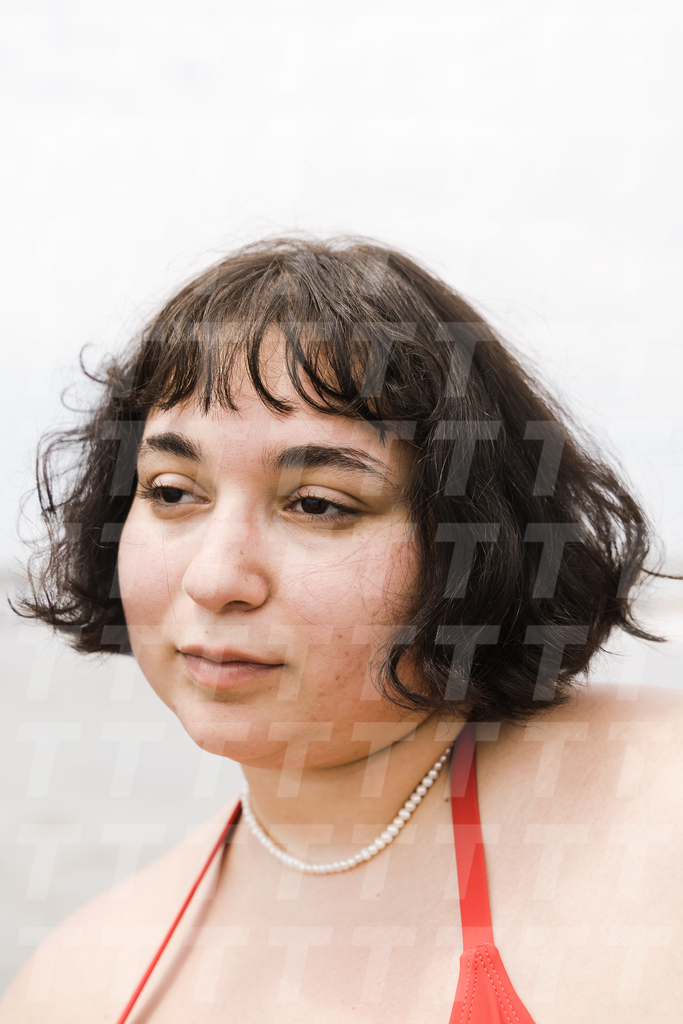
For Sydney and Anna, advocacy for fat bodies goes beyond repairing internal narratives about one’s body. There's also the act of dismantling the structural inequalities that lead to fat people’s individualized experiences of stigma. In many ways, modern society does not make room for fat people, both figuratively and literally. Fat people are still oftentimes the butt of jokes in TV shows and movies; fat people are relegated to the “big and tall” section in the fashion industry since many brands and designers don’t consider their measurements in their mainstream designs; fat people have to buy tickets for two seats to be accommodated on planes and at movie theatres; fat people aren’t represented positively in mainstream media.
Fat people should be able to do the same things that everyone else does without feeling scrutinized for doing so. Only then will society progress beyond the stigmatization of fat bodies.
In many ways, that is what this narrative is about: challenging larger societal notions about how fat people are visually represented in commercial media.
S: Why don't I see more of this? Or, how does looking at this make me feel? Because I feel like fat bodies are [either] hyper-sexualized or objectified. It's like, a lot of people have challenging thoughts or like desires towards seeing [someone] big.
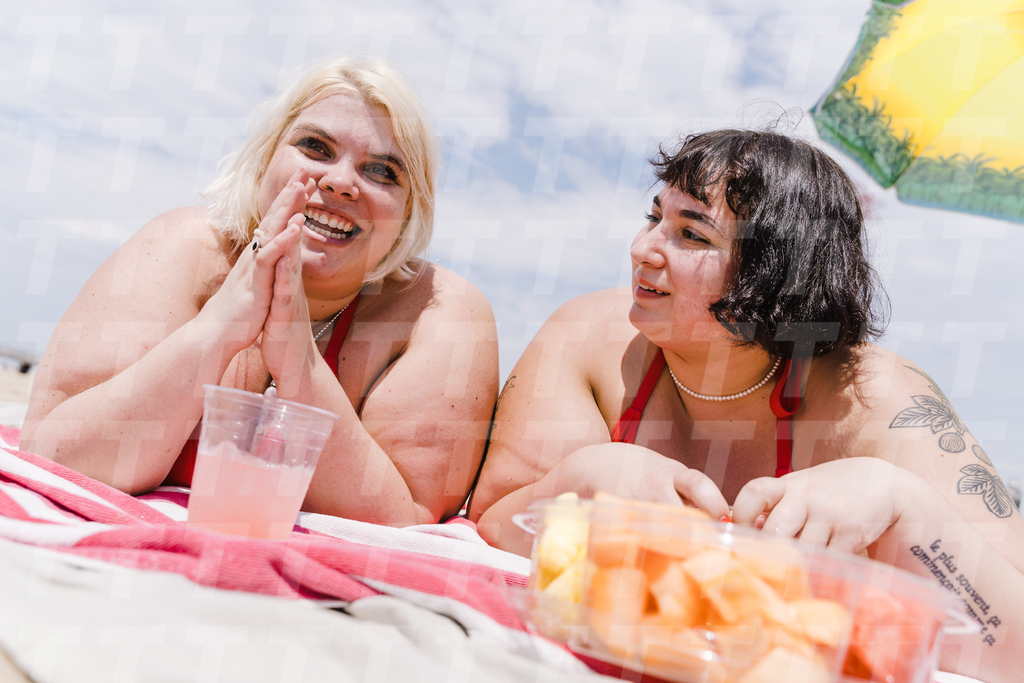
A: Me and Sydney, we both shared [these images] to Instagram and we've gotten so much praise. We just look really hot. And it's also really great to think about how people are going to look at those photos, who may not even be supporters of Sydney and me. And they're gonna sit with themselves and their thoughts on how they feel about looking at two fat girls in a bikini on a beach. Because people do think about it. And either it's desires or fears. But I really just enjoy seeing when I look at those photos. Just two big babes on the beach.