Black History Month: The Groom Guy
What’s next for the future of male grooming? Over the past decade or so, the narrative has shifted around male grooming, becoming a centerpiece within the conversation of self-care. This is especially true for Black men, who use the hair to reclaim a sense of pride and identity in a world that limits their self-expression.
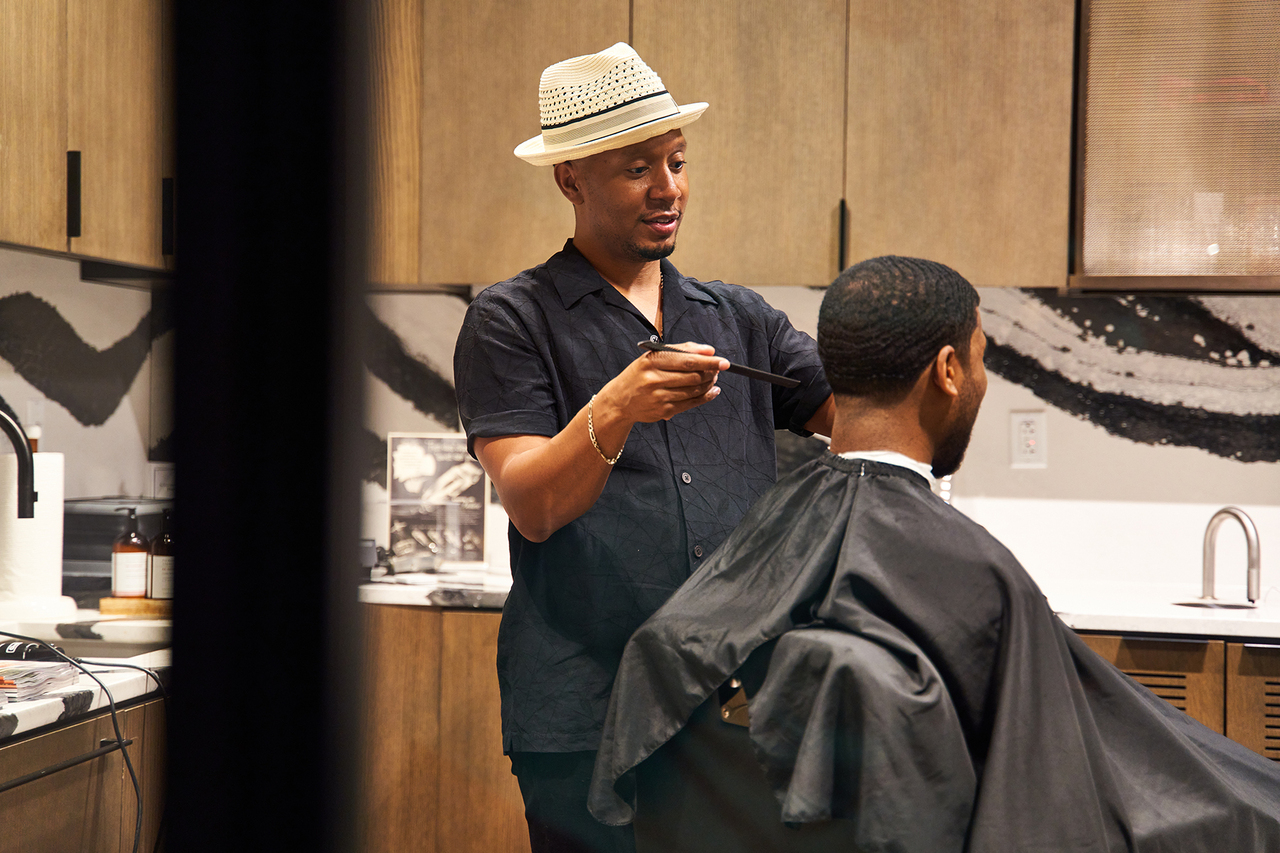
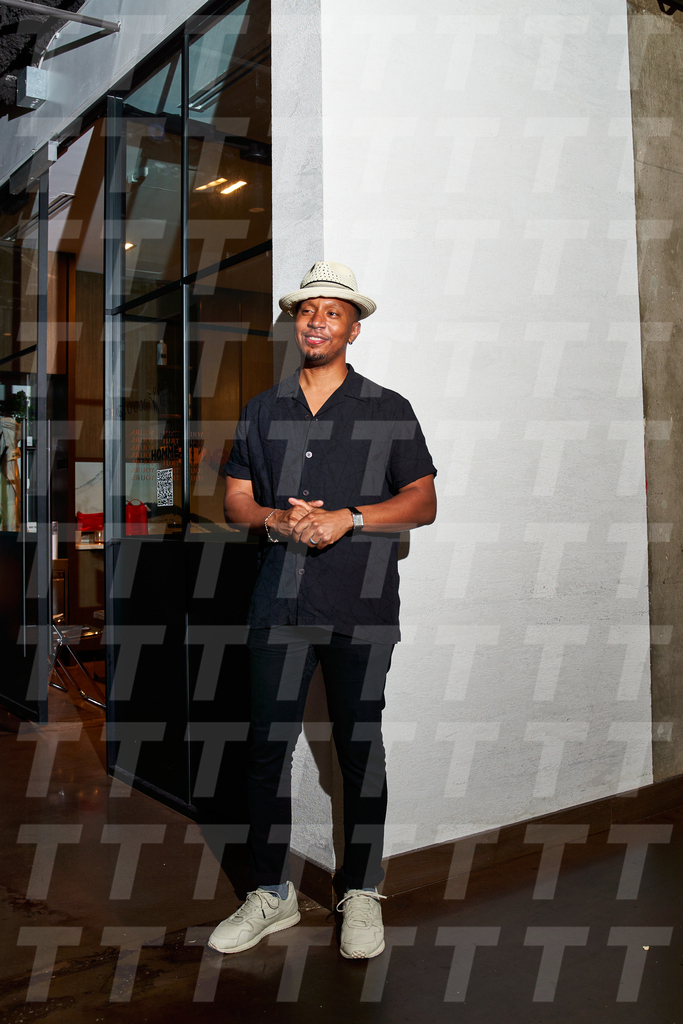
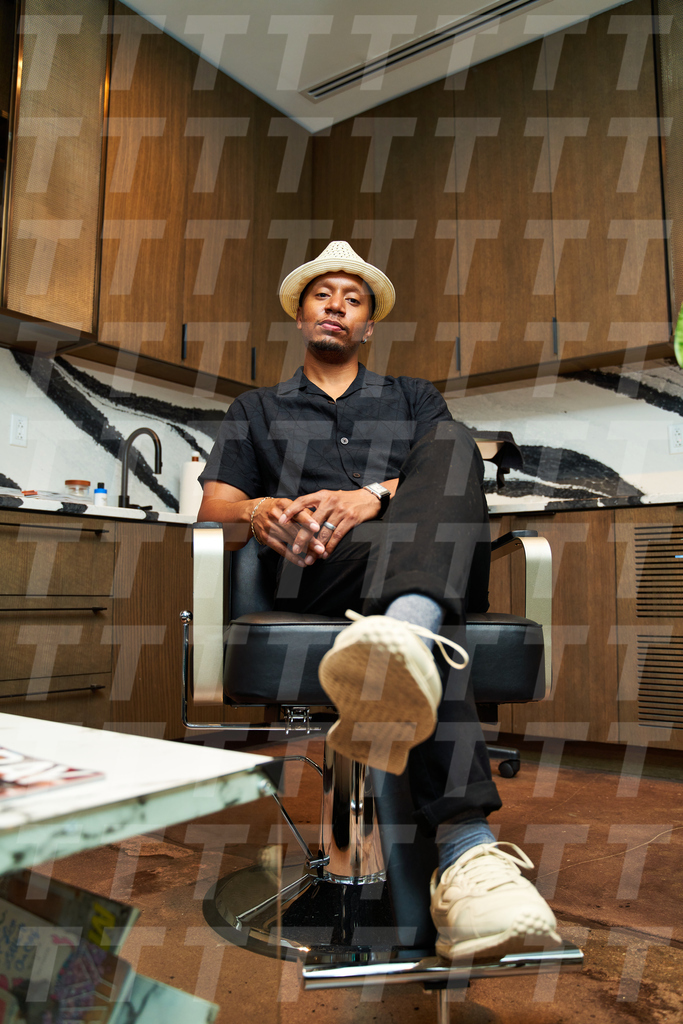
Darius Davie is re-imagining the role of the barbershop in the male grooming experience. Darius is the founder of Groom Guy, a solo-chair barbershop located in Washington DC’s Yours Truly Hotel. Here, Darius treats the barbershop as a hospitality experience, combining the traditional role of the barbershop with new-age hospitality practices to deliver a unique grooming experience to customers of his shop.
We sat down with Darius to talk about the role of male grooming throughout his life, how these experiences led him to create Groom Guy, and the impact that he has seen from his efforts to transform the male grooming experience for his patrons.
TONL: Can you tell me a little bit about like yourself, where you're from? What kind of got you into cosmetics?
Darius: I'm originally from New York City. I came to the Washington DC, DMV area about five, six years ago. I was a chapter I was at a point of my life where I was kind of at a crossroads, trying to figure out what to do. But I soon discovered that the skill that I always had in my back pocket was something that could easily be an amplifier. I wanted to become a hairdresser, because I realized it was a good opportunity to bridge the gap between what happens in the barber shop and what happens in the bathroom at home. So, how does the barber play a significant role in that? And how do we reposition the barber’s place, not just in community, but in that space to the client?
TONL: Growing up, what was your relationship with hair and male grooming? How has that shaped your current approach to the barbershop?
Darius: My relationship with hair was always connected to fatherhood and mentorship. That idea of growing up as a kid and going to barber shop, either with your dad or your friends or your loved one or your mom. It’s that coming-of-age moment when you’re grown up and come in [to the barbershop] as an adult; as a young man. That's how I look at hair grooming because I had to teach myself how to shave [growing up]; I had to teach myself what my tastes were. What did I look for when I came to looking for a barber?
And then as I got older, my tastes started to change. And that's all relative to when my grooming routine started to take shape. Because I was trying to understand myself more. Living in a world as a Black man, where you feel all these other social and external forces kind of push you away, there was a sense of empowerment that I found from being in the bathroom and taking care of myself. It gave me space to feel like I was in control. When I felt like other things around me, in the world for Black men who didn't have control.
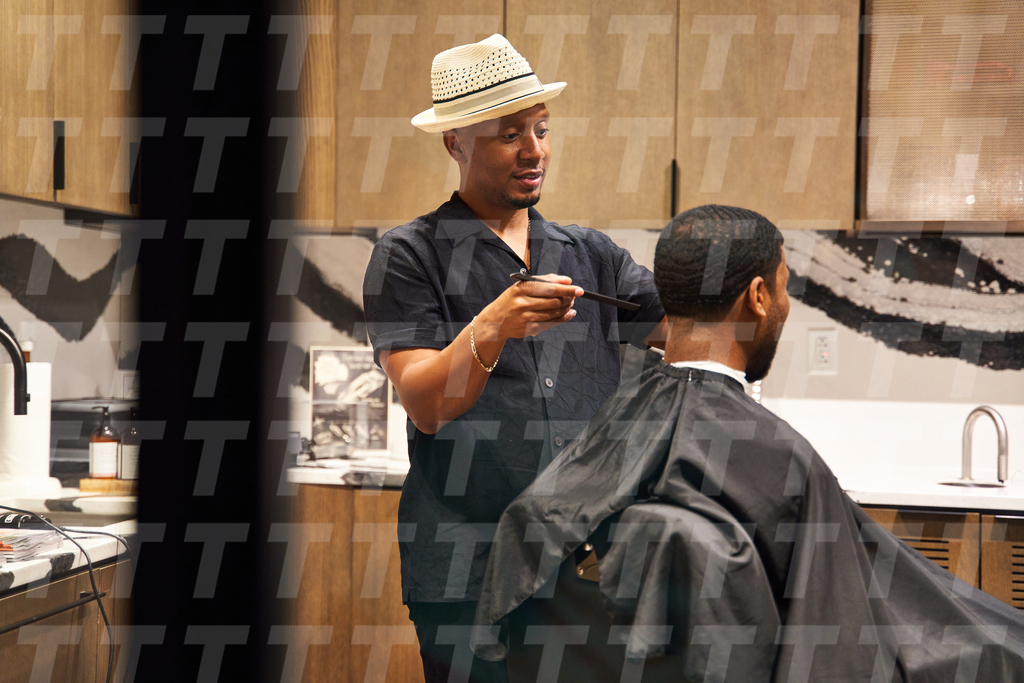
A lot of it was a self-discovery process; looking online and seeing what was presented to me or looking to other cultures and what was presented to them and then realizing what we didn't have as Black men, whether its resources or a product that is specifically catered to us. The barber shops that were great, but the barber shops also have a certain function; you go there for a service to get your hair cut. And that was about it.
And I thought, where is that destination where people can get a little bit of everything? Where can that kind of self-care sanctuary be cultivated? And so that's where it kind of got started.
TONL: So, with that being said, how did Groom Guy come to fruition? How did you connect your experiences with hair into this industry of cosmetics in the way that you envisioned?
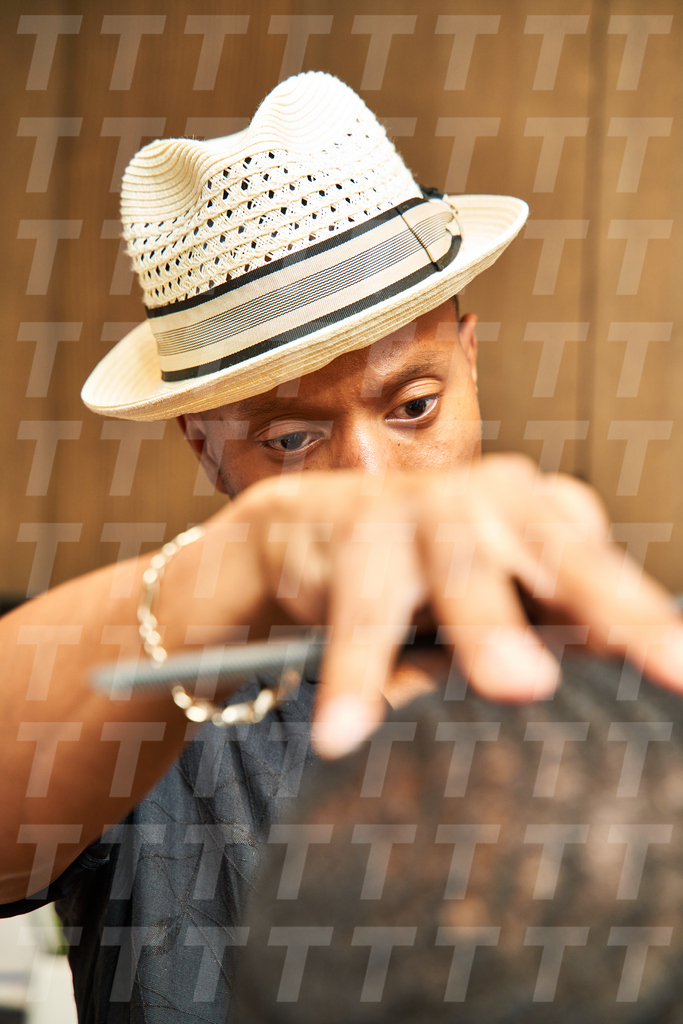
Darius: A lot of it was just a lot of it was reading history, Black history, about barbers who have done it before me, right kind of set the precedent. Alonzo Hendon of Atlanta, Georgia, the first African American millionaire. Georgia Myers of Cleveland, Ohio, who was the owner of the Holiday Inn barbershop; arguably one of the most significant barbershops during the early 1900s. John Merrick is another one, countless other barbers and popular cities like Durham, North Carolina. They kind of gave you the playbook; it gave a story about how these men were able to kind of shape a model and industry, right in their own eyes, in the middle of all of the social and cultural chaos.
So, when I talked about self-identity, at this time, these are just men trying to feel like human beings. But yet, there's a sense of empowerment, right? During this time, [these barbers were] kind of like the economic outlaws. These are Black men, creating barbershops into safe spaces, while still making money, right in the middle of a post-reconstruction era. So, I took all of that and asked: well, how can I do it? How can I challenge the very industry that they've challenged?
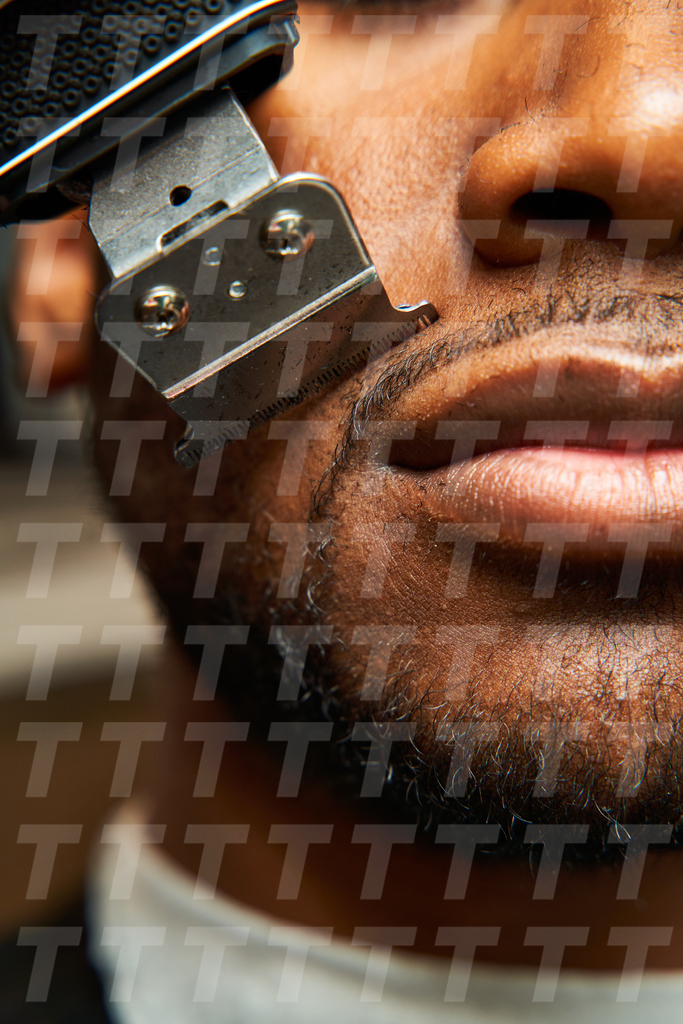
TONL: So, when we think about Groom Guy, how do you achieve that mission? In what you do? How do you connect grooming services to the larger goal of empowerment?
Darius: The Groom Guy is essentially a new space of hospitality that integrates exclusively with places like hotels. That model has been derived from something that was historically done by George Myers, in the early 1900s. It just so happens that I took that blueprint, modernized it, gave it some new light and repackaged it. And here it is, like I said almost 100 years later, but now it's coming as Google. Right. And the other part of that, too, is the product setup, with all these major corporations with all this money, and making all these men's grooming products. But the question is, where the barber is involved? Why aren’t we involved in that process?
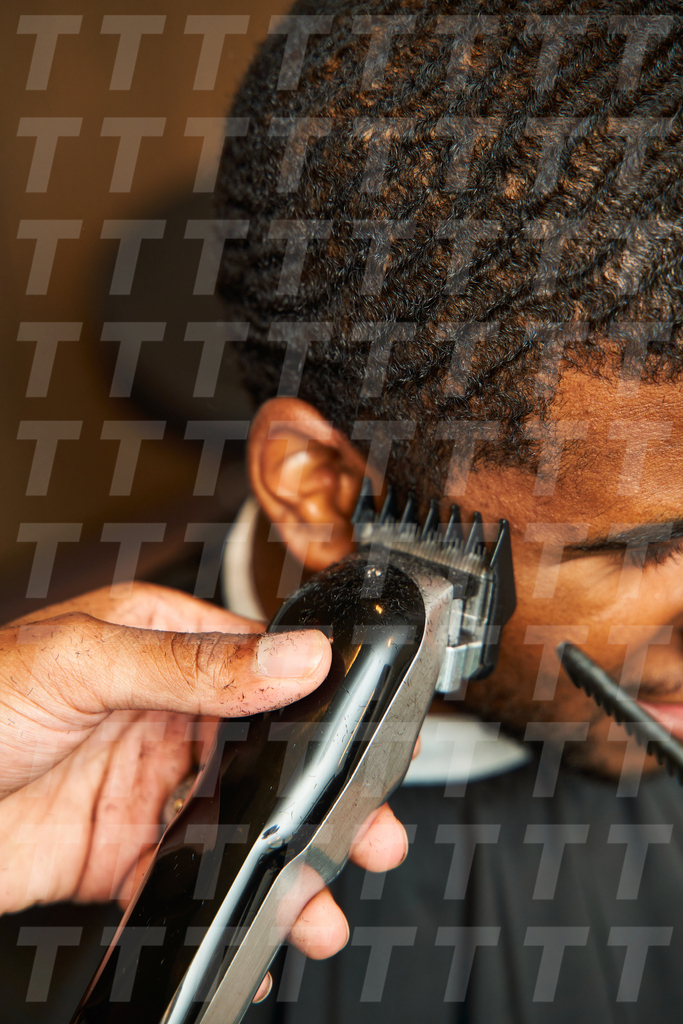
These [grooming] services are tools that can operate as connection points that further allow for stronger social connectivity. Now it's about taking the base that we have and realizing how [barbers] do have a circle [of influence]. For example, we can throw events together, like happy hours. Now it's not you; have a circle of influence, right? How can we continue to help one and one another, to share just the power of connection? The [barbershop] is where things continue to happen, where ideas continue to manifest, and collaborations continue to exist.
TONL: How have you seen the impact of your business model on those who come by and engage with your services?
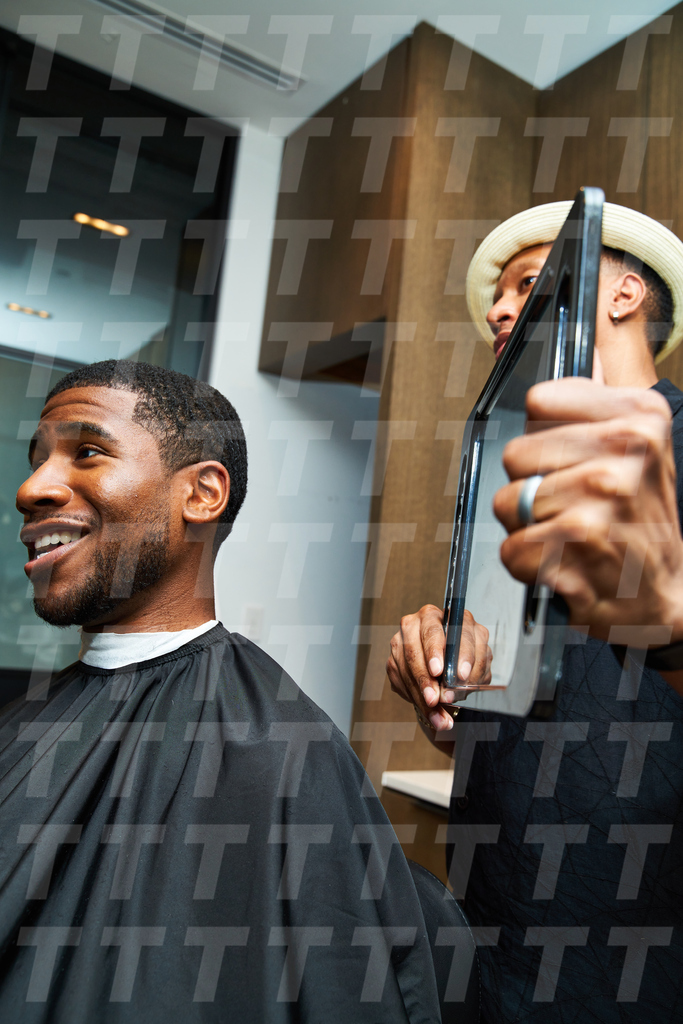
Darius: Yeah. I've seen it simply because they come back. It's in their eyes. These places rely on [the barber’s] ability to build someone’s trust in 45 minutes when they barely know you. But yet, they come back to you and tell you everything about their personal life. And now when you throw an event, they're coming out to your event.
And then vulnerability and transparency, right? In these four walls, you can share things with [your barber]. That's probably the safe space for Black men to express themselves. The barbershop is so sacred because it has served as this kind of confessional space. So, there is something rather religious, if you will, that happens here.
Success to me is when somebody in the chair says ‘I'm looking for a job,’ and I say, ‘Hey, I know a person here who's got a job,’ and now they're connecting, and he's applying for the job. Or, it's that student who says, ‘Hey, I'm looking to apply for school. Do you have any recommendations?’ And I know admissions directors who come to my chair. Like when a police officer is in my chair after hearing some gruesome news last week of DC. And he and I have a transparent talk about it. How it makes him feel to be a police officer in this kind of environment. There are countless stories like this. That's success to me.
And then also, the other part of it is tangibly helping men. [Barbers] have the power to provide healing for those who are battling all these other conditions; depression, not feeling like they're back to themselves. We have the power to introduce them to what makes them look good; I get to show them their strongest the physical features about themselves and make them feel good. And now all of a sudden, they have the courage to go back to the gym, to live and eat healthy… all because they got a haircut.
written by: Darren Agboh