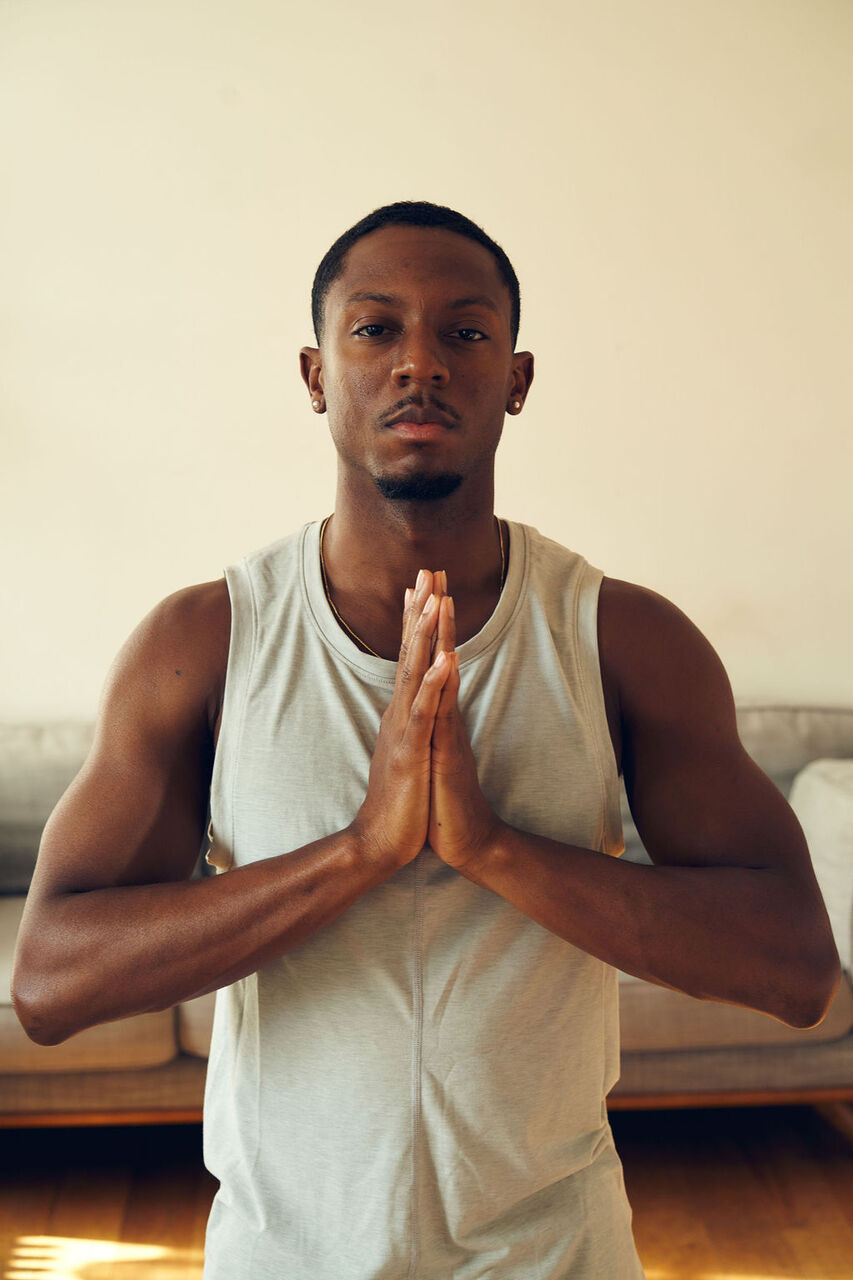
Black Men Do Yoga: Yoga and Accessibility for Black Men

Black men do yoga, despite status-quo narratives that suggest the opposite. To dispel myths about Black men and yoga, TONL sat down and spoke with Carlos Barksdale, a Black male yoga instructor who actively works to make yoga more accessible to people of color. We interviewed him about how he got into yoga, some misconceptions and barriers that Black men face when starting up yoga, and some ways in which he is making yoga more inclusive for everyone, regardless of their cultural background.
TONL: First off, tell me about yourself and how you got into yoga.

Carlos: Me, I'm from Memphis, Tennessee but have been living in New York for 13 years now. I came up here for school and pretty much stayed after I graduated, working in tech for the most part. How I got into yoga was actually a few years ago when I was speaking with a friend. They were going to yoga all the time, like every day. And I was like, “why are you going to yoga so much?” And they were like, “I go to yoga, because I feel it makes me feel present.” At the time when I was having this conversation, I was working a lot, doing consulting. I was always thinking about projects or things I had going on at work and was never present in the moment; I was always moving around. And so, when she said that, I was like, “You know what? Next time I get an opportunity, I'm going to try yoga.”
[A few months later,] I was in LA, and a couple of my friends and I went for a class. It was an hour yoga session, followed by a 30-minute meditation, followed by a vegan brunch outside in the backyard. I want to give that initial experience a lot of credit, because it was a great curated experience to have all those things happen in such a nice, clean setting. But I think what I found in class is that I was killing multiple birds with one stone. I was in a very clean space. I was on a mat with my own space to move and do my own thing. I was very much so focused on myself. I was away from my cell phone; I was away from people; no one was talking to me other than the instructor for the class. I was getting a physical workout in; I was learning things [about myself] indirectly, if you will, as a result of doing yoga. Like patience. I became a lot more patient doing yoga.

So yeah, man, I fell in love the practice. Once I got back to New York, I kept doing [yoga] at studios here in the city.
TONL: That’s dope; thanks for sharing. I think that's what a lot of people get out of yoga regardless of their background: this return to self. It's a very community-based practice, but it's also an individual practice that does a lot for one's mind, body, and soul. I think a lot of people [who do yoga] really do find the benefit in that.
Black men could surely benefit from practicing yoga, given all the stressors that encompass the Black male experience. However, there’s this narrative out there that Black men don’t do yoga. Do you think that is really the case? Do you think that there is room for more Black men to enter into the [yoga] space?
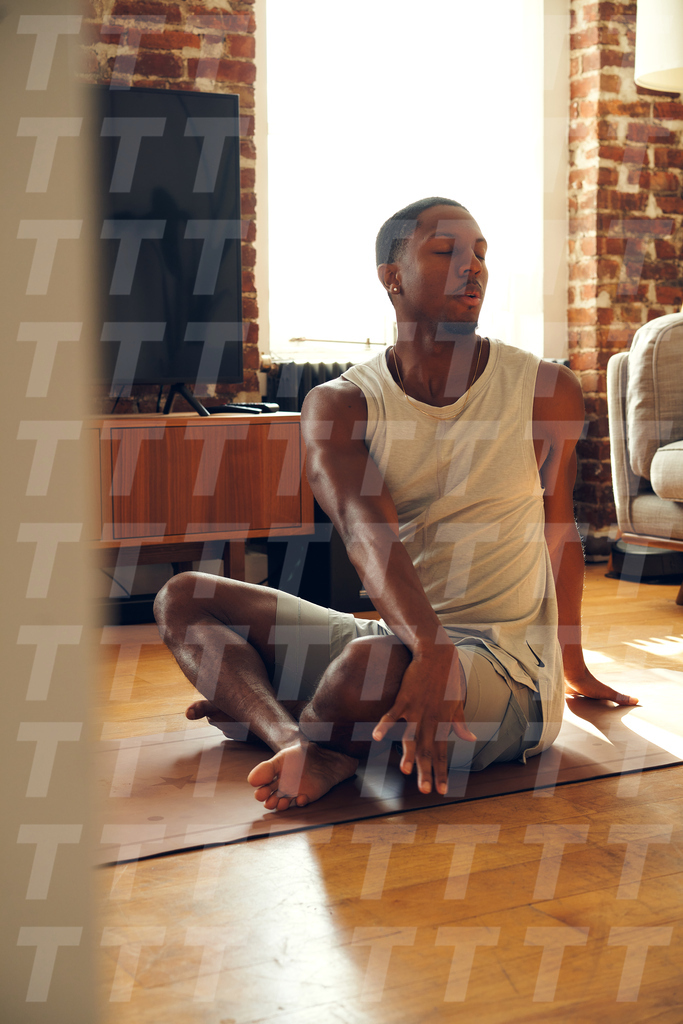
Carlos: First of all, there are tons of black men who do yoga. So let me just dispel that myth right now. I have the privilege of being a black yoga instructor, so its visible to me. I think that it's just not something that [people] expect. Like when people think of who does yoga period, when they do see [a Black man doing yoga], they think it’s an anomaly. But yeah, there are plenty of Black men doing yoga; Black people in general.
At the same time, there is space for a lot of Black men to be doing yoga because it’s such a 360-healing process for the spirit and body. There are very few [activities] that are going to impact all those things simultaneously.
TONL: What are some barriers that you think might make it difficult for Black men to enter this space?
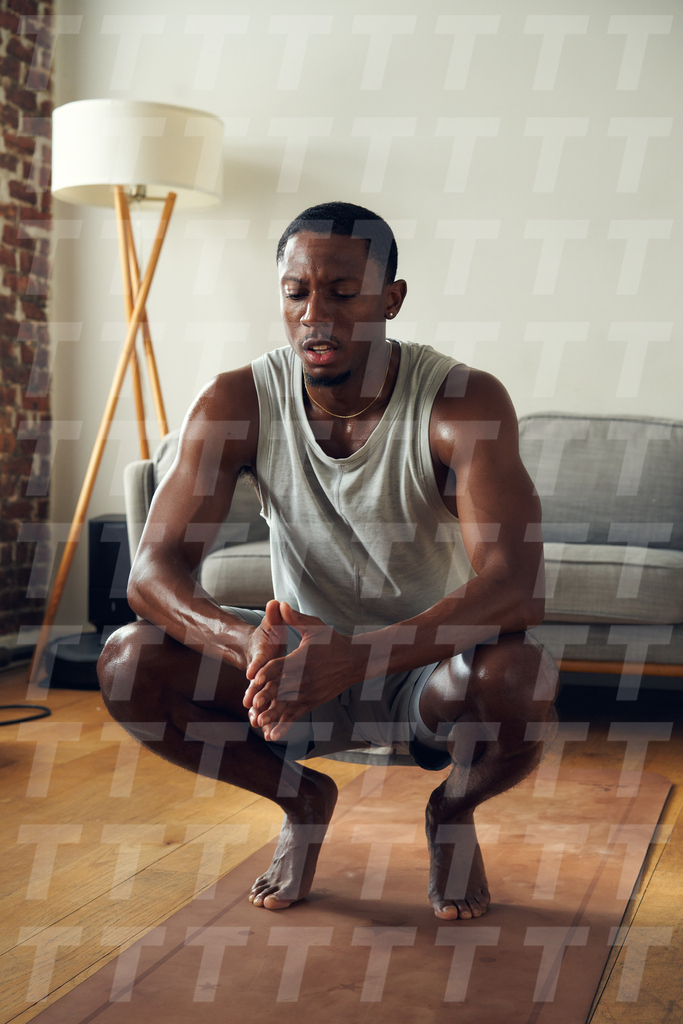
Carlos: As far as why we don't see it Black men doing yoga? I think it's a marketing thing, quite frankly. I think, because live in America, a lot of historically healthy practices or things that are healthy to eat and do [have been] branded as White people things. So that's one barrier. But it's also a real reality when it comes to yoga that there is a financial barrier to accessing it too. When I was coming to class here in New York, I was going to the donation-based studios. Those almost don't exist anywhere, including [New York] anymore; the one I was going to actually shut down. So, if you go to a yoga class, they’re charging like $25-$30 a class! I can see how if you're someone who’s already skeptical about yoga and thinks that yogis only look a certain way and now you got to pay $30 to take one class?! That can be a hard sell, you know what I'm saying?
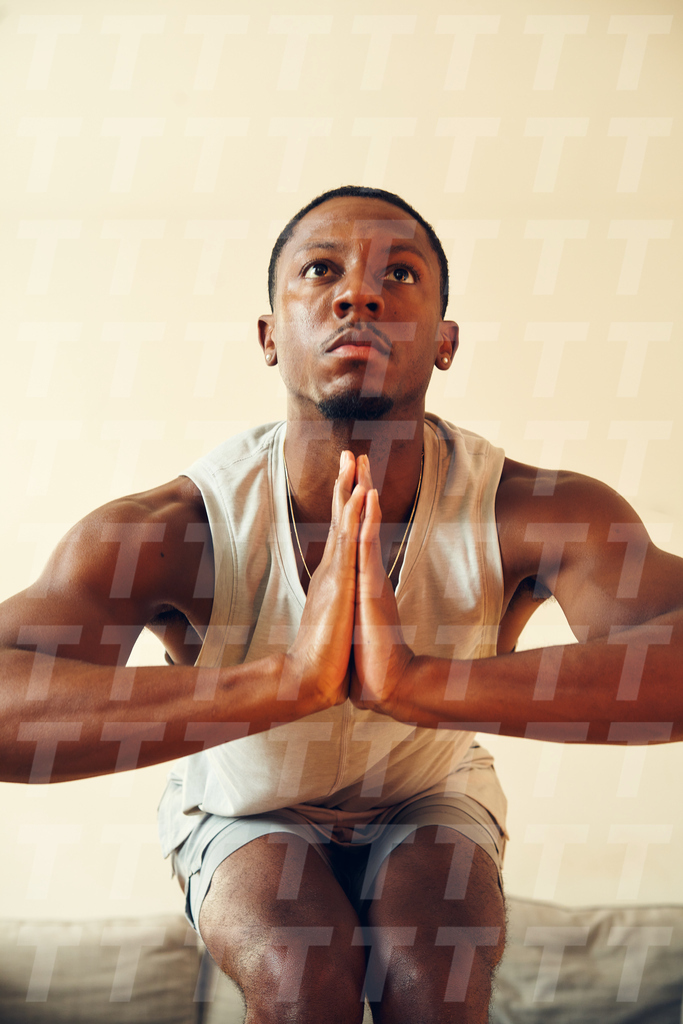
That's why I launched a community practice here in Brooklyn with my friend Morgan: to have donation-based, accessible yoga. We host yoga in the park where anyone can come and bring their mat. Sometimes I might bring a mat for someone who doesn't have one. It’s all about making yoga accessible. I think folks who own studios gotta make money; I get it. At the same time, though, I think that if you're someone who cares about the practice, who cares about making sure people have access to it, then you find a way for people to get access to it. So, for me, doing community yoga in the park is how I'm giving back, spreading the practice, and making it more accessible for people.
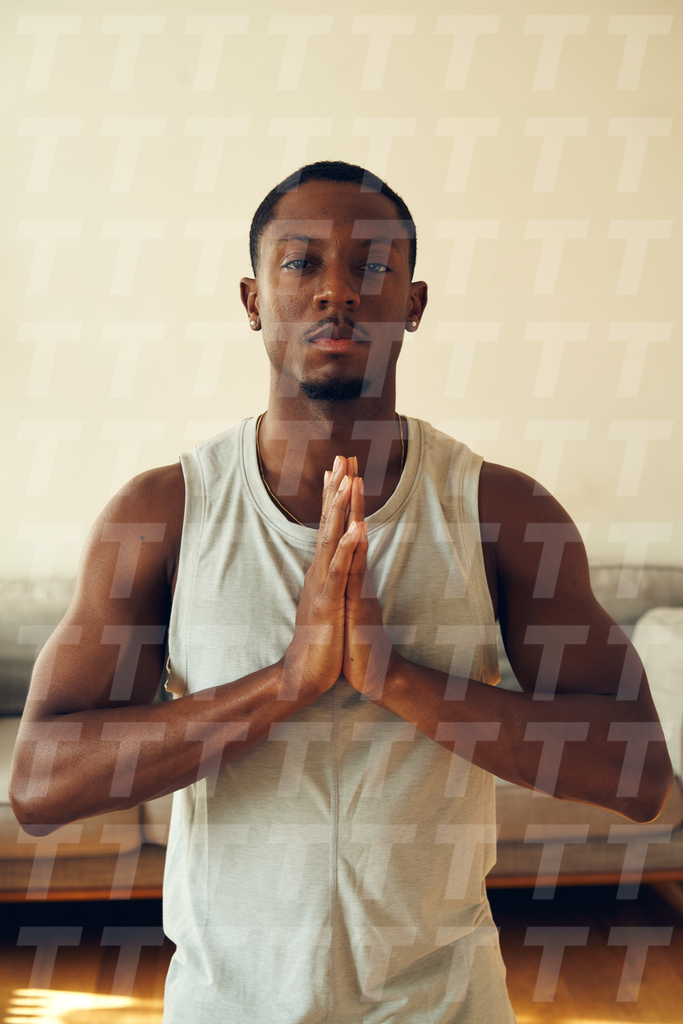
TONL: Given that some Black men who aren’t from the “stereotypical” yoga community may want to get involved with the practice, what are some words of advice or context that you would give to that person as to how they can enter that space?
Carlos: I will say, the first thing is to drop the skepticism. It's not helping you, really, in anything that you're going to encounter in life, much less for yoga, right? I've had people come to my class that are that run this picture of, race, of gender of sexuality, of all backgrounds. I've had, men, particularly Black men, athletic men, men who “aren't flexible,” come in and have the best time. I've had big people, short people, tall people, skinny people... And as soon as they enter the space and just put themselves in the space to do yoga, they enjoy the practice, right? If you go into it with skepticism, that’s cool and understandable. But don't let the skepticism deter you from trying it; deter you from doing it.
Because honestly, what I realized is that you'll be surprised who's actually down [to go]. If you just leaned over to your friend like, “Yo, you want to go to yoga tomorrow?” You'd be surprised how many “yes’s” you get. Ultimately, nobody is gonna be like “nah, hell no, I'm never doing that.” You know? Or better yet, as soon as they see you go, they’ll want to go. As soon as they see you in class., naturally, they're going to ask, “Yo, how was it? Did you enjoy it? Alright, cool. I'm gonna go next time.”
It's funny; I also work in beauty and grooming on my side business. And like people always say that Black men don't care about their hair or skincare. But, bro... Almost every Black man I've talked to cares about their hair and skincare routine. There just hasn't been a space for them to talk about it. I got dozens of examples of Black men who spend time and money to invest in grooming. Of course, I also see [the same energy] in yoga, for sure. It's just about creating the space for dialogue and for them to have an entry point to it. That's it. Despite the marketing, despite us not being photographed doing yoga, despite us not being in the ads, despite us like not having YouTube videos. As soon as you open the space for a conversation for bro, they will run in; it's just that easy.