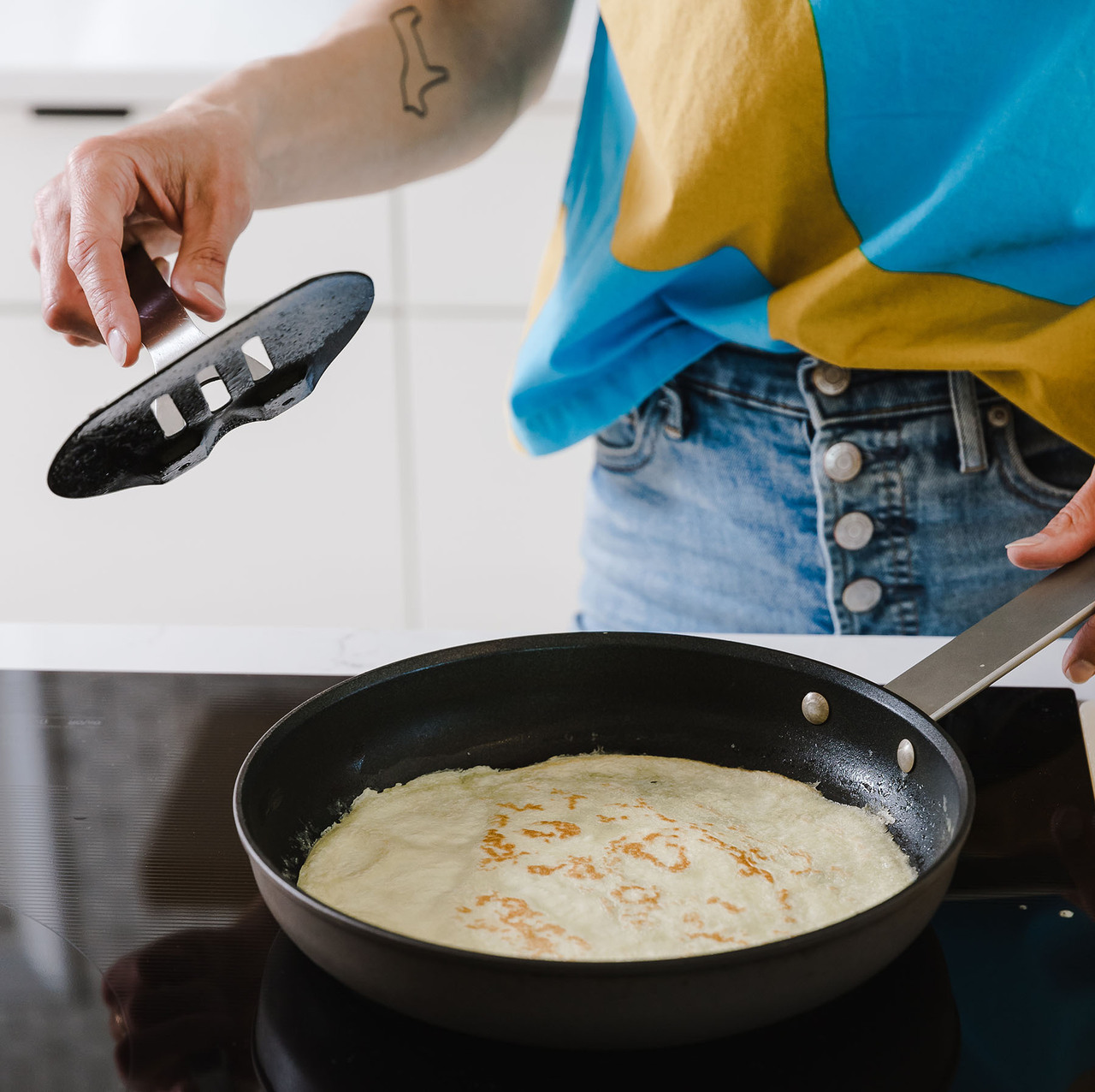
Dinner Party: International House of Swedish Pancakes
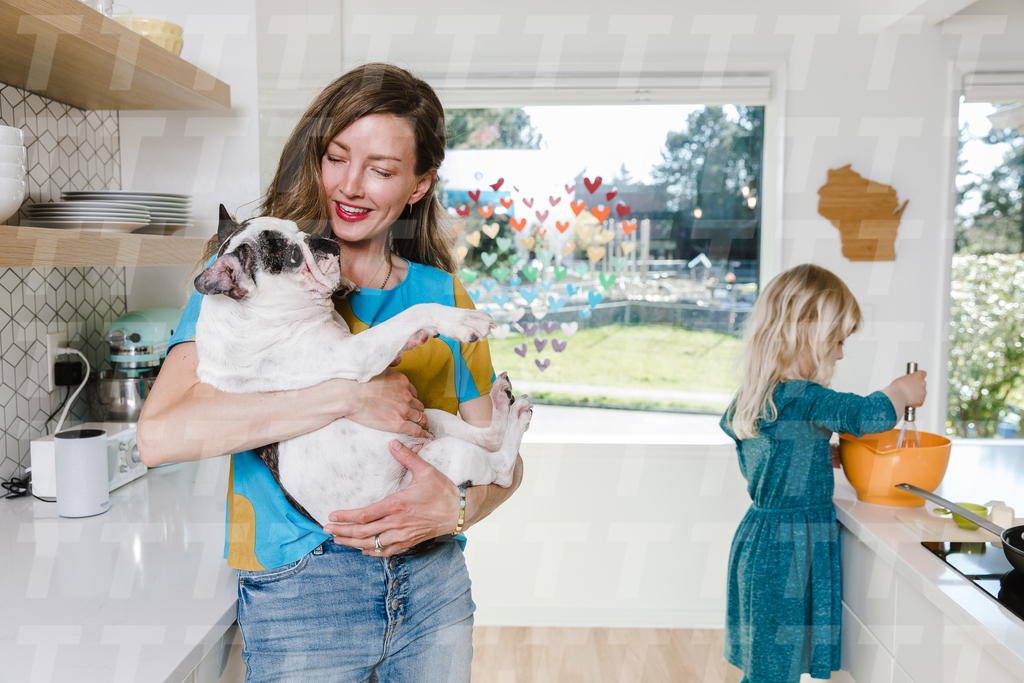
We know that over the years you have developed strong pride over your Scandinavian roots. Where did that urge to learn more about your culture come from?
I've been interested in my Swedish heritage since I was a pretty young kid. Their cool design sense, their love of the outdoors, their obsession with being around water and going for a sauna and then jumping into a snowbank immediately after. My dad, whose family is Swedish on both sides, knew a few things about our ancestors, but his sister, my Aunt Mary, had become interested when she was younger as well. After college, she traveled to Sweden and, by knocking on doors in the village she knew her grandfather had grown up in, stumbled upon a distant uncle and cousin. The cousin could speak English and they bonded right away, staying in touch and writing letters for years. I heard this story from my aunt and wanted to know more about our relatives.
I always had an interest in Swedish/Scandinavian culture, and ended up studying the language and history in college. Later, when my husband and I were trying to decide where to go on our honeymoon a year after we got married, we realized we both wanted to go to Sweden. I was able to contact another relative who lives there, Inger, and who turned out to be an amazing host and tour guide. She introduced us to all of our relatives, invited us to celebrate their big summer holiday midsommar with our cousin Gunnar (the one my aunt met when she was there, now my dad's age) and his family, and took us to my great-grandfather's ancestral village. It was an incredible trip, I'll never forget it. I felt home instantly and would love to go back one day.
One of the coolest parts of the trip, aside from meeting and getting to know extended family, was visiting the studio where Swedish dala horses are made. They're a now-famous cultural icon of Sweden that started out as a simple carved and painted wooden children's toy. I've collected them since I was a kid, have many that belonged to family, and now have one tattooed on my forearm (my sister has one, too!)
Understanding your identity is an imperative part of life. In addition to identifying as Swedish, you’re a mother, wife, book nerd and proudly queer, among other identifiers. What does it mean to you to live in your truth? [feel free to take any direction with this question]
I think for me it means holding onto the people I've been so far while leaving room for new or as-yet-discovered versions of myself. And to give all of them grace; the past and present and future selves, because we're all changing, all the time! Some of my identity has been constant, while other parts have emerged more recently. Identity fascinates me; my own and everyone else's, too; I crave connection with people because I love getting to know what they know about themselves so far. Living in my truth means staying open. I hope my kids see this as permission to be open to the many versions of themselves they'll meet, too.
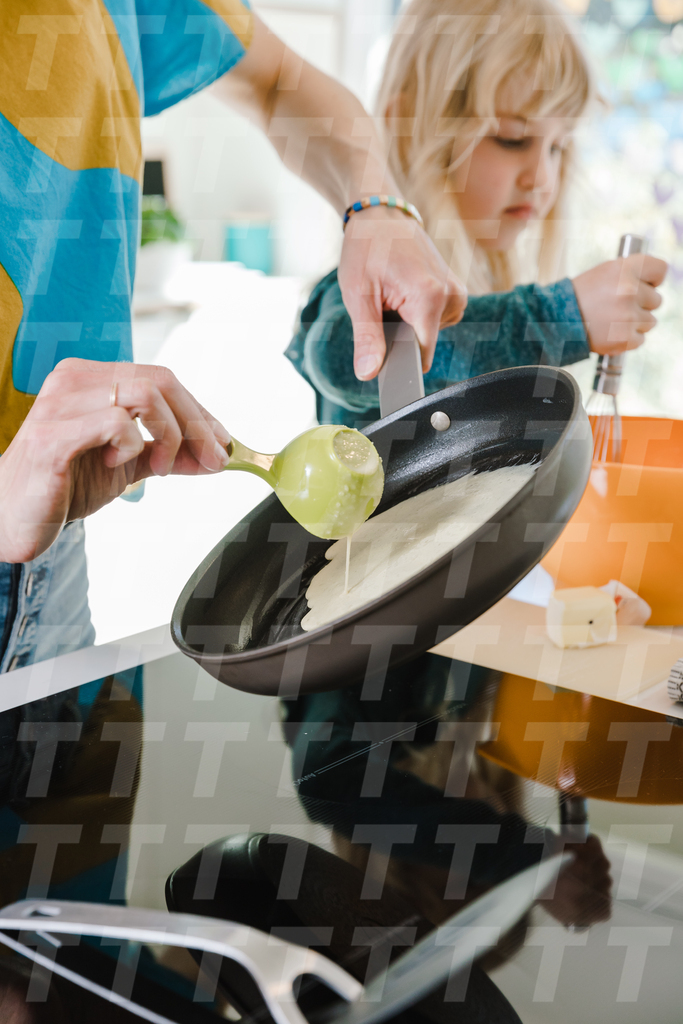
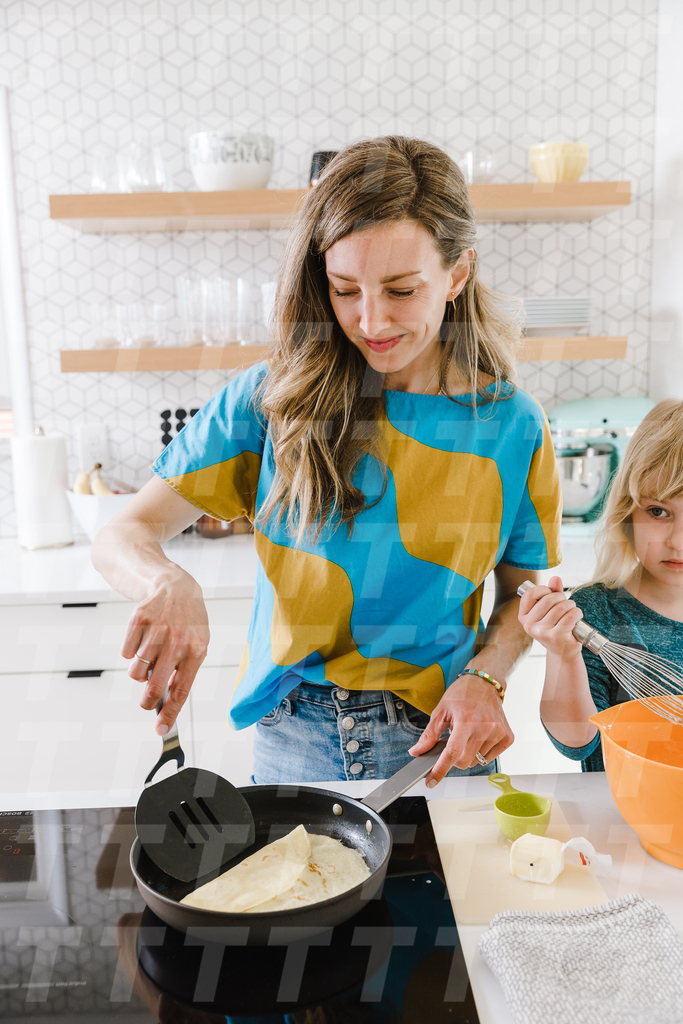
While Swedes didn’t necessarily invent pancakes, we know that Sweden has become the land of pancakes. Did you inherit any special recipes and how important has it been to share them with your kids?
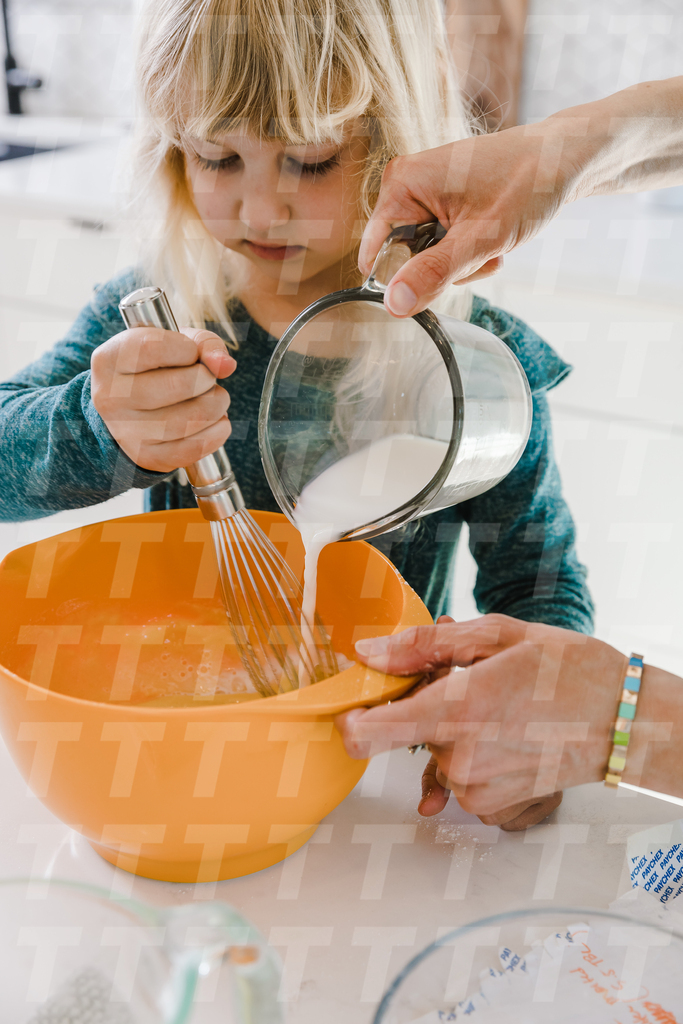
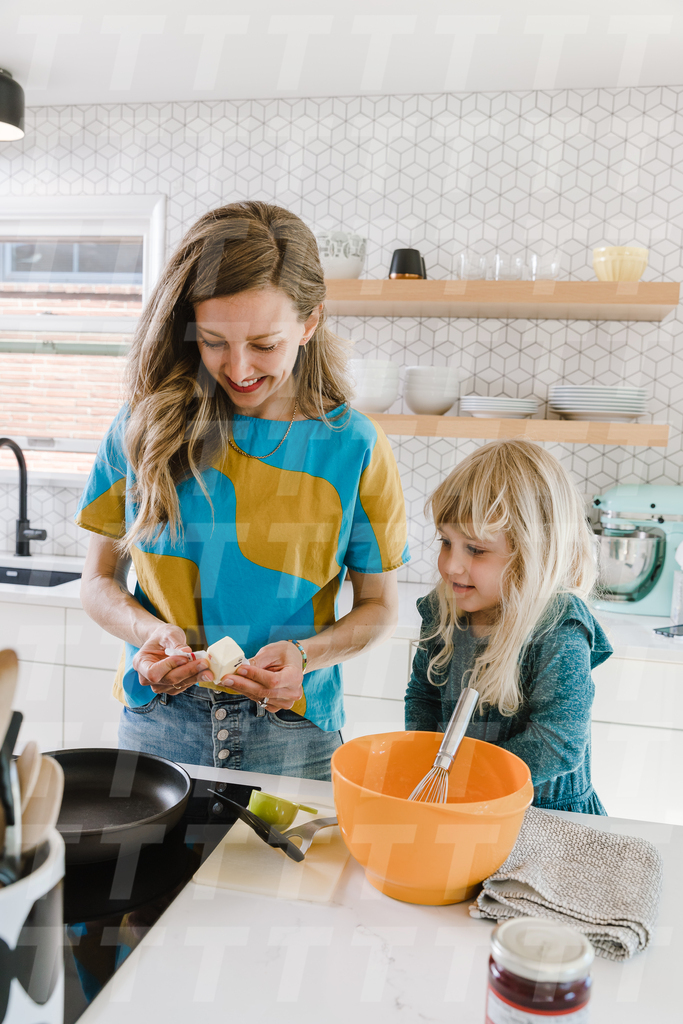
It's funny, the recipe for Swedish pancakes I make is the one my mom Kelly taught me how to make when I was in high school or college; the recipe she always followed to make them for my sister and me growing up. And my mom isn't Swedish (she makes *excellent* Swedish pancakes, though), but the recipe she used was my step-grandmother's family recipe. They were all of Swedish heritage, too. There's a lot of butter involved, and a special wrist swirl to coat the pan evenly. You cannot forget the lingonberries on top. Mycket viktig. (Very important.) I always let my kids help me make them and they'll definitely learn fully before they're grown! I've learned to make a few types of Scandinavian cookies, too, and once made Swedish meatballs from scratch. The IKEA ones are so good, though.
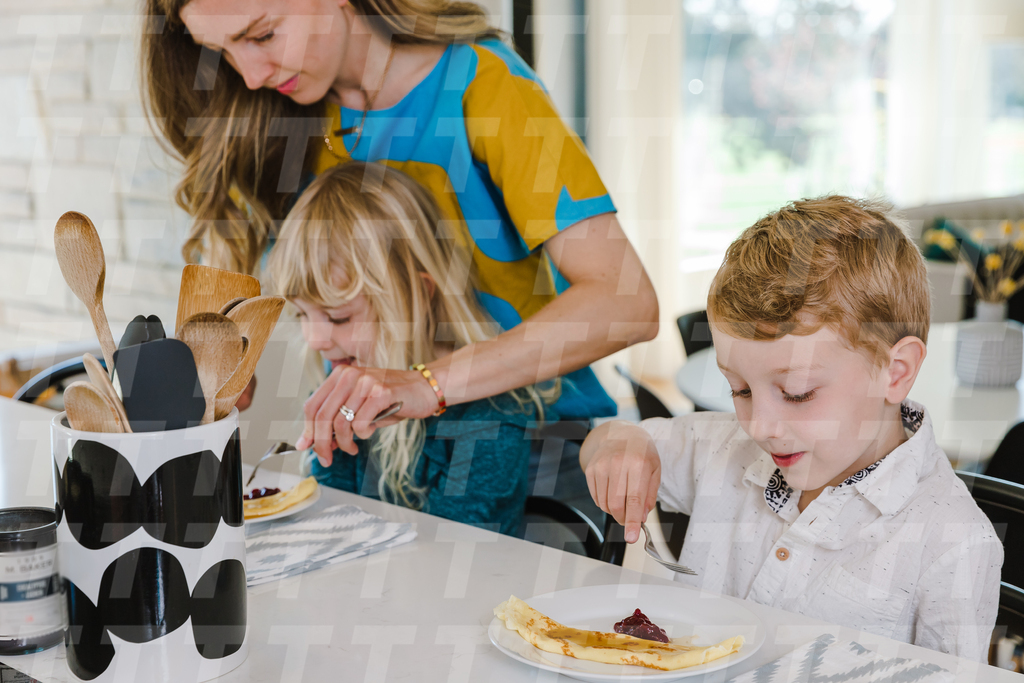
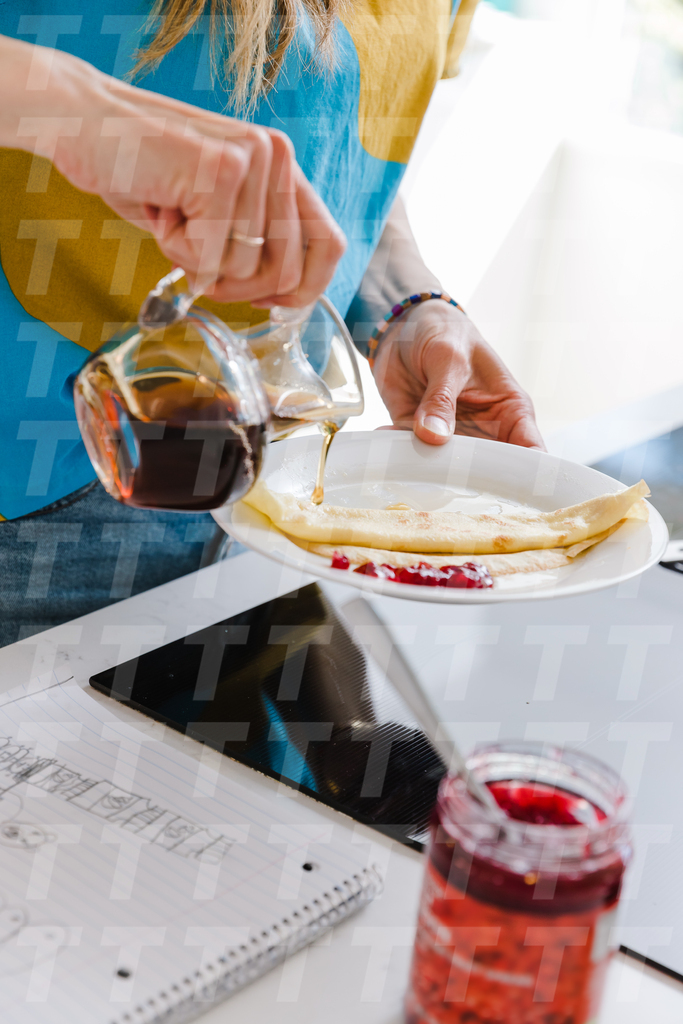
What are some other dishes unique to Sweden that most people may not know about?
Sweden's food is a lot of the typical stuff you hear about - meatballs, potatoes, pancakes - at least in the smaller areas. Big cities like Stockholm and Malmö are quite full with amazingly diverse, creative and upscale food! (We had some incredible sushi in Stockholm when we were there.) But one of my favorite Swedish food traditions is fika. It's a small break you take with a friend, family member, colleague once or twice a day. You might have a cup of coffee and a small bite of something sweet, like a cookie or saffron bun or slice of almond cake. It's about sharing a moment, conversation, and something tasty with someone, away from your obligations for a bit. It's really nice.
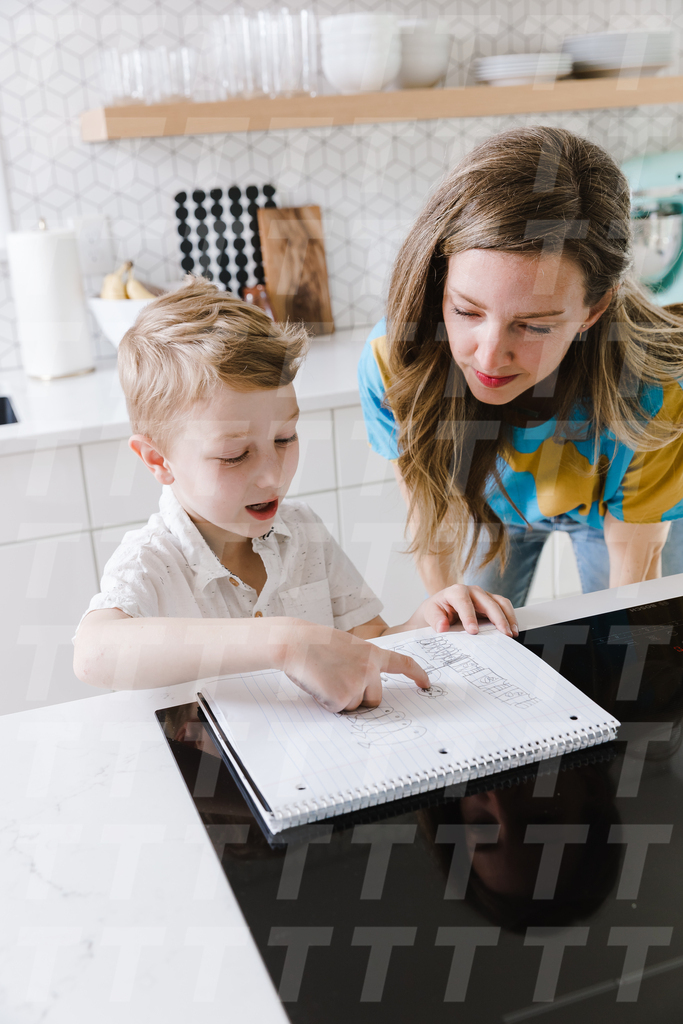
We know how much you love to cook, but also how much you love to read. If books are allowed at the dinner table, what 5 books are you, your husband and your kids reading?
Ugh wow this is *so hard* for a book nerd/librarian! Okay I'll choose two for myself, and one each for everyone else in my family. I'm choosing Lauren Groff's latest historical fiction book Matrix because it was incredibly stunning and *so* beautifully written - who'd have thought nuns in 11th-century England could be so fascinating? They can! And then secondly anything by Ann Patchett because I love her... Commonwealth was the book of hers I read most recently. My husband would likely be reading the latest science fiction/fantasy series - I think he's re-reading Dune now. My son will be pouring over a rock and gem book because he loves facts and real things and is very into collecting rocks and crystals at the moment. And my daughter will be reading a book about unicorns to her stuffies. Margaret's Unicorn by Briony May Smith is a favorite.