Dismantling Stereotypes of Indigenous People: Seven Directions
Article written and photographed by TONL Photographer, Jenjira Milan
Let’s do a quick experiment. Google “Native American mother and child”, and take note of what images pop up in your browser.
The first photo directs me to a Caucasian mother and daughter holding hands, smiling big, and matching head to toe in “traditional” white and blue dresses adorned with fringes and feathers headdresses. Topped off with a side butterfly drum, this Halloween outfit could be yours for less than $40. Scrolling on, the majority of images showcase watercolor paintings of mothers intimately clutching a child to their chests, or vintage black and white snapshots from the early 1900’s. Between the poorly recreated Madonna and child paintings and the offensive Halloween listings, you’re pressed hard to find photos that showcase a loving, trusting, and average mother and child relationship within this century.
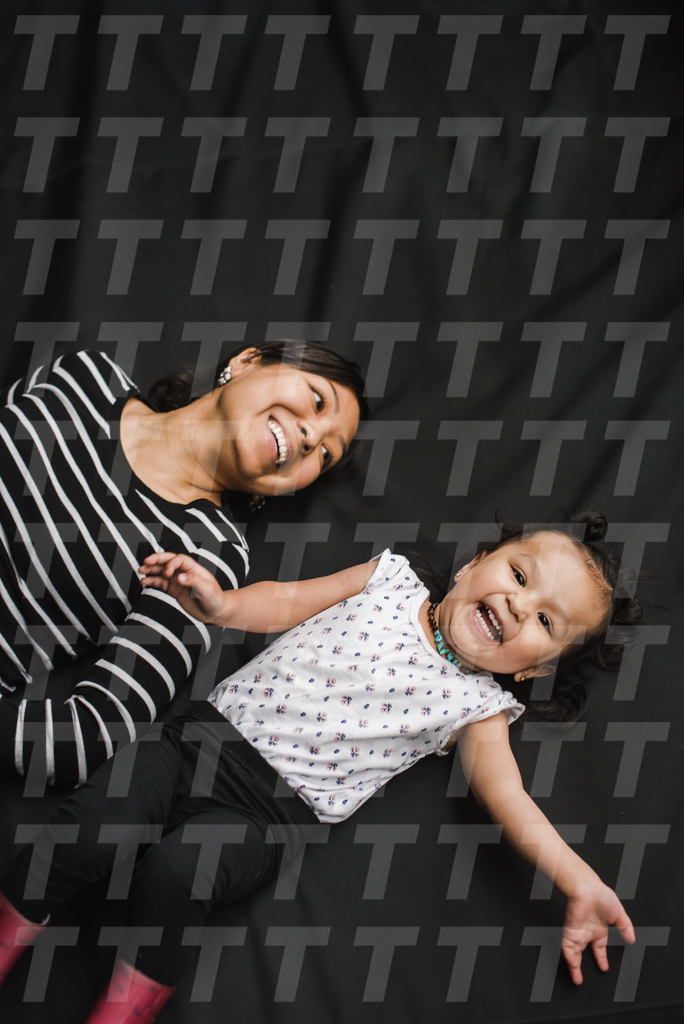
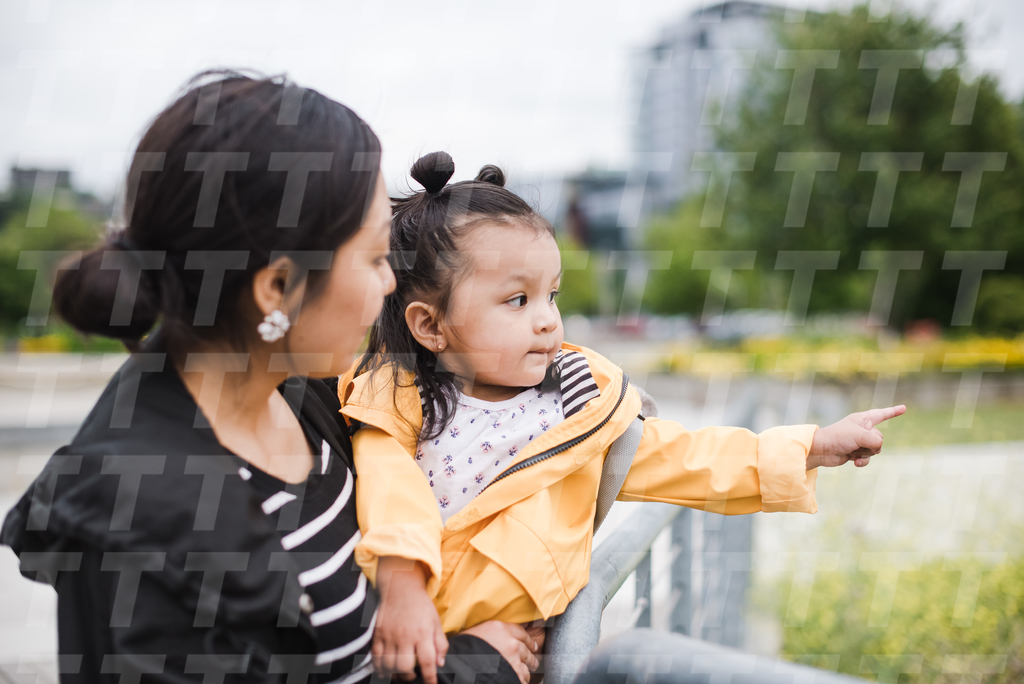
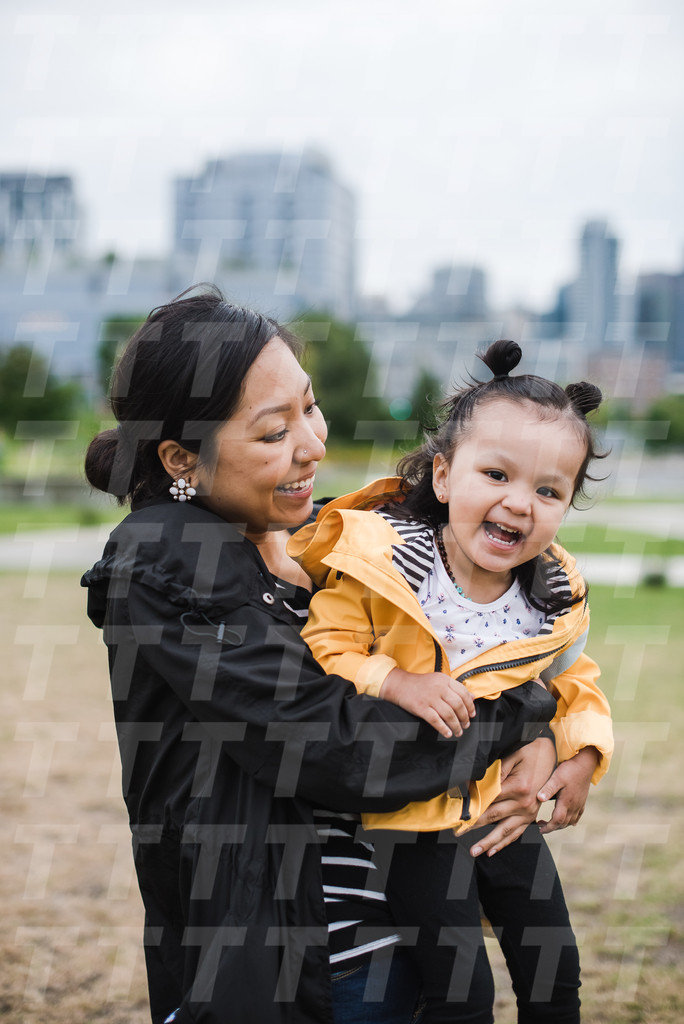
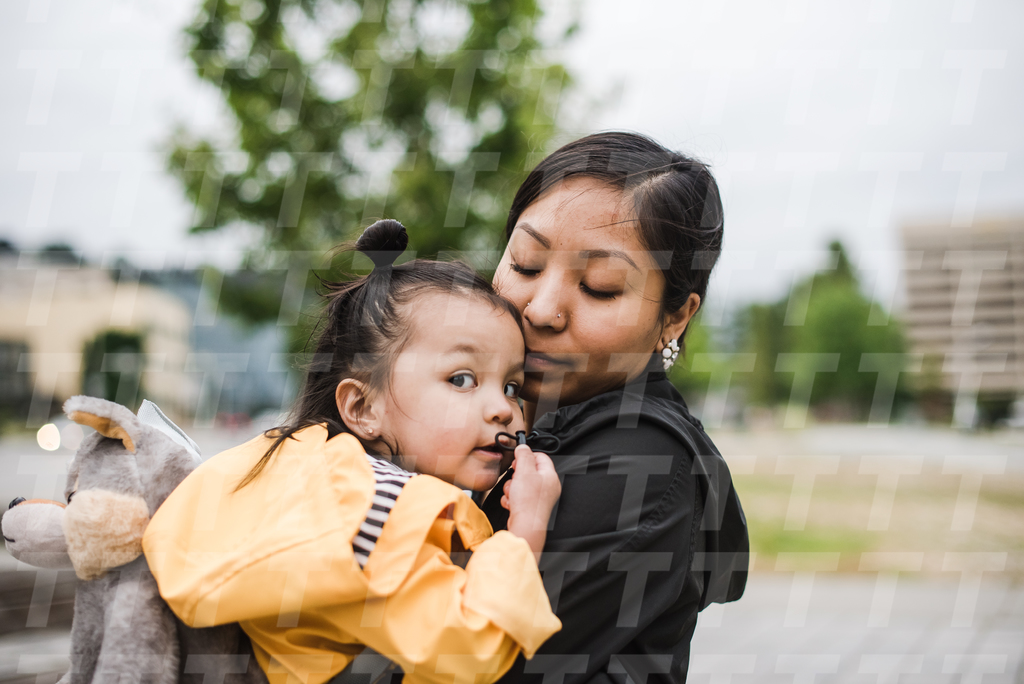
This lack of wholesome and accurate imagery is no new source of frustration for Dr. Myra Parker and Danielle Lucero of Seven Directions, a Center for Indigenous Public Health located in Seattle. Based off a quick internet search, anyone can tell that it’s difficult to source images that accurately represent the diversity and range of lives that exist within native communities. We sat down with Seven Directions to discuss the need for healthy, diverse, and accurate imagery surrounding Native American communities and the important work that they do in advancing and honoring indigenous public health. Dr. Parker stresses that, “Representation matters, not only for members of the ‘mainstream,’ but for American Indian and Alaska Native mothers and children to see that there are people like them, who experience the same critical parent-child bond, who have similar moments of love and trust, and who make healthy choices, like wearing seatbelts.”
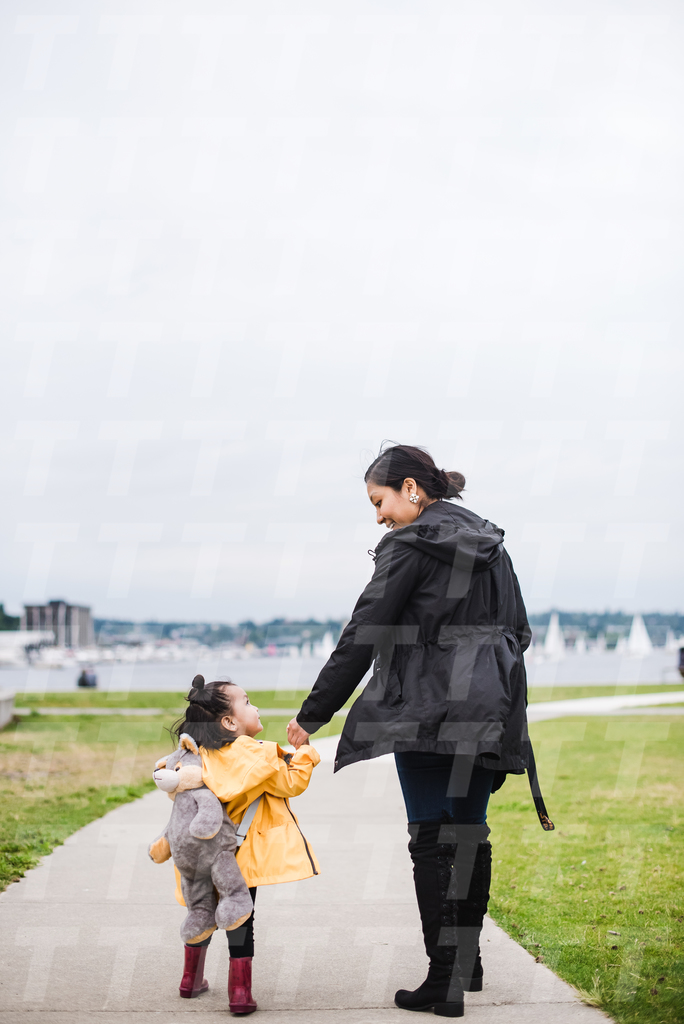
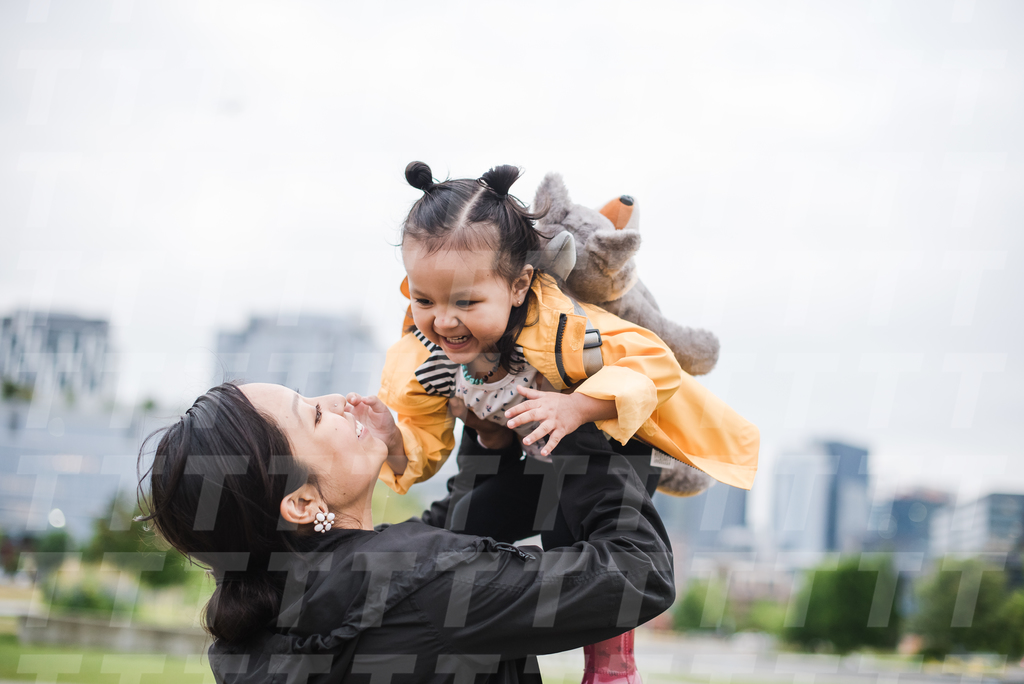
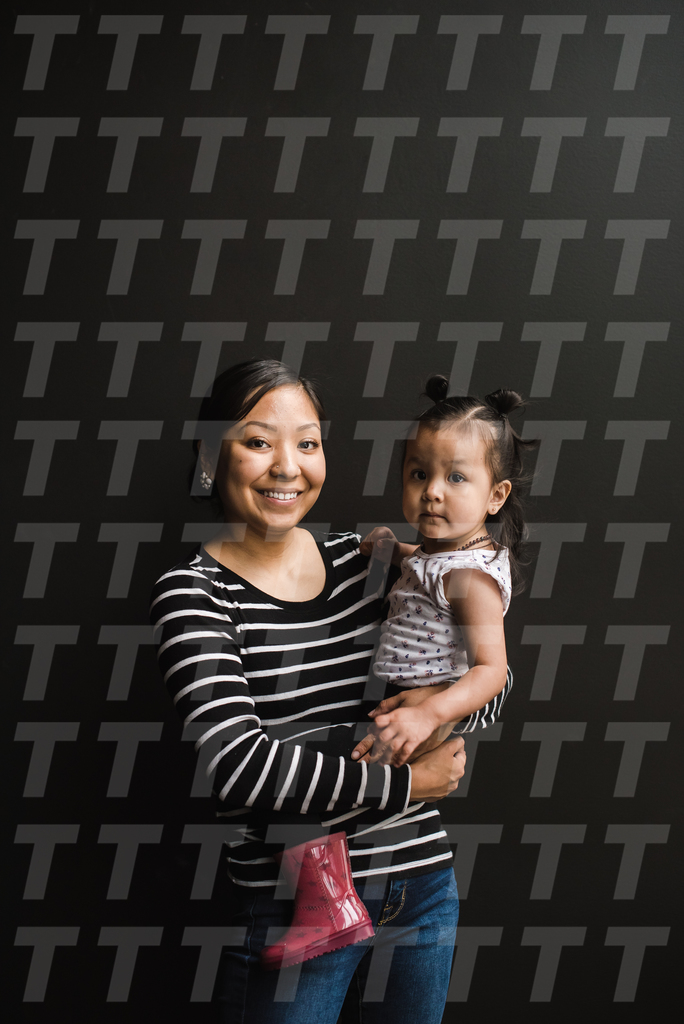
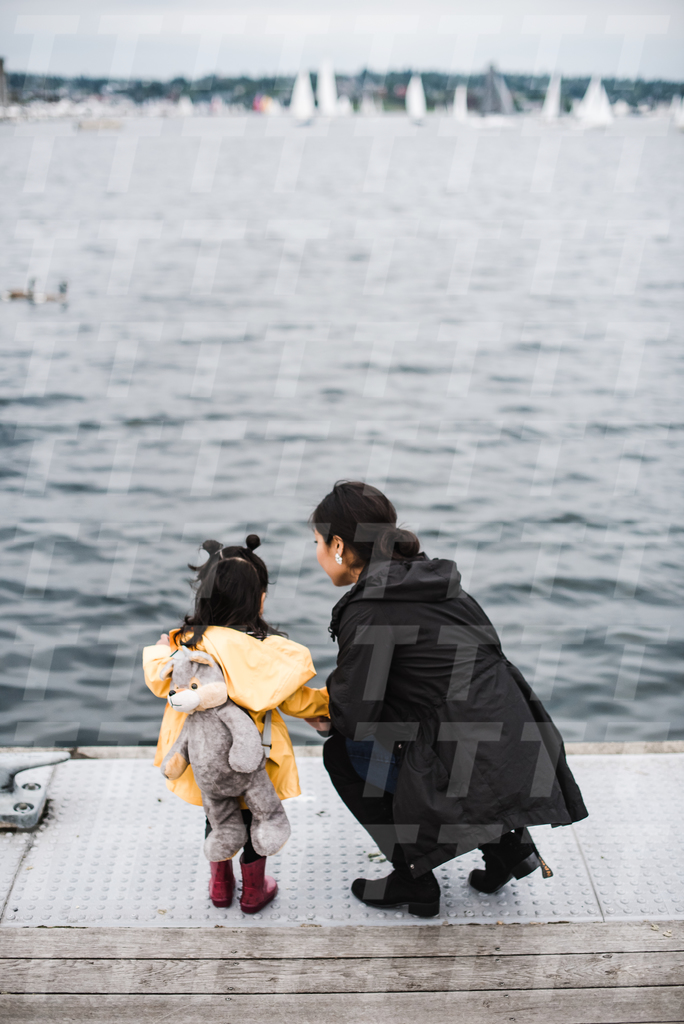
Driven by Dr. Parker and Danielle’s vision, we collaborated to produce a collection of images that Seven Directions can utilize for local outreach on maternal healthcare for infants and toddlers. We hope that these images serve as a stepping stone in dismantling negative and fetishized stereotypes, especially around native women, and counter the single-narrative stories that the media typically portrays of native communities. We give thanks to Corinna and her daughter Wolf who allowed us to capture a day in their lives. We have a long way to go to accurately represent the diverse, complex, and rich lives of native communities in the United States, but hope that vibrant stories and images like these will pave and heal the way to a richer future.

What is Seven Direction’s vision for the future of indigenous public health?
Seven Directions, A Center for Indigenous Public Health, is a public health institute whose mission is to advance American Indian and Alaska Native health and wellness by honoring Indigenous knowledge, cultivating innovation and collaboration, and strengthening Tribal and Urban Indian public health partnerships. We are the only public health institute that uncovers opportunities to bridge traditional knowledge and lived experience with innovation to strengthen community health practice. Seven Directions’ core purpose is to design sustainable systems with a shared vision to reclaim Indigenous health so that all Indigenous peoples live long and healthy lives for generations to come.
Why does Seven Directions prioritize Indigenous knowledge and practices when addressing the contemporary challenges of American Indian and Alaska Native communities?
We believe solutions to our health challenges are found within our communities. Our charge is to support the revitalization and affirmation of Indigenous knowledge and experience to better understand and address current public health challenges. “Culture matters” in health and in everyday life. Our communities have always known this, and now we are working to center this teaching to reframe public health to heal community, improve population health and promote wellness.

“While images in media limit us to false, outdated characterizations, in reality we are doctors, social workers, educators, and so much more. We work, live, and play in cities that are our ancestral homelands across the United States. Our stories should reflect who we really are and acknowledge our strengths and the resilience we’ve been able to draw upon to rise above social and political challenges.”
How are indigenous peoples typically represented in media and how does this image distort the perception of indigenous communities and their contributions to society?
Photos of Indigenous peoples are, more often than not, romanticized and fetishized. While images in media limit us to false, outdated characterizations, in reality we are doctors, social workers, educators, and so much more. We work, live, and play in cities that are our ancestral homelands across the United States. Our stories should reflect who we really are and acknowledge our strengths and the resilience we’ve been able to draw upon to rise above social and political challenges.

Seven Directions was created by and for American Indian and Alaska Native communities. How do you hope building upon native leadership and investing in internal capacities will nurture and strengthen a collective vision and sense of belonging?
Growing our workforce and building public health capacity among Tribal and Urban Indian communities and organizations is essential to improving health outcomes. By strengthening public health competencies, relationships, and resources, we increase our ability to have an impact.
We support Native leadership and their investment in internal capacity to nurture and strengthen a collective vision and sense of belonging. Native leadership and community can use public health frameworks to center and privilege Indigenous knowledge, ways, practices and lived experience for healing, health, and wellness. Native leadership can take advantage of the broad scope of public health to define concepts, develop frameworks, tools and resources from an Indigenous perspective, to make them relevant and useful.
Under treaty rights, tribes have the authority to define, develop, regulate, and enforce their own health systems. It is through this governance that Tribes can exercise their rights to data governance/sovereignty and support the food sovereignty movement. Tribal leadership support for government and community programs is essential for community healing, health, and wellness.
What is one thing you wish people would understand and educate themselves about American Indian and Alaska Native communities?
People can start by building relationships with Indigenous peoples. Attend art shows, events, and protests organized by Indigenous peoples or even better, offer to volunteer. We welcome allies, and it’s important for non-indigenous people to experience and learn about the diversity, beauty, and strength that have supported our cultures for thousands of years, and that continues to inform who we are and where we come from.