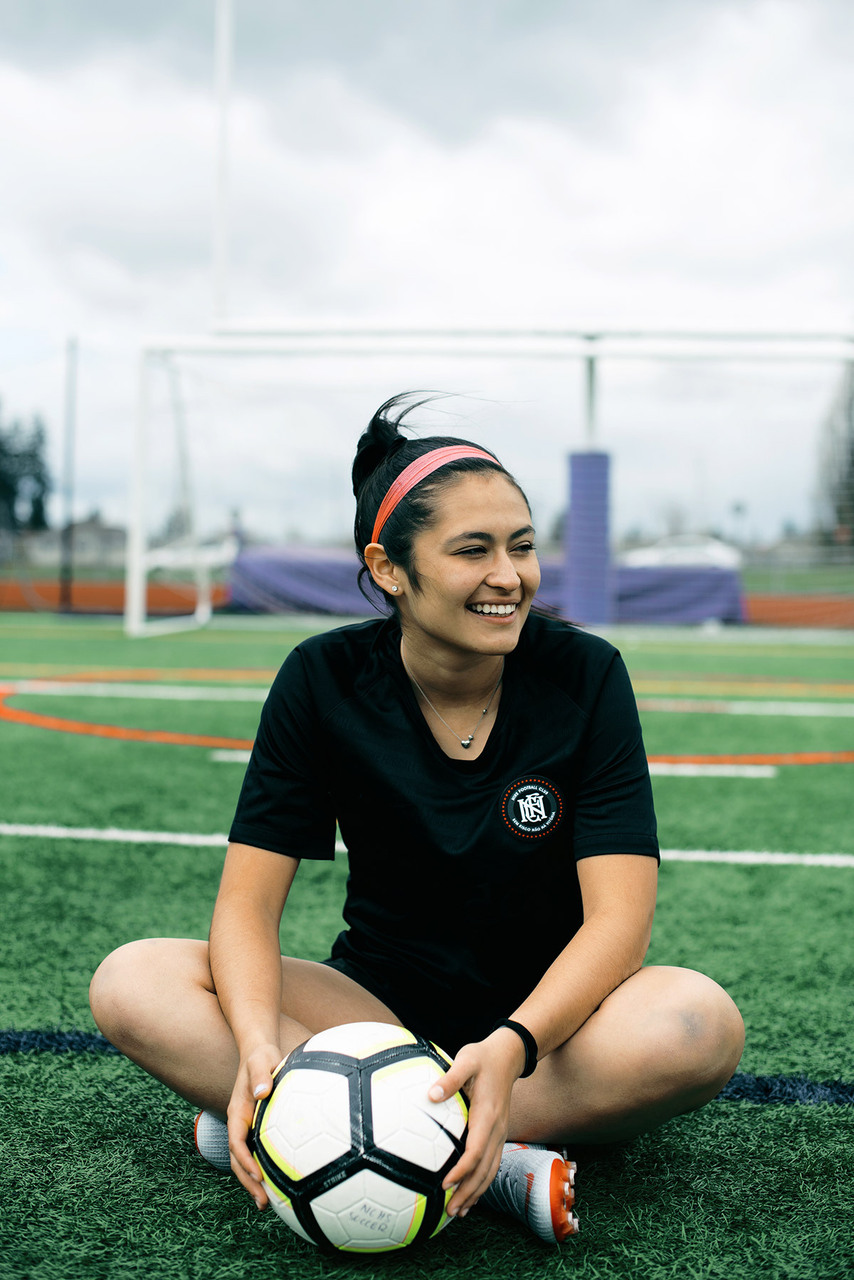
Equal Playing Field: Meet Player, Antonia
This month, TONL partnered with Nike to profile various coaches and young women in soccer as they demonstrate why diverse representation matters in sport, coaching, and the athlete/coach relationship. Throughout this week, hear from Coach Chalise and Antonia Miranda - a coach/player bond that revels in commonalities among gender, culture and a shared interest in soccer. Next up, meet Antonia!
TONL: Soccer is a heavily dominated male sport. At what point in your life did you decide to commit yourself to the sport in spite of that realization that you would be the minority?
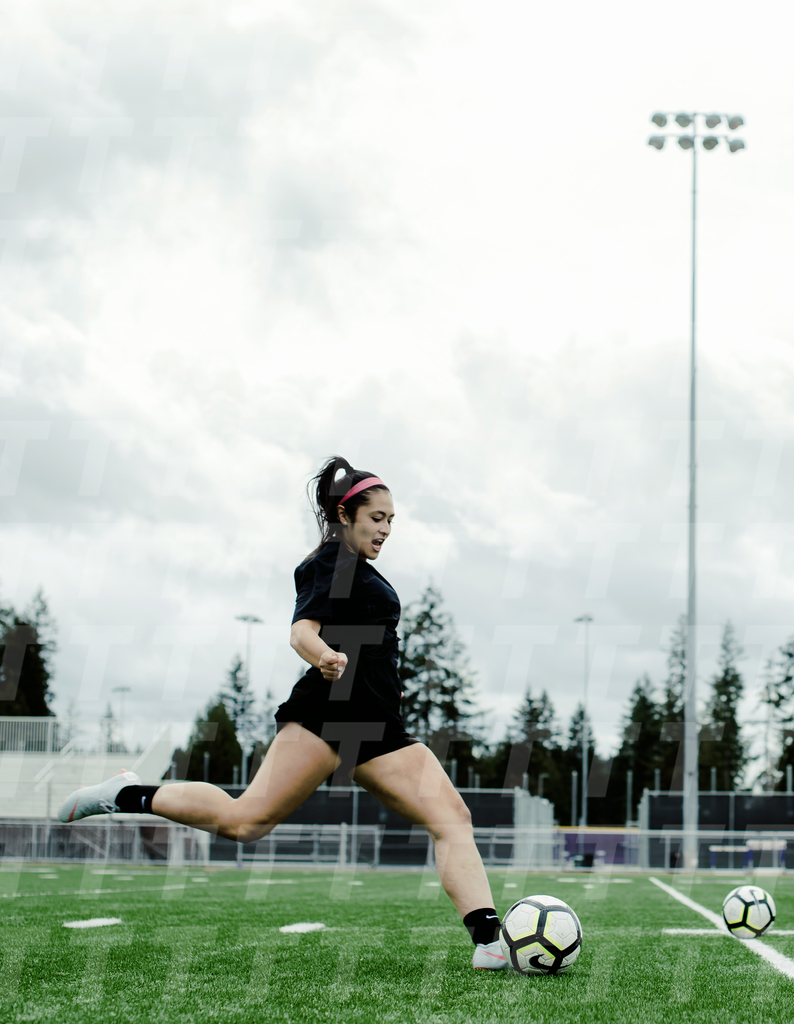
Antonia: Soccer has been my passion since I was four years old. I started off playing in Florida, on an all-boys team. I remember being intimidated at first, since I was the only little girl running around the field trying to prove I was just as good, if not better, than the boys. The extra level of competition, of being considered the underdog, just made it more enjoyable for me. As a four year old, I didn’t really pay attention to the demographics of my team because in reality, I didn’t care. I just wanted to be the best. It wasn’t until I moved to Washington, at 8 years old, and began playing on more elite, more competitive, and all female teams did I truly recognize how different female athletes are perceived as compared to male athletes. The men's teams would always get the better fields, better hotels, better gear, and overall just more recognition for their accomplishments. In order to receive the same recognition from other coaches within our club and our directors, we had to work twice as hard and achieve twice as much. Although the prevalence of male domination within my sport has always been present, I fell in love with the sport when I was four years old and nothing in the world could stop me from doing what I love.
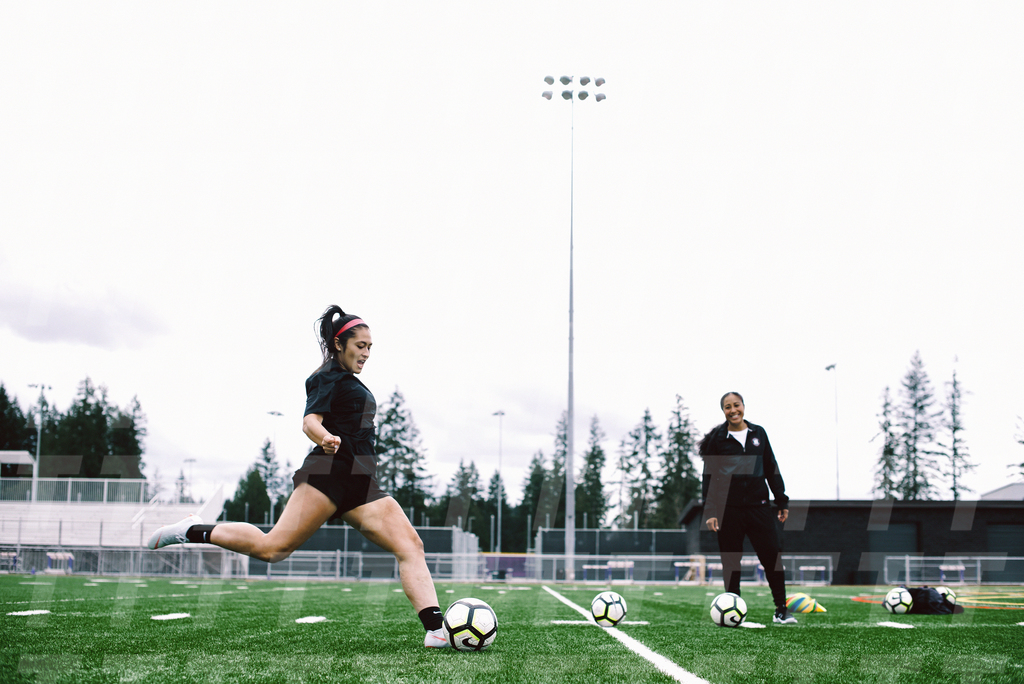
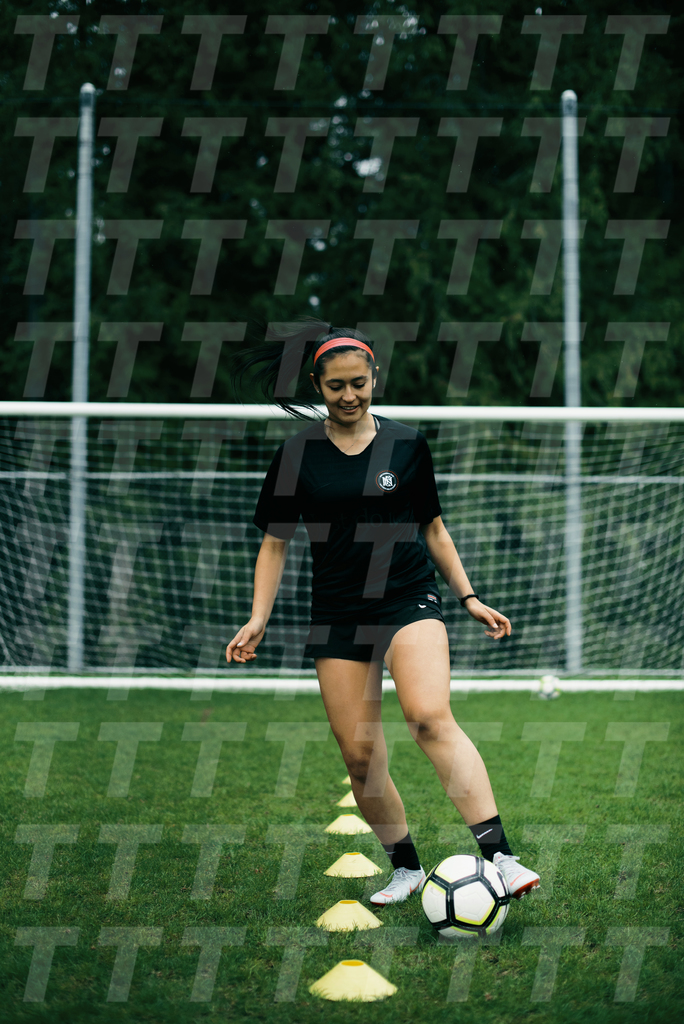
How has your culture/ethnicity, gender played a role in the way you interact with your coach and teammates?
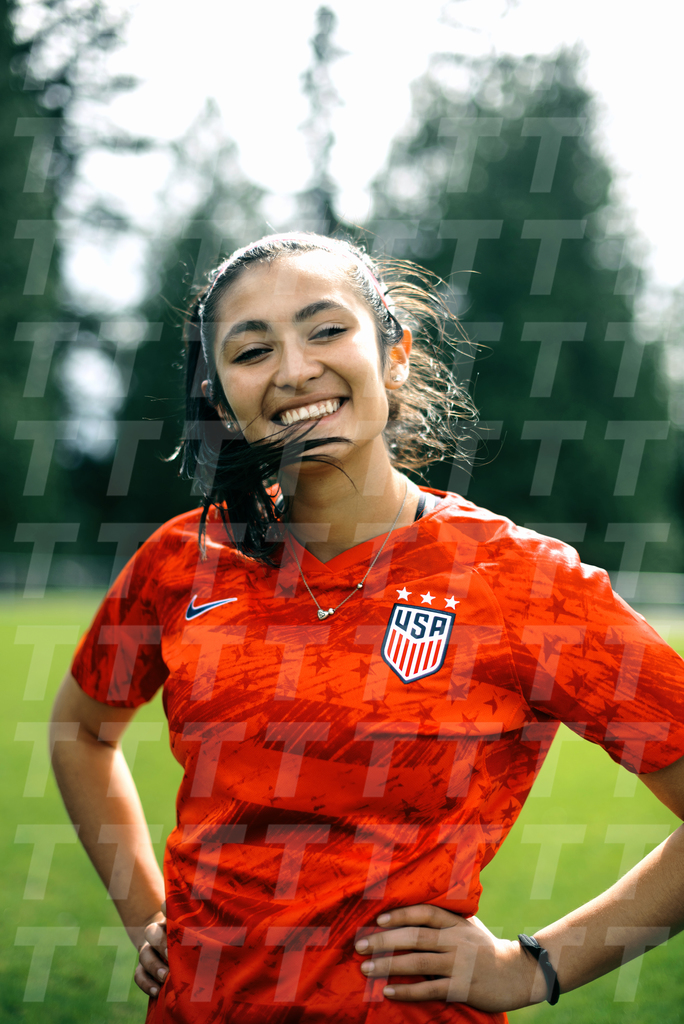
Each team I have been on has been predominantly white, but in all honesty, that hasn’t changed the way I interact with anyone. The only thing that has been a little bit challenging for me would be facing different misconceptions from my teammates. People are always assuming I’m Mexican, or from Puerto Rico. Once I tell them I’m actually Colombian, they almost always think it’s the same thing. After explaining that Colombia is a completely different country, they ask me if I speak Colombian. I know these questions from my teammates and sometimes coaches aren’t meant to be hurtful, people are just curious.
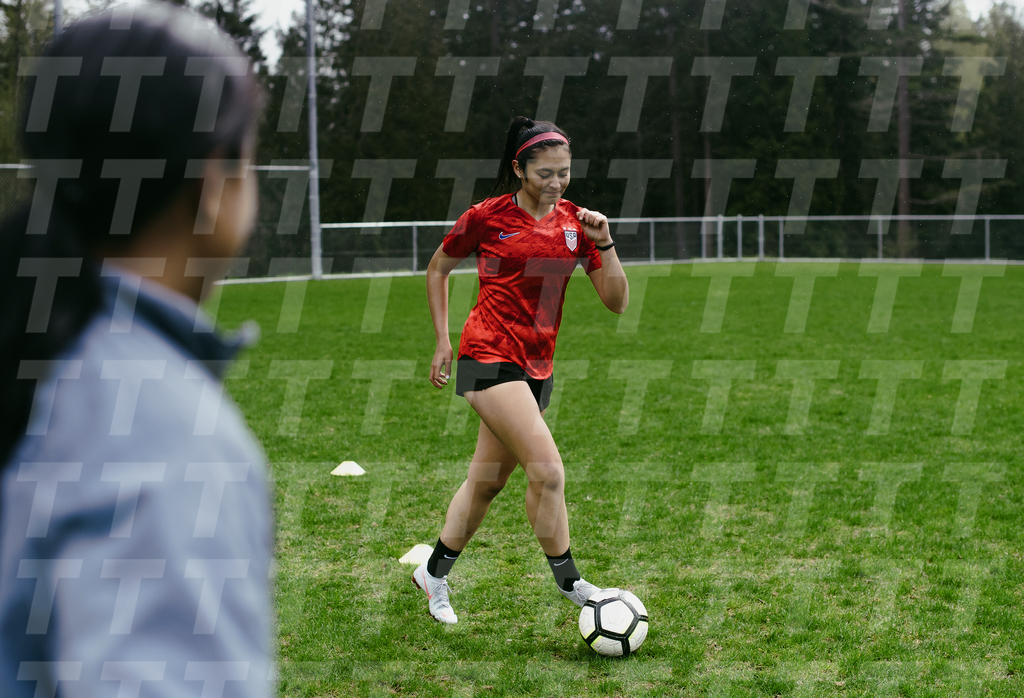
Have you ever had a coach who wasn’t a woman of color? If so, how does the coaching style differ for you having a women of color coach?
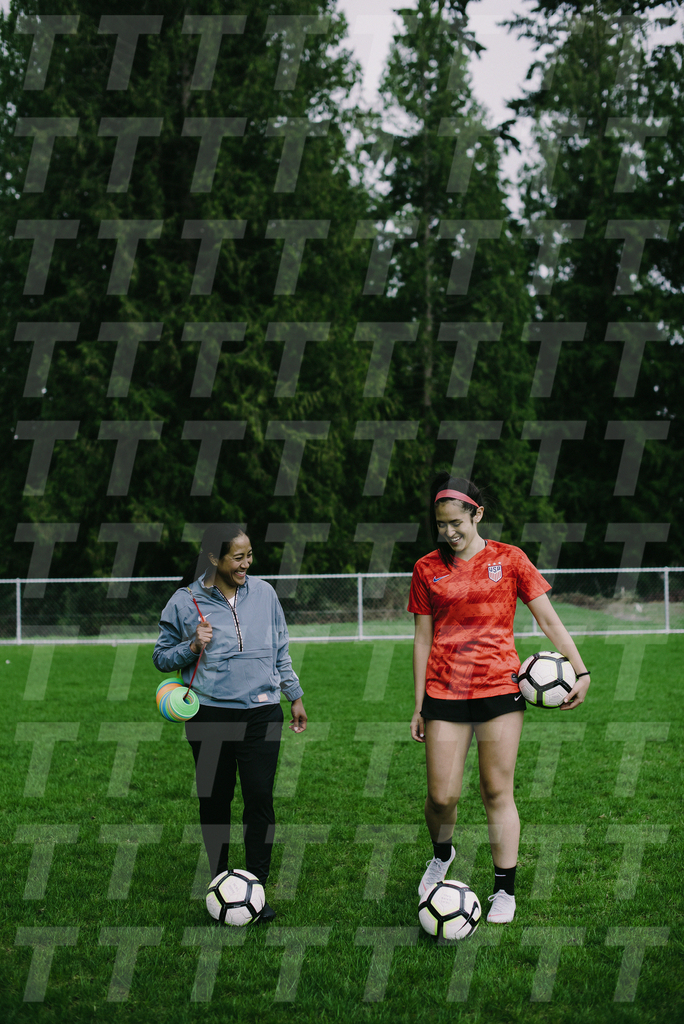
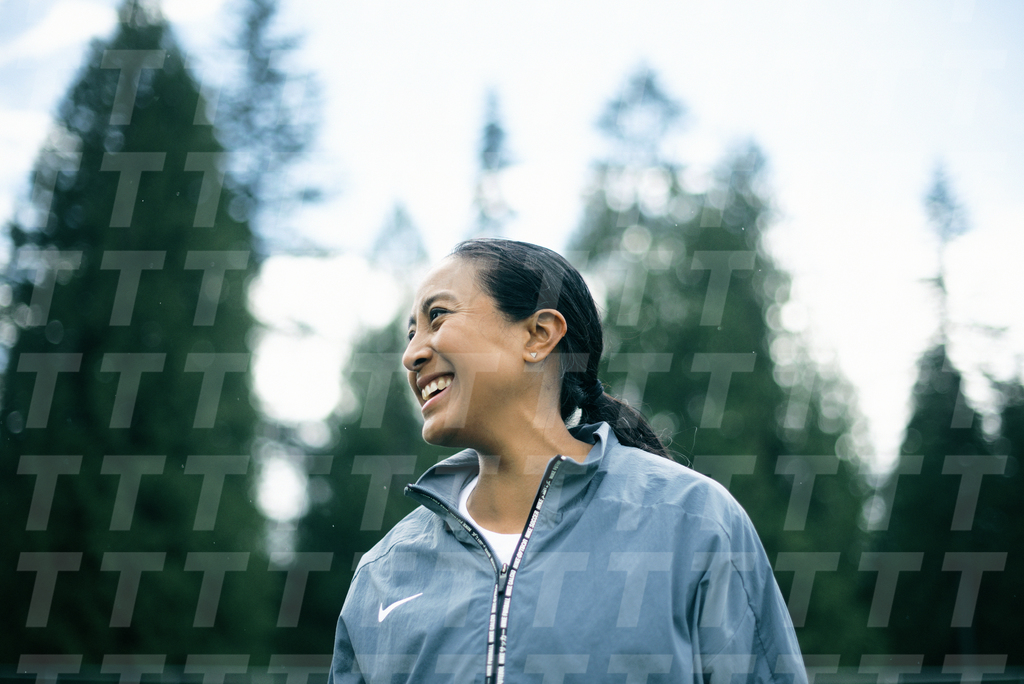
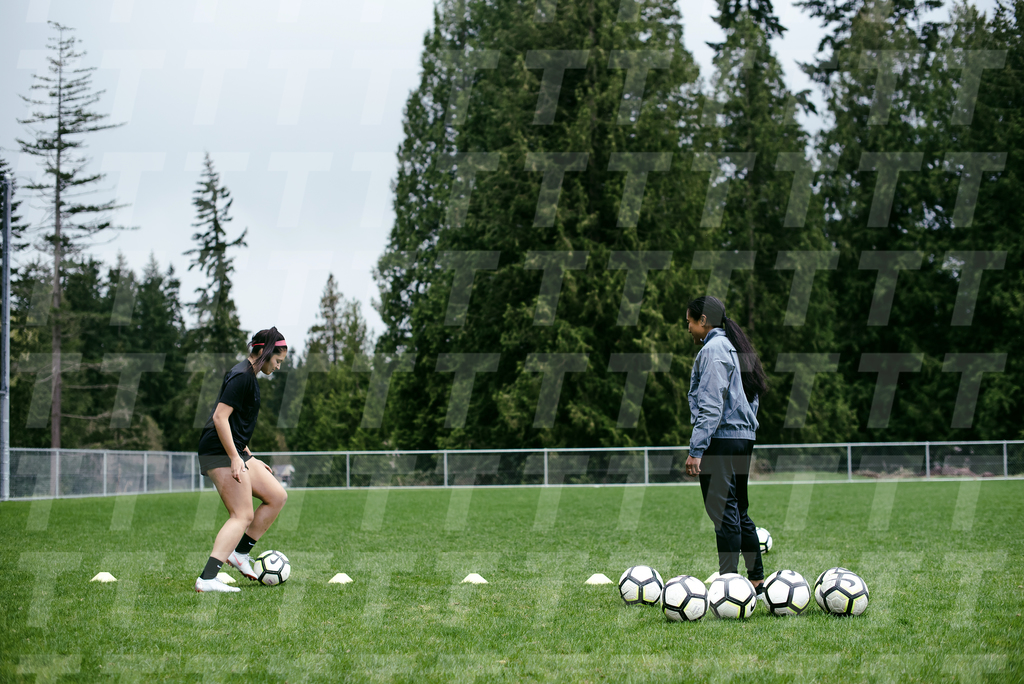
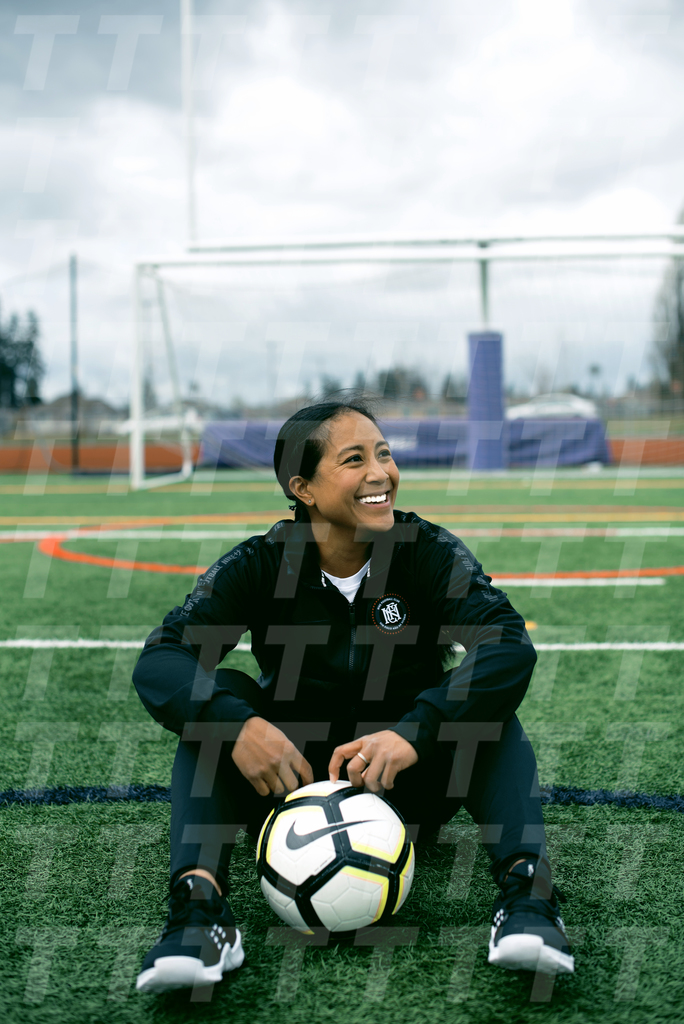
I’ve only had one coach who is a woman of color: Chalise. My previous coaches have all been white men or women. I didn’t really notice a difference until this year, when Chalise was my coach. I felt like I could really relate to her. She is always embracing my ethnicity, whereas other coaches posed similar questions about my background and language as mentioned previously. It made playing the sport I love easier and more fun knowing she really understands me as a person and as a player.
What is a common misconception you wish to dispel as a young, female/femxle soccer player?
People are always saying that females playing sports aren’t as competitive as male athletes. I think this is a huge stereotype that female athletes having been trying to get rid of for a long time. I believe that sports are what you make them out to be. I know from personal experience that female athletes can be some of the most competitive people out there. I think this competitive spirit comes from a history of being told otherwise, which only fuels us to work harder and prove people wrong. I believe that soon, people will regard female athletes with just as much admiration, no matter who the person is, and there will no longer be that stereotype.
What difference has it made for you to have women and/or women of color sports role model growing up?
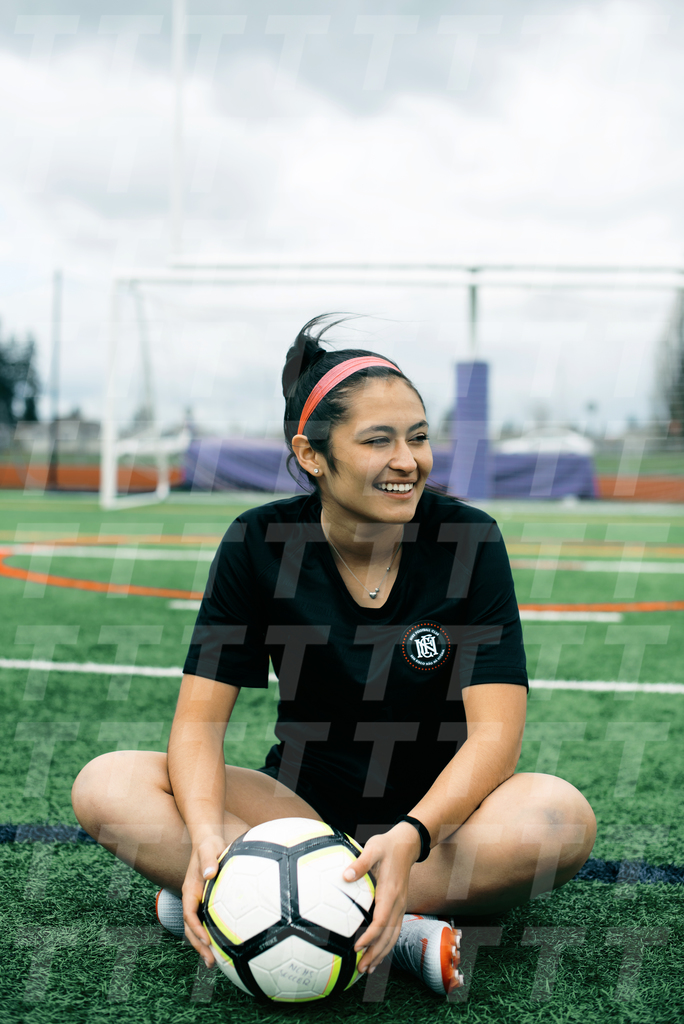
Growing up, I always loved watching stars such as Mia Hamm and Alex Morgan on TV. I thought they were the epitome of what female athletes were. I always wanted to be just like them. Soccer superstars and the classic American model. I never truly felt like I’d be good enough to make it though, as I just didn’t look like them. Once I figured out that other soccer superstars existed, some that weren’t Sports Illustrated models, I realized that just because I don’t look like Alex Morgan, or come from the same places that she does, I can still shine just as bright in my own way. I learned to accept myself as ME.
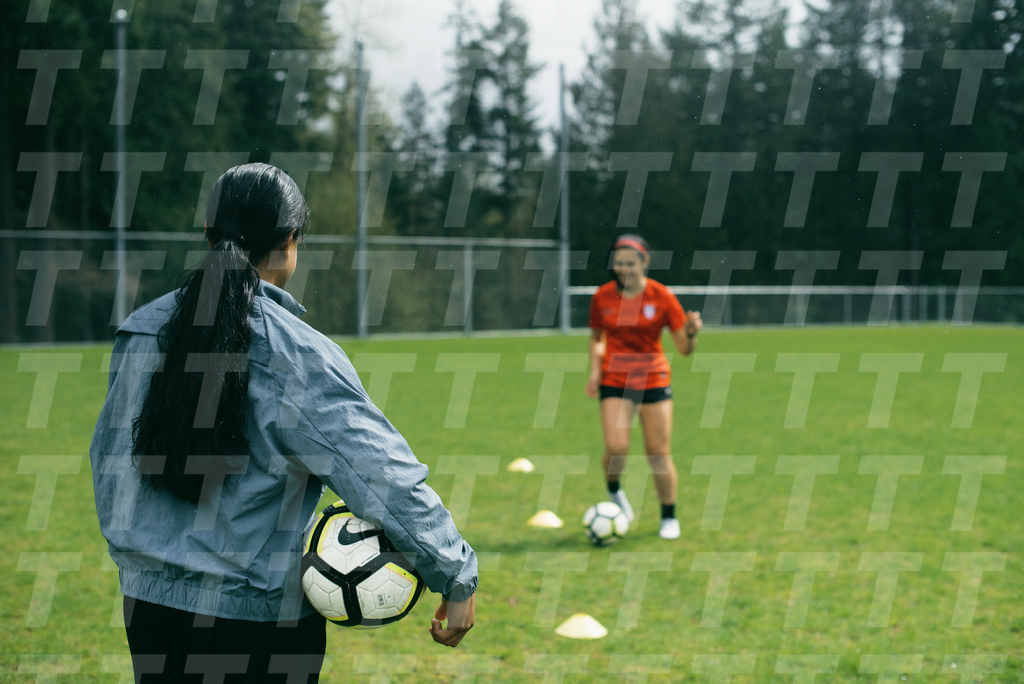
What is your favorite part of your relationship with your coach?
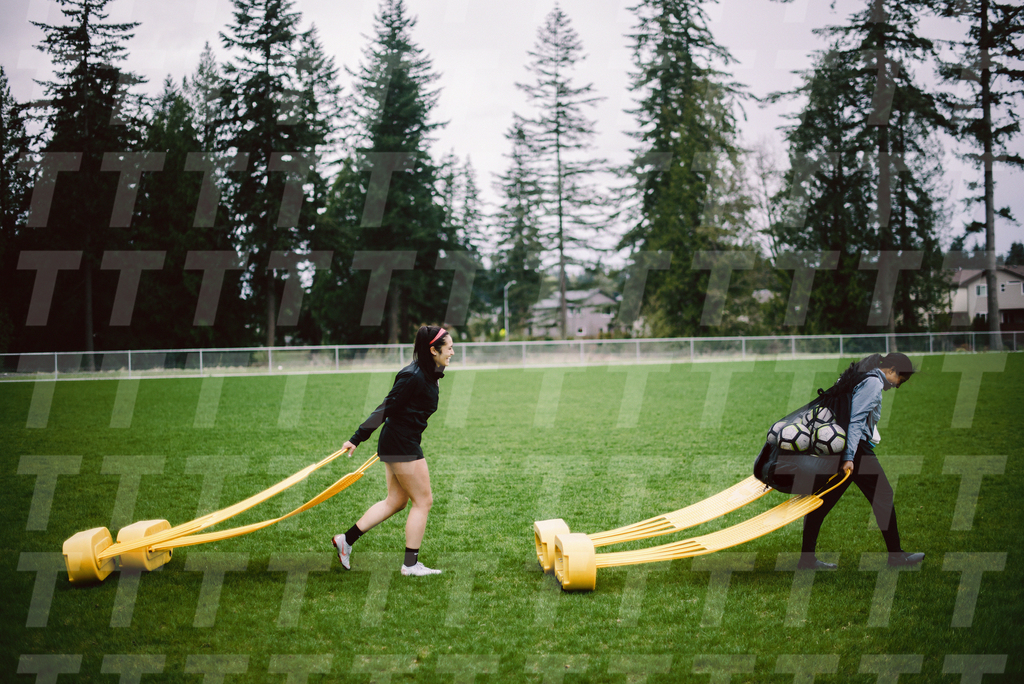
My favorite part of my relationship with Chalise is that she doubles as a best friend. I admire her in every single way possible. She’s a successful soccer player, but also an amazing person. She is honest, and kind, and always genuine. I know that I can tell her anything, it doesn’t have to pertain to soccer, and she will listen to me always and help me get through whatever it is. This is not something that I’ve always had in my coaches. I know all of them have wanted the best for me, but I never felt comfortable coming to them with personal things the way I do with Chalise. I would say that Chalise is one of my biggest role models. Her soccer IQ and career has shown me that I can do great things even while facing adversity, and her character is something I strive to embody every day.