
I Love You Fiercely, Sis: Black Mental Health Month
Like so many Black people, Breonna Taylor’s death hits so close to home that it feels personal. We see ourselves in her shoes, recounting how she could have moved differently to prevent her own death. The insanity of this thought plagues us because we know that there was nothing she did wrong. She is merely a Black person, a Black woman in America. Each time these injustices happen whether it’s George Floyd, Sandra Bland, Philando Castile and the countless others who we tragically lose to wicked cops and loophole laws, we don’t know how to press forward. We grieve for their families and friends and in the case of Breonna Taylor, Black women across the country.

Black Mental Health Month is every September and if there was ever a time to amplify the importance of taking care of your mental state, it is now. Unfortunately, there are still stigmas surrounding mental health in the Black community that prevent Black people from properly expressing themselves and getting the help that they need. In moments such as the tragedy and injustice toward Breonna Taylor, Black therapist Ashley McGirt urges Black people to take care of themselves in spite of the officers involved in her deadly shooting not being indicted for her death. “People need to be gracious with self during this time. A lot of us as people of color, Black people especially, were already expecting this result. This isn’t anything new. We’ve seen it with Trayvon Martin. We’ve seen it so many times, time and time again. I would say, take some time off because it’s still sad. It’s still a blow to our mental health. I’ve seen so many people just crying and upset. So take a mental health day. Be kind to yourself. Spend time with your family, your community and experience Black joy.”
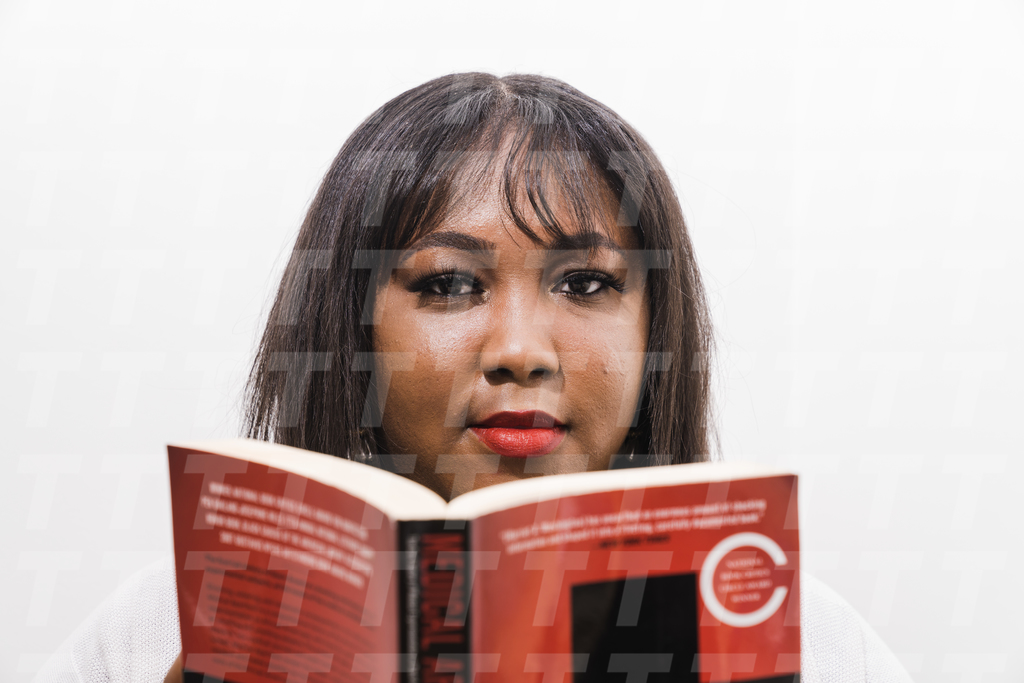
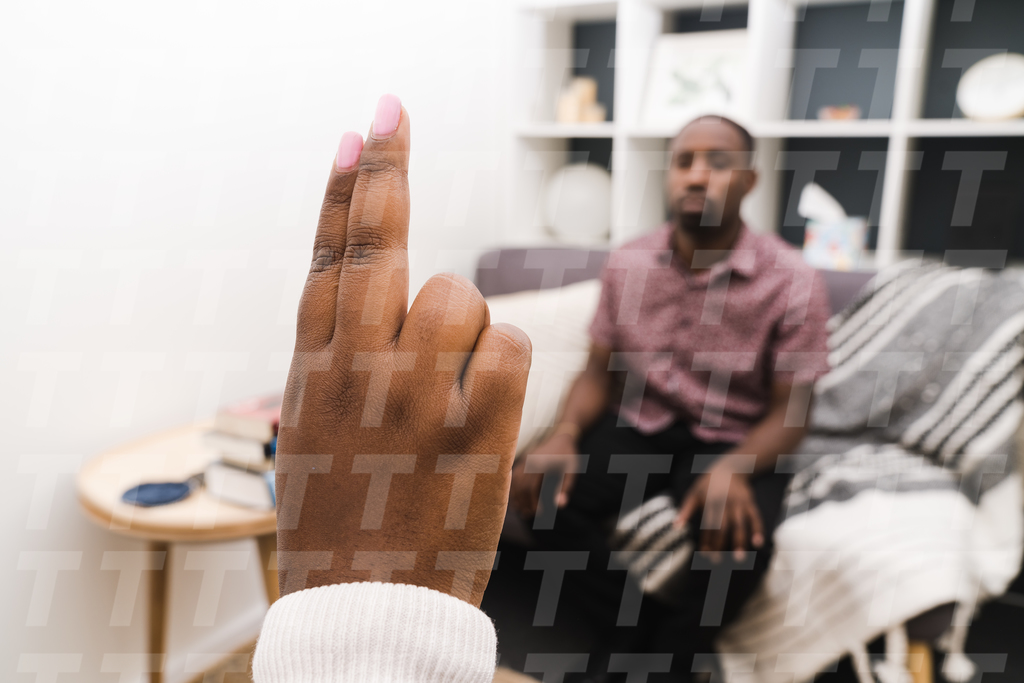
Beyond enveloping yourself in a positive environment, Ashley also encourages healing through therapy, particularly EMDR Therapy. Racial trauma can produce many negative feelings from anxiety to depression. EMDR (Eye Movement Desensitization and Reprocessing) is a psychotherapy that helps people to heal from the symptoms and emotional distress that are the result of troubling life experiences like the constant racial injustices being televised and circulated throughout the Internet. According to EMDR Institute, Inc “studies show that by using EMDR therapy people can experience the benefits of psychotherapy that once took years to make a difference. It is widely assumed that severe emotional pain requires a long time to heal. EMDR therapy shows that the mind can in fact heal from psychological trauma much as the body recovers from physical trauma.”
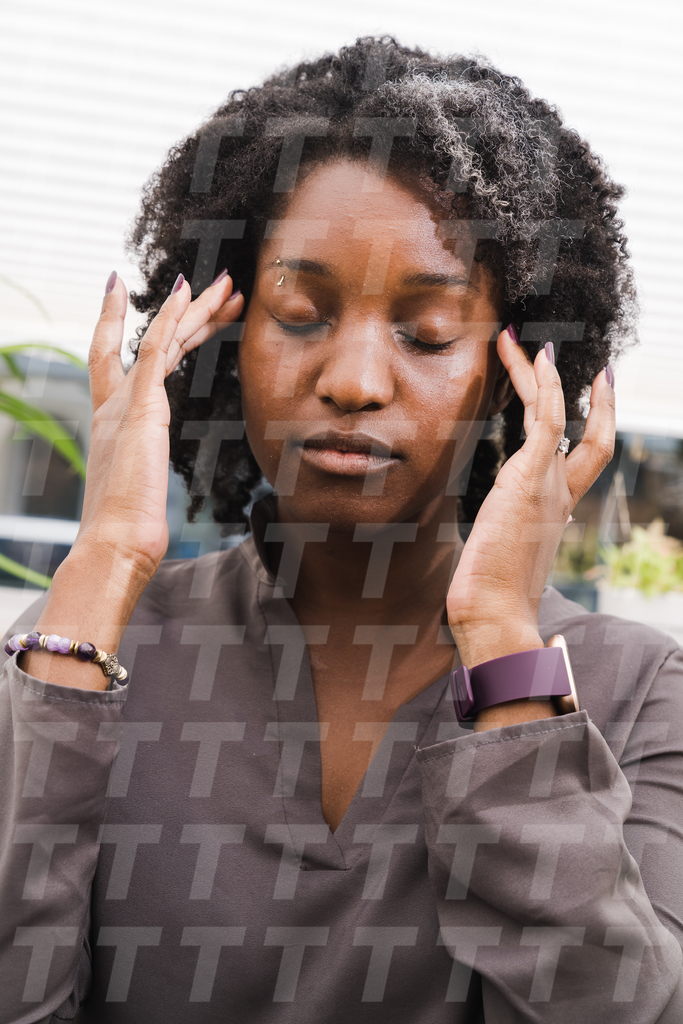
While EMDR is the most effective way to heal trauma, other more immediate techniques can be deployed when feeling things like anxiety. “ I am seeing so many people suffering from anxiety and panic attacks especially now this season,” Ashley shares. “I work with clients who suffer from debilitating anxiety and it can be challenging especially when our own brains seemingly control us”. There are many things that can be done to snap out of these severe mental and emotional states, but Ashley particularly loves a technique called “tapping”. “Tapping is my favorite for alleviating anxiety. It’s an emotional freedom technique.” Similar to how acupuncture uses needles to apply pressure to energy points, EFT uses fingertip tapping to apply pressure (source: Healthline). Tapping helps you access your body’s energy and sends signals to the portion of your brain that controls stress. This stimulation reduces the stress/negative emotion that you’re feeling which in turn restores balance to your compromised energy.
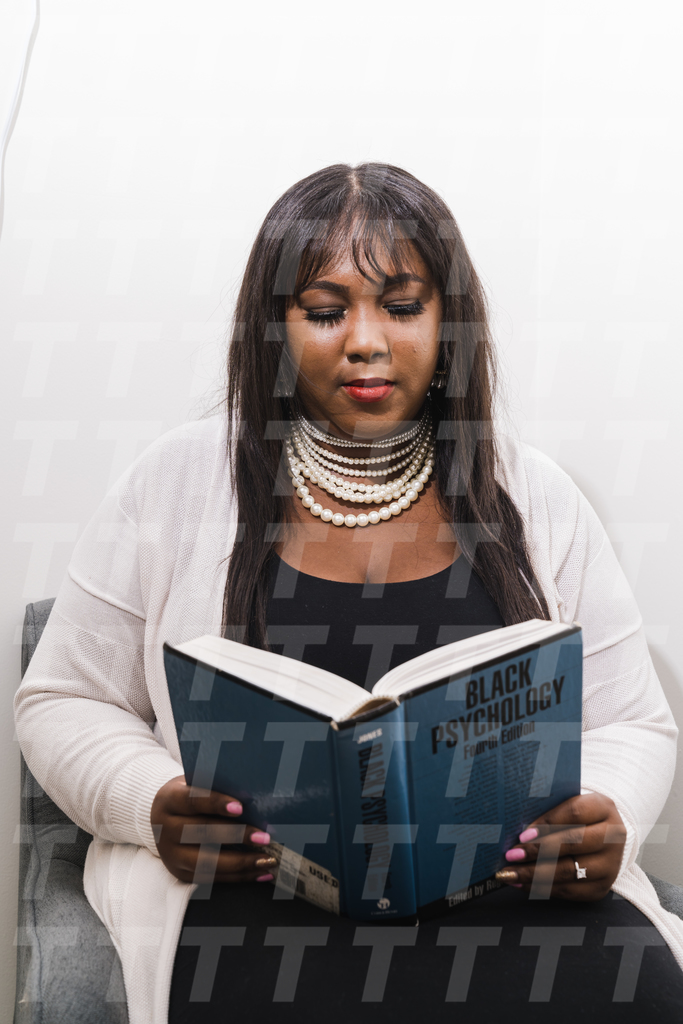
Ashley also suggests identifying your triggers and cognitive behavior therapy. “I get mild anxiety so walking and tapping will help me. When I had a panic attack and couldn’t tap or go for a walk, my fiancé just held me and the human contact helped me snap out of it.” For you, it might be deactivating your social media platforms as you know those are triggers or reading a book or putting on a movie to distract your mind when that anxious feeling starts to creep in.
Ultimately, the unfortunate events happening around us from the past and present, have a direct impact on our future in the form of our health. Although being strong is culturally pushed upon so many Black people and people of color, the greatest way to show your strength is to get the help you need to properly heal. Stigmas, money and access should no longer be barriers to these necessary forms of help that Ashley started the Washington Therapy Fund to support Black mental wellness for those in Washington in response to the incessant police brutality and anti-blackness. Other organizations have stepped up across the nation to offer this sort of help so do your research to see what cities nearby are willing to help. If you’re interested in being a donor or recipient of the Washington Therapy fund, visit watherapyfund.com/donate
All in all, your mental health matters. Black mental health matters. To the Black women particularly suffering emotionally today, in the words of activist and trailblazer, Brittany Packnett Cunningham, “I love you fiercely, sis.”
We will get through this. We always do.