In the Kitchen With Abuela
As Hispanic Heritage Month comes to a close, we wanted to take you inside the kitchen of la hija grande, Denise Aguilar y su Abuela as an extension of our "Dinner Party" Narrative Series. Hear from Denise, a proud Afro Latina grandaughter, as she recounts her past growing up in America but spending many summers in Colombia where most of her family resides. We will also learn about one of her favorite dishes she makes with her Grandma that makes her feel right at home whether she is in Newark, NJ where she grew up or Seattle, WA where she currently resides.
-------
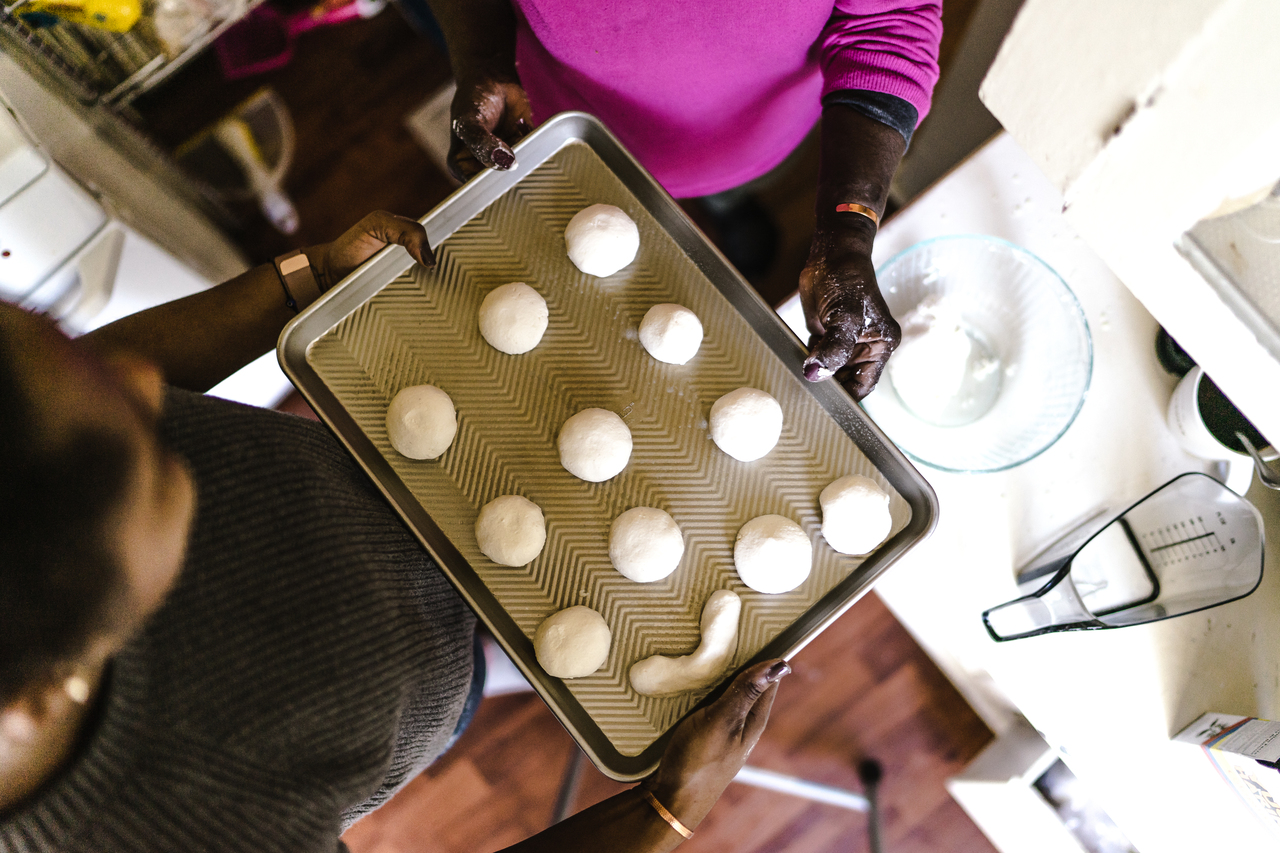
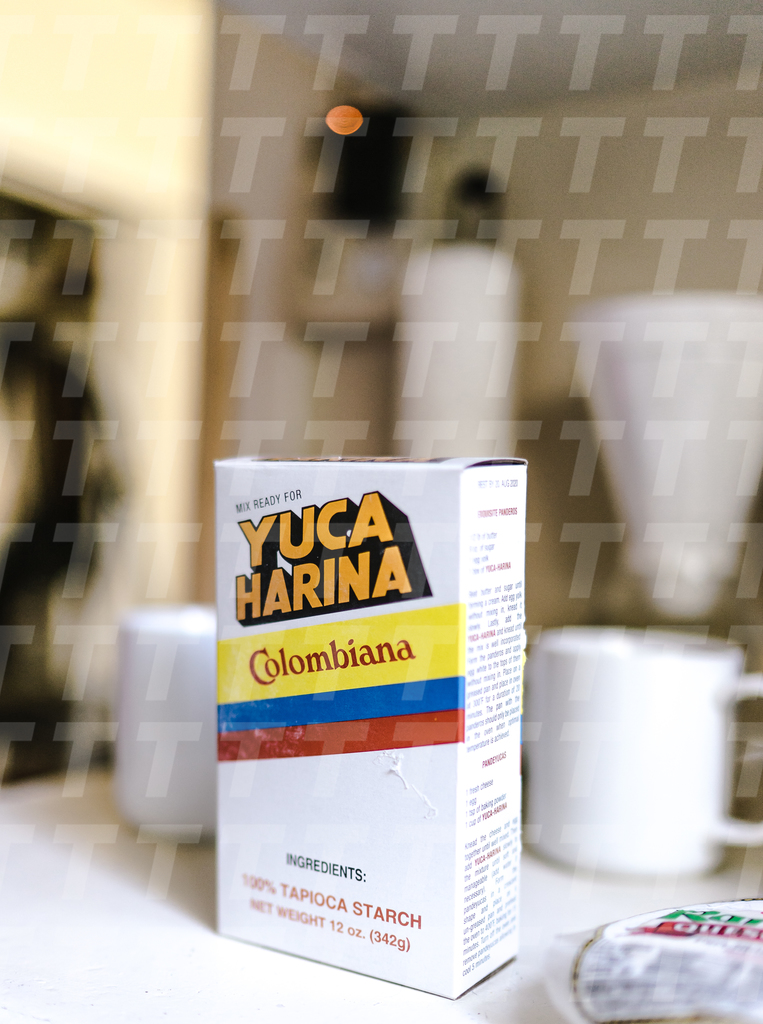
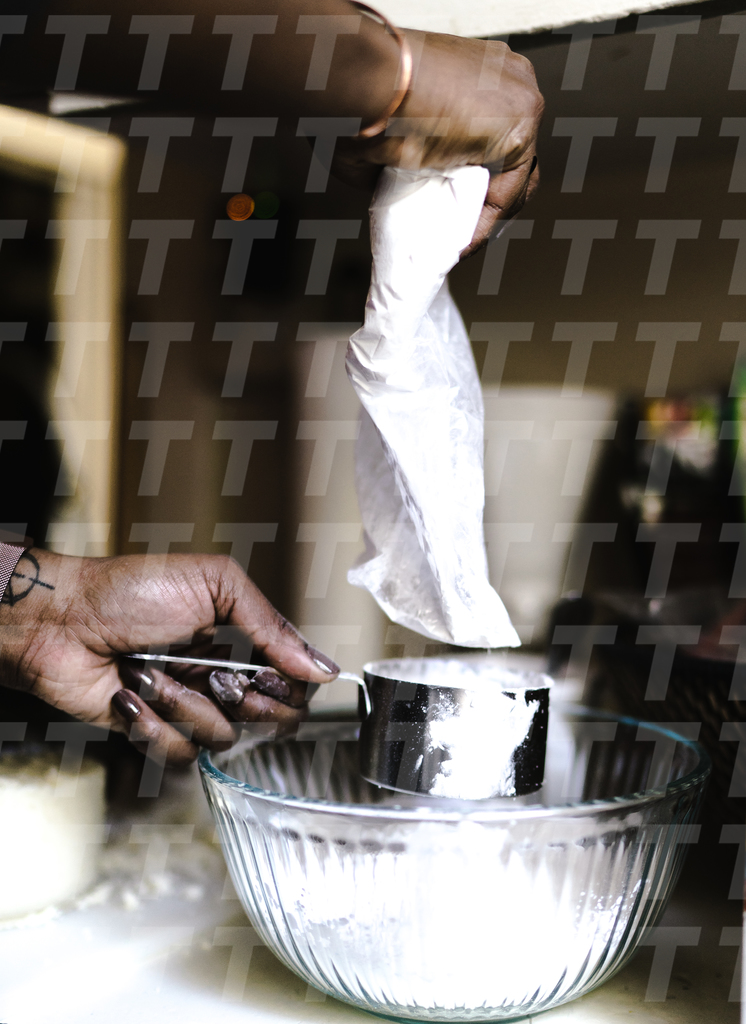
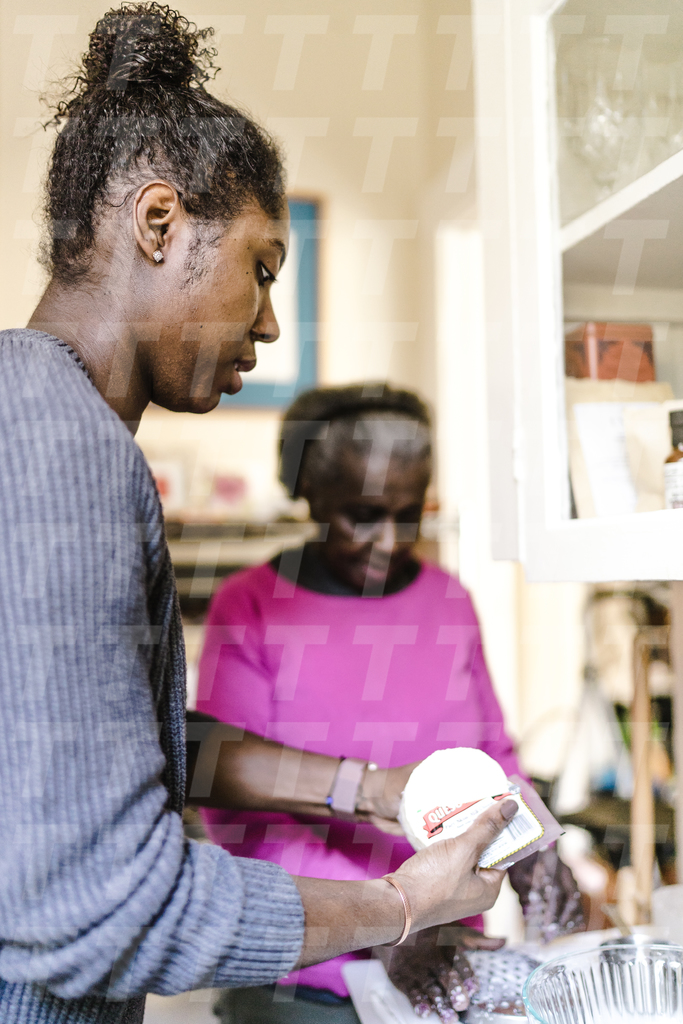
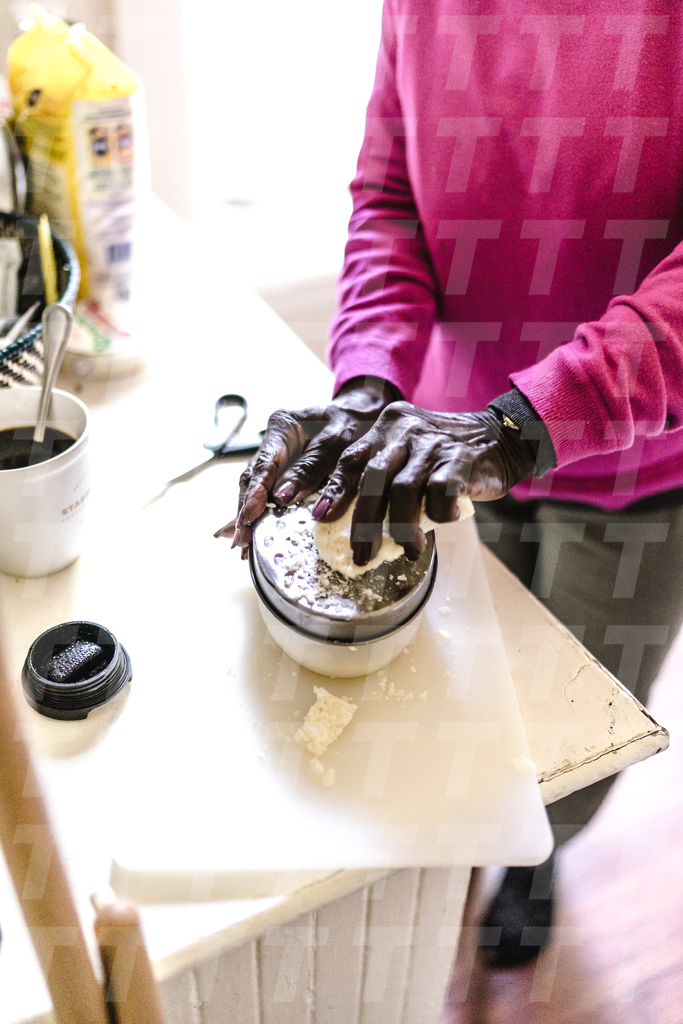
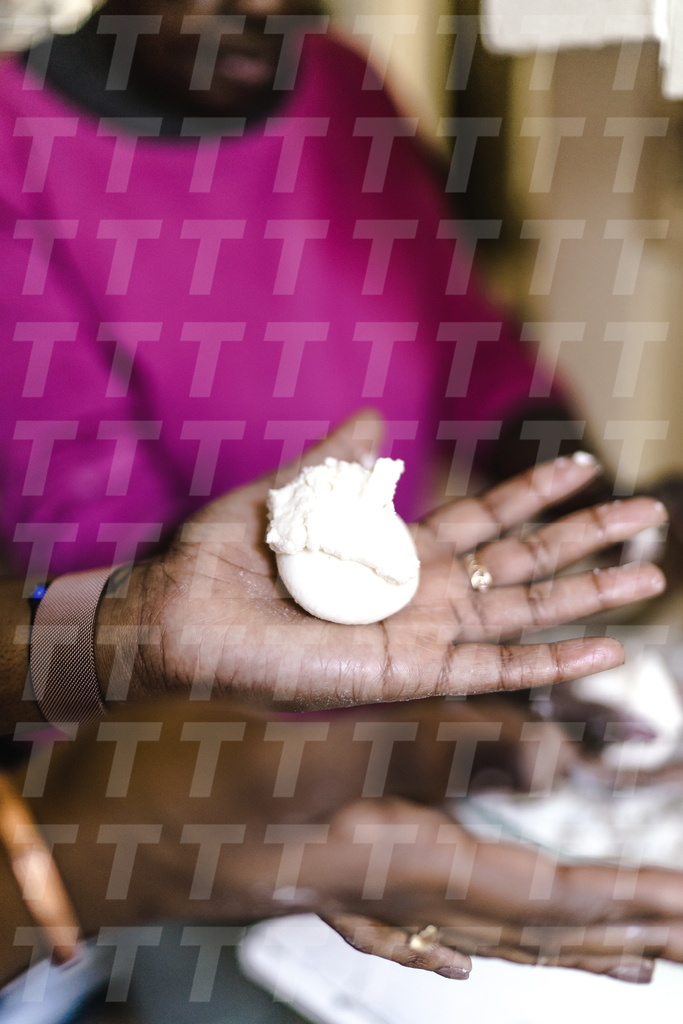
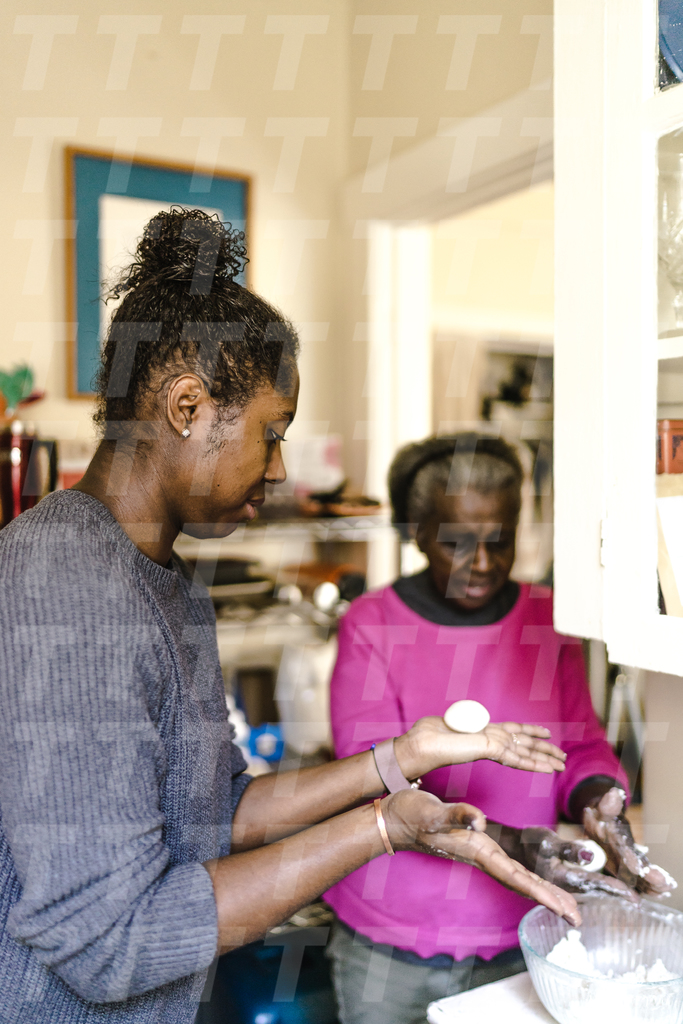
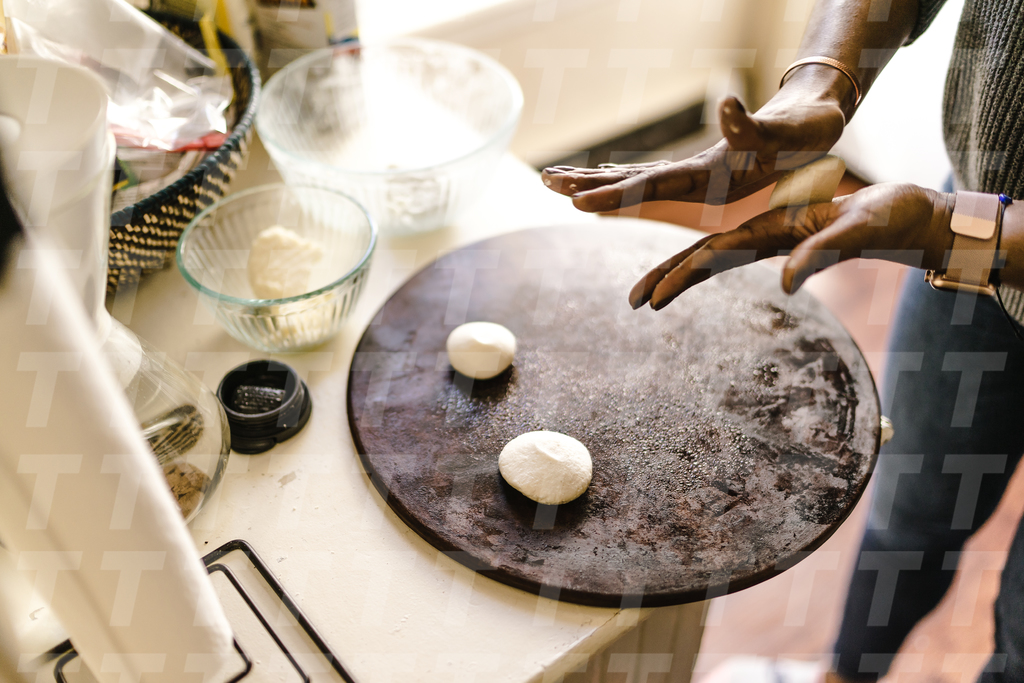
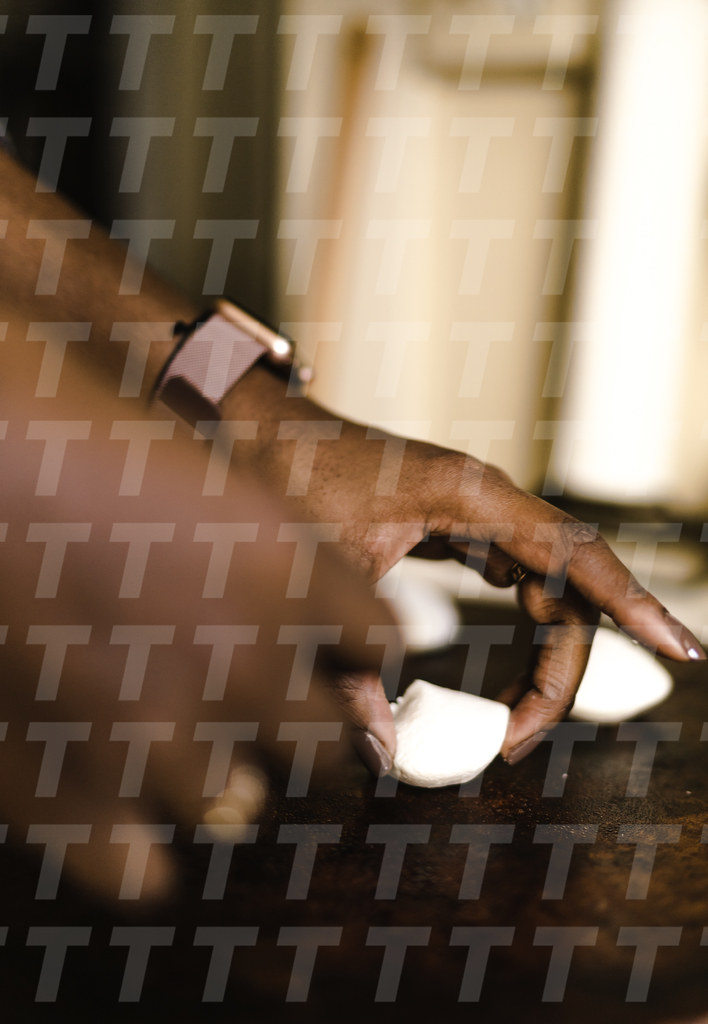
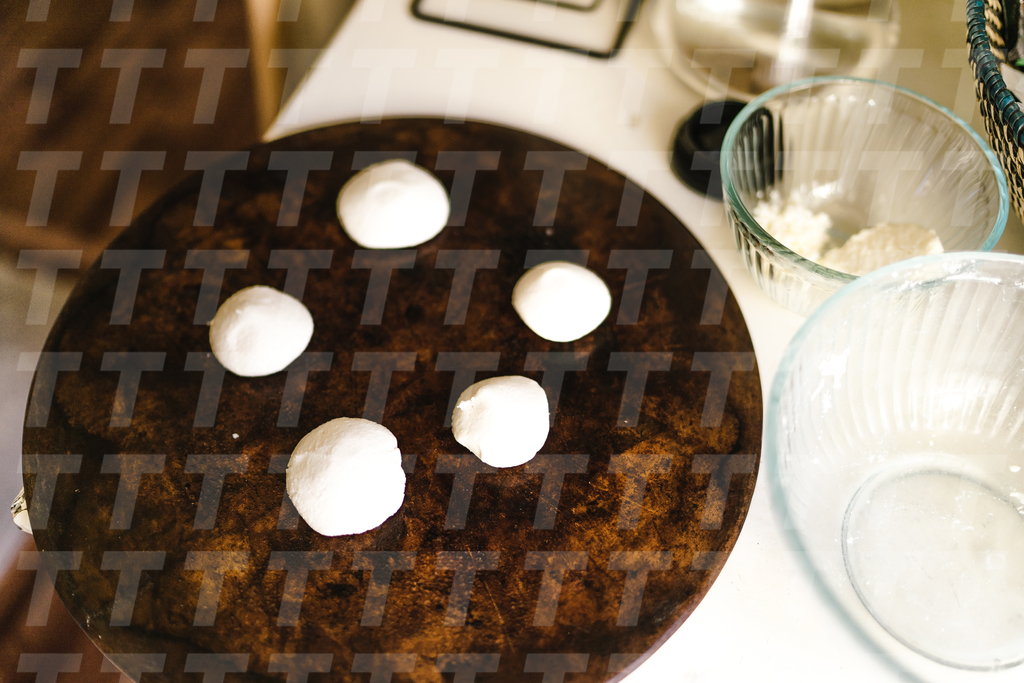
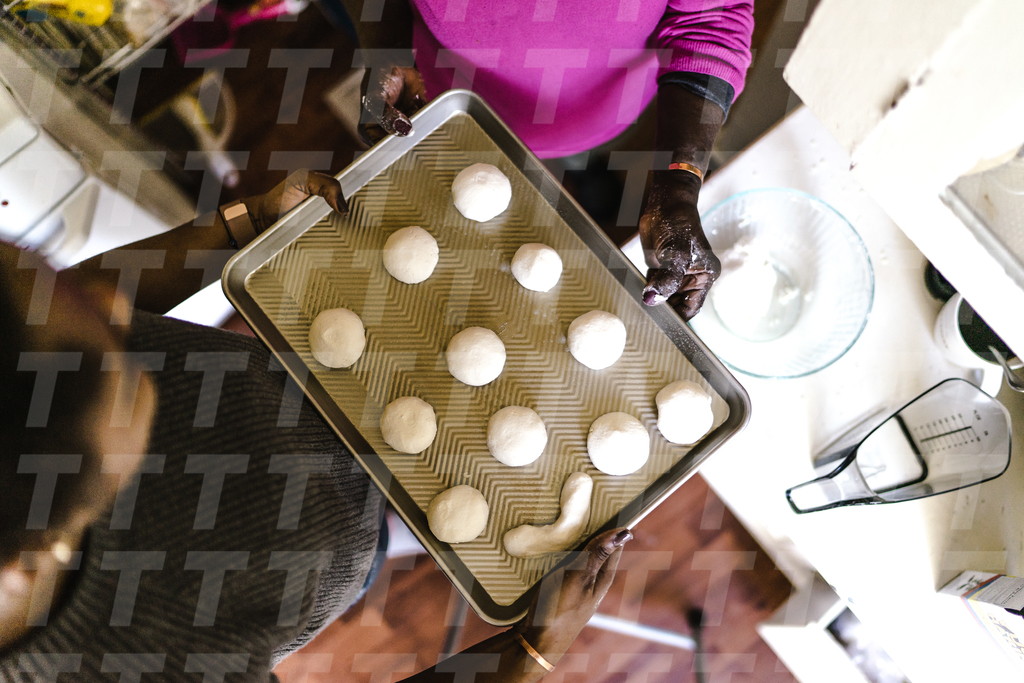
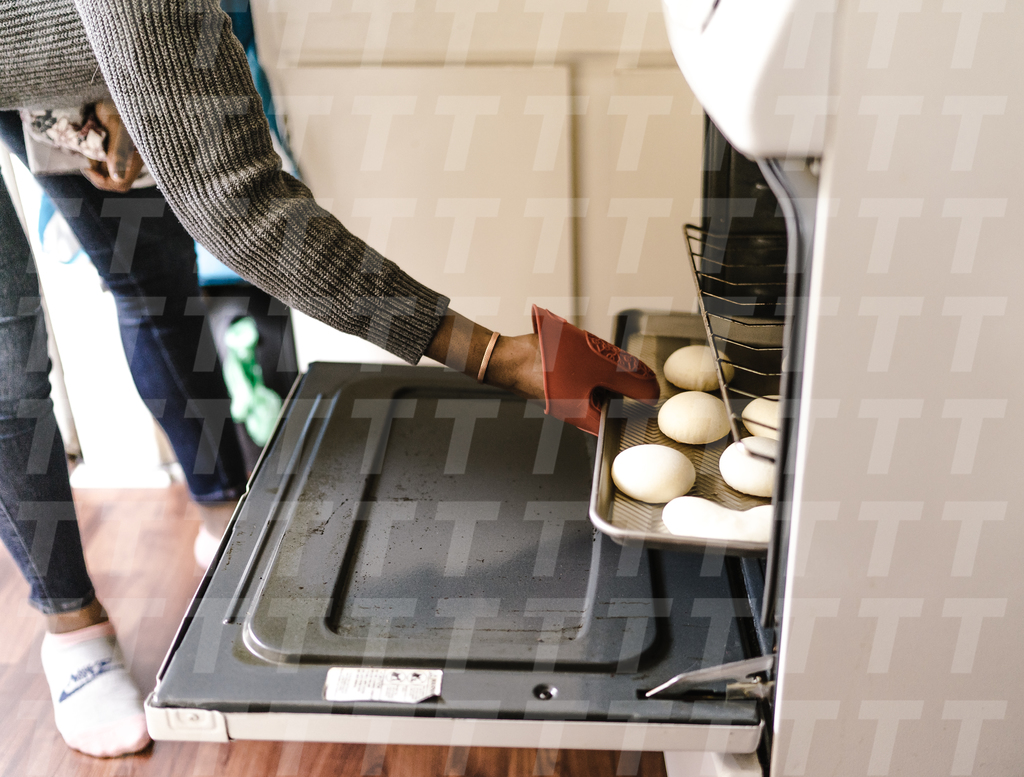
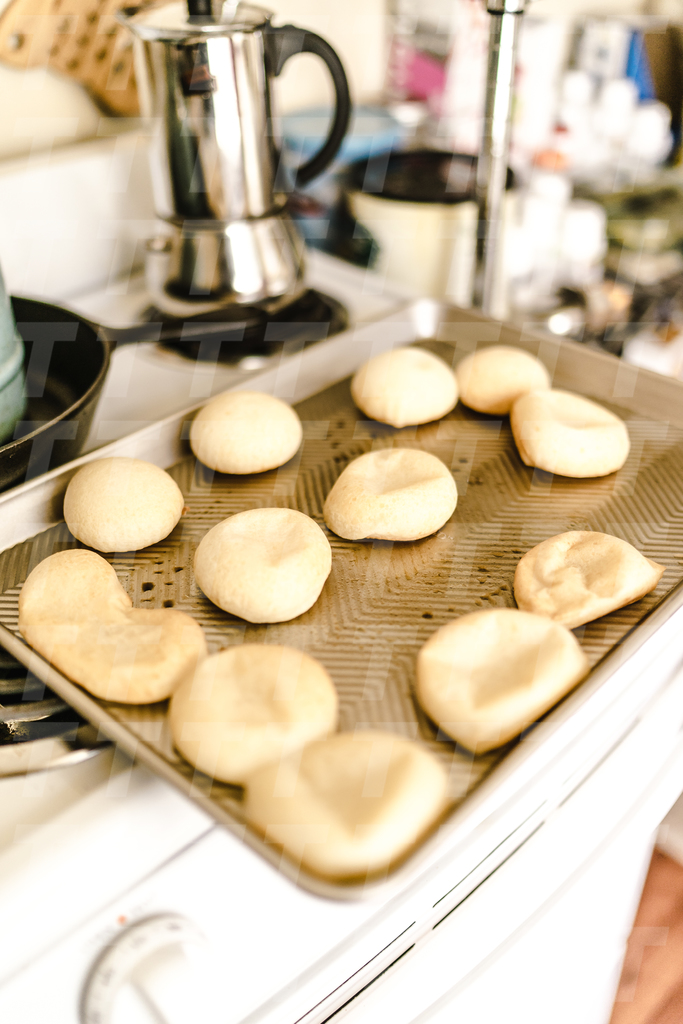
This past year, I was grateful for the opportunity to have my Grandmother (Alfonsina Foster) visit me in Seattle. She decided to teach me how to make Almojábanas the same way her Mother taught her. Almojábanas is cheesy bread typically eaten in the morning with fresh brewed espresso or hot chocolate with Colombian white cheese. Almojábana consists of Masarepa or pre-cooked white cornmeal, quest fresco or cuajada, butter, baking powder, salt, eggs and milk.
I am the daughter of immigrants. Who moved to another land for the hope of a new life. Searching for a chance to fulfill their dreams.
As early, as I could remember it has been very clear that I understood where I come from. That my culture would be a value I hold dear. Growing up in a Colombian household in Newark, NJ, I have sentimental memories of waking up in the morning to the smell of freshly brewed stovetop espresso and listening to the musical sounds of Vallenato. My Mother- Martha Aguilar- loves listening to Vallenato. I would always comment that the type of music is so depressing, but hey, it keeps her happy. I also remember while attending private school, ironing my clothes EVERY morning and for lunch instead of packing a wonder bread sandwich with Bologna, an Apple, and a Capri Sun, instead I would have packed a whole wheat sandwich made with Pernil, Grosellas- which are small berries, and a Capri Sun. It would be a special day if I ate a bologna sandwich. What I found most interesting, especially for dinner was that rice was eaten with everything. With soup like Sancocho with chicken feet or pasta! Rice was even included in that meal. Eventually we kicked the rice habit, at least with pasta. Carb on Carb was a bit much after a while.
The moment I had a better understanding of my Hispanic heritage was during my first summer away from my Mom. At the young age of 5, a lot of my American friends in NJ were about to attend summer camp for the first time but for me, my Mom decided to allow me to travel to Colombia with my teenage uncle. There, I was able to meet my Grandmother’s 11 other siblings, learn family traditions, learn how to read, write, and be fluent in Spanish and more. Since then, for the most part, I have spent every summer and celebrated numerous birthdays in South America. I assumed that it was normal to spend entire summers abroad. Turns out that is not the case. Every year when I returned in September, I lost a chunk of how to speak proper English, unaware of 3+ months of pop culture, or missed the hot new rollercoaster at Six Flags. Simply to say, I was always lost. Lost in the United States because I missed three months of culture or lost in Colombia because 9 months of culture had also been missed. Through that experience, I found connection on a deeper level with other first-generation kids who specifically had to leave the United States over the summer not because it was glamorous but because that was the cheaper option for parents. I had no idea that summer camp was so expensive compared to flying a child to a Latin country and letting the aunts and uncles accompany a kid for 3 months.
There is so much commonality within the community of Latinx first-generation kids. For example, most of us checked off the boxes of what it means to be good Catholic Latinx which typically consists of completing your Baptism, Communion, and Confirmation, learning how to cook one meal, and knowing how to dance Salsa. Also, learning how to speak fluently in the secret language of Spanglish. What I love about Spanglish is that, again for the most part- I know I am generalizing- is that Spanish is learned in the home and everything else in school, which is in English. Therefore, when my friends would get in to spitfire conversations, some terms were best said in the language we learned it in. Till this day, it is difficult to describe certain terms only because it was learned in different languages.
As a self-identifying Afro-Latina, my heritage means to me that I am a product of various races and cultures. All wrapped up from Indigenous Native Americans, to Nigerian, to Spaniards, I am a product of South American history. That responsibility now lies on me for the continuation of traditions, such as recipes that pertain directly to my family: The Aguilar family. It is so important for the preservation of what makes us unique, as well as, understanding the sacrifices that were made to get me where I am today.
To shop the rest of the collection, search "In the Kitchen With Abuela".