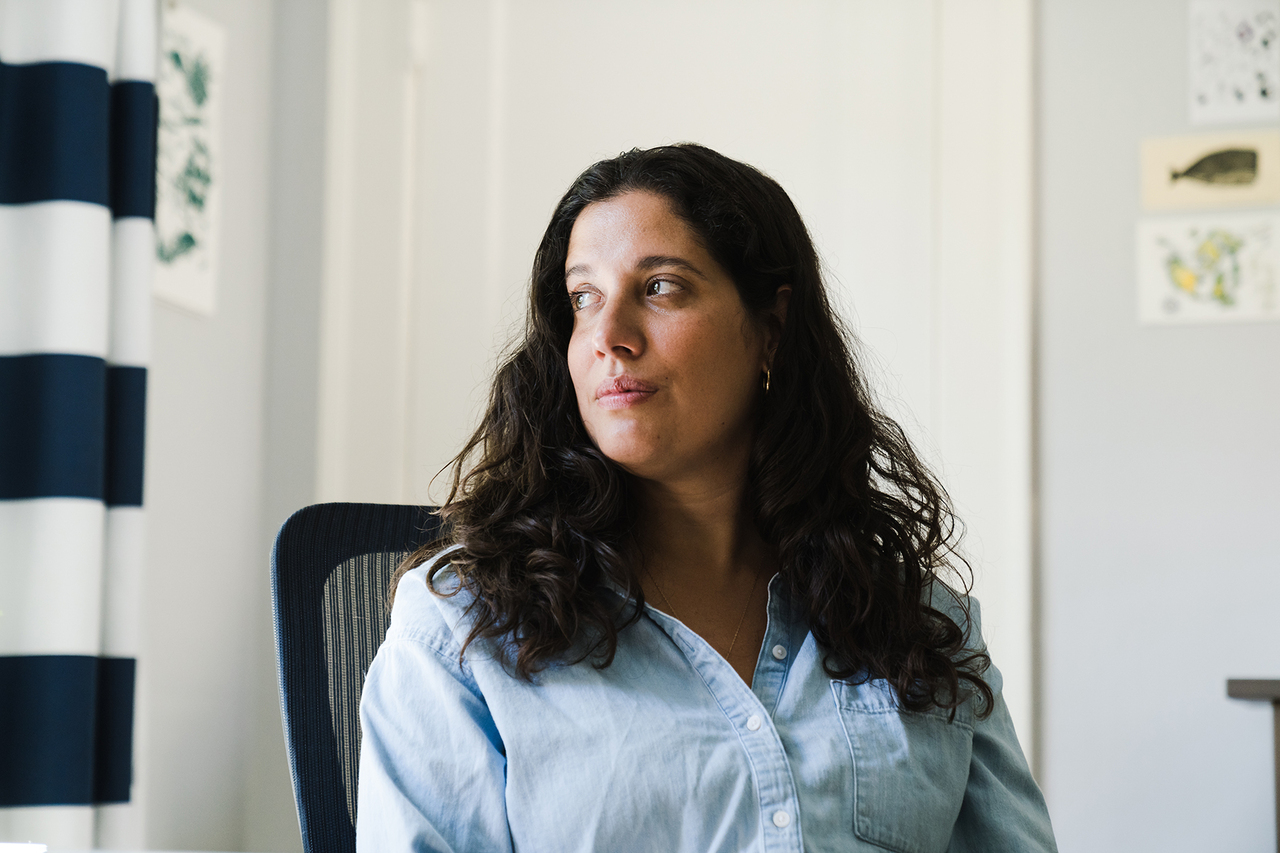
Latinx Heritage Month: Susi Collins-Leading A Multicultural Household
With Latinx Heritage Month underway, it’s a time to reflect on the incredible Latinx community that has contributed their rich culture and work ethic into the US fabric. This month we celebrate the unique spectrum of Latinx individuals like Susi Collins. In the Hispanic household, mothers are the center - the glue that holds everything together. They are an integral part of the child-rearing that happens in the home. But, besides being an active mother in her two son’s lives and a loving wife to her husband, Susi is a Diversity, Equity, and Inclusion (DEI) Leader at Amazon Web Services (AWS). Prior to joining AWS, Susi held roles in DEI with Nordstrom and the Bill & Melinda Gates Foundation. Susi's work is grounded in centering the experiences of historically underrepresented communities and those with intersectional identities to achieve equity.
Susi received a Master of Nonprofit Administration from University of San Francisco and a certificate from Cornell University in Diversity & Inclusion. She recently finished a three-year board service with Northwest Immigrant Rights Project and has participated in fellowship programs with the Latino and Society Program at the Aspen Institute, Hispanics in Philanthropy and Salzburg Global Seminar. She is originally from Lima, Peru and lives in Seattle with her multicultural family. We sat down with Susi to capture her dynamic life tapping into the best parts of her culture, her journey to the United States, raising children with two cultures and her vision for DEI across sectors. Read the full convo below!
TONL: Can you tell us a little bit more about your experience growing up in Peru? What makes it unique and different to other Latin countries?
Susi: Both my mom and dad come from large families so I grew up spending lots of time with relatives during Sunday barbeques, birthday celebrations, summers at my cousins’ beach house, and having “lonche” with family and friends (tea time in Peru with delicious Peruvian sweets like alfajores, maná, pie de limón among other homemade treats.) I attended the same school from first grade through high school with the same group of thirty students, which created an amazing sense of community. The school is named “Reyes Rojos” and was founded in 1978 with the goal of bringing an alternative and progressive lens to the education system focused on empathy building and inclusion. I have not been to too many Latin American countries but I believe my experience growing up in Peru was unique because of my early exposure to the arts, outdoors, food, culture, and the influence from relatives living abroad.
TONL: When you immigrated to the US, how were you treated? Good, bad...different?
Susi: When I immigrated to the US in 2004 I barely spoke English and was not very aware of American culture (aside from what I consumed through media and what I had heard from relatives in the US who would occasionally visit us in Lima). Although I did not know what exactly was happening as a new immigrant, there were some power dynamics and microaggressions that I encountered early on. My partner Shane is my biggest advocate and has helped me understand American culture and subcultures over the past 17 years. He has always encouraged me to speak up if people judge me because of my race/ethnicity and accent. Looking back, I think that some people (mainly the ones that did not take the time to get to know me) treated me differently because of their own assumptions or biases around Latinx women and immigrants. Overtime, I have learned how to overcome and challenge those biases and I now feel very comfortable in my identity as Latinx woman “sin pelos en la lengua” (without mincing words). As an immigrant in the US, I have also met people from across the country in the places where I have lived (Glens Fall, NY, San Francisco, CA, and Seattle, WA) and the 25+ states I have visited, who have opened their hearts and arms and made me feel like I belong from day one. I continue to cherish those relationships and try to role model those behaviors as I meet new people.
TONL: Tell us about your favorite Peruvian dish. What favorite restaurant do you go to in the US to get a taste of home?
Susi: Peru’s rich cuisine makes the country super unique and renowned across Latin America. The dishes that I ate throughout my childhood until I immigrated to the US were just amazing. Because of Peru’s diversity of landscape and abundance of natural resources, we have an incredible array of foods, which can be categorized into three main regions: the coast, the mountains, and the rainforest. One of my favorite Peruvian dishes (and one that I know how to make!) is Papa a la Huancaina—boiled yellow potatoes with a creamy cheesy sauce. My favorite Peruvian restaurant is La Mar Cebicheria Peruana in Miami. My friend and fellow Peruvian Diego Oka (@diegooka) is the Executive Chef. They have the best causitas and pisco sours. I was there for a business dinner in early 2020 and can’t wait to return once it’s safe to travel!

TONL: What is the typical role of a Latina mother?
Susi: I don’t like to assume we are all the same. I hold a high level of privilege as a Latinx immigrant and I know my experience is very different than other immigrants. Something that is unique across my group of friends and colleagues but common among the Latinx community is that my mom lives with me. She is an amazing mom who has helped me and my partner focus on our busy professional careers (I work as a Diversity, Equity & Inclusion leader for a tech company and my partner is a physician completing his residency in psychiatry.) She has helped us raise our son Oliver (6) and Joaquin (1) and provides an incredible amount of love and care towards our boys.
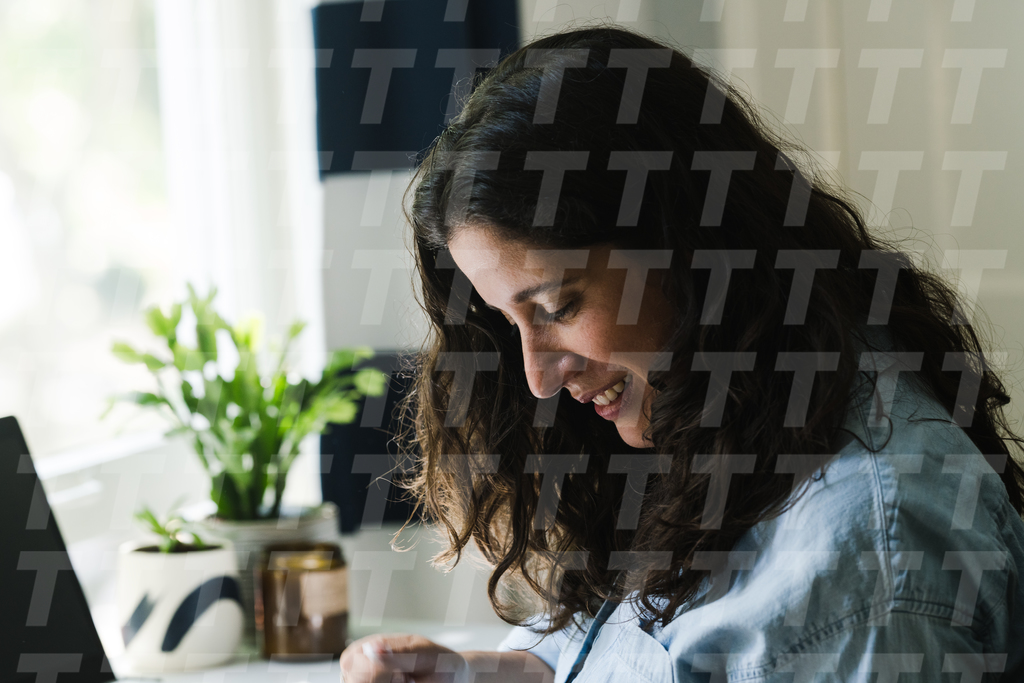
TONL: Raising your children in a multicultural household can likely be challenging. How are you teaching your kids to preserve both the cultures that they were born into?
Susi: The main source of transferring my Peruvian culture and traditions is having my mom living with us. She speaks to the kids in Spanish, cooks quinoa (Peru’s mother grain) almost every day, and often hangs out with us and my sister who also lives in Seattle during the weekends. My partner, Shane, is a US-born white guy from Upstate NY. He loves traditions, so every year in the fall we go to the apple farm, pumpkin farm/corn maze, and have a vegetarian feast during Thanksgiving (in that order). The kids are very aware of their cultural background and the beautiful diversity they bring with them anywhere they go. We have raised them to see and appreciate color, and to understand the privileges they hold. I love having a multicultural household!

TONL: What progress in DEI are you seeing the most?
Susi: Across organizations DEI has been prioritized and integrated in the business as a way to respond to the social justice and Black Lives Matter movement in the US. I wish we didn’t have to wait until things are as bad as they are now to make this shift, but we are certainly experiencing a new way of working across DEI.
Organizations across sectors are looking to create systemic change and are increasingly working to transform organizational cultures through applying racial equity and intersectional lens. As a DEI practitioner, I feel encouraged by the progress I am seeing and at the same time, as a woman of color, I know there is a long way to go before all marginalized groups are given the same access and opportunities as the dominant culture. Some of the progress I am seeing is the hiring and promotion of Black, Indigenous, and People of Color (BIPOC); the representation of diverse folks across conferences, podcasts, and media outlets; the intentional focus on supporting BIPOC business across industries; the funding allocated to social justice nonprofit organizations; the awakening of White people who are speaking up and working to become anti-racist; and the amazing content available from various platforms to help create meaningful change for a more humane and caring society.