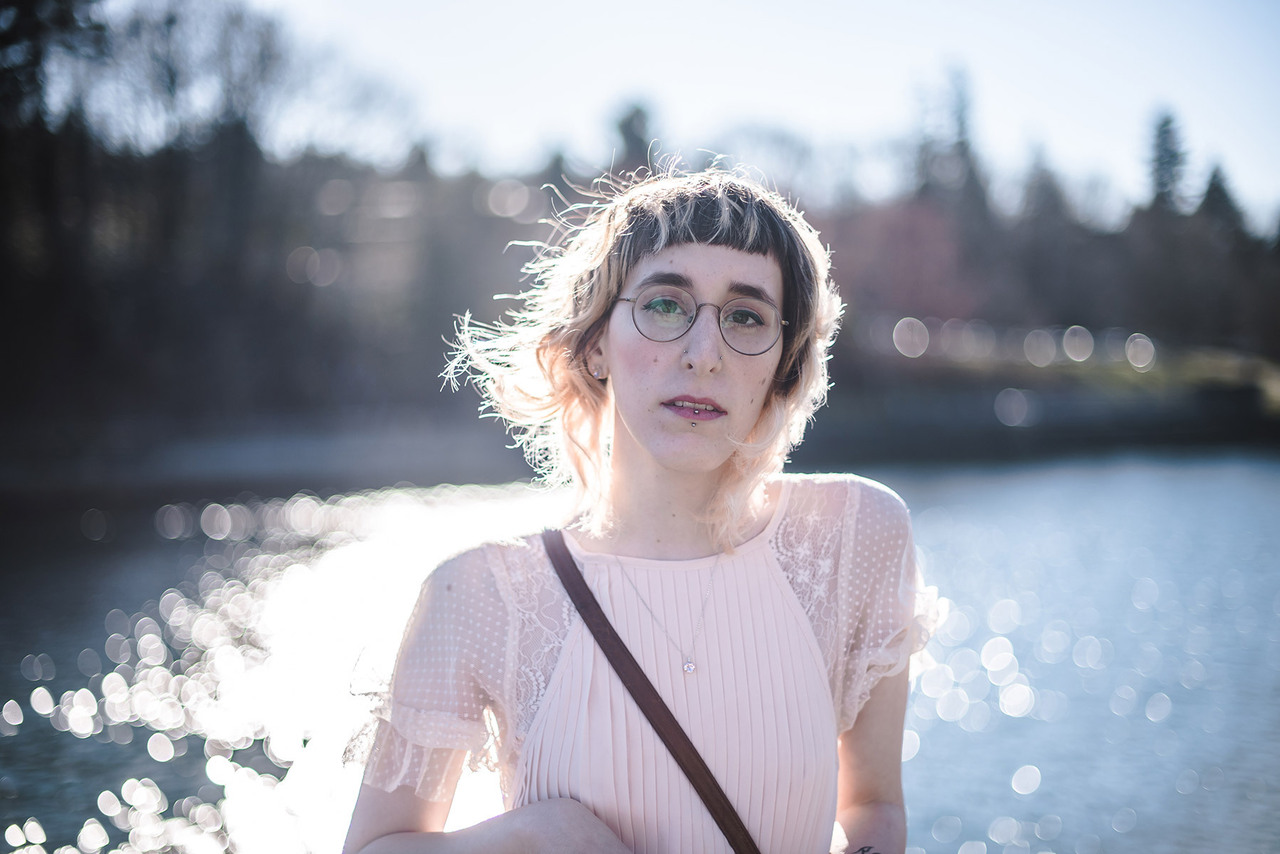
More Than Transgender: Meet Gulshan
With this new year, unity has been at the forefront of our never-ending mission to help people see the world differently. "Diversity matters" was our mantra going live with our first site and with this new site we wanted to push 'Unity over Uniformity'. In other words: it's okay to be different. We must accept each other for our differences. The first way of doing that is taking the time to hear people's stories. This week we highlight two phenomenal women who identify as queer, nonbinary and so much more. Today, learn the story of Gulshan, a transgender, second generation Iranian-American woman who speaks about the impact of her childhood, describes a normal day in the life and shares more about the things she wishes people knew about her beyond being transgender.
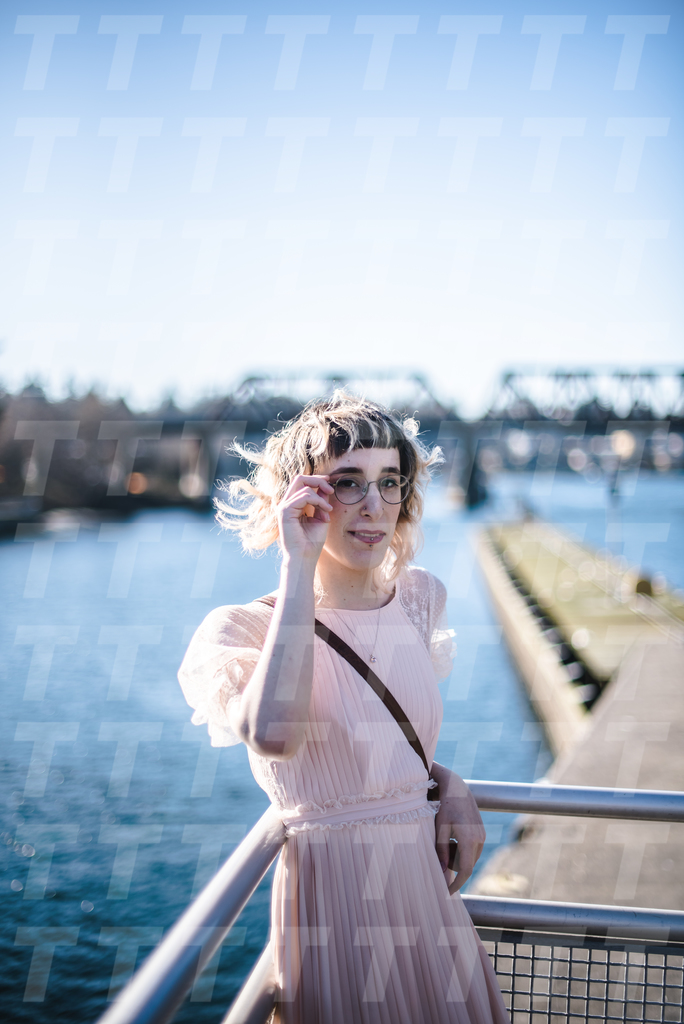
Where are you from? What is your ethnic background? I was born in Seattle, WA and mostly grew up in the Eastside suburbs (Kirkland and Redmond). My mother is Persian, and immigrated to the US right before The Revolution in the late 70s. My father is White and Jewish, with most of his side of the family having fled violence in Eastern Europe generations before and ending up in New York.
They divorced before I was old enough to remember, so my mom, sister, and I definitely moved around different houses and residences for most of my childhood. Because I grew up with my mother, and partly because of my fathers isolation from, and suppression of, his own identity, I identify more closely with being Persian than being Jewish, and with many aspects of being second-generation. Iran and Persian culture is where the food that I ate growing up and now cook for myself, the language I’m (slowly) learning, the religion I practiced as a child (and no longer involve myself in), and the bulk of my family who I’m still in contact with, comes from. Not that I don’t still have interest in and some connection to my Jewishness as well.
It’s interesting growing up in a diaspora where you get all these small bits of Home (as in, the place you feel deeply connected to, more than the place that you ended up), like the local Persian grocery store or visits to your cousins in L.A.s Persian neighborhood. Suddenly holidays like Nowruz seem magical or ultra important. Especially since I was only ever able to visit my family in Iran twice when I was younger, any stories me or my sister could get from my mom and uncles about how they lived and what they remember of Iran was very valued!
What three words describe you? I think ‘perceptive’, ‘aloof’, and ‘adaptive’ are the words that best describe me.
My perceptiveness and aloofness are nearly always at odds with each other, or at least taking turns in influencing my personality! There’s some things I feel very alert to and skilled with, like picking up on other peoples moods, staying aware and safe when I’m in public alone, the pitch of notes in songs I listen to, or just noticing small things in the environment around me and remembering very specific details that other people easily forget. At the same, I’ll daydream at any chance I get, forget to respond to others texts for hours, or end up coming off as distant and cold in large social situations when I’m actually just distracted by a wall decoration.
I think partially due to the way I was raised, which was informed by the trauma and experiences of my family and ancestors, as well as my own experiences growing up, I’ve found myself to be adaptive to the situations I find myself in by necessity.
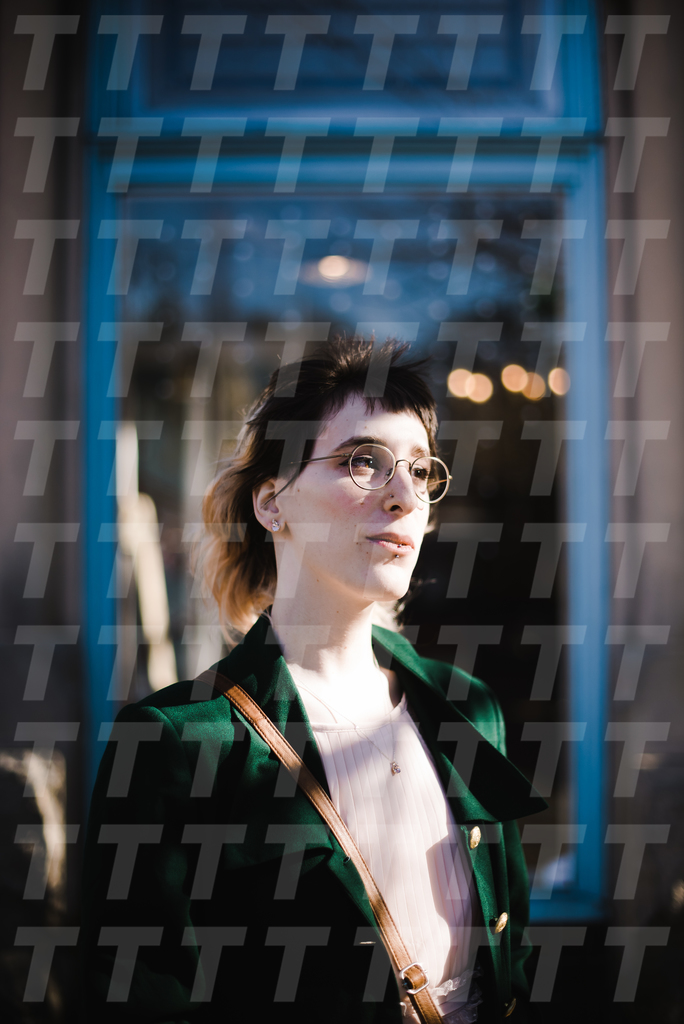
What's a regular day like for you?
Every morning it’s a race between daylight reaching me below the sheets, my cats bothering me and my partner for breakfast, or our phone alarms to see which will wake us up first. After freshening up, I generally start on some house chores while my partner starts on breakfast (they’re definitely the chef of the house!). From this point it depends on whether or not I’m working that day (since I work as a somewhat glorified freelance bartender for catered events, my schedule can be very sporadic).
Unless I’m staying home to search for music, read books, or help my partner out with their art business, I spend a lot of my day on buses or light rail, listening to techno mixes or just watching the city pass by. My job can be really relaxed or kind of disorganized and chaotic, but pretty fun and tolerable either way!
After work, I like to spontaneously set up quick hang outs and visits to my close friends, especially to grab food or tea and catch up on what’s going on in our lives. Or maybe I’ll visit a park or neighborhood of the city I haven’t seen before!
A lot of my close friends are deeply involved with the Seattle Techno scene, so most nights you can find me dancing to one of their sets at a bar or club somewhere, or just chatting outside the venue to cool off a bit. I’m kind of a night owl, and that combined with my willingness to stick an event out till the end means I’m either driving home with my partner or taking a ride share trip. All that puts me to bed pretty late and tired, but definitely fatigued in a pleasant way.
Have you faced any discrimination based on being from Iran? Your sexual orientation? Anything you want to speak on? If so, how did you overcome it (if you have not overcome it, tell us about that)? I was 6 when 9/11 happened and “The War on Terror” properly began, and I think the ripples of those events directly breached my safety, privacy, sense of self, and relationships to my peers from that point onwards. My mother suppressed us learning Farsi, practicing Islam, and learning about our own culture to try and assimilate in the name of safety. Elementary school was difficult for me, where other children and even staff mocked the way I talked, my features, and my religious beliefs. Rhetoric demonizing Iran and Iranian people dominated the news for a long time.
I’ve had a lot of time to work over the discrimination I faced then and now. Looking at it through a structural view and understanding what generates racism and how other people of color experience and are affected by it in different ways actually helps me deal with it by finding the resolve to fight against it, forge solidarity with others, and find shared experiences in that.
In terms of my sexual orientation and gender I feel that I have much less of a handle on dealing with bigotry. I don’t feel like I get much flack from anyone for being a gay woman nearly as much as I do for being a trans woman. I’ve come such a long way through medical and social transition to make myself less dysphoric and more comfortable and safe, and it’s not like I didn’t have experience with homophobia or transphobia when I was younger (from peers who extrapolated my speech and behavior then as “being gay”). I love having my community around and observing how to stand up for myself in public, navigate medical systems and insurance, and love myself proudly and genuinely through their own experiences and support!
Donate to Gulshan's Bottom Surgery Recovery Fund
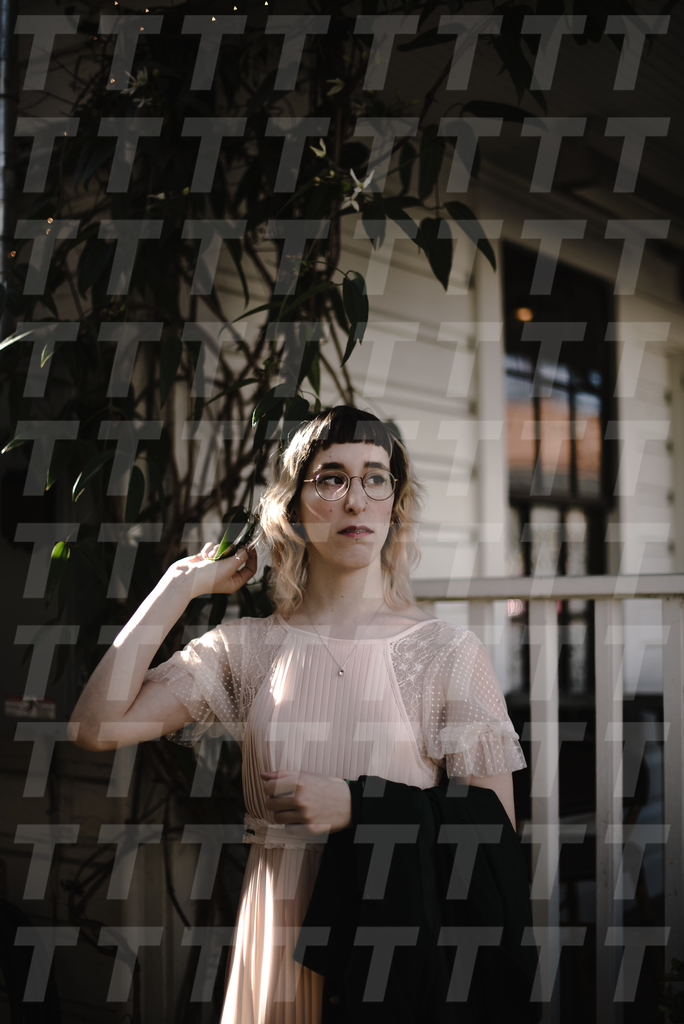
What are your passions? I’m falling down the rabbithole of dance music, DJing and digital production right now. I have other far off interests, like learning how to program and using those skills for both a career and personal artistic use, but in the meantime searching for music to put into mixes and trying to force myself out to my friends’s studios to practice is occupying my mind.
It’s a little weird that I have to relearn the production and composition side of making electronic music, since that’s something I used to spend a lot of time on in High School to distract me from home work and what I now recognize as dysphoria. All the same, coming back to it with more ideas, resources, and aspirations feels satisfying. The hardest part is getting myself to sit down and do the work.
What do you wish people knew about you? I wish people knew how much there is to me beyond my appearance and their perceptions. One of the things I’ve been learning the most throughout the past year or so is that I can be proud of, and outward about, my ethnicity, gender, and orientation, and still define myself within and outside of those things in a way that uniquely fits me. Especially in academic and professional settings I feel like being trans and having a “ethnic name” is as deep as some people go with me, and it would be so much more satisfying and fulfilling to navigate a world where every part of my personhood and individuality was acknowledged, respected, and appreciated.