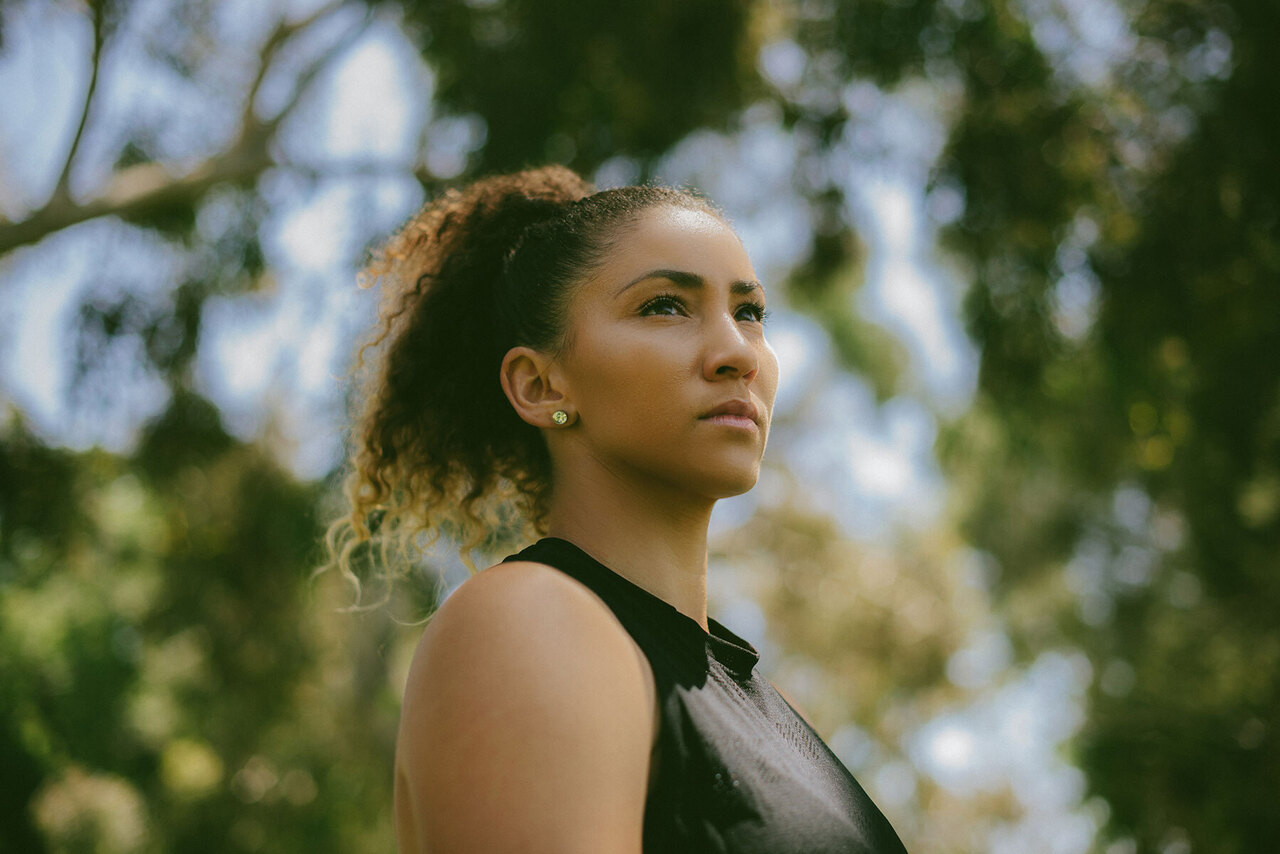
Not Better, Just Different: Meet Coach Jasmine
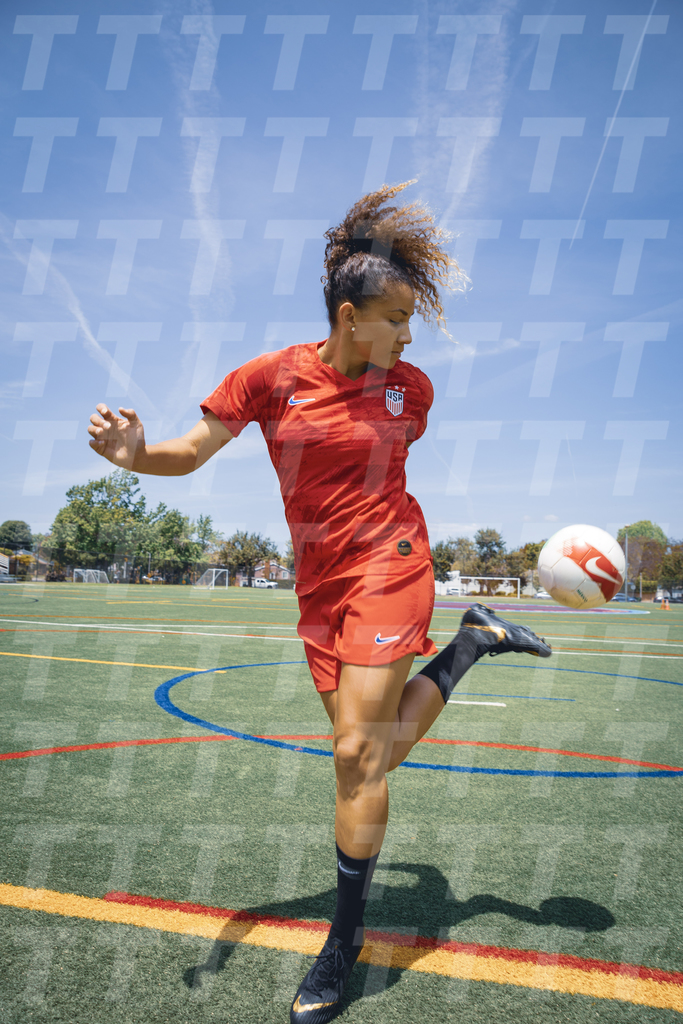
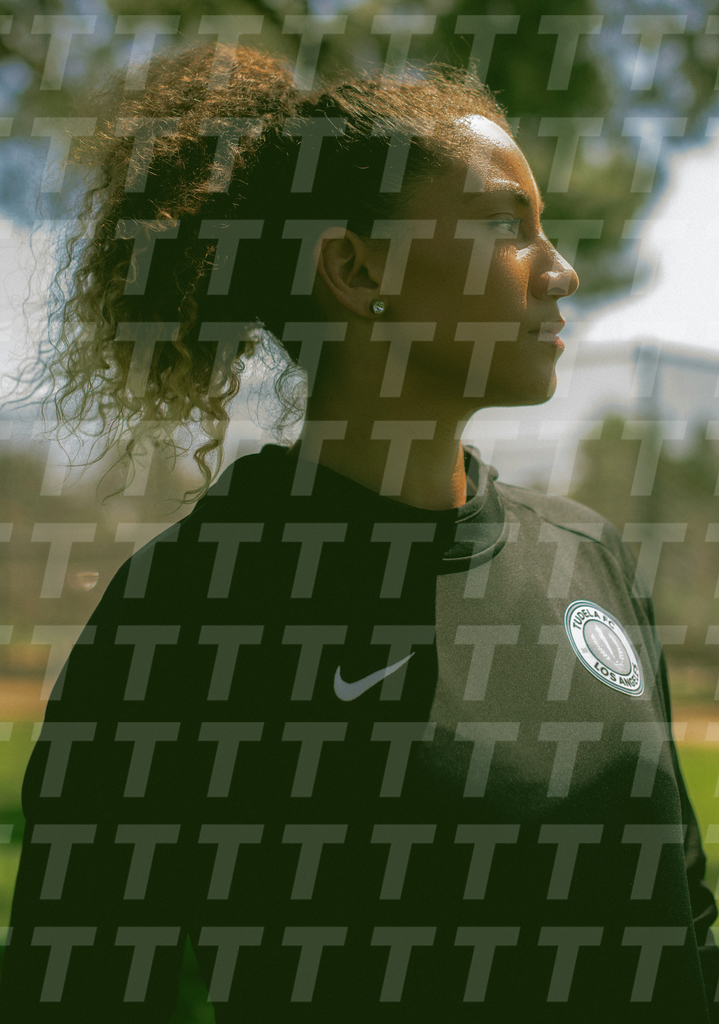
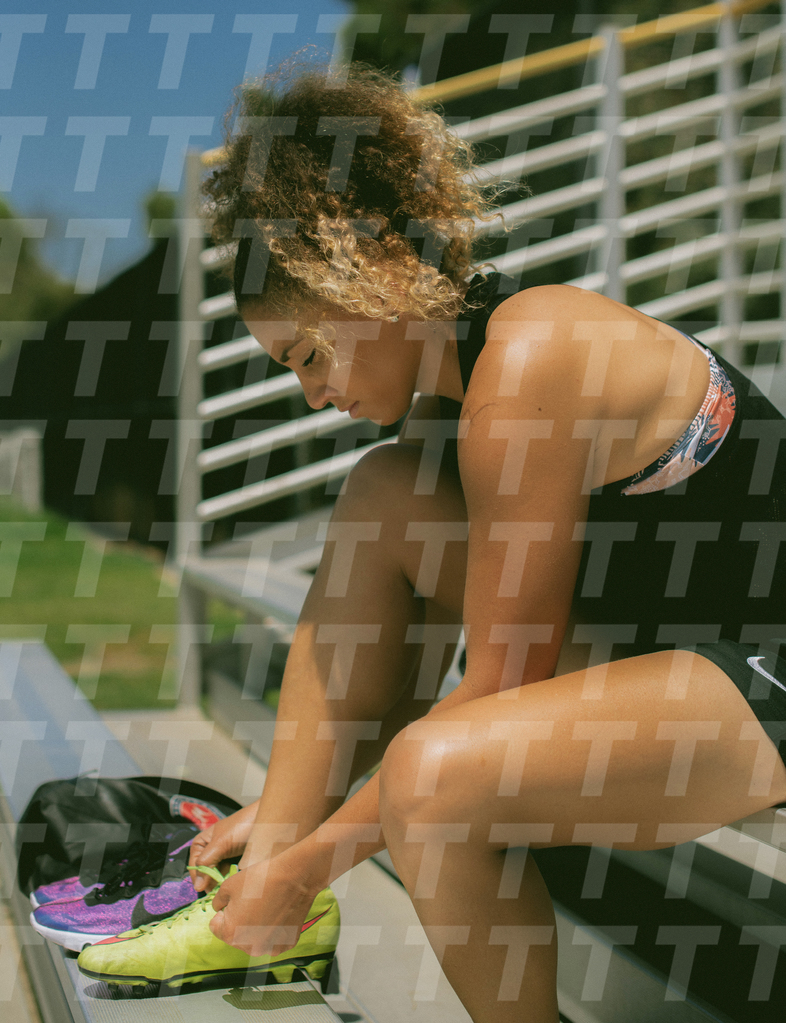
This month, TONL partnered with Nike to profile various coaches and young women in soccer as they demonstrate why diverse representation matters in sport, coaching, and the athlete/coach relationship. Throughout this week, hear from Coach Jasmine, Coach Jen and player, Friyale - all filled with grit and purpose as they fight to prove the relevancy of women in soccer daily. First up, meet Coach Jasmine!
Soccer is a heavily dominated male sport. At what point in your life did you decide to commit yourself to the sport in spite of that realization that you would be the minority?
I grew up with a mom who played semi pro softball in Germany when she was 16 and watching Mia Hamm battle it out against Michael Jordan in a Gatorade commercial. So even though I may have been the only "girl" out there on the field playing with the guys, I honestly didn't truly realize I was the minority until I was 24, playing professional soccer in Brazil and experienced the reality of my dream. It broke my heart, and I stopped playing for a while. It was 5 years later, after playing on a semi pro team in California and realizing that nothing had changed, that I committed myself to soccer in a bigger way. I made the tough choice to let go of my own dream which made room for something else, and that decision changed my life.
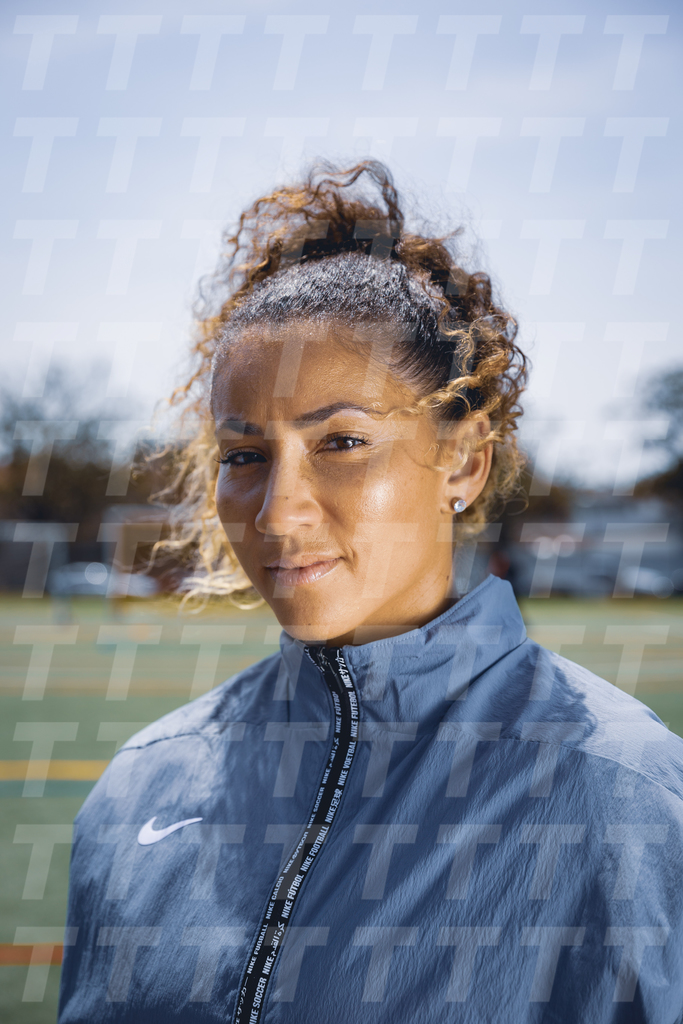
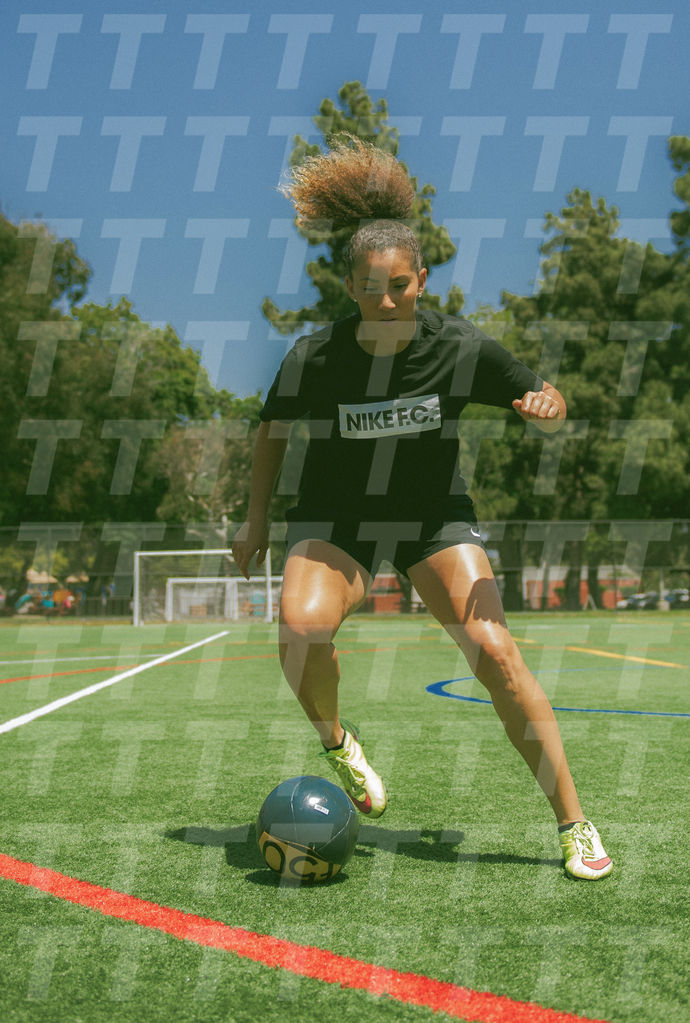
How has your culture/ethnicity, gender played a role in the way you coach?
My parents did a phenomenal job encouraging me to be me. I come from a mixed race background having my dad, an African and Native American, tell me to march to the beat of my own drum. I think that, because they saw me as an individual, it allowed me to see the players the same way and cultivated the want to provide them a space to discover their own uniqueness. As a female, I have different strengths than a male coach...not better, just different. In my opinion, women tend to be the glue and have a knack for helping and inspiring people to become better, and it can help us build a certain culture on a team. For me, I'm very relationship driven and positive. Even as a player, I always said constructive and encouraging things to build my teammates up and would also lead by example. Modeling is huge for me as a coach. How I carry myself matters. Whether I'm coaching boys or girls, I love you enough to believe in you even when you don't but also love you enough to tell you the truth, let you know when you've gone too far and hold you to excellence. In my coaching style, there is definitely that mom-vibe of love and respect, and now being a mom, I'm really proud of that.
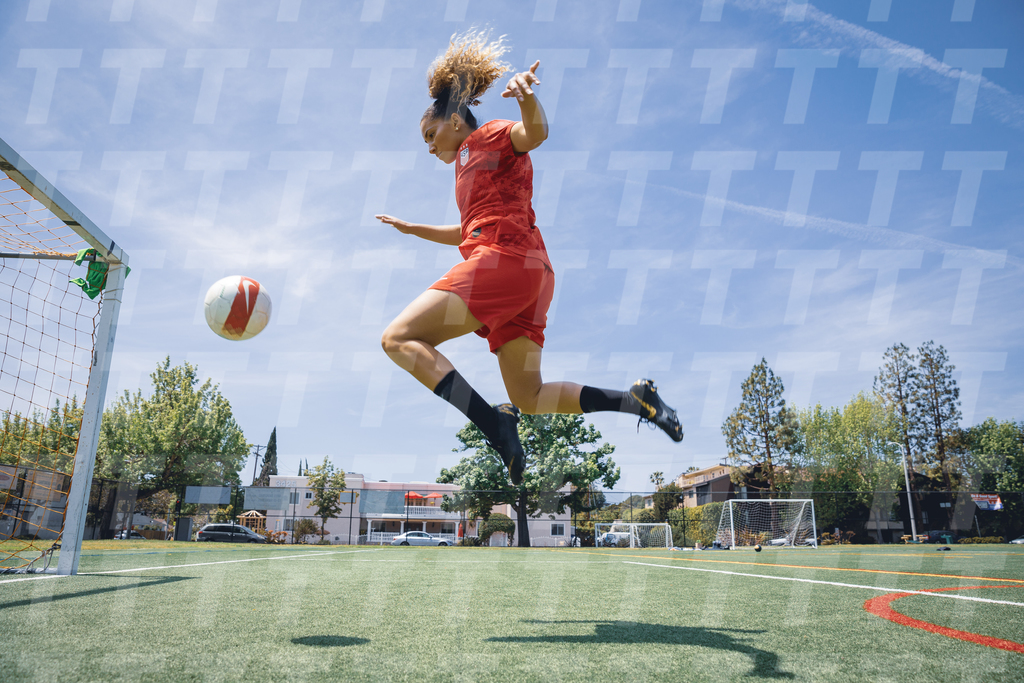
What differences do you see in coaching young women of color?
For the most part, boys need structure, and girls need permission. But when it comes to young women of color, they can experience freedom, allowing themselves to create, risk, lead, make mistakes, recover and so much more on the field, but the question is do they get permission from their family. It's their environment. I've had the privilege to coach young Latin American, African American and Asian women over the years, and their barriers may look different but end up being the same most young women in America face culturally. For the Hispanic community, their fathers, brothers, cousins and uncles play, but they didn't. I coached a high school team of primarily Latinas, and for most of them, it was their first time playing competitively or playing at all because, culturally, it wasn't their role and they had more important things to take care of. In the African American community, soccer is no where on the radar, not compared to track and field or basketball which can get them to/through college. For both communities, it's also a matter of having access or resources for soccer. In the Asian community, schooling, getting good grades and the arts trump sports because, again, where is the future for them in sports? This is how they all look different, but at the end of the day, no matter your color or cultural background, young women still drop out of sports 2x more than boys by age 15. I believe it's because as Americans we focus on what can make us money, and most women in professional sports don't make money. Soccer, sports in general, can give a young woman an education they can't learn in a classroom, and I think that if parents knew that about 95% of female CEOs, CFOs and C-Suites all played competitive sports, some things culturally might change. Young women of color need what any young woman needs, a place to build belief and to give herself permission so that what she learns on the field she can take in life.
What is a common misconception you wish to dispel as a female/femxle coach?
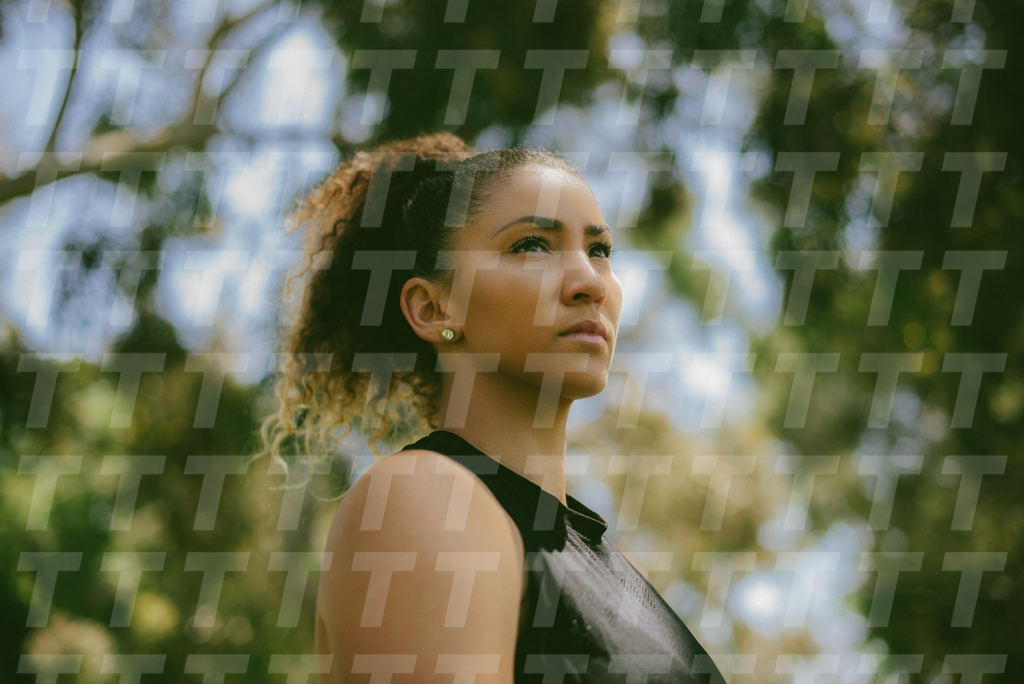
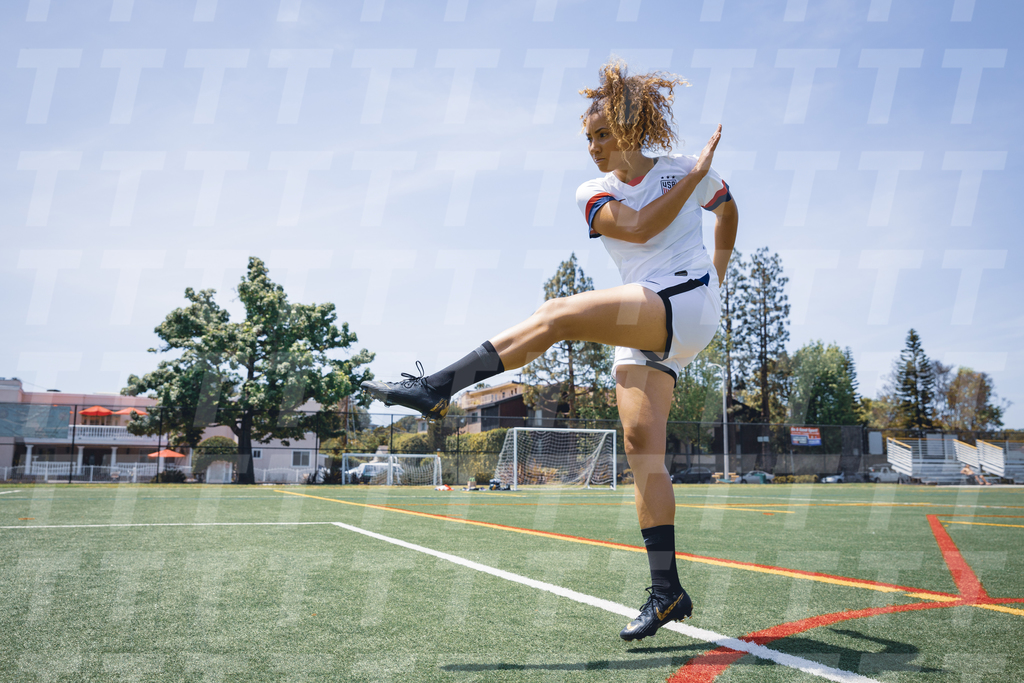
I want to dispel the misconception that just because I don't scream at my players or have a particular intensity doesn't mean I'm not respected as a coach or respectable. I have fun with my players and my passion for them and the game shines through. There gets to be room and respect for different types of coaching styles. I believe I don't just make good players, I help make good people...good people who actually fall in love with the game and will play it for years to come.
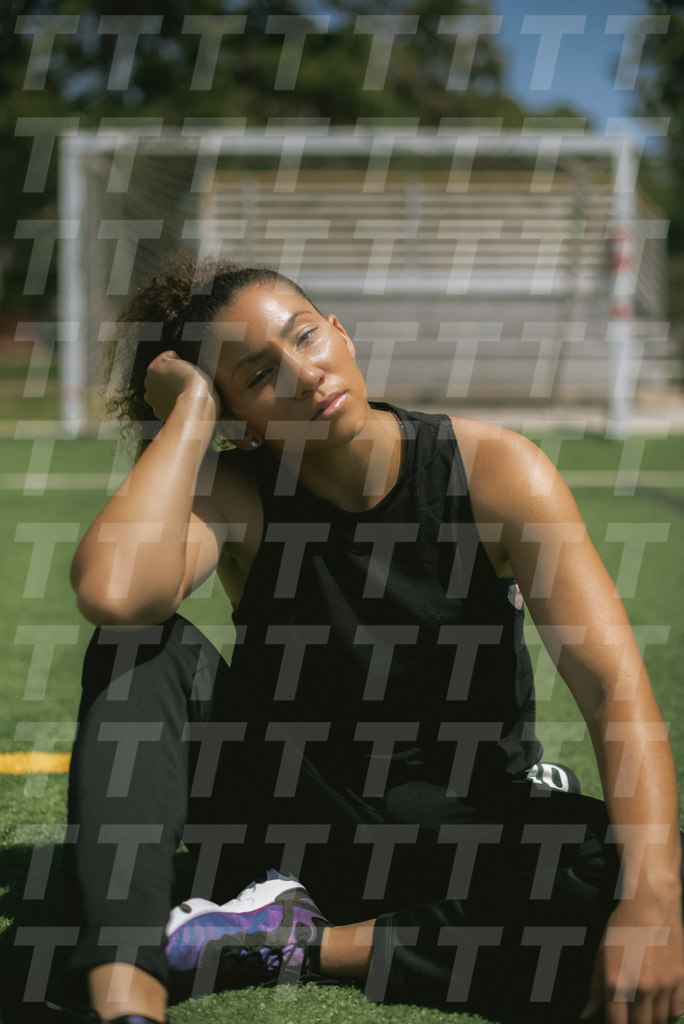
Who was your sports role model growing up and why?
Hands down my sports role model growing up was Mia Hamm. No one did what she and the women's national team accomplished. I can still remember exactly where I was when I saw the game, USA vs China in '99. For a 12 year old girl, that game gave me belief, and Mia Hamm was classy all the way. She never exploited herself for fame or endorsement deals like I saw other female professional athletes do as I got older. And, now she's become the first woman to be an owner of an MLS team, LAFC. Amazing.
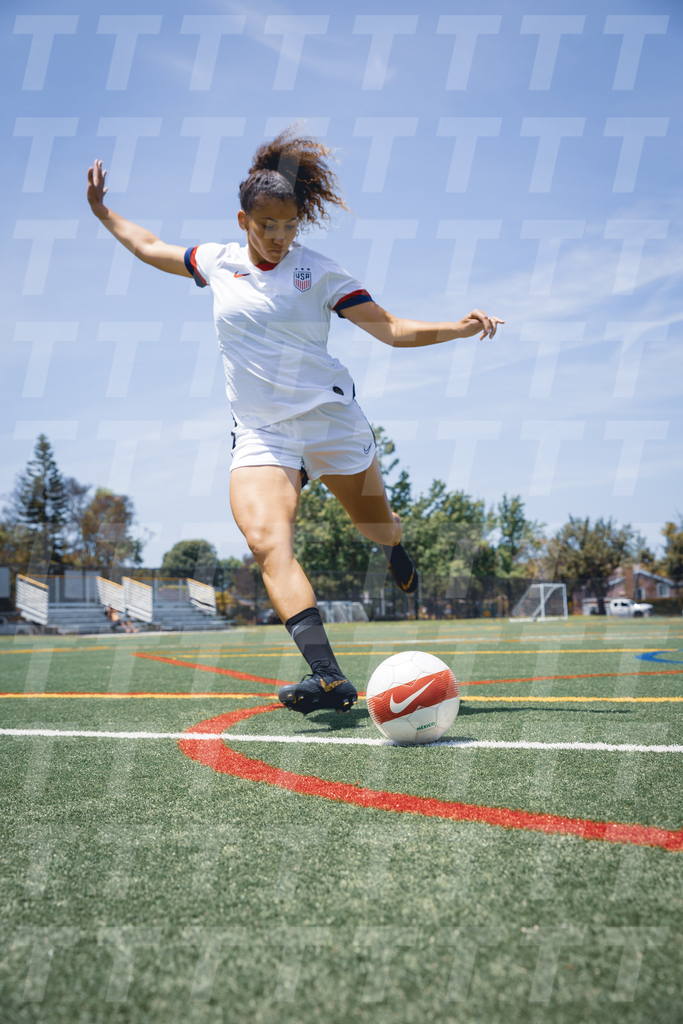
What is your favorite part of your relationship with your players?
My favorite part of my relationship with my players at Tudela FC is how much I see myself, little Jazzy, in them. It's my favorite part because I can totally relate to the perfectionist in them and fear of making mistakes, the competitive spirit of not wanting to lose, the passion to do something you just learned over and over until you get it and the hunger to learn and become the best you can be. In the moments of breakdown, whether it's anger, frustration, tears, conflict or self-doubt, I can normalize it for them and help them through. I'm not just helping them through the game, I helping them learn to navigate life.
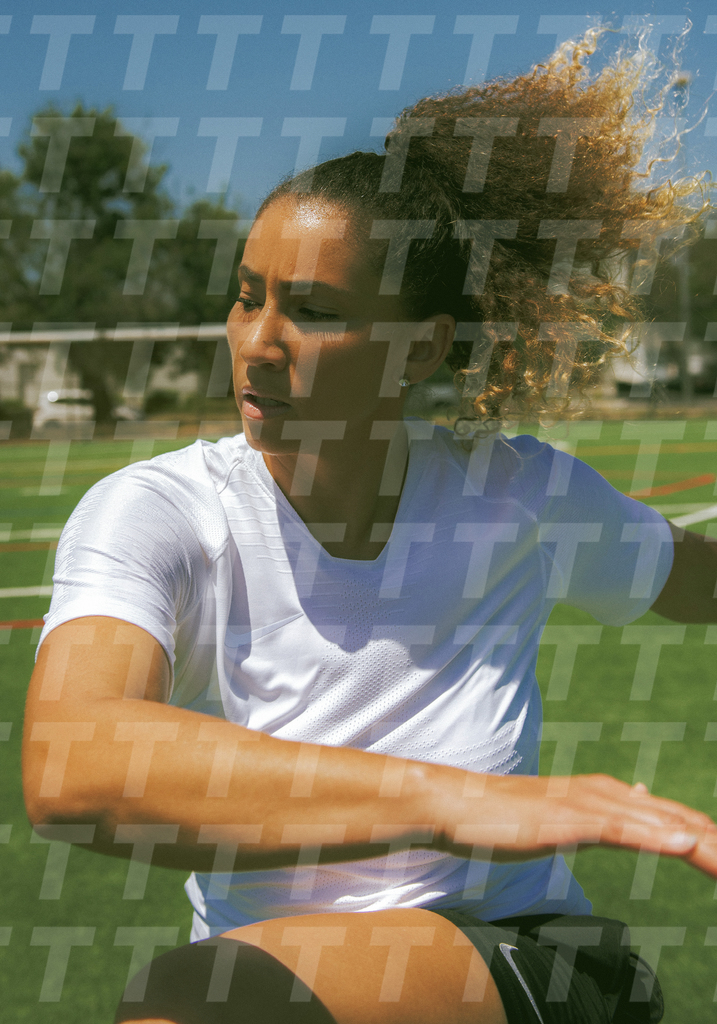
As you know, the WC19 USWNT (US Women's National Team) are fierce this year, and many of them were inspired by the 1999 team as well. Do you see your players drawing inspiration from them in the same way?
I actually think that WC19 is going to be pivotal for many of my young players. Several of the families are actually flying to France to watch the games, and there are definitely players on the USWNT who have picked up the torch and blazed their own trail to help inspire this generation. As a team last summer, one of our team bonding activities was a movie night watching "Alex and Me," and many of the players got to meet Hope Solo at a training session. The girls are already dreaming big, but I think they're prime for discovering their own personal heroes like so many of us did with the 99ers.
Does it matter that Nike is getting behind the team in a big way?
It matters a lot that Nike is getting behind the team in a big way. A huge problem for women in sports is the belief that there is no audience. Therefore, there's no value in the marketplace and no money to be made. That causes a lack of funding, backing, media coverage, sponsorship and endorsement deals for players, teams and organizations which usually causes them to struggle or fold. When something fails or seems "B" rated, it re-enforces the belief that there is no money to be made and around and around the cycle goes. With not just any brand, but an international powerhouse such as Nike backing the USWNT, it sends a clear message of belief and brings a certain credibility to not just the team but to women in sports in general.
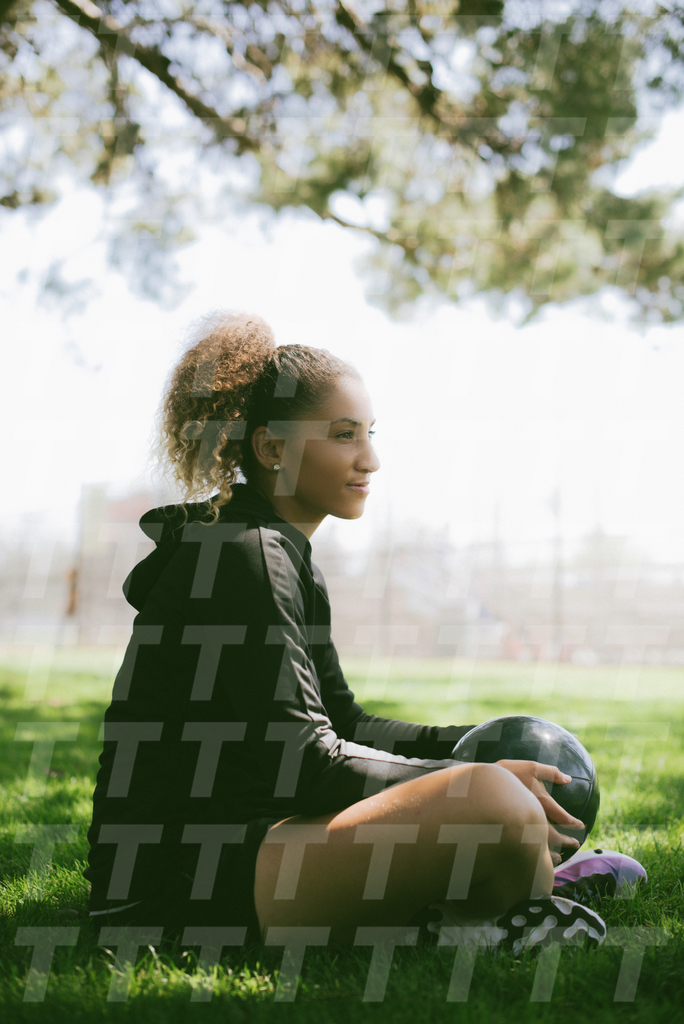
What has and hasn’t changed, 20 years later?
The 99ers were ground breaking in so many ways and not just for soccer but for many women in professional sports. They broke down another door, but I believe, no one knew exactly where to go next or how. In 20 years, women have walked around in the dark, lighting their own candle to make their way through, but it's time to turn on the lights! Yeah, we're far from the days of people being offended by Brandi Chastain's celebration, but there's still a ways to go. In the last World Cup, the final match between USA and Japan was the most watched soccer match in US history. There IS an audience...23 million in fact. Girls and women want to see and hear about their heroes, and our culture gets to change and begin to support these important voices and role models. Just as there's enough room in the sky for all the stars to shine, there's enough room for women and men in the world of sports, and I hope that, with Nike shining the light on the USWNT, we'll get to see just how big the house is for women athletes. Women have a place in sports, and the biggest change in 20 years is that now we believe it and are willing to fight for it!