Nurses Appreciation Week: Meet Francesca
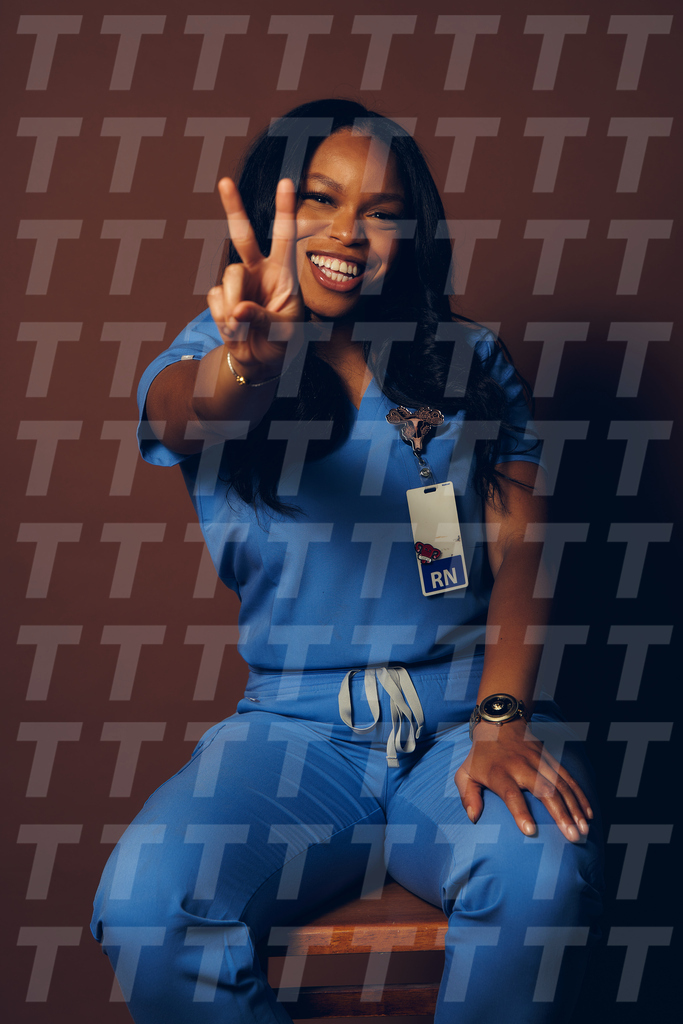
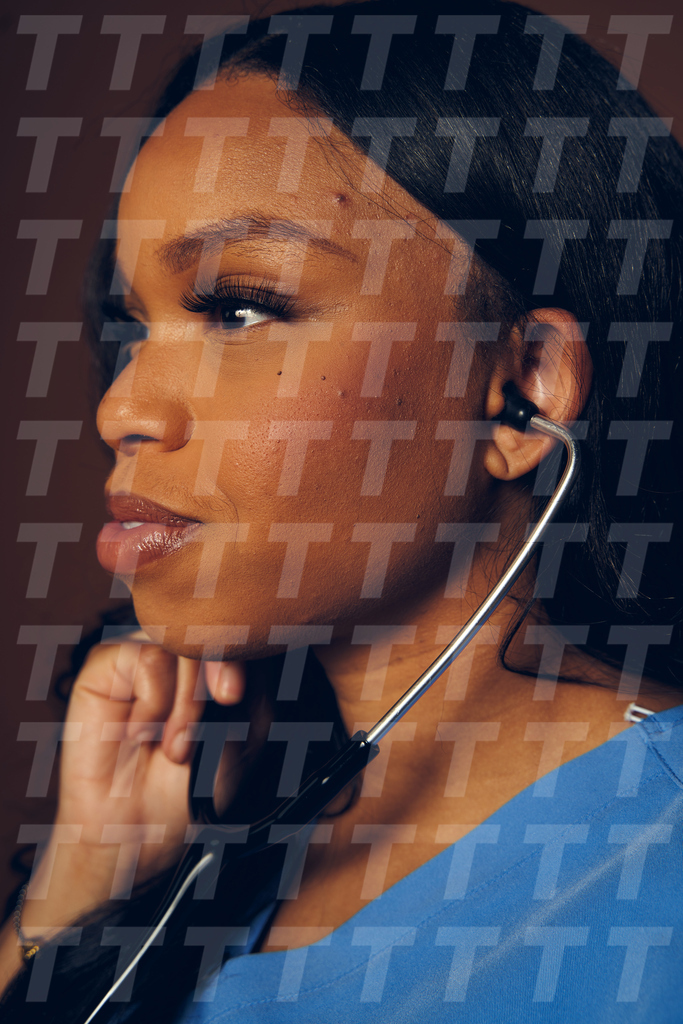
Happy Nurses Appreciation Week to all the nurses out there! TONL wants to take time to center the lives and experiences of nurses during this week. We sat down to talk to Francesca Etienne, a Haitian American postpartum nurse, and founder of Beyond Nursing Brunch, a brunch series she created to bring nurses together and focus on self-care and mental health. She shared with us her experiences as a postpartum nurse and the things that she faced during the first year of her nursing, some of the commonalities and challenges with burnout that nurses experience in the healthcare industry, and how she's using her platform to combat some of the problems that many nurses face throughout their careers.
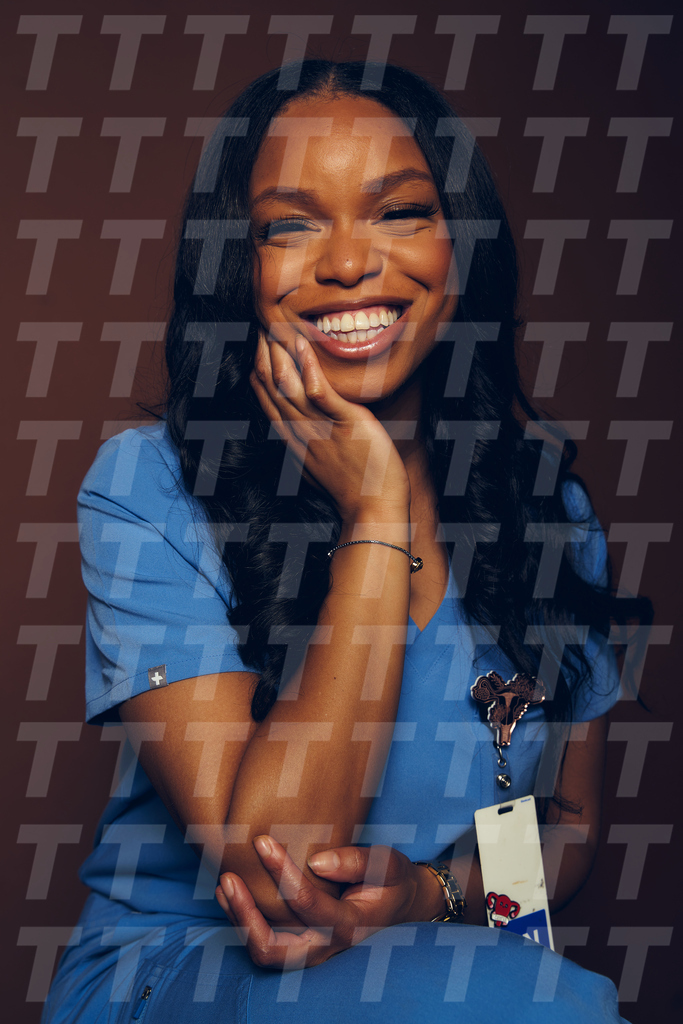
Francesca (F): I'm Francesca Etienne, also known as Nurse Fancy, and I am a postpartum nurse. I tend for the mother and the baby after pregnancy. Funny enough; at first, I did not want to be a postpartum nurse. I just thought about it as “I'm just taking care of a baby and their mom.” But after doing this for about a year and a half, I now realize that postpartum stays are important and necessary.
I realized that, after mothers do deliver, they are at their most vulnerable stage. Being able to care for them, to attend to them, to pour into them, and to help them get back to their self prior to having that baby is just so sentimental. So, I think this process has also taught me that there's more to the birthing process than just labor and delivery.
TONL: You raise a really good point: that there is more to the process. People may not know or may have misconceptions about the postpartum period. And as someone who, as a nurse [that] goes through that [process], I'm sure you have a lot of knowledge and experiences about the postpartum period and how different mothers come in and out of the process of delivering their kids. What are some of the postpartum experiences that you've seen in the hospital when as a postpartum nurse?
F: Sometimes you'll find moms that literally have a birthing plan of how they want each thing to go. And again, even though you plan things, sometimes life doesn't give you that. I think it depends on like each patient. Sometimes you see patients where things just go as planned, like they have the baby, they're not hemorrhaging or anything of that sort. And they're out the hospital within that two-to-three-day mark. But then you also have people who suffer with hypertension, with preeclampsia, and who do end up hemorrhaging. In situations like that, it can get super scary. Depending on the day and patient, it can either go from really well, to “we need four units of blood, right now.”
TONL: So, you have to think on your toes and be on top of it when some of these things that are unplanned go wrong. So where do you see your role as a postpartum nurse in that process for women delivering after they’ve delivered their baby?
F: I feel like I'm so many things to them. I'm, of course, their nurse. But on certain days, I'm also their therapist when they need to just vent and like get things out. If they don't have a support person, I'm also there as well. And, and not only that, I'm their advocate, too. So, clocking in, I'm punching in as a nurse; I'm getting paid as a nurse. But if you really want to get deep into it, I'm all [those] things that I just mentioned to that for that patient. And I think that can also be tough as well, because you're signing up for a job that may look one way, but in reality, it's like five different things placed in one job.
TONL: I think that's very true of the medical profession in that you really are more than [a nurse] to a lot of people. And that also might take a toll on you. So, as a nurse playing those roles, how does that effect you?
F: My first year of nursing was beautiful, I love what I do. I learned so much and met amazing people, both as patients and colleagues. On some days, it was also tough and draining. I would say that I experienced burnout during my first year as a registered nurse. I’m currently learning how to balance. I was dealing with patients with trauma and so many emotions at a higher acuity on some shifts. I honestly didn't realize that I was drained until I hit empty. As nurses, we do this thing where, prior to going into the hospital, we kind of have to place whatever we're going through and put it under the rug to give our patients that 100%. So, it can be tough.
I thought it was the norm for nurses to be burnt out. So, for a while, I'm like “this is normal, it's okay”, until I realized “girl, it's really not okay.” I had to prioritize my mental health and overall well-being. I invested in therapy, started working out, I fund hobbies that I genuinely enjoyed. Most importantly. I had to remember that, yes, I'm a nurse, but I'm not just a nurse, which means that I need to continue doing the things that make me feel like Francesca prior to the nursing degree. This includes pouring into my cup first. The healthcare field is focused on being a collaborative team. So, you also need to be able to lean on others and and know that you shouldn't have to do it by yourself.
TONL: That’s really true. When you think about the burnout experience, it is kind of isolating, right? You think that you're the only one who goes through it. But it's the case that everybody goes through burnout. And coming together as collectives and thinking about ways to resolve these things collaboratively is really an important part of resolving some of the issues that are going on for nurses in the hospital related to their own personal have mental health.
F: Community is so, so, so important; whether that's through your family, whether that's through your friends, whether that's through your co-workers. I don't think [that] anybody should have to carry a heavy load by themselves. For myself, it's important that I lean on my community.
One of the things that I realized that we [as nurses] lacked, though, was that community outside the hospital. I think a lot of the times, our institutions [say] “we care for you.” But they don't necessarily provide things to make sure that we're okay. I saw that there was a need and I wanted to do my best to fill that need, especially because I feel like I've been in that space where I felt like alone, or I've been in that space where I felt like drained.
TONL: So, what are some things that you do to build community for nurses?
F: I wanted a space where nurses were able to talk about what they really go through in their day-to-day work life. One of the platforms that I decided to curate was a brunch for healthcare workers called “Beyond Nursing Brunch.” The first one took place on December 5, 2022, in Boston, Massachusetts. We had three topics that we dove into. First was a mental health check in. Like, how are you really doing? Are you okay? If you're not okay, what are you doing to alleviate that stress, that pressure, that whatever that anxiety, whatever it is that you're feeling? How are you like going through that? And because this is a safe space, let's go through this process and share our experiences together. And hopefully, when one story is shared, another person has a solution to their problem.
We spoke about entrepreneurship, because I do believe that it's important to have multiple streams of income as well. [There are] so many nurses that have so many businesses, so if you're a nurse who like wants to start a business, then this is the place to be because you can have other nurses pour into you in terms of that. But also, I'm such a big advocate when it comes to talking about our God-given purpose. I'm someone who made a whole career switch, preparing to go to law school to now being a registered nurse. It’s okay to start over and rediscover your purpose. If you’re not in the healthcare field, but want to be in it, go for it! It doesn’t matter if you’re 40 or 50 years old, I would rather you be in your purpose than be content because you feel as though it’s too late to switch careers.

TONL: It sounds like your platform is mindful about centering the lives and experiences of nurses and alleviate some of the stress that they have. Tell me a little bit about the impact that you can say that you've seen from some of these activities.
F: I wanted [people] to know that there's a safe space in Beyond Nursing Brunch. The first thing I want to mention is that [nurses are] constantly checking in on our patients during a 12-hour shift. It's important to realize like we're checking in on patients, but who is checking in on us? That's the center of the event. It feels so good to finally release what we’ve experienced and not feel judged, because we all know exactly what we’re going through as well. There were so many testimonies following the event, especially because I held this one in Boston, Massachusetts, where you don’t see too many Black nurses. I had people say, “wow, I didn't realize there was so many Black nurses like right in my own backyard.” But also, the importance of community. People walked in as strangers and left as friends; going on brunches together, hanging out, or possibly deciding to do new business ventures together. To me, I personally feel like healing took place that day.
My next brunch is taking place on August 5th, 2023, and I'm so excited for it. The name is changing to “Beyond Nursing Experience,” because I want to provide an experience that is bigger than just brunch. We’re still going to have a panelist setup, where we dive deep into different topics. But now, we'll also have vendors there, there’s going to be a therapist there as well. So, I just think that it's going to be a powerful, powerful, powerful event.
TONL: You nailed a lot of different things. It's important that nurses from come together and realize that there's more people that exist that have similar experiences. And your brunches are a really good way to do that. What are some ways that nurses can think about community and make community where they are?
F: The first thing I want to say [to other nurses] is, thank you for your services, because I know that being a nurse is not for the weak, whatsoever. I also want to add that you are not alone; even though there are days where you may feel like you are, you are not. On your tough days, remember why you started and allow that to be the driving force to pull you through. Soak in your good days, store them, and allow to those memories to put a smile on your face. My good days will always outweigh my bad. Third, find community that you can lean on. Social media platforms like Instagram and TikTok have been doing an excellent job with forming communities in the healthcare field. Lastly, sometimes you have to be the person to leave your comfort zone and create the community you’re looking for.