Protecting Our Pride
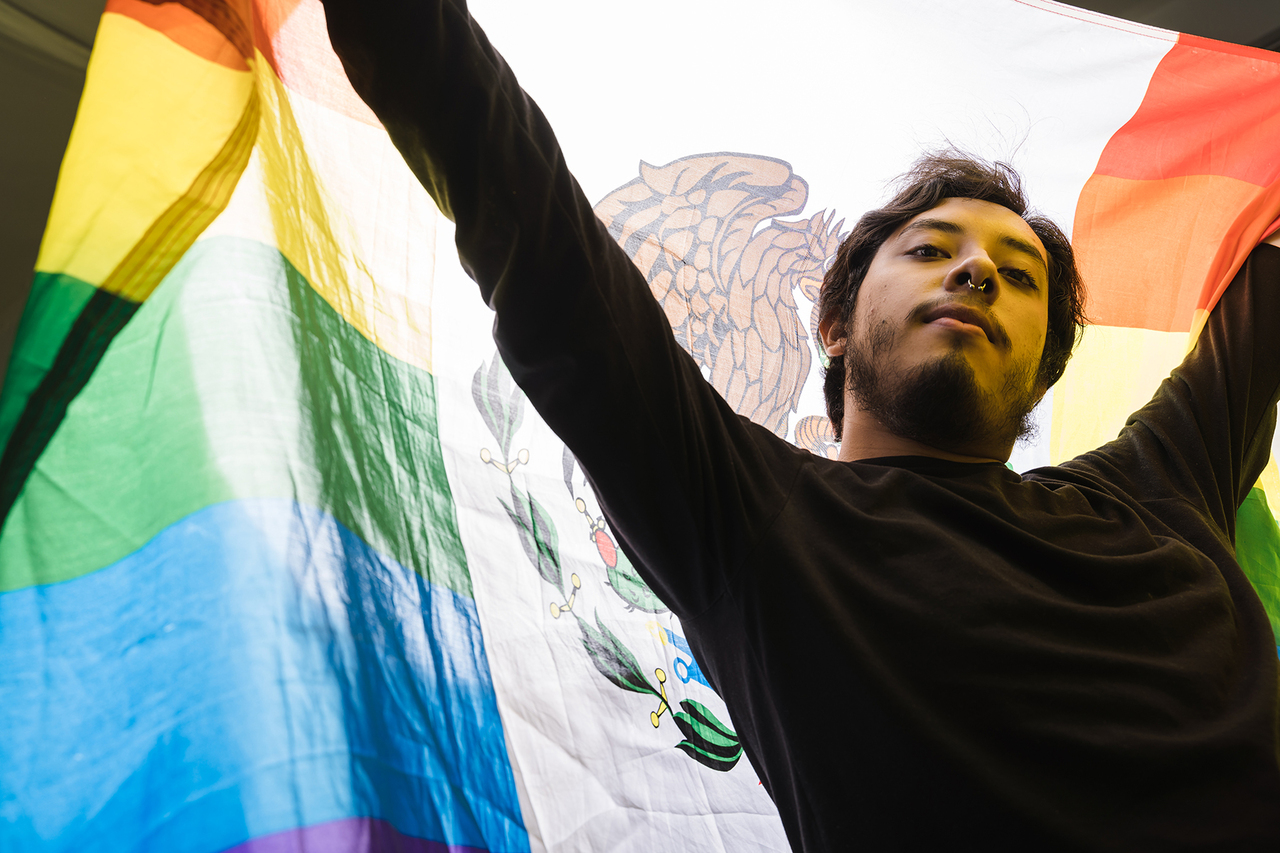
As Pride is underway, we want to focus our attention on the voices in the community that we seldom get to hear from. For Raymond Diaz, their life's story is multi-faceted as a 1st generation Mexican-American who also identifies with the LGBTQIA+ community. Learn more about Raymond and their journey navigating being a child to migrant parents, adjusting to their own identity and how they show up for the queer community and beyond.
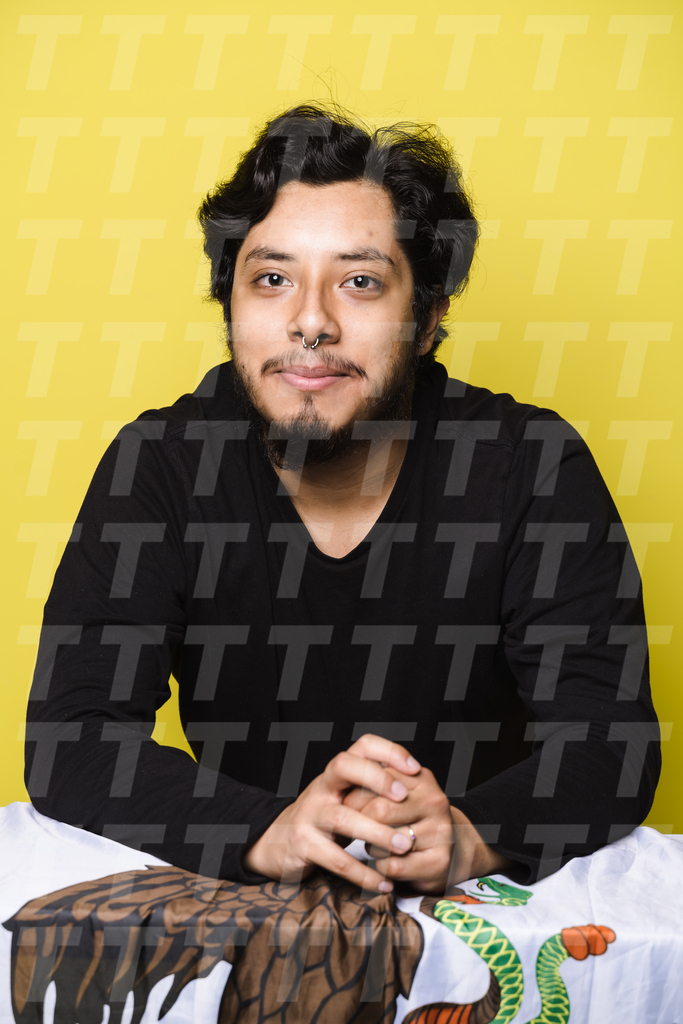
Being a Mexican-American of color has played a huge role in how I understand the role my people have played in shaping the politics of this country. Being from the working class and growing up in a working class neighborhood in Chicago was hard but gave me a sense of the need to be hard working as a means of survival. Often times, it feels like the political discourse often excludes that this country only has prospered because of immigrant labor, historically Mexican immigrant labor, and that fact has always internally been something I’ve been aware of growing up seeing my mother wake up at 5 am to do her factory job or my father trying to hustle within construction work. It feels like I’ve been living a stereotype, because today it’s Haitians and Central Americans who have become the majority immigrants to this country, but my family is still apart of the last few generations of Mexican migrants that came to escape their poverty from decades of neoliberal policies from the Mexican government in collaboration with the Americans. Sometimes it hard to love my community when it has taken such a hard turn to the right these recent years when we have historically always fought for recognition within this country, and have been in solidarity with other minority groups in this country particularly with the Black community, the Asian community, and the Puerto Ricans whose nation is still held as a colony of the US. Being queer has also played a part in this, because I’ve always had to hide my sexuality from my family at a very young age and understood the taboo of liking men at that time. My wish is to see a reemergence of Mexican pride that isn’t of the conservative type in which we remind ourselves of the revolutionary history that we have in this country and in our home of origin Mexico, especially as this country “celebrated” the Americanized holiday of Cinco de Mayo. If the yankees actually understood what was Cinco de Mayo, a regional holiday celebrated by the indigenous community of Puebla in their victory against the invading French army in May 5th, 1862, then you would see how quickly their tune will change seeing that this country has also subordinated it’s indigenous communities since it’s foundations as country.
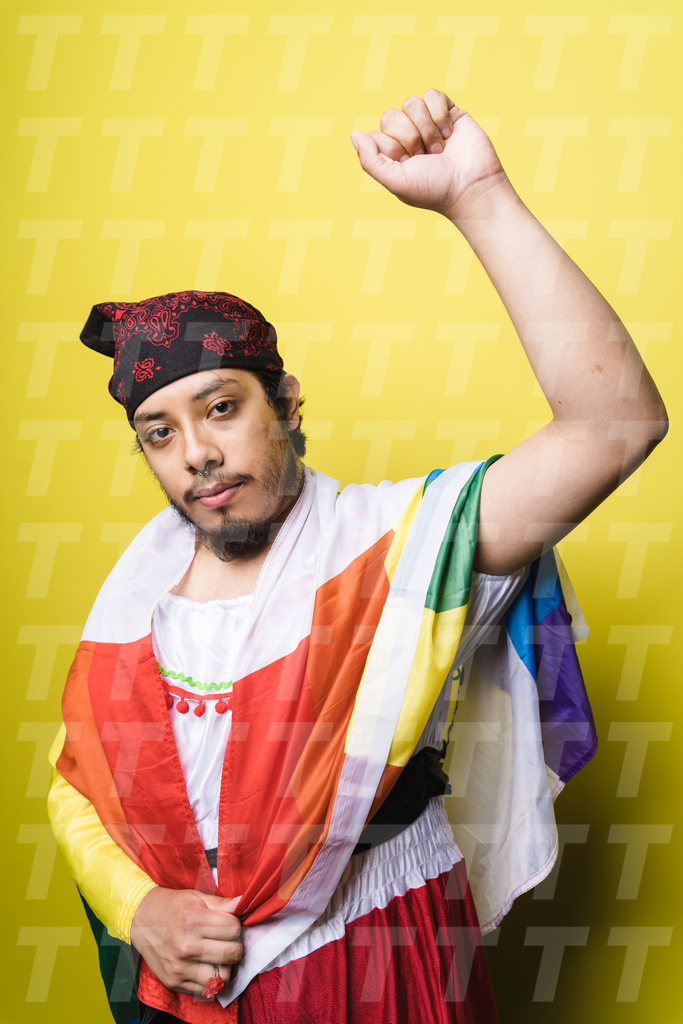
On finding the language to identify as ‘queer’ and how his family embraced it.......
It took a very long time for me to understand what was my queerness when I was taught at a very young age that being queer was taboo, a sin. That this was perpetuated by my Catholic church and even community members who I thought of as friends who silently endorsed the patriarchal, homophobic, and colonialist views of the white priests who came in to invade our majority non-white neighborhoods. Doubly, I felt this since I once was a pious Catholic too, and even became an altar boy in response to my motivations of being closer to “god”. But this was a false promise as I soon realized with how much I suppressed my queerness to conform with the people around me. When I finally went to university (around 18 years) was the start of me coming out to myself, interacting with people who have had the privilege of being open to their parents or at least were able to be economically independent from them if they weren’t supportive. During my freshman year, I had an extreme reaction to the extremely white nature of American University and developed separation anxiety from what I came to be comfortable-that of being closeted, controlled by my parents, and being content with the little Koi pond of a neighborhood of Albany Park. Don’t mistake the sentiment with hatred, I have absolute love for my city and for the community that I found in this diverse, working class hood in Chicago. But, I would also be lying if I didn’t recognize how subordinated I became to my parents and how difficult it was to finally start finding and learning exactly who is Raymond when I’m considered already an “adult” by this country (a country that will send its young people off to die in war but not recognize us as deserving privilege that of older adults, to buy alcohol or cigarettes, and only sees us as cheap, replaceable labor). To say the least, my immediate, “biological” family (excluding my step dad) completely rejected me and thought I was confused for being bisexual, telling me that we could do “therapy” while my mother cried about not being able to give her nietos as if we still lived in feudal times where all the men had to make children, women were only used to rear children, and anything caught outside of the patriarchal binary was put to death. It’s been hard but, it has been a necessary step to find true happiness for myself and to finally understand myself after years of suppressing my queerness.
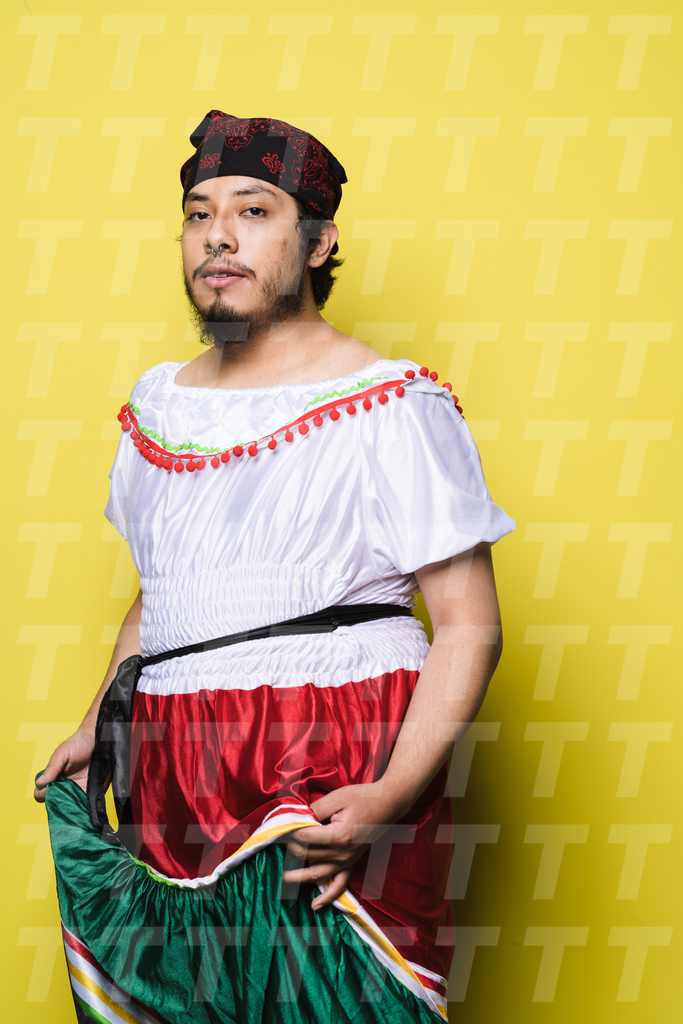
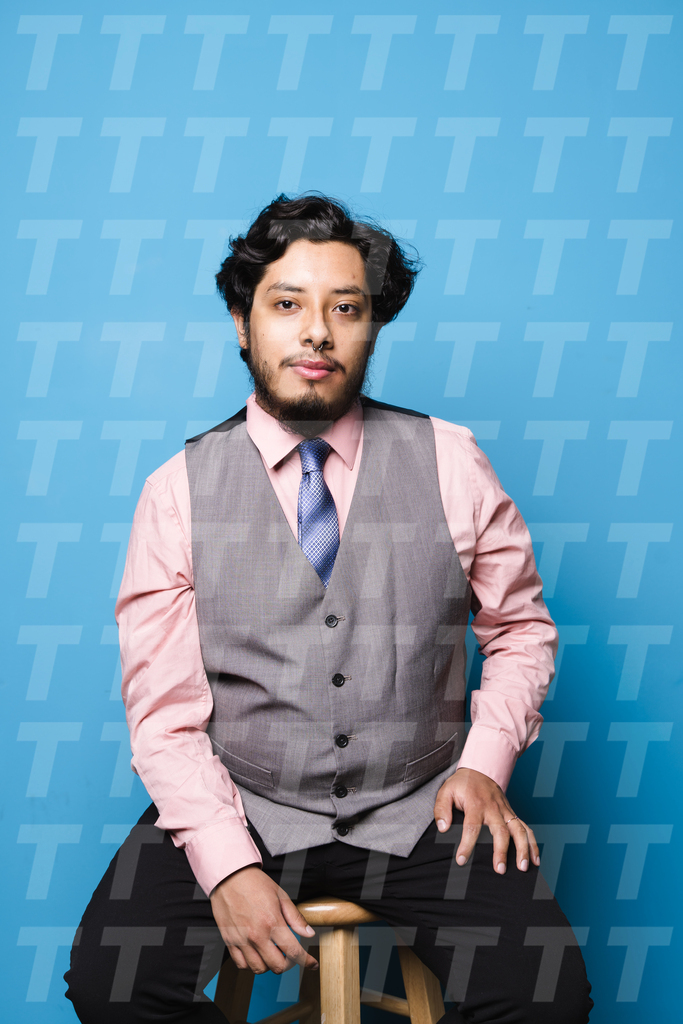
Advice to queer Mexican youth as they navigate their identity...
My advice is to be strong and find people who can help you realize yourself even if it means to steal yourself for a bit more until you're ready to completely break from your nuclear family if it comes to that. I know that every family will be different and there will always be examples of biological families that “accept” their family members for being queer but those cases get the most attention, and we discuss about what to do if your families end up rejecting you for who you are. Also, don’t always assume that because your parents rejected you that it equals the entire Mexican culture being toxic and incapable of including queers as well. Oftentimes, and especially in the West, there's a habit to make assumptions about our countries as being the most “homophobic” without realizing what that implies (as in, absolving the West for its years of colonization in Latin America and the rest of the world). So don’t do that with Mexican culture!!! It is our right to fight, live, and be proud of our heritage without being scared because we aren’t the only Mexican queers going through it, and there are others like us who have fought for rightful places within our country and communities. Find your people the best you can and don’t make the mistake of assuming Americans to be the “most accepting” either because trust me, if it isn’t the racism that gets to you it’ll be the transphobia that is so often found in white queer communities.
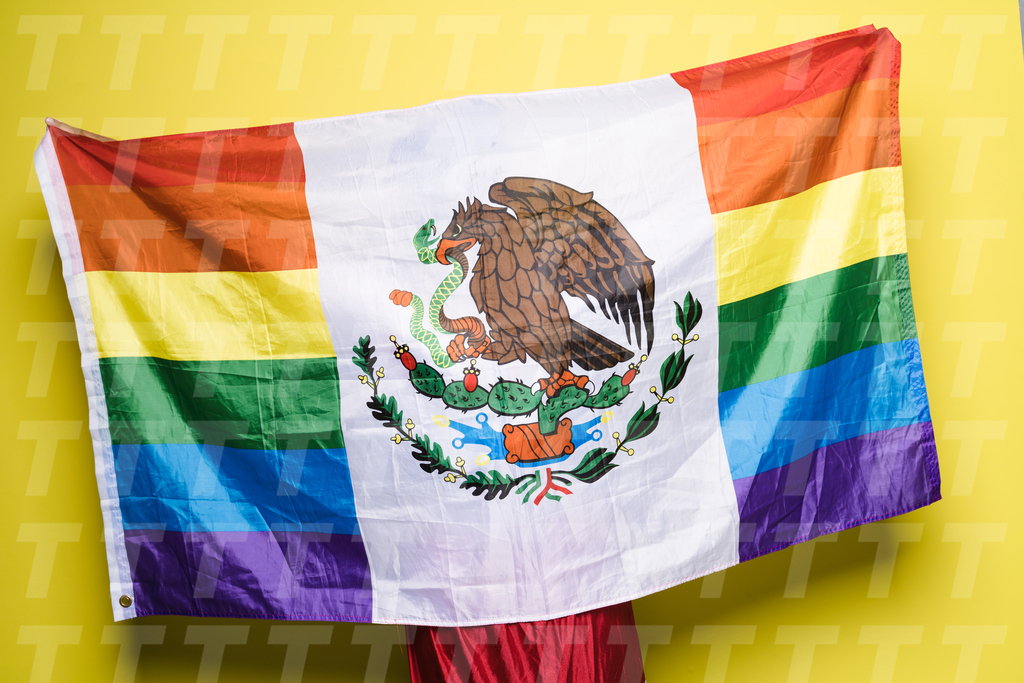
On what he loves the most about his heritage....
My Mexican heritage is my everything to me!! Nothing really compares to how hard I’ve fought to keep my Mexican origins intact when I left to attend American University, a majority Anglo-American school with a non-working class history. Really, it’s our revolutionary history that reminds me of how hard Mexicans have fought to keep our identities within the states. Mexico too, with its history of revolutions, has always made me proud of who we are and the rich stories it carries within our hearts. Our Emiliano Zapata, our Pancho Villa, our Vicente Guerro and etc. These heroes represent the valor and integrity of the Mexican working class, and also the non-white class who rose up to fight Euro-centrism, colonialism, and collaboration with US imperialism within our country. Our indigenous, Black, Asian, and Middle Eastern influences should not be excluded from this heritage either. Mexico is of diverse stock and has always been like that since the days of independence. Unfortunately, because of colonialism and later, imperialism. However!! We should be uplifting these voices within our own communities in the states, understand that the monolith of “Mestizo” does not apply to everyone, and constantly fight reactionary nationalism wherever we may be.
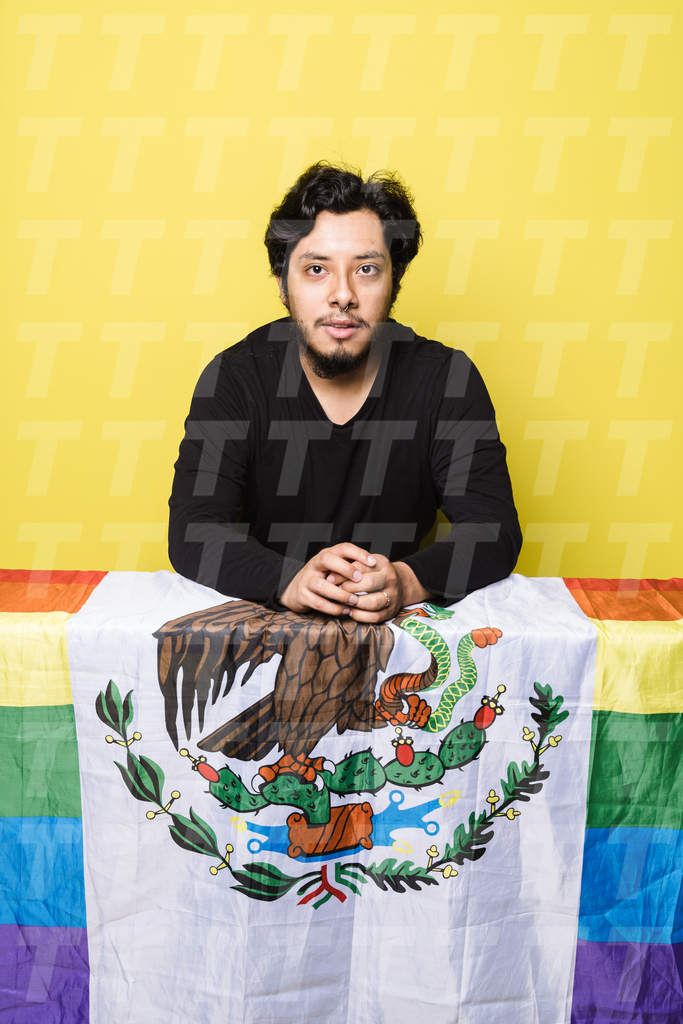
On how he shows up for the LGBTQIA+ community....
I would go beyond this to say that I’ve done community organizing work in more than just the LGBTQIA+ community, of which I’m starting to dip my toes into. Really, a lot of my work has been focused on educating myself in the present on how to build up our organizations and local work beyond just short term needs. In reading theory, one must develop a practice in which I’m currenting in the reading process. But in the past, I’ve done mutual aid work in the community, working with other comrades to alleviate short term needs during the pandemic when the City of Chicago decided to abandon the working class and non-white neighborhoods of the city in favor of increasing funding to the police, which became a trend across democratic cities in the country. Doing this work was important because it demonstrated the need of aid and security that was lacking in my neighborhood of Albany Park, and security not as in more police but as in economic aid, rent relief, housing our homeless population, and so many other things that the Mayor Lori Lightfoot who herself is a Black, gay, woman, refused to do for queer working class people suffering in the city. It also showed how queer comrades such as myself and others were being on the frontlines helping community members, even if they were queer or not, and demostrating that queer people are also revolutionary, serving the people wherever we may be. That’s the difference between performative acts of “aid” that we see so often from people in power like Lightfoot, who claim to be apart of the community since they themselves are queer, versus those who actually give a damn and put their lives on the line to protect our families, loved ones, and our other queer, homeless and trans comrades. This is the difference, and one that many of us within the LGBTQIA+ community need to realize sooner rather than later.