RAMPD: Disability Pride Through Music
We are committed to aligning with companies to help make their products more inclusive in a variety of image driven ways. Over the last two years we've partnered with the Product Inclusion & Equity plus Responsible Innovation teams at Google to provide thousands of images of people from historically marginalized backgrounds in order to have representative data that reflects the experiences and needs of all people who use Google products. "When products are not built using diverse and representative data, they can end up being less useful for everyone. So we’ve been retraining some of our earlier machine learning models with more inclusive datasets: sets of data we use to build our hardware and software products," Sydney Coleman, Product Inclusion & Equity Team Member shared in the latest article regarding our partnership.
In working together, Google was able to use more inclusive datasets to create Real Tone on Google Pixel, which represents skin tones authentically and beautifully for all users.
The models represented across the gender spectrum, models with darker skin tones, and models with disabilities (and people who represent the intersectionalities of these identities). In this recent TONL Narrative with Chronicon, we spoke about their involvement in the photography we created, and today on International Day of Persons With Disabilities, we would like to highlight RAMPD of whom we also worked with to create custom images featuring and centering individuals with chronic conditions and disabilities.
Music is a universal language that anyone can create, experience, and enjoy. RAMPD ensures a seat at the music industry table for musicians with chronic and physical disabilities. Standing for Recording Artists and Music Professionals with Disabilities, the organization actively works to create an equitable space for people with chronic illnesses and physical disabilities in the music industry. This includes promoting musicians with disabilities, making concerts and music venues more accessible for people with disabilities, and raising awareness of the solutions to the struggles that people with disabilities face when navigating the music industry.
TONL spoke with Lachi, Namel Norris, and Ryan “Gooch” Nelson, three of RAMPD’s co-founding members, about the RAMPD collective and how the platform allows them to use their musical talents to amplify the voices of people with physical and chronic disabilities.
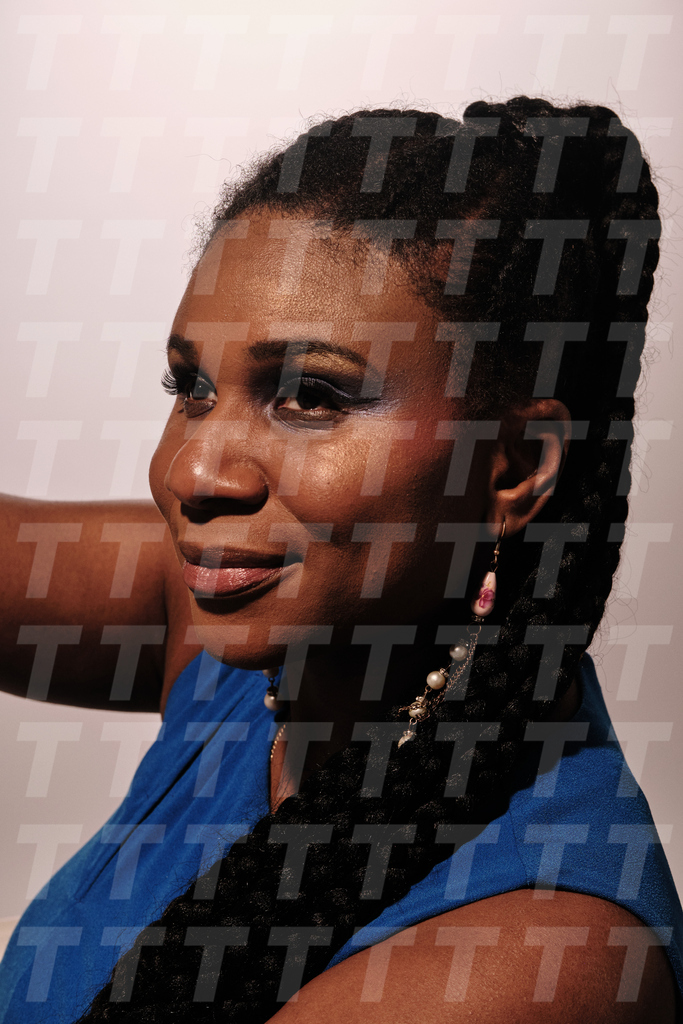
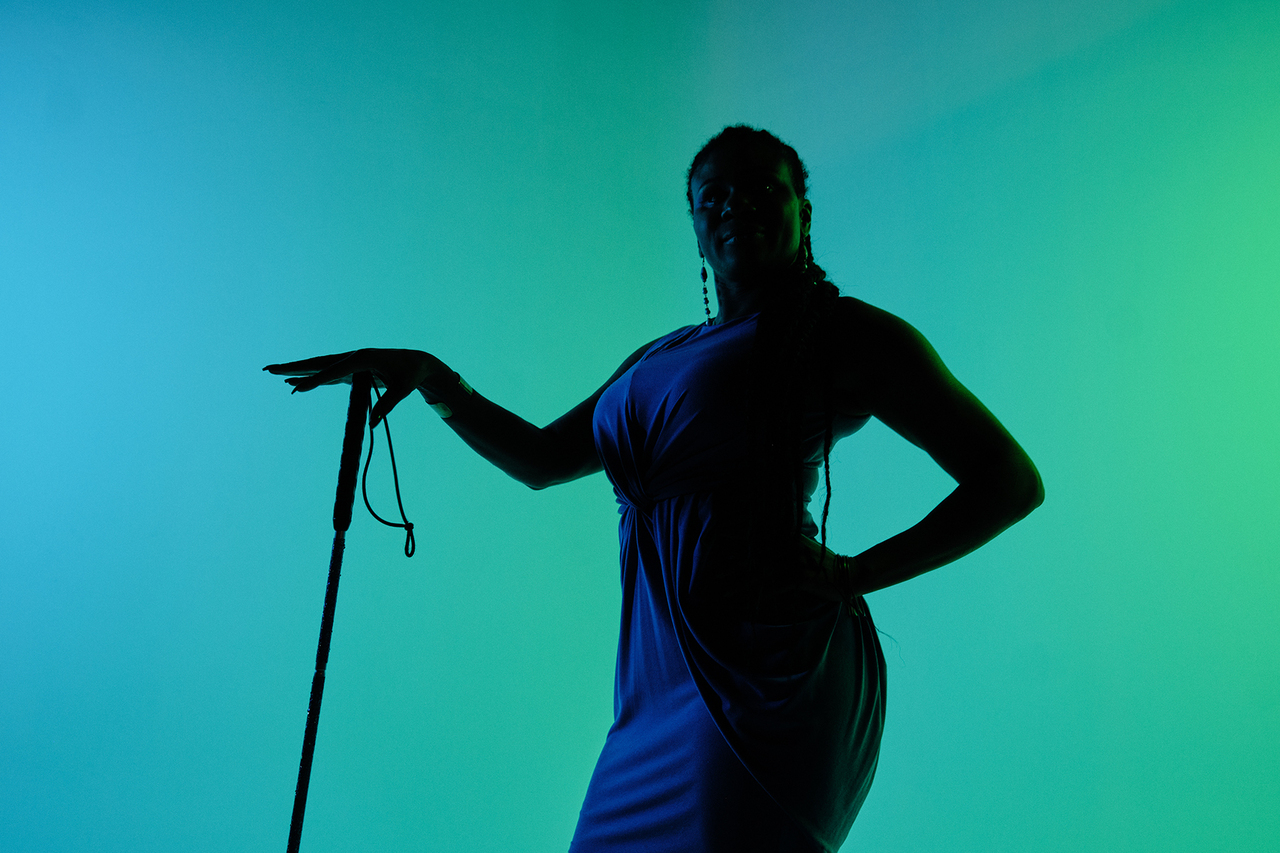
Meet Lachi, an award-winning recording artist and songwriter. Her music has been featured in Billboard, Forbes, the NY Times, Essence, and more. Born legally blind, she always had a passion for music but felt limited in her career path because she didn’t know of any blind people in the music industry. She created RAMPD to make disabled artists more visible in music’s mainstream culture.
TONL: Can you tell us a little bit about your story?
Lachi: I was born legally blind and only more recently did my blindness really start to degrade from low vision to no vision. I’m a Black female, the sixth of seven children, and my parents are from West Africa. Because of all of those [identity and cultural] differences, growing up in America, I really hid a lot of myself. I spent a lot of time alone because, since I wasn't fully blind, people didn't know what box to put me in. Educators didn't know at that time how to deal with disabled children and society just wasn't ready for that. So, I kind of took the straight, narrow line; my parents told me to get that day job and go to college, which I did. Music was always in me, but because neither myself nor my parents could point to someone out there and say, ‘ this is a trajectory you can take to kind of become that person,’ there was no one I could place on my vision board that I saw on TV, radio, or the internet that had my situation. And so, I just didn't do it.
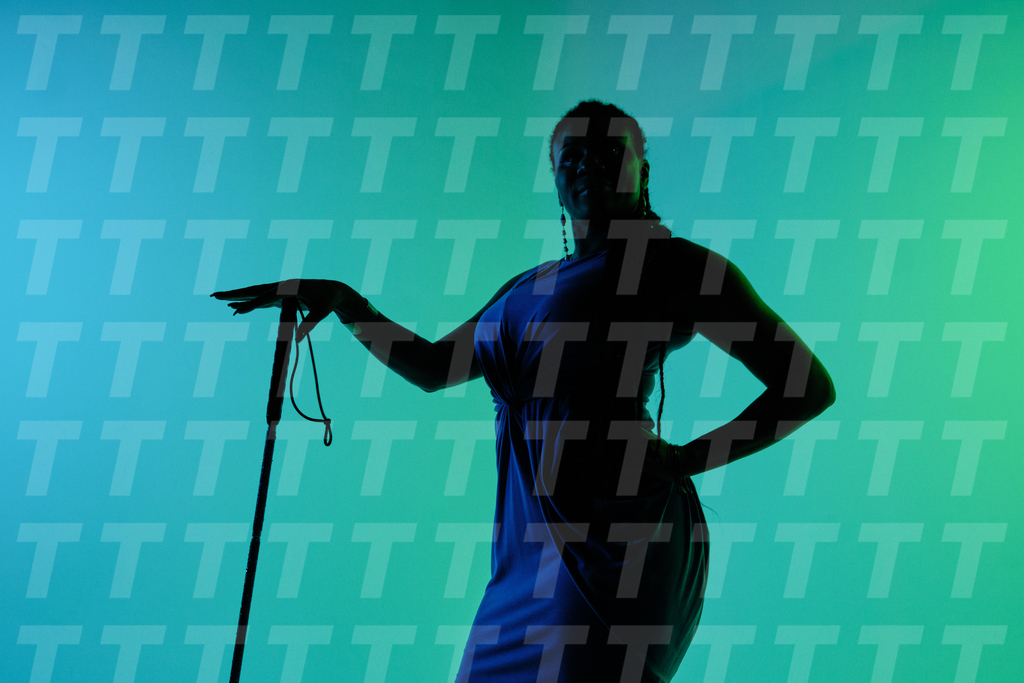
Flash forward [to today], it's one of the reasons why I'm so passionate about making sure that we build [disabled] role models, especially in the music and entertainment industry. I wouldn't want someone else who's eight years old and trying to see who they can place on their vision board have their dreams dampened just because there's no one else out there [with their disability] already doing it. It ended up that music brought me out to New York, and then eventually really took me to where I am now.
TONL: Can you tell us about how RAMPD got started and what role it plays in the music industry?
Lachi: Funny thing is that you use a ramp when you have a disability. And so RAMPD is the perfect acronym, right? Really what we are is we're a coalition of top and established creative artists and creative professionals who identify as disabled, deaf, having a chronic illness, having neurodiversity -things of that nature. What we do is we amplify disability culture, promote inclusion, and we advocate for accessibility [in the music industry]. People ask ‘what exactly is disability culture?’ And really, disability culture in the music industry is our stories told through creativity. It's our art. It's our words. It's our poetry, It's our worldviews and it deserves to be celebrated.
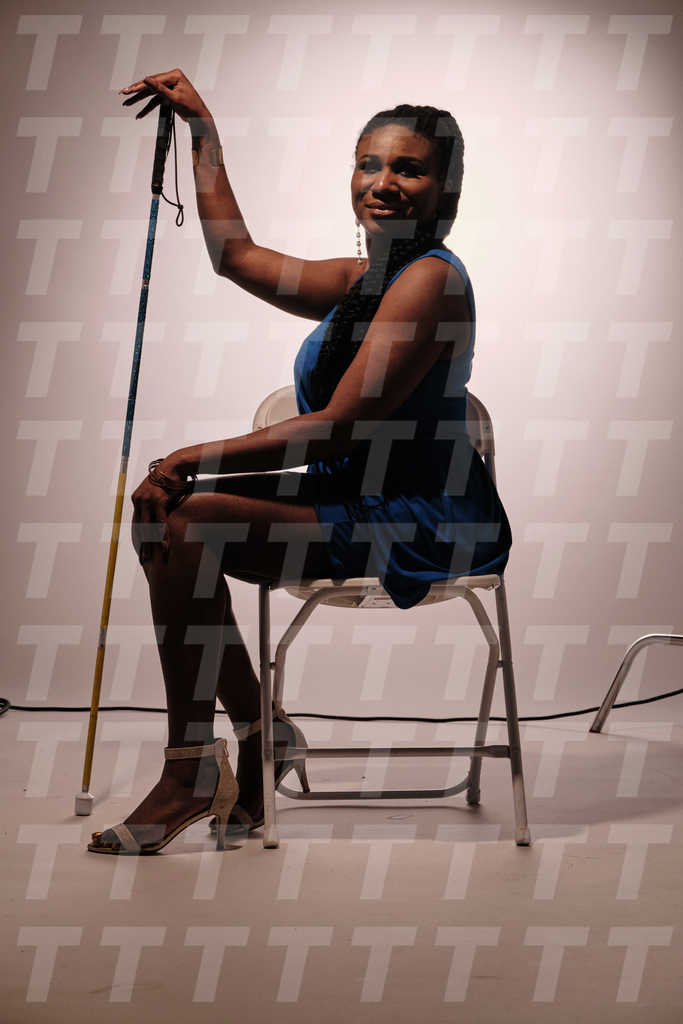
We want to amplify disability culture, because the more visibility and spotlight is put on [the disabled], the more normalized, for lack of a better word, disability will become to the mass market listener. We believe that this will be achieved by having our stories authentically told, and by having people with disabilities being the ones telling it, showcasing it, being the ones in the boardroom, being the ones on the stage, being the ones writing the checks. Music is a universal language that anyone can understand. I like to say, just like how hip-hop brought out Black culture and country brought out rural culture, we're trying to bring out disability culture through great music as well.
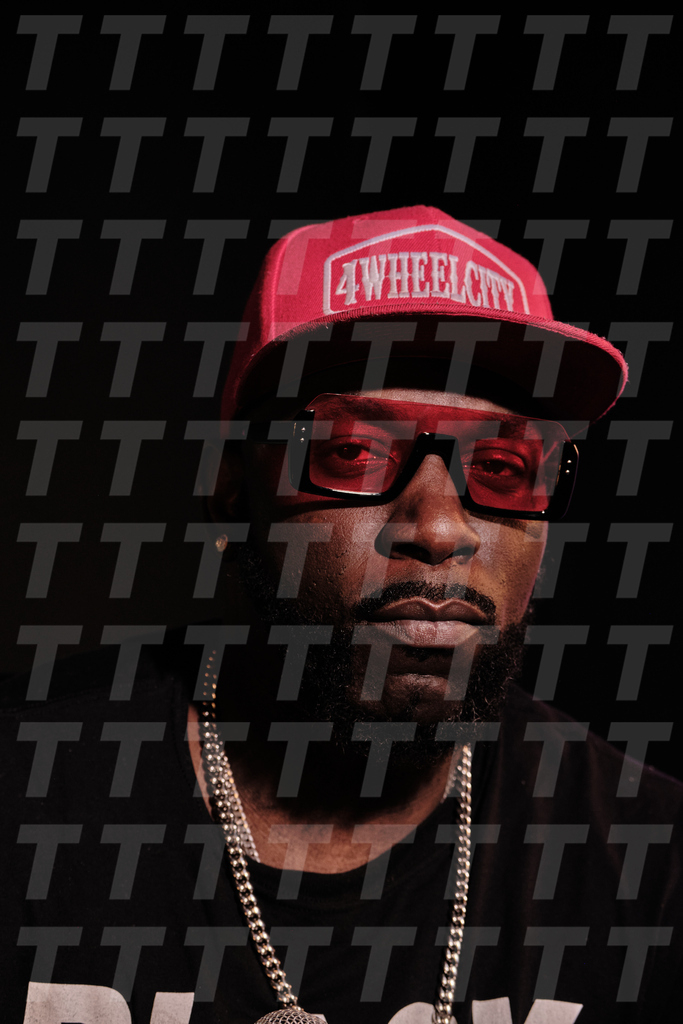
Meet Namel Norris, aka TapWaterz. He is a hip hop artist and disability rights advocate whose music has been featured in XXL magazine, Source Magazine, Revolt, and more. Namel understands the storytelling power of music and uses his position in the music industry to give a voice to the experiences of those in a wheelchair.
Namel: Being in a wheelchair from gun violence when I was 17, I thought my life was over. When I first got injured, I realized that there was a lot of issues. But, I also realized there were no voices. I didn't see nobody that looked like me just on the scene. I know, we had Stevie Wonder, but I ain't seen nobody out there in the music industry who rapped about their disabilities.
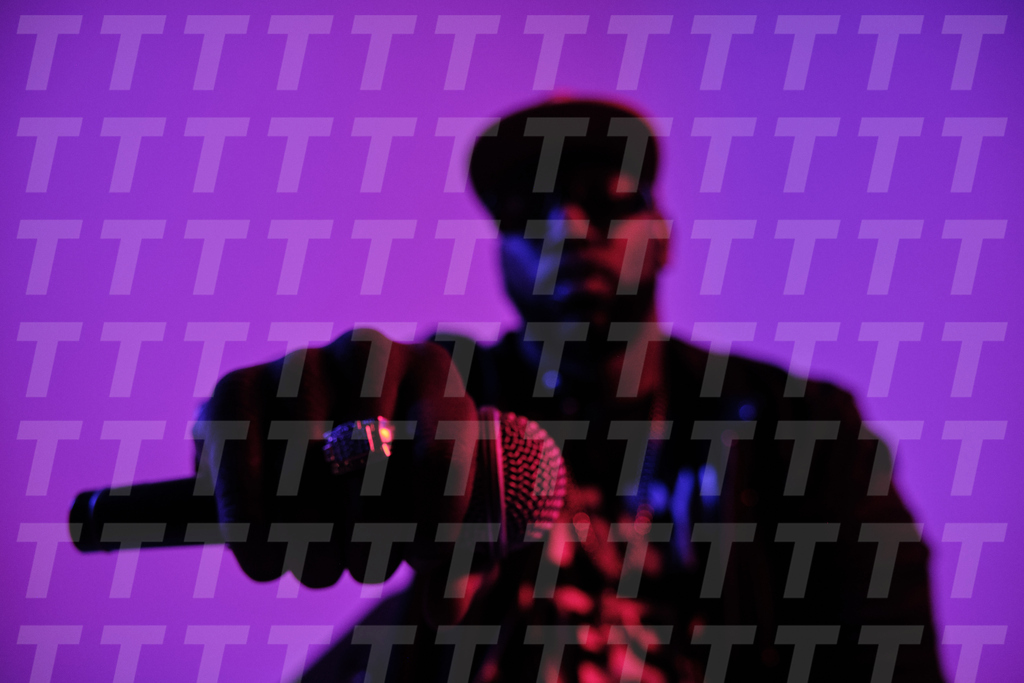
So, what I've been doing is becoming that voice; that visual for people to see that I didn’t see. Usually, when you see people with disabilities in the music scene most of the time, how they get accepted is when they’re doing music that is typical; saying things that everybody can relate to. But, you never really hear disabled people actually talking about what's going on with them. There's a whole culture out there of things going on in the disability world that needs to be celebrated and highlighted. So, I wanted to do that, bring those experiences to the forefront of my music.
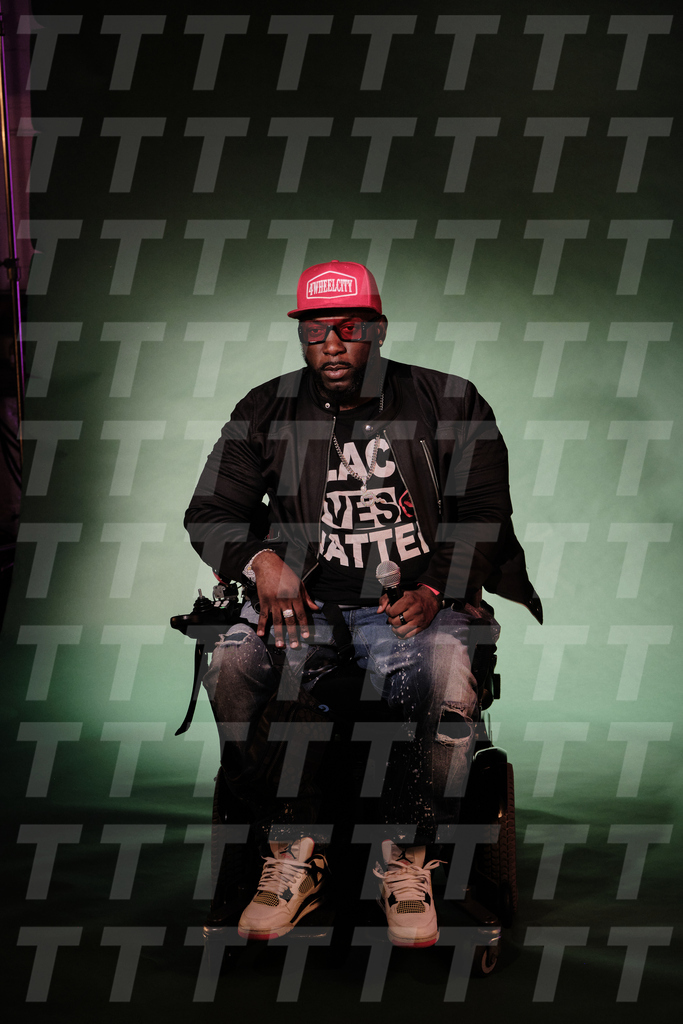
TONL: Like you said, what you've experienced, what you've gone through is not foreign, right? Especially with the prevalence of gun violence in certain communities in the United States. We know it exists, but it's never really talked about; it's not brought to the forefront. So, in bringing that to the forefront, how have you felt the impact of those efforts?
Namel: I feel like it's been a big impact. When I go to schools and speak to the youth about how they can achieve their dreams, I tell them what happened to me and to stay away from violence. But, my thing is actually to create songs that tell people about wheelchair accessibility. I have a song called “The Movement,” a ‘mainstream-sounding’ song telling people we need more financial inclusion, more accessibility. By having those songs crossover to the mainstream, we were on platforms like XXL, Source magazine, HipHop DX, Revolt, Apple TV, and Power 97. Last year we did a big Street Soldiers episode with Lisa Evans. That’s the goal: to have all those narratives [about people with disabilities] start crossing over in all these spaces that you don't normally hear [about people with disabilities] from, but still be cool and respectable. Like, you won't see me as different from a Jay Z or Nas. But you might just hear a different story.
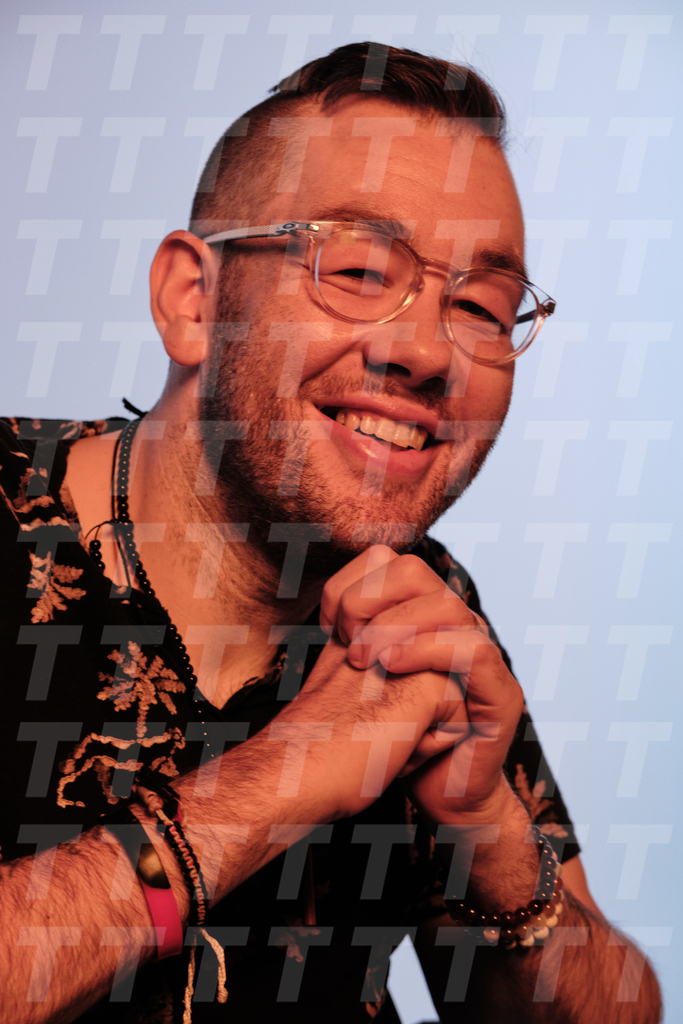
Ryan “Gooch” Nelson is a 37 year old blues guitar player, singer, and producer. He played guitar as a child, but his experience with guitar changed after a car accident rendered him paralyzed.
Ryan: When I was 18 years old, in 2004, I was in a car accident. I broke my neck and became a quadriplegic; I'm paralyzed from the chest down, including the bottom of my arms and my hands. So, I couldn't play guitar like I used to anymore and I had to find a new way to play. So I started putting that glass bottle on my thumb, laying the guitar on my lap and playing it that way. My injury directly influenced how I play music and how I experienced music, from everything from going to concerts in a wheelchair to trying to get on stages that may or may not have a ramp. It's influenced my music, what I write about, and how I play my instrument.
TONL: It’s interesting because there are lots of ways to play guitar and it's probably the case that many people wouldn't even think to venture into playing slide guitar, but it’s in some ways due to your disability that got you involved with that. Could you talk about what inspired you to pick up slide guitar?
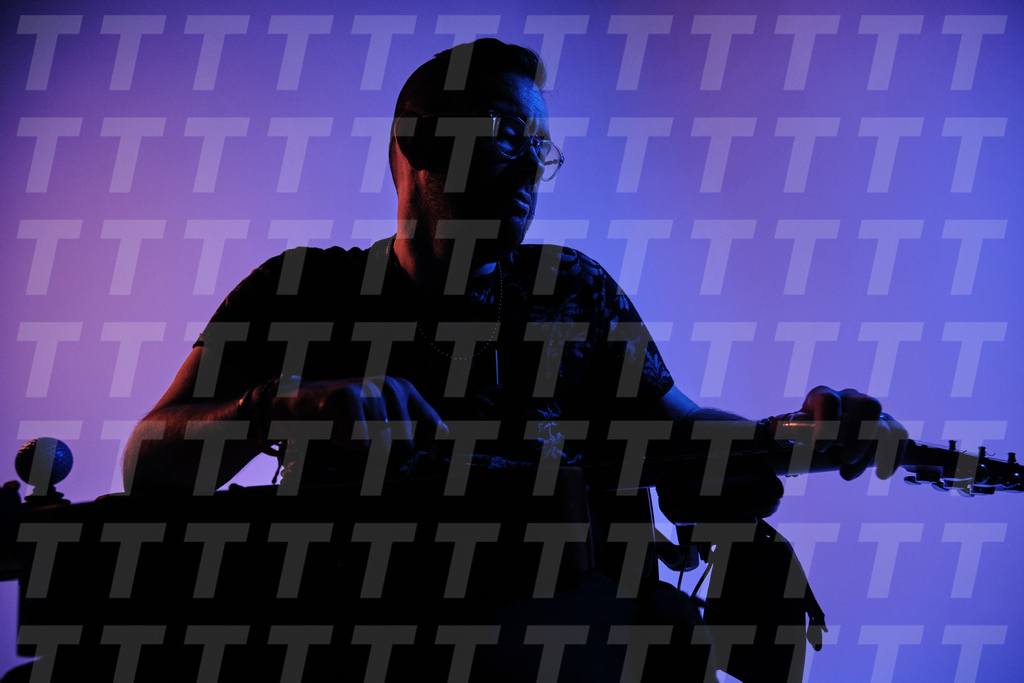
Ryan: My grandfather was originally the one who told me about slide guitar. He was a country guy and was really into country music. He had seen people playing guitar with a piece of glass and on their lap and thought maybe that would work for me. So that's the way I went. And then, I discovered slide guitar’s legacy that goes back all the way to the blues. And even further than that, people who were poor, down south back in the day would take chicken wire and stretch it from nail to nail and just play it with a piece of bottle because they couldn't afford instruments. It's always been kind of a type of instrument that conveys pain and emotion. It really lended itself to what I was doing and the type of music I wanted to make.
TONL: Now that you are in the position that you're at, especially with RAMPD, can you feel your impact as a quadriplegic slide guitarist within the music industry? How do these experiences reverberate within everything that you do?
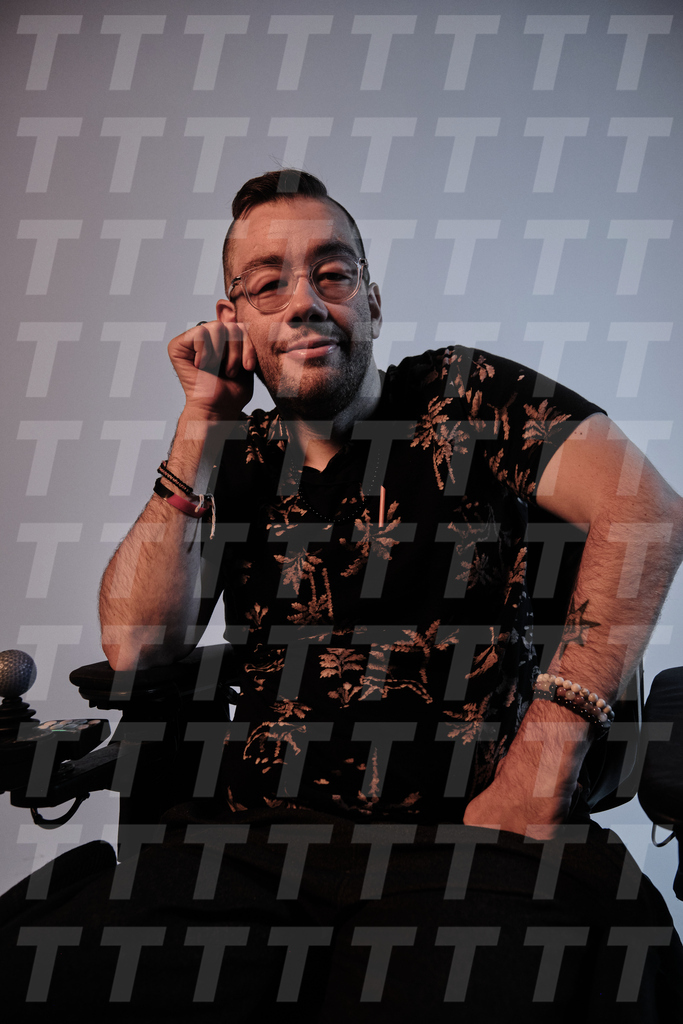
Ryan: Ironically enough, I've taught other quadriplegics how to play slide guitar. And it was so interesting, because I taught a guy maybe five or seven years ago, and he just sent me a video recently where he was jamming on stage with one of his favorite bands. They had brought him up to do a guest jam. And he was like, "thank you so much for teaching me slide guitar. I've been keeping at it and I'm now good enough to where they invited me up and I did a jam with them." So I've seen it reverberate in direct ways. Then, also through my advocacy work with RAMPD, I have my own foundation called the Music in Motion Foundation, where we raise money for music therapy in schools and hospitals.
There's a big diversity movement going on right now. And we want to be part of it. We don't want to be left out of that conversation. So that's what we're fighting for with RAMPD; we're fighting to create a better world for people who are disabled in generations to come.
Interviewed by Darren Agboh for TONL