STEM, Reimagined: Woodworking and Mathemetics
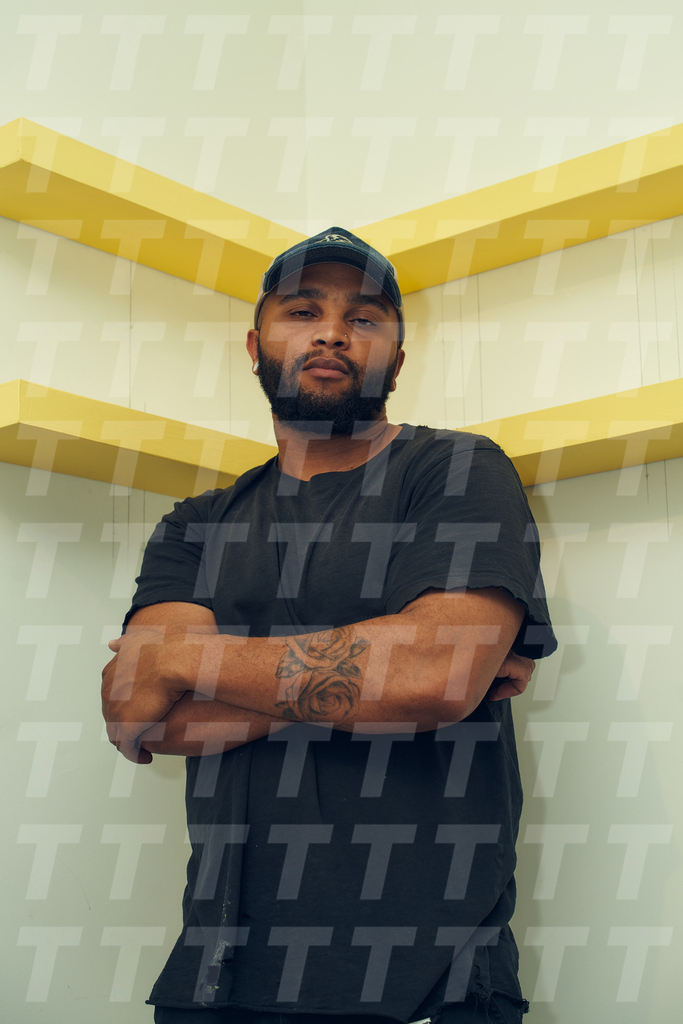
When most people think about mathematics, especially in STEM fields, they think of it as a technical and intellectual exercise. However, mathematics is also something that can be applied to and used in everyday life, and it's more in people's lives than they might realize. To understand more about how math can be incorporated into everyday tasks and activities, we sat down to talk with Owen Hart, a multimedia artist and woodworker based in Washington, DC. As someone who has a mathematics background, Owen takes his perspectives and skills towards mathematics and applies it to the woodworking tasks he does. We spoke to Owen about his mathematics journey from grade school and beyond, his inspiration to tie mathematics into he uses woodworking to empower people and inspire them to use mathematics to achieve great things in their lives.

Owen Hart (O): My name is Owen from the DMV; born in DC, raised in Maryland, schooling and in DC. On my math journey, where I really started to stand out [in math] was [at] St. Anthony's Catholic School in Brookland. I transferred there in the second grade, and that’s when I [was] recognized for being advanced in math. Before that, I remember [reading] ahead in my math books, because the math I was doing was like, “I got this; I'm on to the next.” At St. Anthony’s, I remember being separated into a group of me and three other students who were advanced in math and having the opportunity to do advanced math, even in second grade. And then, all throughout grade school just being more advanced at mathematics from second to eighth grade.
From K-12, everything was pretty easy, right? So, once I got to high school, I was in advanced algebra. I was in Honors Algebra Two, then went on to Pre-Calculus. And I was doing pretty well. Once I left high school, I thought I could do like engineering or something like that. But because everything was so easy in elementary, middle and high school, I didn't learn study habits. So, when I got into college, it was like, “oh, no, you can't just float.”
TONL: That's real, though. Because, in some ways, math comes very natural for some people. But when people go into more rigorous academic environments, their appreciation and attitude about STEM and math can change for better or worse. So, given those feelings, how was it for you going into college and trying to pursue math?
O: I mean, it was tough. I took Calculus and ended up getting a C. That was enough to move on to Calculus Two and Physics. The math in Physics was completely different and I was like, “Ah, maybe this isn’t for me.” I eventually failed out of the Mechanical Engineering program because you couldn't get below a B in any major class. I was a pretty average student. So, I was good at getting C's.
TONL: It was probably a whole cultural shift for you, going into that situation and having to deal with the challenge of STEM in that way. How did you come up off the transfer from that engineering program? What were your thoughts and feelings towards math at that time?
O: I still had an affinity towards numbers and math. So, I thought, “what else can I do?” I floated around for a little bit on academic probation, got into Geographical Information Systems. But then I was like, “Nah, I'm good.” I eventually landed on Financial Economics and Accounting. So, I just found another way to apply numbers.
TONL: Yeah, it's funny, you say applied numbers, because I think, when people think about different types of math, some might say that finance and accounting is more applied and engineering is more theoretical and scientific. What was that shift going from theoretical math to applied math?
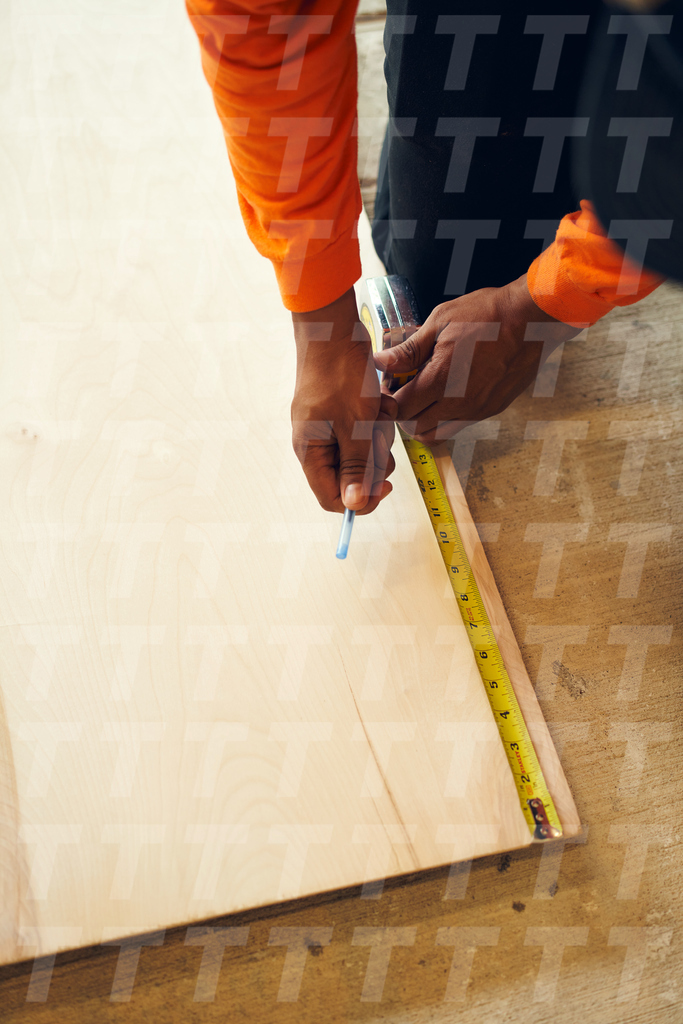
O: It was easy for me. Like you said, it was more like putting numbers into formulas and then getting numbers out, as opposed to putting numbers into formulas and getting letters out. As far as that goes, I'm putting numbers into a system and I’m getting more numbers out throughout the whole process that I can use to do stuff. I was like, “okay, this makes more sense to me.”
TONL: Right? It makes more sense, because it seems like something is happening, like you're doing something with the numbers. So, what do you do now with math?
O: I mean, everything for real. But that’s just the way I see the world; through numbers. That's how it makes sense of the stuff that I see. Whether it's counting money, saving money towards a goal. I do bartending now, so I can keep track of numbers real quick, like knowing how many ounces are in a drink. When it comes to photography, and videography, you know, cutting videos, makings photos, using the rule of thirds, and knowing the fractions and decimals that's make up shutter spend and aperture. Stuff like that.
TONL: Let's talk a little bit about woodworking and mathematics. What inspired you to get into woodworking?
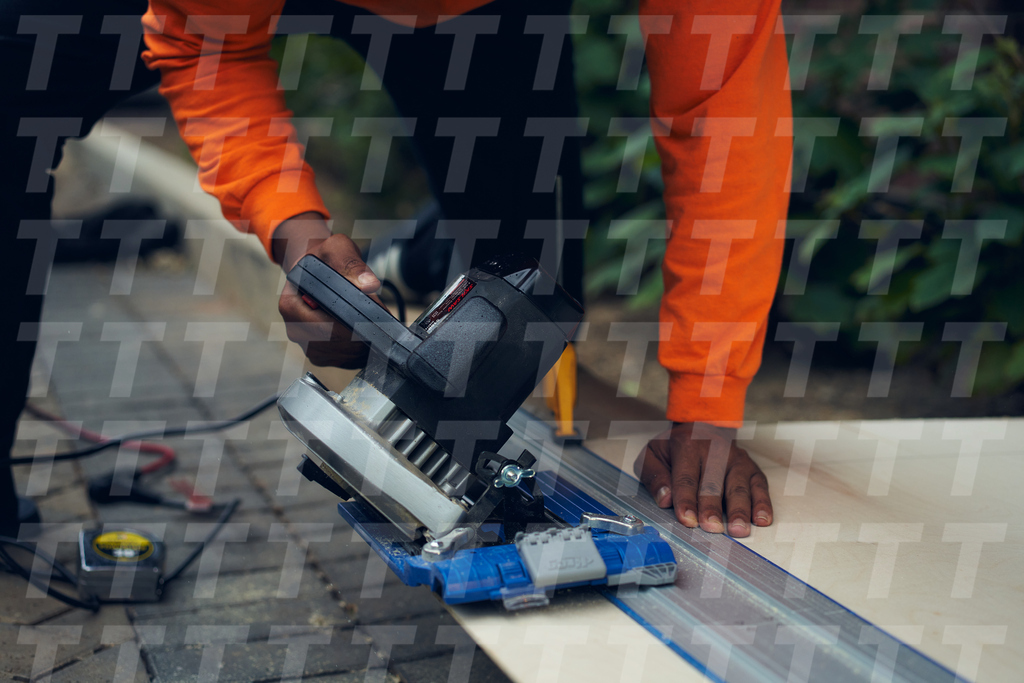
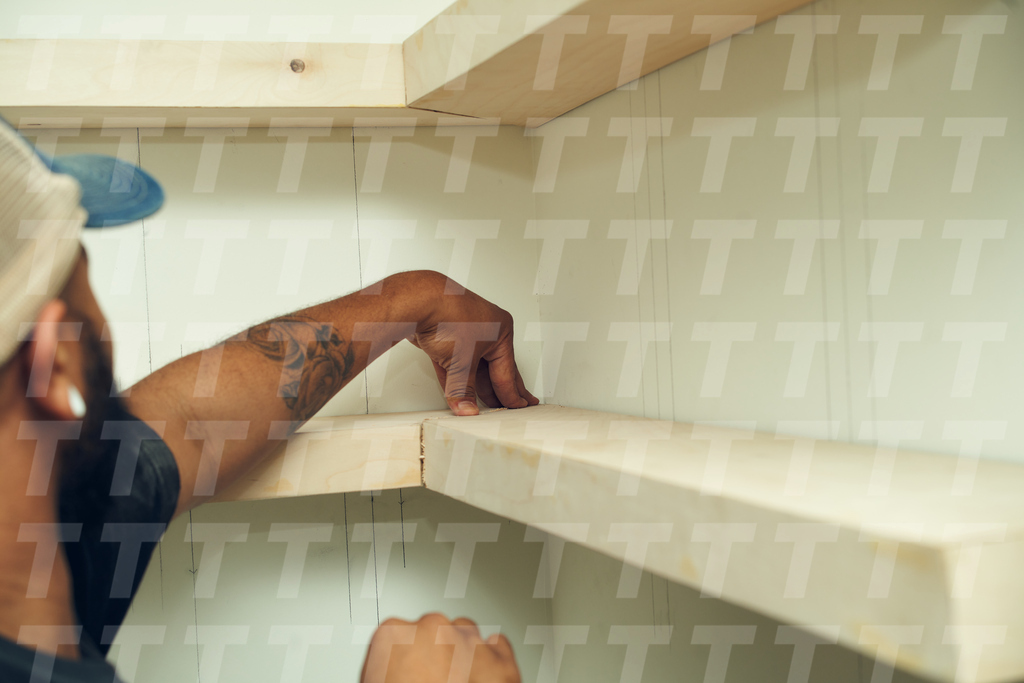
O: Well, I want to build my own house. And I was like, I don't know how to do that. So I had to learn. So, I jumped into carpentry school. And in the first interest meeting, they [said], “if you stick with this jawn for years, you’ll learn how to build your own house.” And I was like, “okay, smooth.” So, I did it. And then eventually, [I felt I] was learning way too slow. I needed to be more hands on, to do stuff for me to learn. So I hopped onto YouTube University to get my reps in.
TONL: So, it really started off as you wanting to do something. And it required you to learn and understand how to apply math in a certain way, right? So, what was it like switching it up and using mathematics in woodworking? What were some of the things that you took away from your approach to math and applied to woodworking?
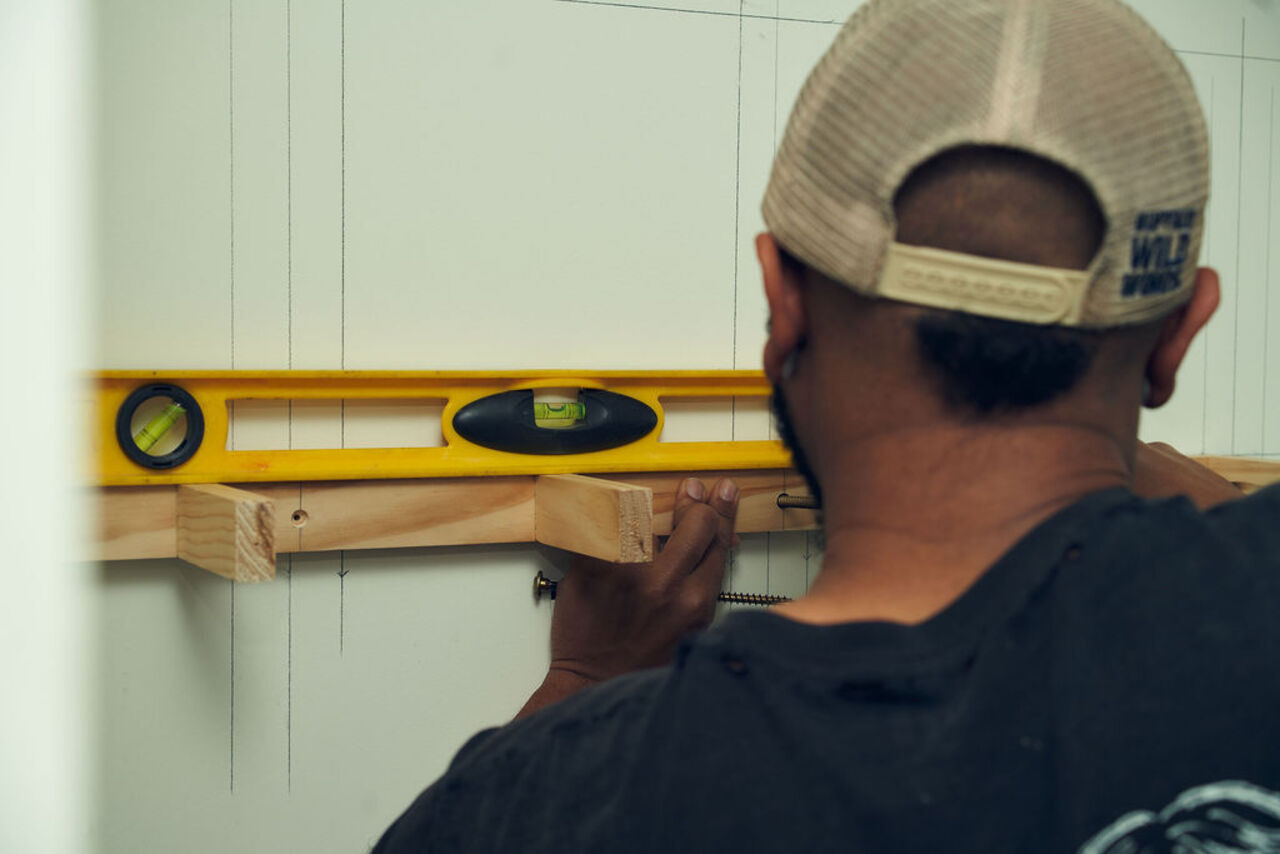
O: It was a lot of the math that people learn in high school that they say you'll never use in the real world [that] I started using a lot. So, the Pythagorean Theorem, using angles and figuring out acute versus obtuse, using geometry formulas to figure out different dimensions of things. It’s a lot of simple math put together to make very complex items that work for what you want, but also look good as well.
TONL: Math is a tool, right? Tell me a little bit more about how that too has empowered you throughout your woodworking journey.
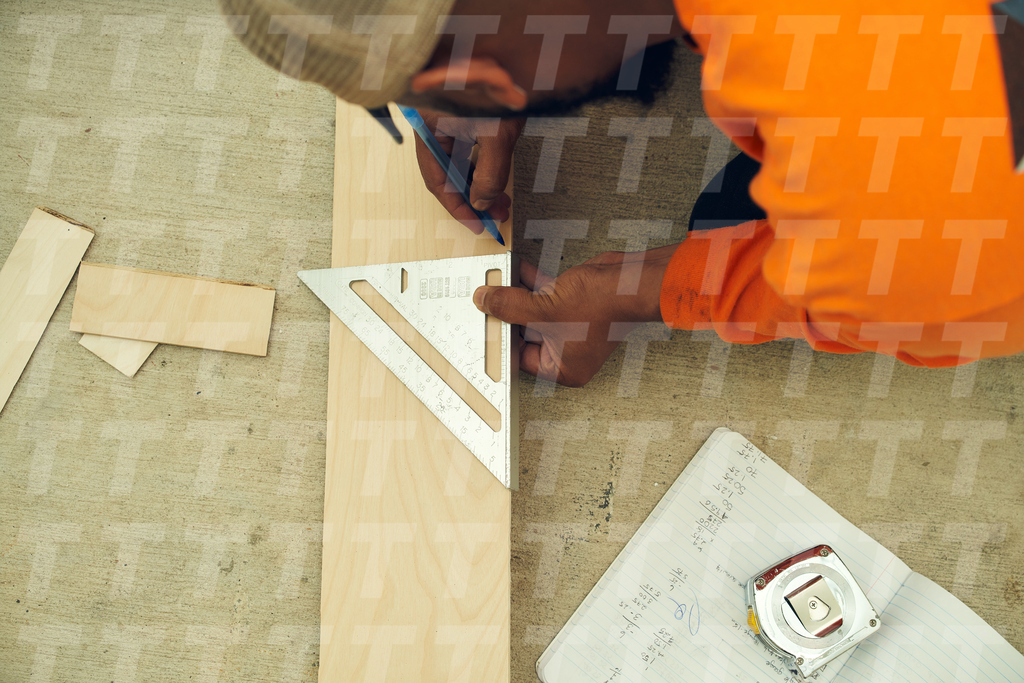
O: Having the ability to do the simplest things like addition and subtraction and division very, very quickly, allows me to, keep going through the [woodworking] process without feeling overwhelmed with not being able to do certain things. If you don't have math, you really can't do too much. You can draw stuff on paper. But even when you draw stuff on paper and you want to draw the scale, you need to have a scale that makes sense for when you apply it to what you're actually going to be working with. It's like using trying to use a screwdriver as a hammer, right, you gotta have the right tool for the right purposes.
TONL: You’re right, there’s more simple math that we use in our everyday lives that we don't even realize that we're using all the time. It's cool to hear you being able to take the things that we are kind of taught and know and use those as tools of empowerment to build stuff. You mentioned to me that you also like to get your clients involved in the woodworking process as you build things for them too. What was the inspiration behind like trying to teach people some of these woodworking skills too?
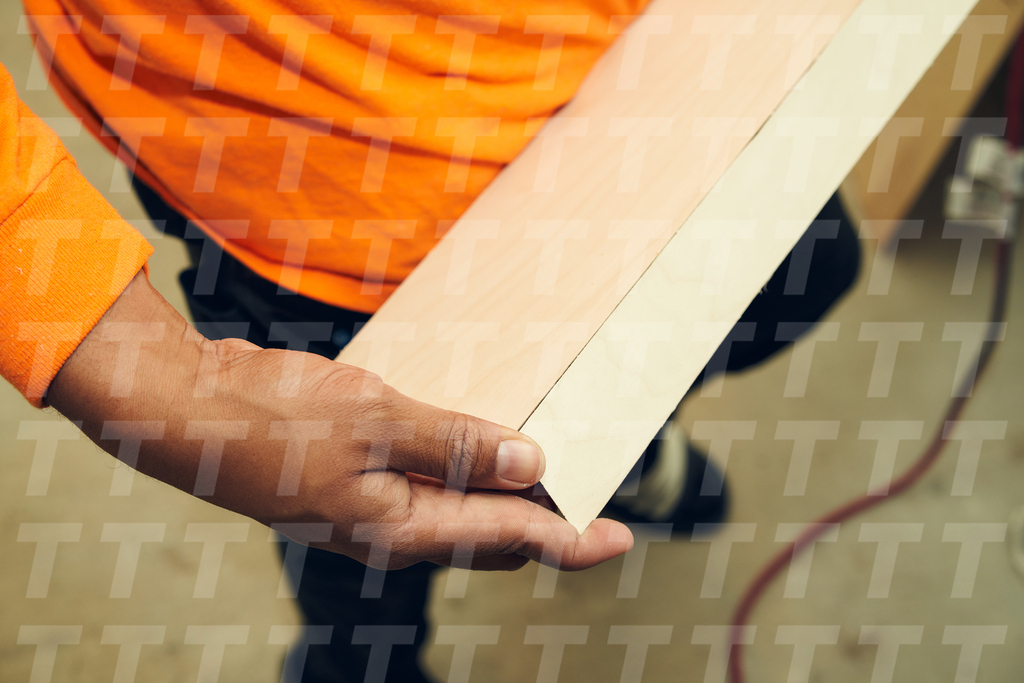
O: At this point, we're not very far away from knowing or learning a new skill. We are constantly just a little bit of information away from being able to do things on our own. [I’m] trying to help people feel comfortable doing these things on their own. I have this desire to teach people for people to feel confident in trying new stuff, venturing out and doing things that they would normally pay someone else to do. But nah, bruh. This is not as great an inconvenience as you think. The feeling that you get from doing it on your own is probably much greater than just paying someone to do it.
One of the first jobs that I did was a 12-foot by 24-foot mobile pop-up shop for my friend Tommy. Everybody that worked on it that saw it go from start to finish was like, “wow, we did that!” We now know that if we want to do something like this in the future, we have the capacity to do it. And we know how much it's gonna cost, we know how long it's gonna take, and we know that we have the capabilities to get this thing done.
Everything is accessible. Nothing is out of reach. And if you want to see something exists, you can build that jawn. Everything is accessible.