Storytelling Through Food: Suhoor at Mama Dely's Supper Club
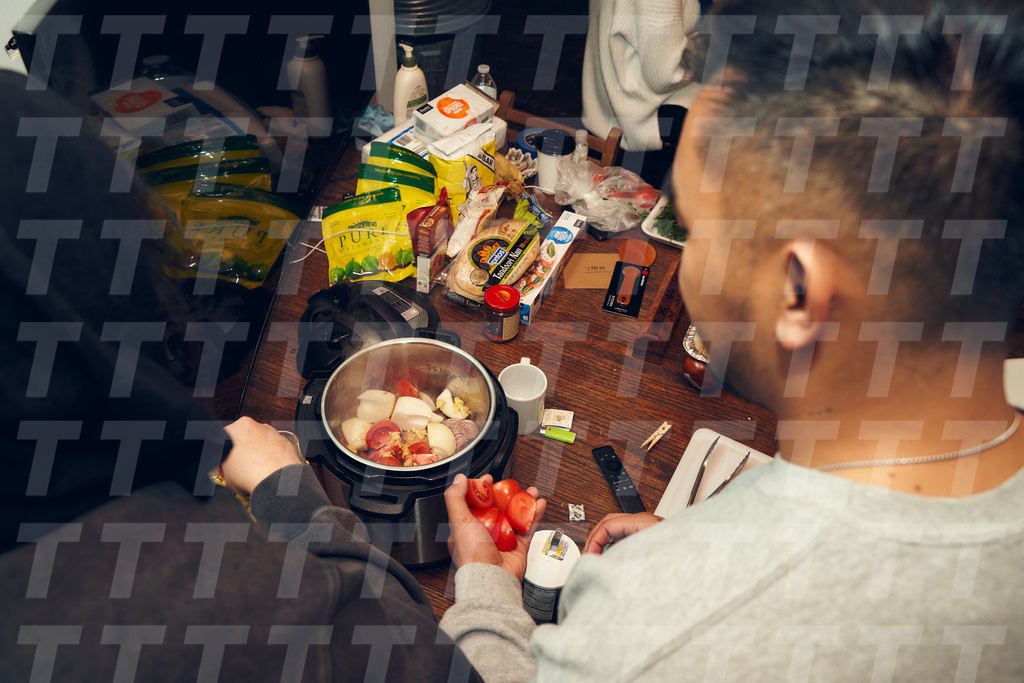
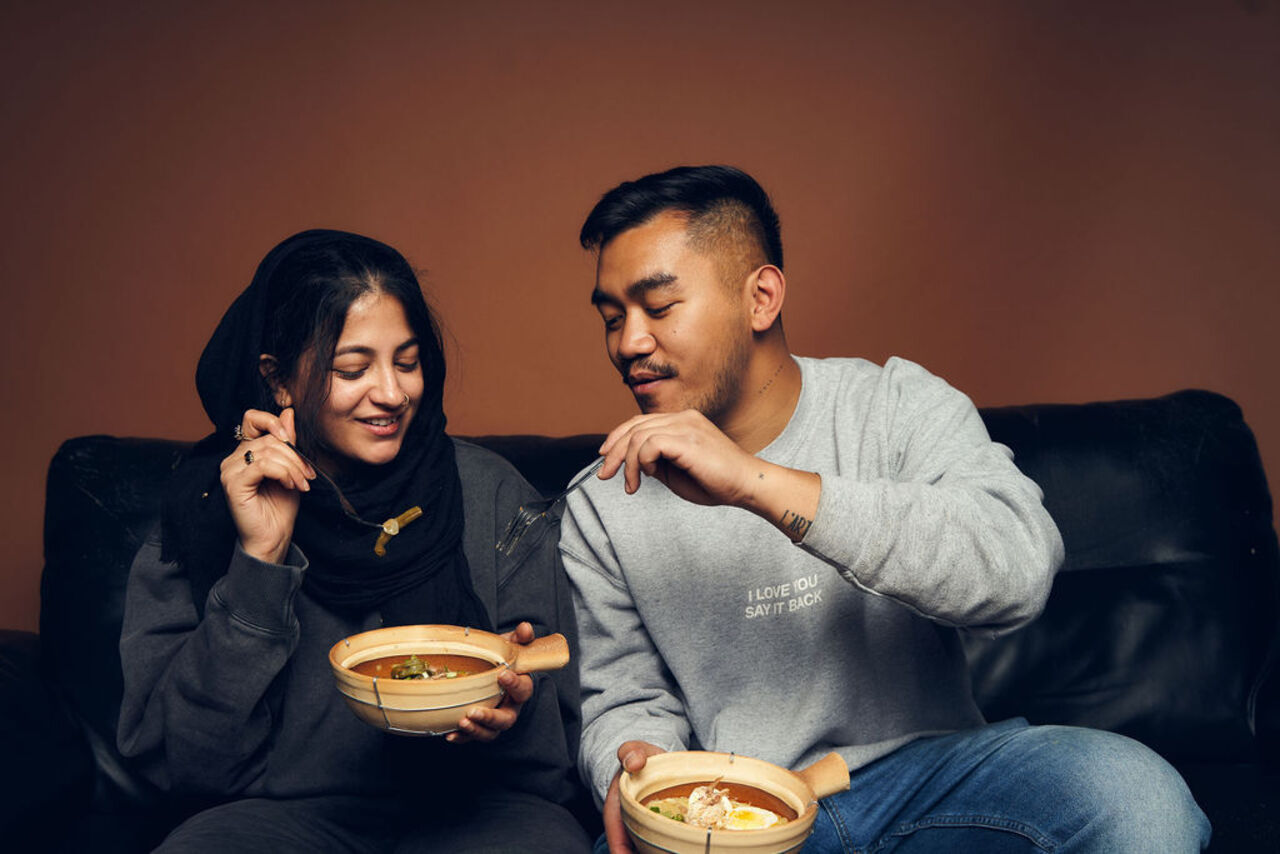
Ramadan Mubarak from your friends at TONL! For this season of Ramadan, TONL is sharing a story of suhoor, the meal eaten before dawn during Ramadan, after which people fast until after sunset. We sat down with Jarell Mique, a Filipino-American Muslim and founder of “Mama Dely’s Supper Club,” a series of intimate dining experiences that he hosts at his creative studio in Washington, DC. We spoke to him about the importance of suhoor during Ramadan, his decision to host a suhoor for the Muslim community in DC, and how that ties into the mission of his supper club.
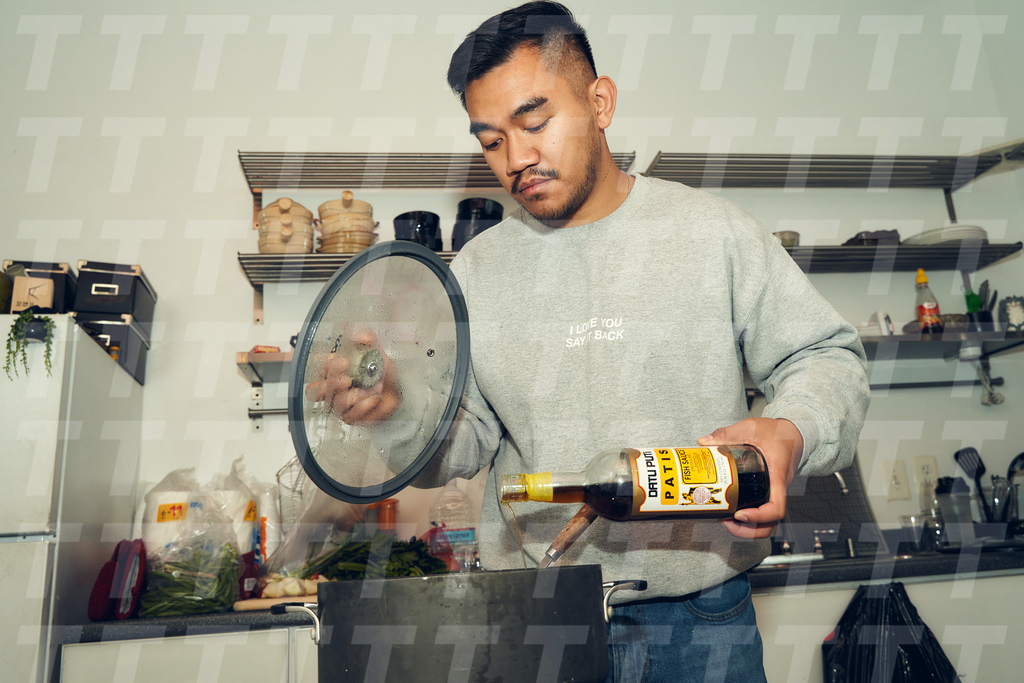
TONL: Tell me a little bit about suhoor. What is its purpose during Ramadan?
Jarell (J): Suhoor is a part of the fasting process, waking up and having food before [the sun rises and] you begin your fast. Most of the time, it's right before morning prayer. Families wake up together and load up on food and drink the last remaining bits of water that they can, and then either go back to sleep or start their days.
Every year, I normally host an Iftar and break my fast together with friends in the [DC Muslim] community. But this year, I felt really inclined to host a suhoor, where, instead of us breaking our fast together, we can be intentional about starting our days together. I’m doing it early in Ramadan to set the standard of what is to come [during Ramadan].
TONL: It sounds like suhoor is a really important time during Ramadan because you have to fill up and sustain that nourishment throughout the day. So, what are you cooking for this suhoor?
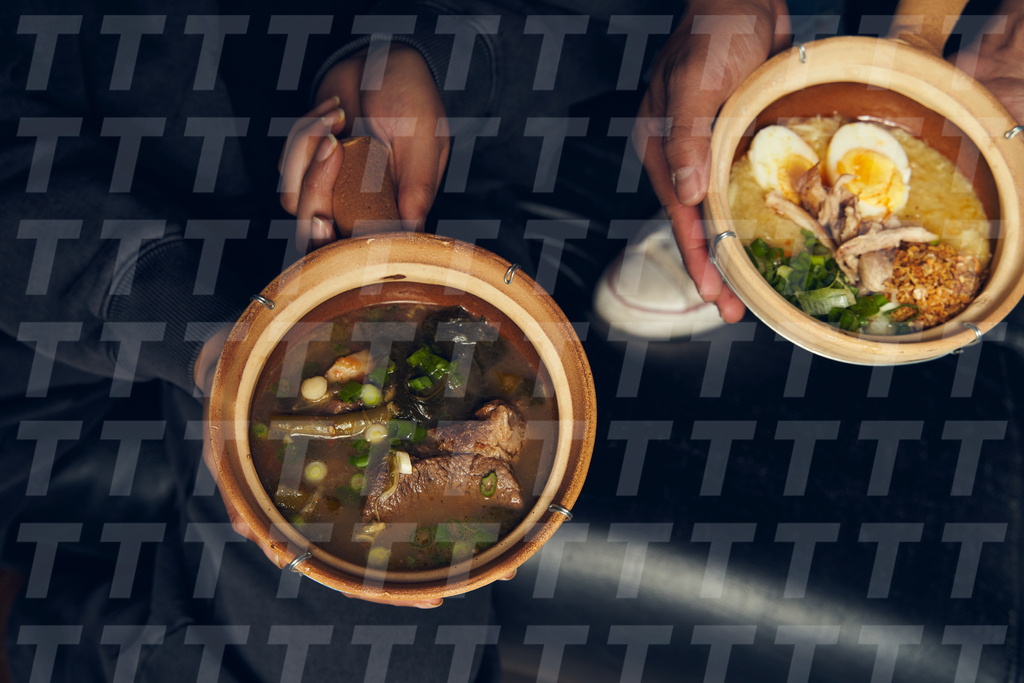
J: The menu for this morning is going to be three different styles of arroz caldo. It’s a Filipino dish that that is extremely, extremely popular and well known in Filipino culture.
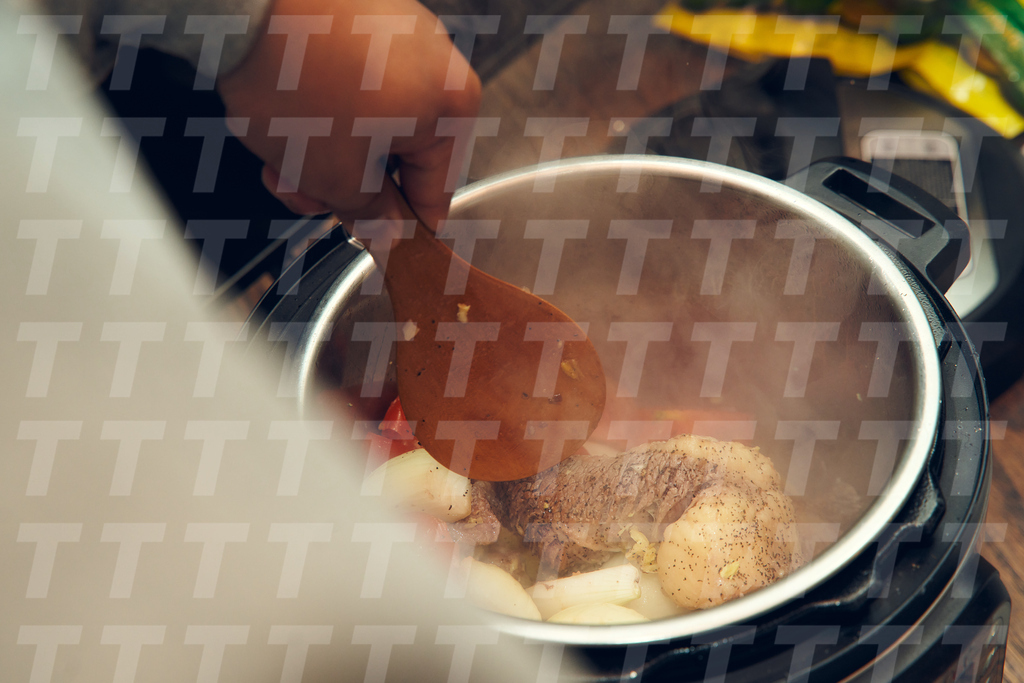
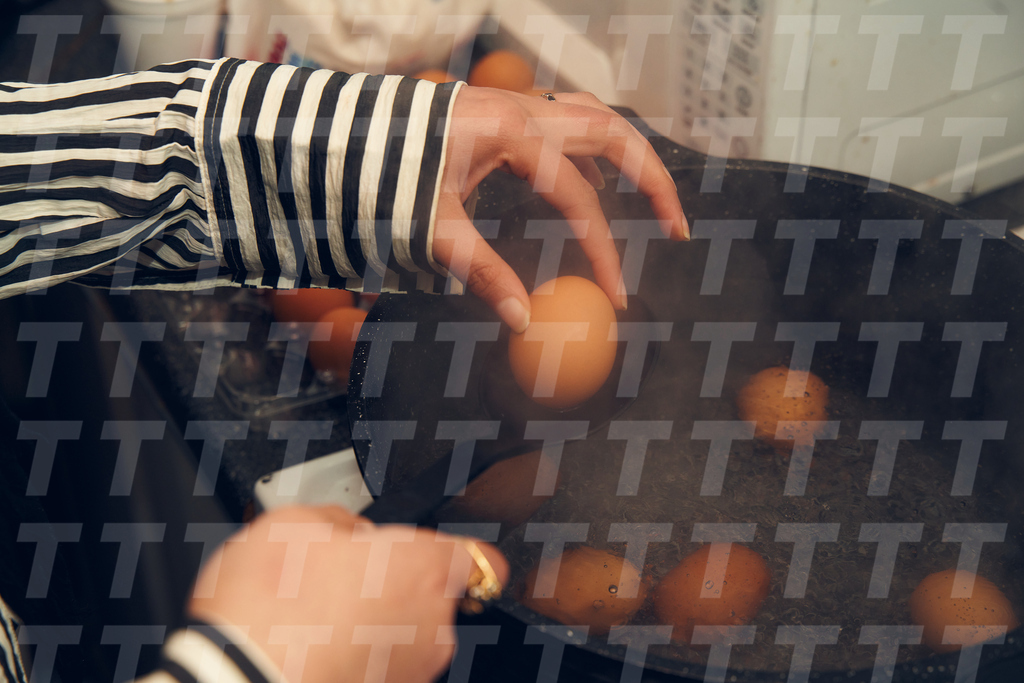
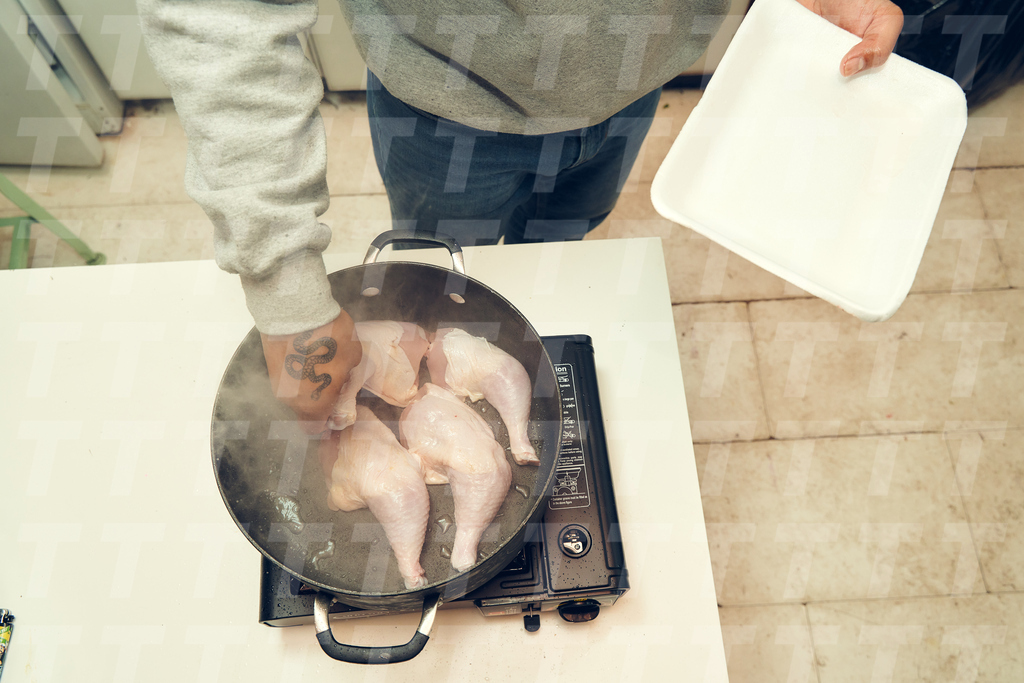
I wanted to put my own twist on a Filipino breakfast. The first one is the classic chicken arroz caldo, cooked in a chicken broth with ginger, garlic, and shredded chicken. For the second one, I wanted to add another twist, like a different essence to it. I used chicken broth but then added slow cooked tamarind beef. You just add the beef to the top of the arroz caldo and the two salty and sour flavors really contrast into something exciting.
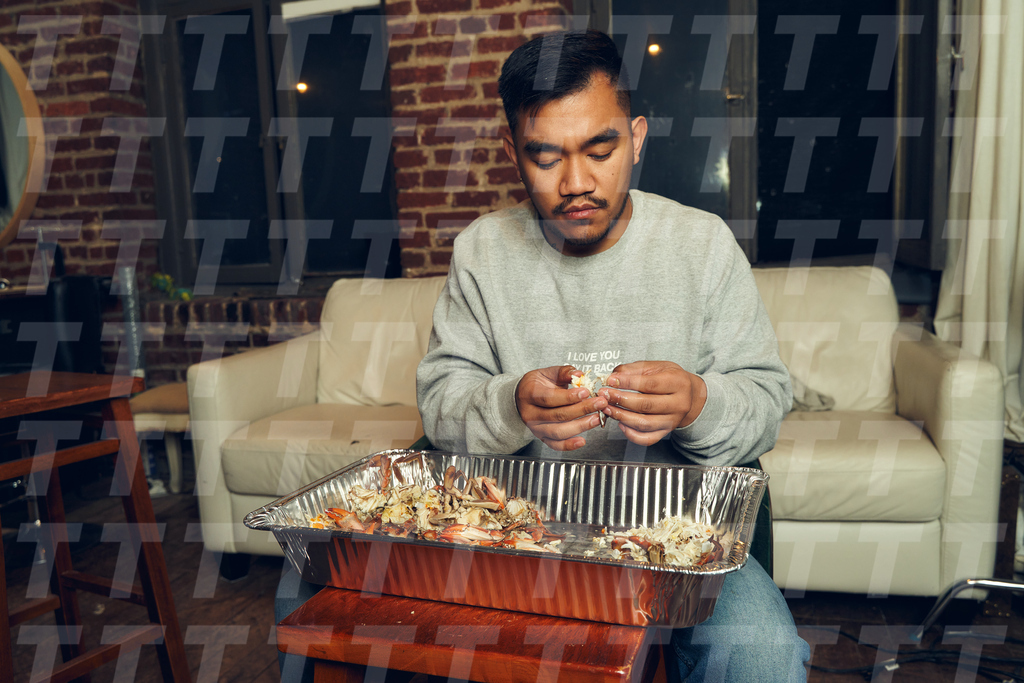
The third rendition is a seafood arroz caldo, which is basically crab. And it's crab, eggs, and fat. Instead of the chicken stock and the chicken bouillon that’s integrated with it, it's just fully crab, and a LOT of crab meat. When you eat the crab meat, it's like, it's way more delicate, so buttery and tender, but also still holds its shape more in that type of porridge. So that’s another exciting twist to arroz caldo.
TONL: That all sounds so delicious, and I love the twist of having three different options. What was the main inspiration for making arroz caldo in the first place?
J: I just wanted people to feel at home. When I think of a regular Filipino breakfast, normally, it's just regular rice, protein, and an egg. But, because its Ramadan, I didn't want it to just be solely focused on it being a meal from my culture; I also wanted to take people home themselves. And I felt like arroz caldo is such a nostalgic and a reminiscent flavor and profile. It’s kind of like a porridge, but there’s many words for it and many renditions of this dish across multiple cultures and cuisines.
I wanted people to feel like they’re eating with somebody's grandma. That's the whole point of the supper clubs I put together: to make people feel at home, bring people together and serve food that makes people happy and hits in multiple layers, emotionally, physically, and spiritually.
TONL: Tell me more about these supper clubs then. I’m guessing that this isn’t the first time you’ve done this?
J: I am so passionate about sharing my meals and bringing people together through food. I've been doing separate clubs for the past four years in my studio [called] Crate for Everything. It's been a journey of mine since I have a background in food. I was a nutritionist in the in the army, and I love food, I love cooking, and I love teaching people how to cook. But I'm also a natural born storyteller. So, I enjoy the art of sharing food and the history and legacy of food dishes. It's, it's so meaningful to me. That's why I started doing supper clubs.
TONL: I agree that it’s really important to tell stories and share legacy, and it’s dope that you decided to do that through food. It’s also an interesting choice that you decided to cook a Filipino dish for suhoor, given that people mostly associate the Philippines with Christianity. What was that like for you to do? You mentioned to me in the past that you converted to Islam from Christianity. Was this a time for you to merge those two parts about yourself together?
J: This is a part of my story and I'm so proud to tell that. And that's why I felt so inclined to do this for suhoor, because I felt that people need to feel the impact of why it's so important to me to share this. From my knowledge, Islam is a very prominent religion in the Philippines; it's not one of the majorities but, Islam was also the original religion before kept Catholicism… before we were colonized. I've done a lot of research on that and realized how under researched Islam in the Philippines is. So, this meal is a way for me to create that narrative within the Filipino community and the Muslim community; to tell that story and begin a legacy of representation for Filipino Muslims.
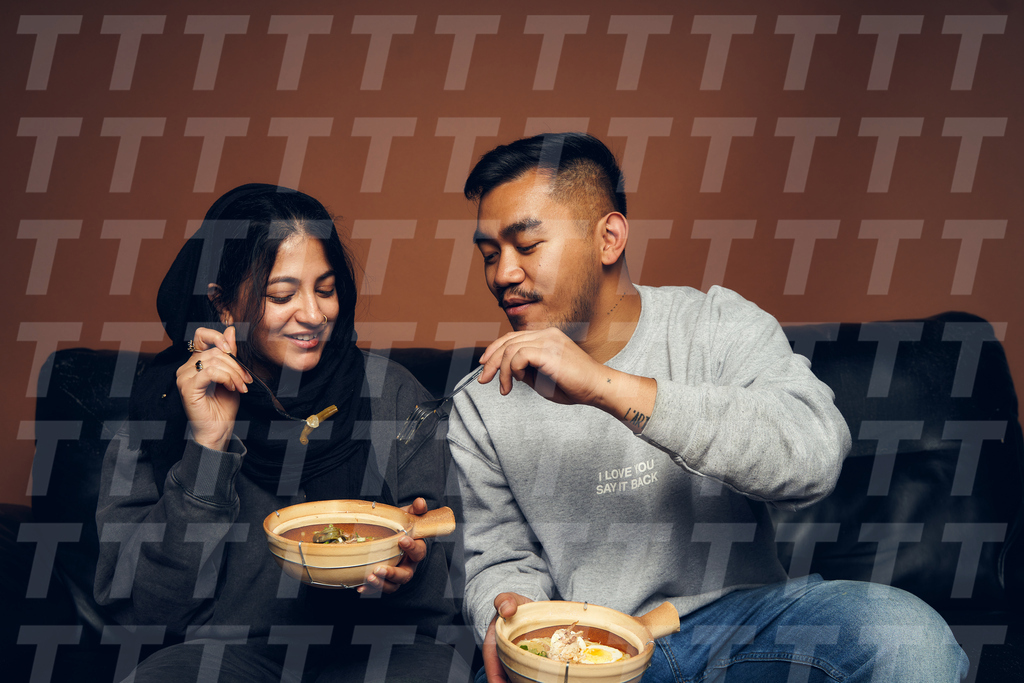
And for me [personally], when I'm making this food and I'm sharing this with my peers, these are the dishes that I'll be teaching and feeding my kids and using to feed my family in the future. This is all part the legacy that I'm building for my line of life.
TONL: How does this supper club tie into the legacy that you’re trying to create within your community?
J: The supper club is called “Mama Dely’s Supper Club” after my grandmother who's passed away two years ago. I don't think I had a proper grieving stage and a grieving period, around her death, especially because it was during COVID. But I was able to be there at her bedside, on her deathbed. And for me to now be able to honor her name and create a community under her name feels like a part of that grieving process that I'm able to unpack and share with the community. And so, I'm just thankful that I'm able to create a platform, not only for my community, but also just for me to be able to express myself and tell stories through food.