The Business of Resilience
written by Darren Agboh
14:30 minute read
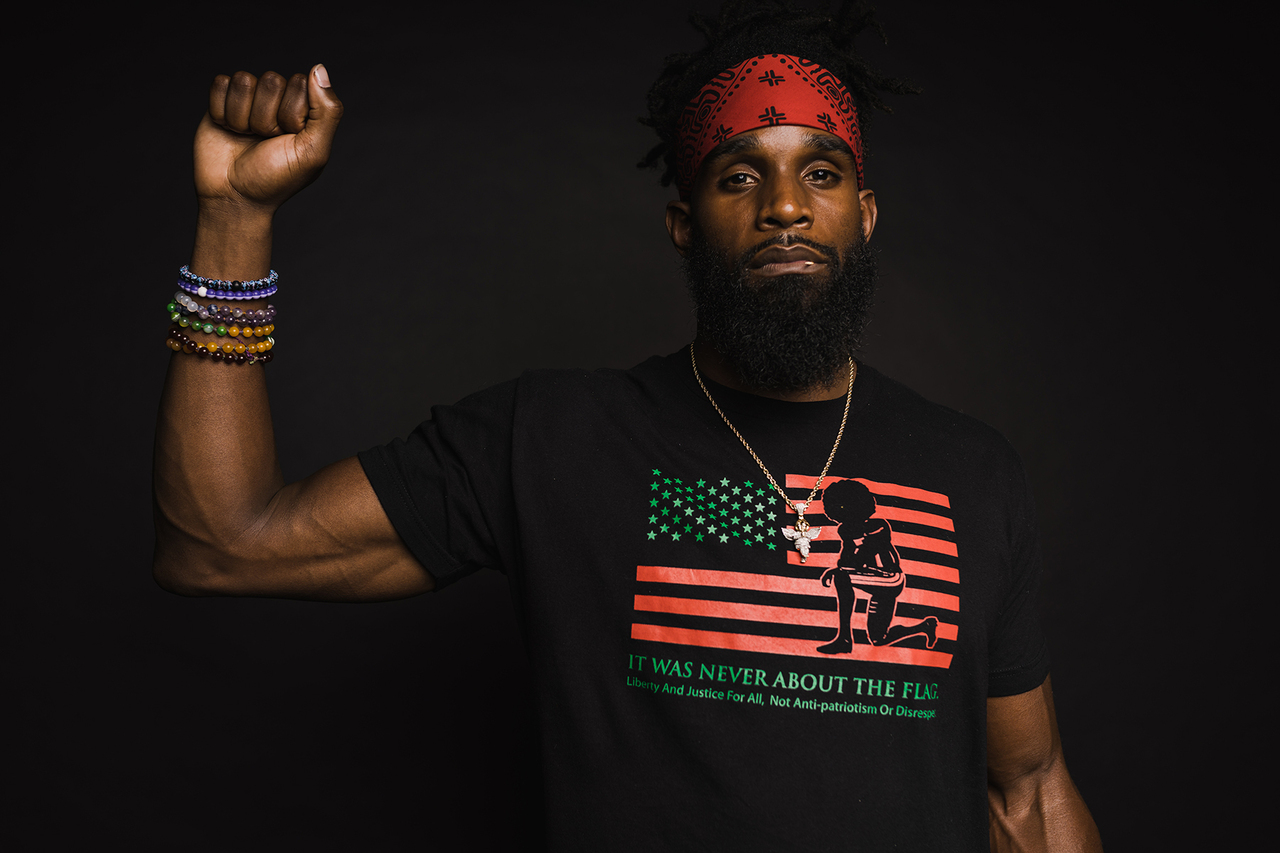
With Juneteenth upon us, the stories of Black resilience are the first things that come to mind to properly commemorate such a historic moment in American and truly the world's history. While the government distracts us with performative allyship in the form of making Juneteenth a federal holiday, we want to divert our attention for a moment on the people in the Black community making a difference. Therefore, TONL sat down with Brandon “Cole” Coleman, a former wide receiver for the New Orleans Saints, to talk about his experiences as an NFL athlete from 2014 to 2018, at the height of the Black Lives Matter movement. We discuss his journey to the NFL, his participation in the U.S. national anthem protests, and how these experiences led him to a pathway of philanthropy and entrepreneurship after retirement.
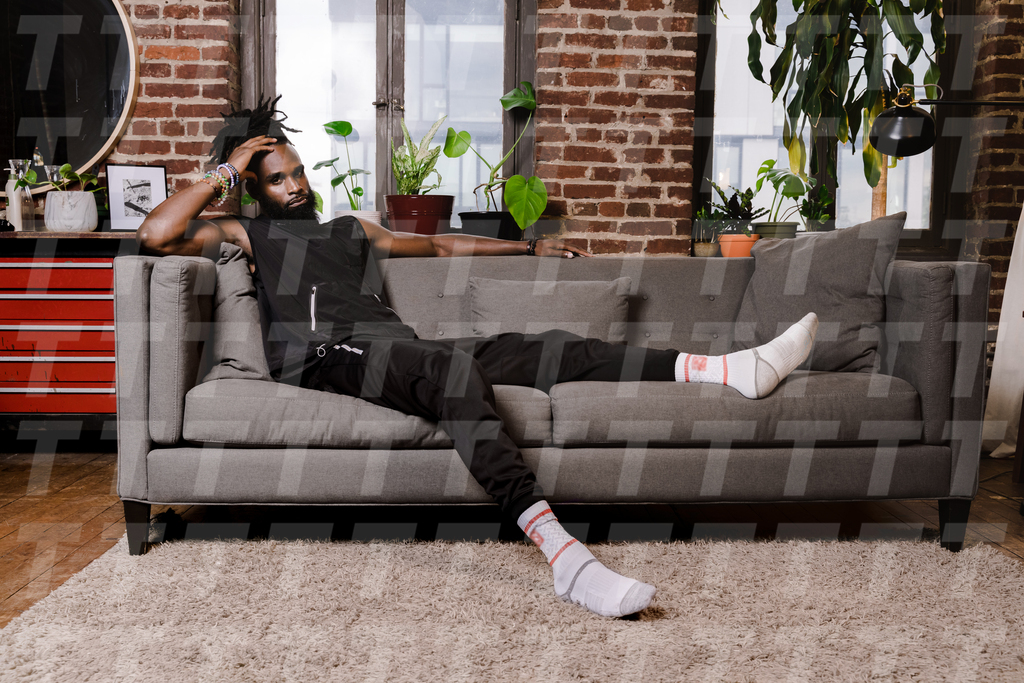
Now that Brandon “Cole” Coleman has retired from the NFL, his days are structured quite differently.
“Compared to when I was in the league, my schedule is really flexible. When I was in the league, it was very regimented; every Monday was the same, every Tuesday was off day. Every Wednesday was first and second down and every Thursday was third down. Fridays were red zone days, Saturdays were walkthroughs, and Sundays you play. But now, my schedule is really flexible. I had that structure most of my life, and now I keep that same discipline when I wake up.”
The first thing Cole does in the morning (after cutting the wake-up alarm off in his bathroom to force him to get out of bed) is have a conversation with himself in the mirror. Starting with his daily affirmations, he goes through his devotions and spends time meditating, setting the tempo for his day.
He picked up meditation after undergoing two surgeries in 2018; procedures that effectively ended his NFL career. He learned about meditation from J Cole, his favorite musical artist.
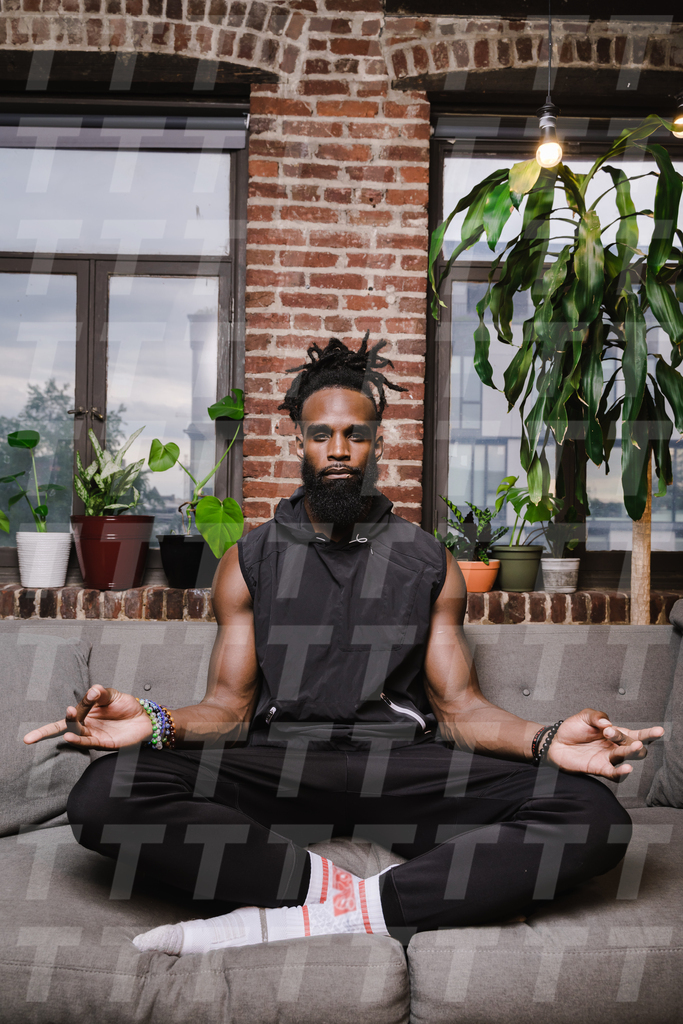
“In 2018, [J Cole] referred to meditation as a tool in his toolbox that he uses before he performs. And I’m a big Cole fan, obviously, so I had to give it a try. It wasn't something that I benefitted from right away; I had to stick with it. To see where I am now, meditating is a part of my daily routine. It's non-negotiable.”
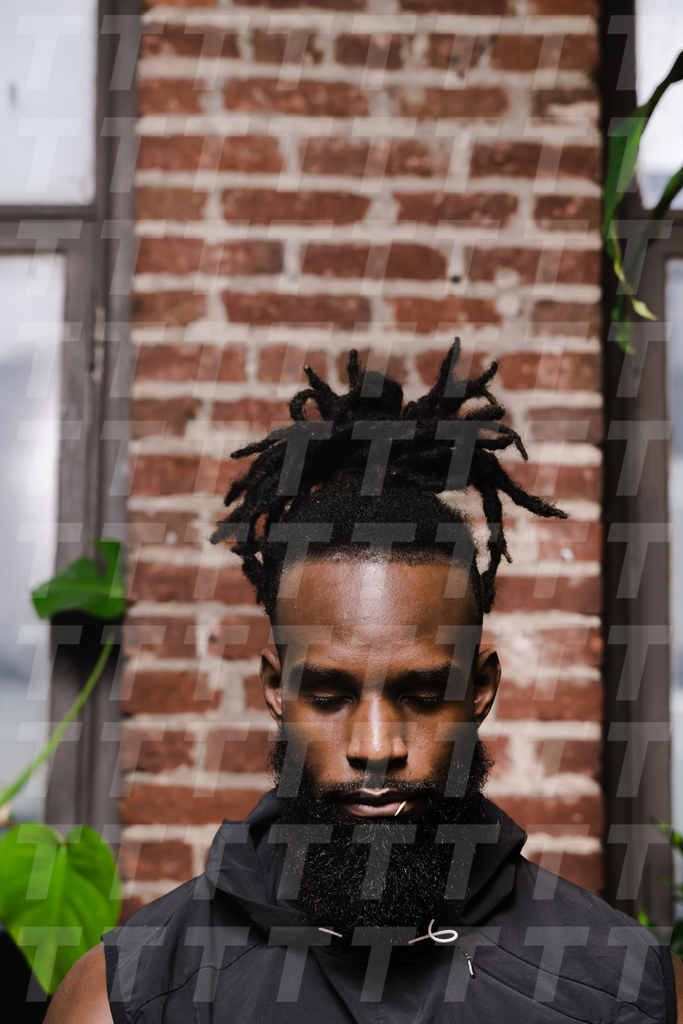
When we spoke, Cole was on his 450th straight day of meditation. He mentioned that, just like any habit, it takes time to truly reap the benefits of one’s work. One day became 30 days; 30 days became 70 days; 70 days became 100 days; 100 days became 365 days... Once he hit the one-year mark, meditating daily became second-nature to him.
“Now I don't practice yoga on a daily basis, but I try to move my body in some shape or form and just find that flow. But, meditation became a daily thing for me. Putting that discipline in practice had huge benefits for my physical and mental health, [as well as] my emotional and spiritual health.”
On earning a spot on the New Orleans Saints' roster....
The discipline that Cole bred from meditation had significantly positive effects on his state of mind. This was in stark contrast to his physical and mental health as he entered into the NFL. Although Cole, a descendant of the Rutgers University football team, did not initially get picked as part of the 2014 NFL draft, he fell into a state of despair.
“I'll never forget that moment when I didn't get the call. I realized that the picture that I painted didn't come through and I was devastated. I was emotionally defeated. I felt like I let not only myself down, but my family down, my high school, my college... I felt like I let everybody down who was looking up to me in that moment. I didn't see that in the moment, but there's always a silver lining. I had to learn that experience several times through all the adversities that I faced, whether it was this speed bump or the injury that I faced at the end of my career.”
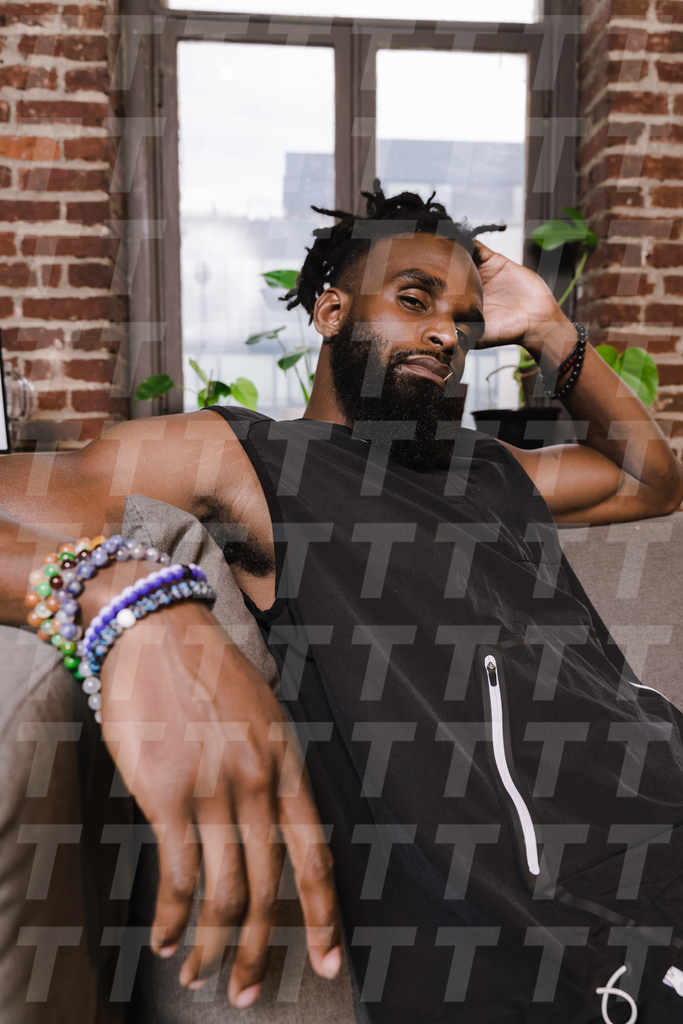
Picking himself back up by his football cleats, Cole worked hard during the post-draft season as a free agent. These efforts landed him on the developmental team for the New Orleans Saints, where he spent a year honing his skills with the hopes of joining the main roster in the following season.
“I remember vividly. I was hungry. I had to go through a developmental year, but I knew that that was my course. I came in hungry because I've been in that similar situation before. I was a redshirt in college so I experienced what it was like to go through a developmental year. Since I was able to experience that, that prepared me for the next chapter, which I didn't have the foresight to see. But until I got into that moment, I realized that I was a lot more poised on how to handle that situation. That was a big key; my mental state of mind... to have the grit to push through and persevere in that moment. I knew once I went through that first developmental year, I would be ready to come back that next year, hungry like I did when I was a freshman at Rutgers. Now that I got that year under my belt, I was ready to go play. I knew that I belonged.”
On playing in the NFL during the Black Lives Matter National Anthem Protests...
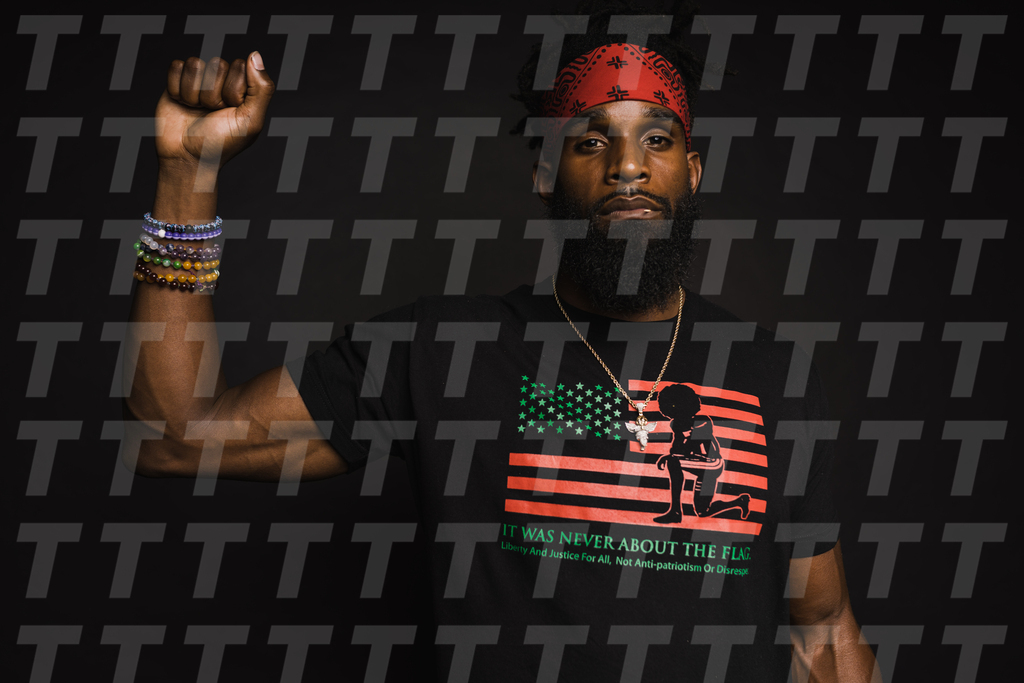
Resilience is key in a lot of journeys that Black Americans face when coming up in different industries in the United States, whether it be in sports, entertainment, academia, in the business sector, and more. Resilience was very key during the time period in which Cole played in the NFL; the height of the Black Lives Matter movement in the United States.
It was the year 2016 when Colin Kaepernick and other professional athletes opted to take a knee during the national anthem as a way to demonstrate against the issue of police brutality and other political injustices that Black Americans were facing at the time. 2016 was also when Cole got out of his developmental year and started to play more on the team on the higher end of the roster as a wide receiver. At this very pivotal point in his football career, Cole was faced with the challenge of positioning himself as an integral member of the New Orleans Saints' offensive team, while still feeling the urge to address the political injustices that were happening to his community.
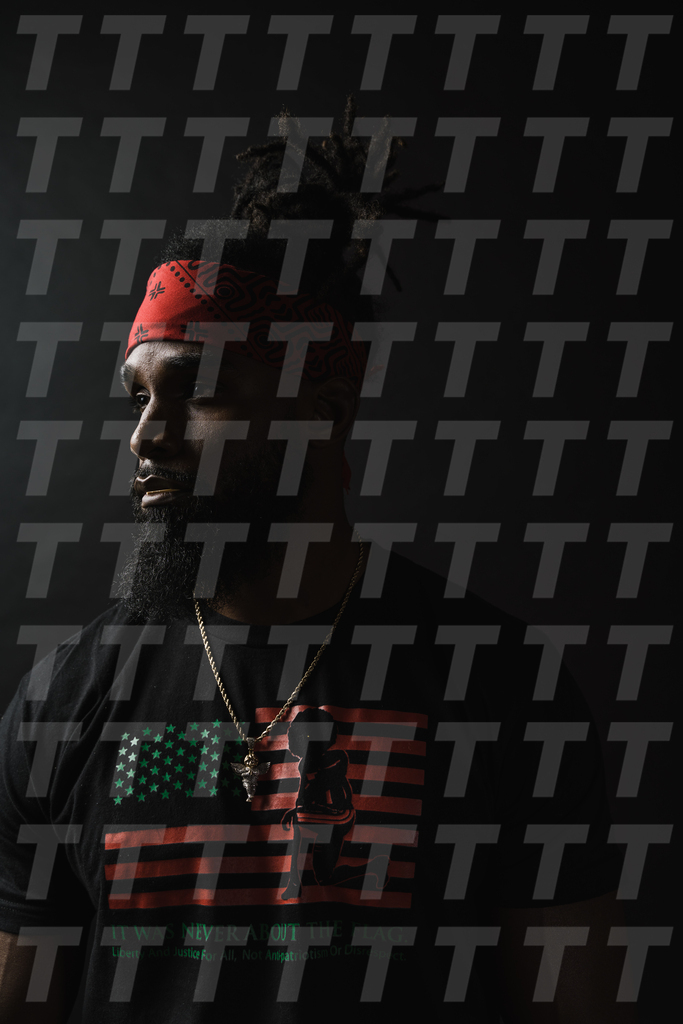
“It was a very unfortunate time, but I do remember me feeling like I'm at a crossroads, because it’s Colin Kaepernick. He's a household name, right? His name was big before. The guys who were showing their solidarity for Black lives, they were household names. And so, for them to go out and have the courage that they did spoke volumes. But, for someone like me, who wasn't a household name, and didn't have the status and financial security to be able to go out there and risk everything that they risked... I didn't have that security and I had hesitation... I had hesitation because I was nervous; I wasn't sure that, if I were to step out there, I was going to be protected. I just wasn't sure; I didn't know what the climate was. But, I knew what my status was. And I'm like, if he's getting this type of backlash...? That's Colin Kaepernick!
For me, I was battling back and forth with people, friends, family members... Everyone is telling me this and telling me that. And I'm like, the reality is, this is how I put food on the table right now. I didn't get the big contract. I'm working towards that. So, I was torn bad between those two.”
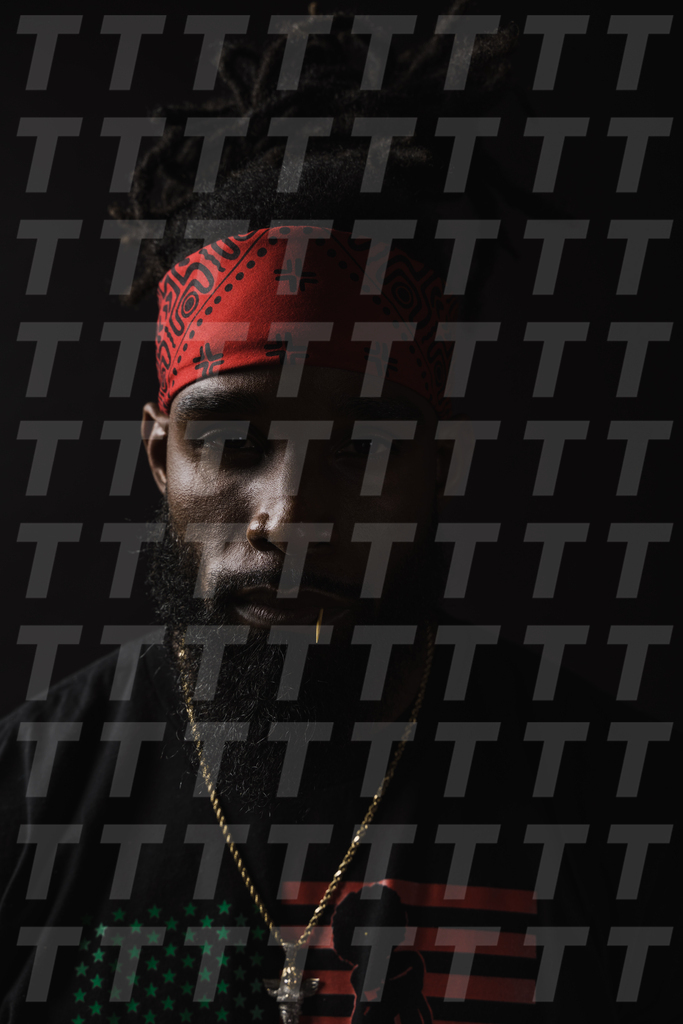
Cole then began to speak of a specific instance in which he was situated between the decision of athlete and demonstrator.
"That moment before every game where everybody was focused on the national anthem; looking to see who was going to stand, who was going to take a knee, who was going to sit down, who was going to show a visible protest. That's a decision I had to make within myself. Ultimately, I did. I did sit down for a couple games; I did take a knee for a couple games; because I knew that it was bigger than the national anthem.
My grandfather served in the Army. At this time, he was a little older in age and was starting to get a little sick. At that time, I thought it was more valuable to spend our time NOT talking about those matters because I knew how he felt. But we've had conversations about it. I knew how he felt before [the U.S. national anthem protests] were even a thing. Those choice words that he had [before]; those definitely, influenced me to have the courage to say ‘I don't have to worry about anybody else and what anybody else thinks. I know that my grandfather is always gonna have my back.’ I know all my family members who served are always gonna have my back. They understand why I made the decisions that I made.”
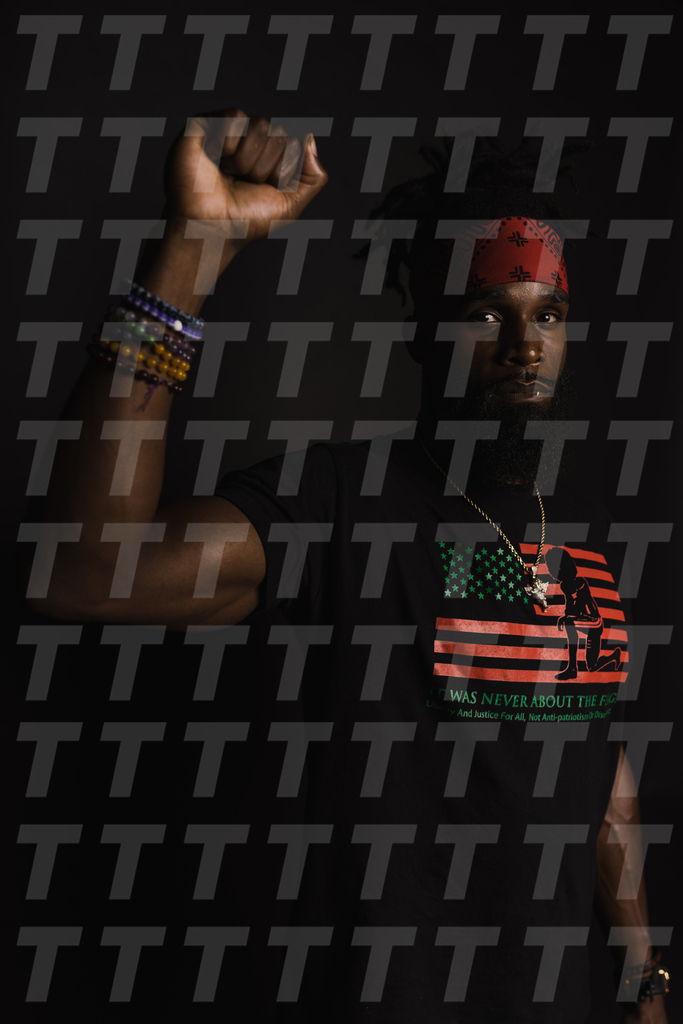
Having to choose between job security and political protest is an experience that is not foreign for many marginalized people in the United States. Oftentimes these places of work may perpetuate the status quo in terms of race or gender, and people who live in the margins of those identities may feel isolated from their peers during these larger political issues that might be negatively affecting their health and well-being. On the day-to-day, many people have to make that decision between whether they are going to keep their job or stand up for their political rights as an American citizen.
On engaging in philanthropy as a retired athlete...
Towards the end of his contract with the New Orleans Saints 2018, Cole decided to retire and hang up his jersey due to his injuries as a professional athlete. At that point, given his experiences with the Black Lives Matter movement and being an athlete who came through the ranks, these experiences led him into the decision to go into the philanthropy.
"The reason why I was able to walk away from the game with my head held high was because I became at peace with that decision and the career that I had. I was at peace with all I was able to accomplish, and to walk away in my right mind with my health. So that leads me to the philanthropic route.
Something that spoke to me as an NFL player was the “My Cause, My Cleats” campaign. They started doing this campaign for players to express themselves and whatever cause they believed in, whether it was Breast Cancer Awareness or any other disease or social issue that they related to. I think that's when I started to realize that I had a platform. [The ability] to attach myself to a social issue that meant something to me encouraged me to speak up and use my platform for good.
Mental health is something that I really advocate for. I don't take it for granted because going through those injuries and going through those surgeries; dealing with things off the field with my family relationships... That's when I started seeking out a therapist. It was uncomfortable at first, to overcome all the stereotypes and stigmas that are associated with a Black man going to see a therapist on a regular basis. I see the benefits that that has had for me now, and I want to be able to use my platform to speak up for that, and encourage other men of color, other women who feel that this stigma is something that's holding them back.
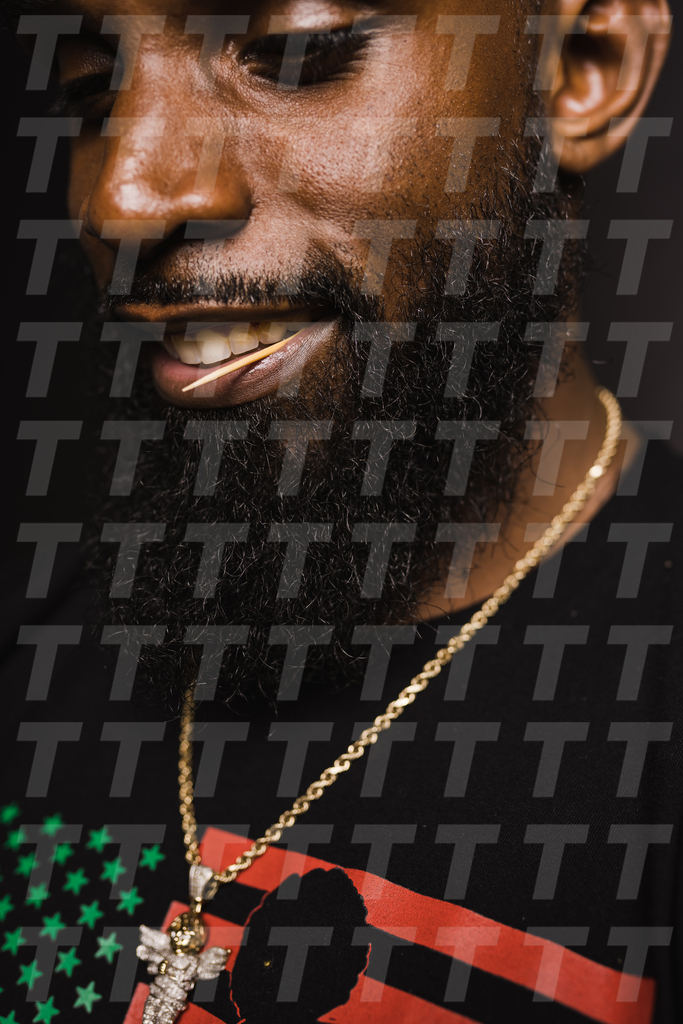
Cole said “peace” very broadly at first, but "peace” is one of those double entendre words, because it can mean “peace and happiness” but could also mean “a piece of the pie.” So, it was very ironic that Cole mentioned that the NFL gave him peace because of the financial opportunities that being a professional athlete provided him. Playing in the NFL allowed him to grab a “piece” of his own financial pie and improve the position of intergenerational wealth within his own family structure. An experience that might be synonymous to a lot of other athletes who come from disadvantaged backgrounds.
"Hats off to you for picking up on that ‘piece of the pie’ comparison. For me, as I was going through my experience [as a professional athlete], selfishly, I wanted to get to a point where I got that contract to get my piece. I felt like I put the work in, and right before it was time, life happened. How many times do many people say; not even just as athletes but as people who have regular nine to five jobs, people who are trying to provide for their families; that they have been put in a bind; breaking their backs, working day and night, blood sweat and tears, three jobs, as a single mom, or as a single dad trying to provide for their family; and didn't quite get to do what they wished they could do [in life]? They didn't get to reap the benefits.”
At this current time, Cole is actively engaging in philanthropy as the Director of Athlete Outreach for Jentry, an investment and education platform that partners professional athletes with unique opportunities to invest their earnings into highly profitable investments within for underserved minority and non-minority communities across America. Their mission is to create a financial ecosystem that benefits both athletes and the underserved communities they are investing into. Cole sees his efforts at Jentry as an opportunity for him to help other athletes get their piece of the pie as well, using his unique point of view to mentor other athletes who might be thinking about how they might handle their finances after retirement.
"Coming back to the piece of the pie as it as it relates to Jentry: They're all about equity. And that is truly the definition of getting your piece of the pie; promoting equity and ownership for athletes. [Helping them] see that they can leverage the influence and brand to be able to set themselves up for generational wealth. Jentry trains athletes in that [retirement] transition period to go out and acquire businesses in their hometowns, or where they went to college, and feel that they're in an industry that they're passionate about. We give them the tools and re-skilling to be able to become an owner and operator, and that is really promoting entrepreneurship for these athletes.
The big examples are mainly guys in basketball; the big names like Magic Johnson or Michael Jordan. In football, those names are coming up as well. A lot of guys don't pay respect to someone like Marshawn Lynch and what he's been able to do off the field. A guy like Michael Strahan; he was able to take his brand and leverage it to the moon where people notice him more from Good Morning America than from playing for the New York Giants! We want to magnify that model of entrepreneurship so we have a formula in place to help those who aren't household names, per se.
I would really just want to see us having more conversations about financial acumen, being competent, and what we're doing. The investments we're making, where, how our money is working for us, for the long term, how we can leverage our money through different strategies to be able to not only support our family but also give back in a philanthropic way as well.”
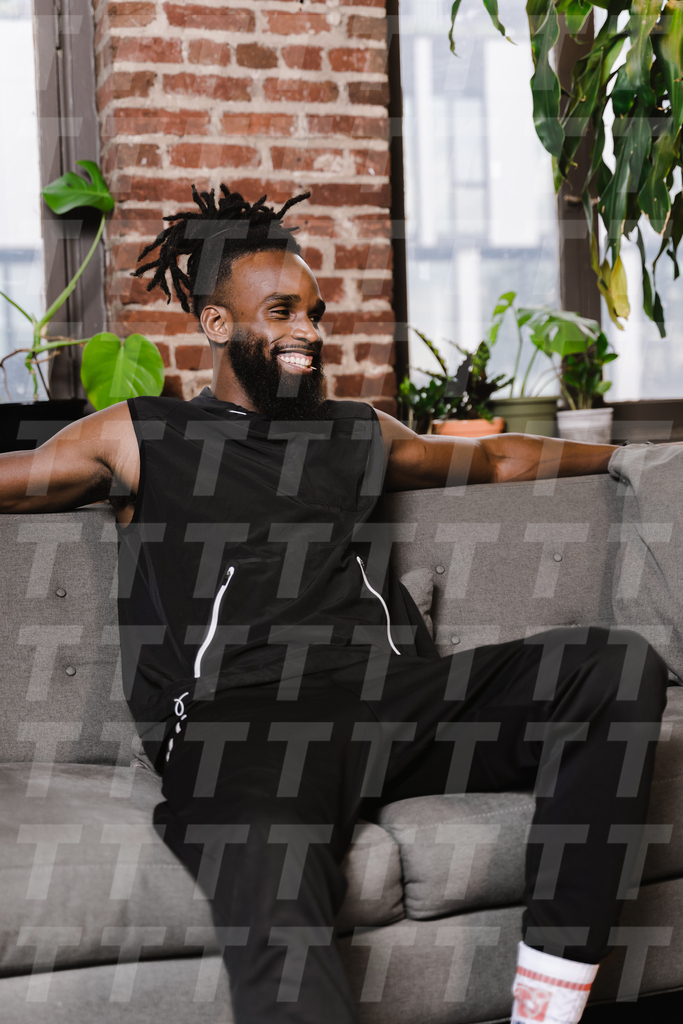
Cole had some closing remarks for those struggling to balance political identity and financial stability in the workplace on their journey to achieving financial independence.
“I think the first thing that comes to mind is, don’t be afraid to ask for help. I now am comfortable putting my pride aside to go and humble myself to raise my hand, even if I do think it's a dumb question. I want to encourage people to do that, because, if you don't know, then you don't know. But, it's not okay for you to just say ‘I don't know.’ There's an abundance of resources at your disposal; especially in the information age that we live in. You can ask Siri anything that you want! Don't be afraid to ask for help because if you ask the right questions, you'll get the right answers.”