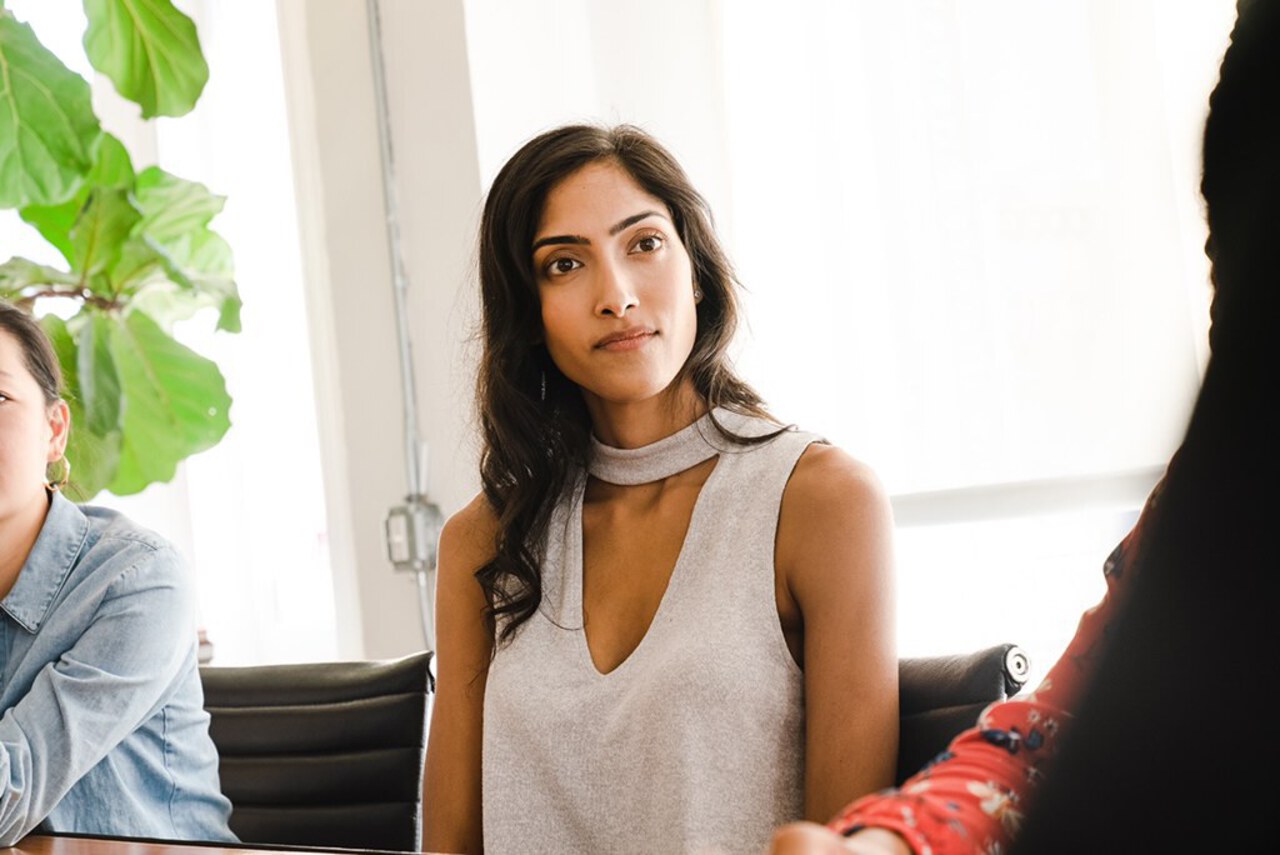
The Changing Faces of Creativity: New York Q&A Part 1
Jezz Chung— First-gen Korean American, Southern bred, queer, writer, artist, karaoke queen, living with MDD, GAD, and ADD
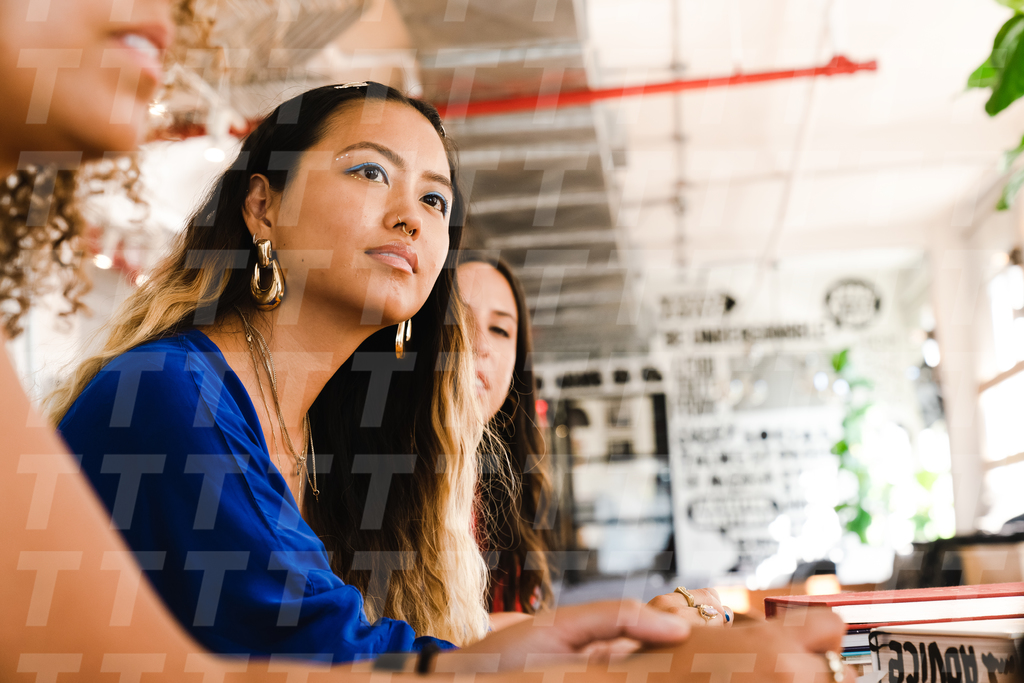
When asked about the intersections of her identity…
I spent a long time feeling confused and isolated because I didn't understand why I always felt so different. It wasn't until I started embracing my Asian American identity, coming to terms with my queerness, seeking support for my mental health conditions, and accepting my experiences as gifts in service of my creative growth that I started to understand the reason for my differences. Even saying that doesn’t capture the depth of that process and it’s very much a process. Sometimes my differences feel like a curse, sometimes they feel like a gift. As I'm becoming less and less afraid of who I am, I'm becoming more and more confident putting more of myself into my work, because that's what I think I’m here to do— help us see ourselves and each other more clearly and more authentically.
When asked about how we can learn from each other’s differences…
There’s a quote by Audre Lorde. “It is not our differences that divide us. It is our inability to recognize, accept, and celebrate those differences.” We talk about diversity but what we’re really talking about is humanity— understanding what makes us unique and allowing people to lean into their truths instead of feeling pressured to hide and conform. That’s why this project felt so important. It gives visibility to people as they want to show up and goes beyond easily-labeled identity to show the range of our perspectives.
Katie Tiambeng— Filipina American, New Orleanian
When asked about experiencing micro aggressions in the workplace…
I've heard and read about microaggressions being described as "death by a thousand papercuts" and that's true. When I first started working, I would laugh off comments about how I checked off not just one, but two boxes: 1) being a woman and 2) being non-white. Now, we're lucky to work during a time where our industry is interrogating its faults, especially when it comes to a lack of diversity. Instead of laughing these things off, we can ask ourselves why some rooms still don't have the people they should and do something about it. Papercuts suck–the fewer, the better.
Rishi Patel— First generation British Indian, immigrant
When asked what it means to bring his identity to work….
I think I’ve got a bit of a unique identity in the sense that I’m British, but if you look at me I’m Indian and my parents are Indian but they grew up in East Africa. My sister lives in Australia so it’s kind of like a global mentality. I do think about this quite a lot. Since I just came back from England and it’s funny how the world is getting smaller but, the thing I like about Anomaly is that it does bring diverse cultures together. It’s reflected in the work. It’s reflected when you look around and you see people who aren’t like you, but you know we all share something similar.
When asked how his experiences shape the way he communicates in the workplace…..
There aren’t many Indians in general in advertising. Typically, we’re pressured to go into medicine or law or something like that. When I look across [my team] everyone is so diverse. I think that the way I communicate, I can be clear, I can be honest and everyone listens.
Shelley Kandpal— First generation Indian American
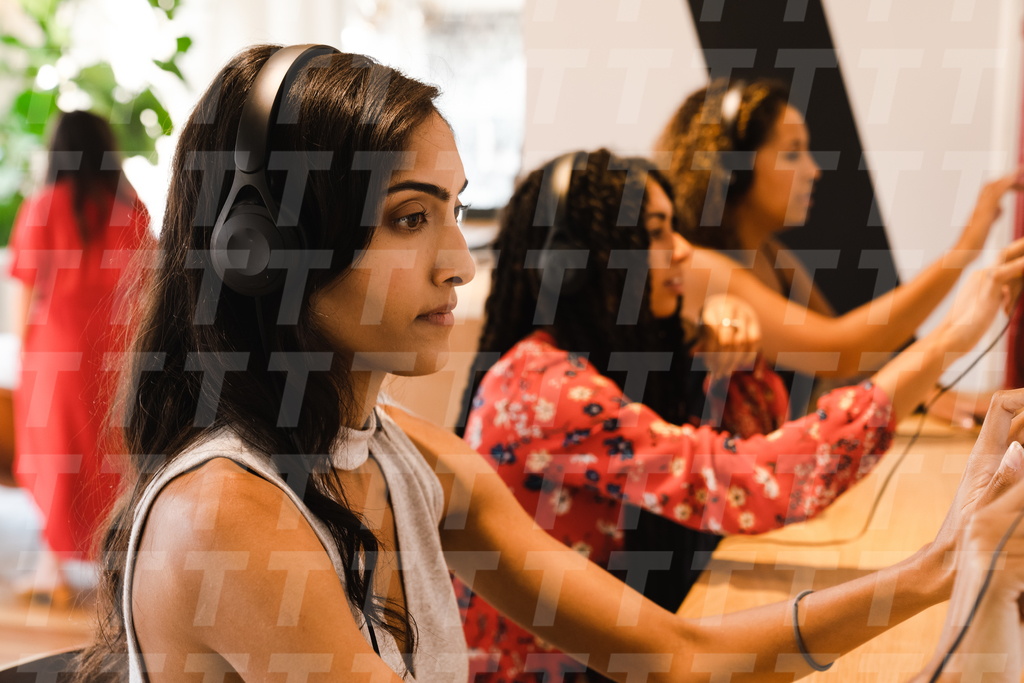
When asked what she wishes people knew about her…..
Growing up, I lived in five states and I went to eight schools. I think that’s something cool because going through that helped me adapt really well to change and enjoy connecting with people. I think it’s a quality of tolerance, exposure, things like that. I have lived such a culturally rich life and I don’t think that everyone can say that. It helps me come into every situation with an open mind.
Bella Gonzalez— Filipina, American, immigrant

When asked how her identity shaped her experience at Anomaly….
Growing up in a Filipino culture, the role of women, the role of you as a daughter is that you're supposed to be very submissive— do everything your parents say, do what’s good for the family. So it caused me to have an attitude towards everything like, “okay, I'll just keep everything to myself and not cause any waves.” So it was really a learning experience for me growing up in America and getting to a point where I was in the working world where I needed to find my voice. For the first couple of years I started in the workforce, I kept thinking, I don’t have an opinion. I didn’t know what to say in these new scenarios and my experience has been kind of just grappling with that and learning how to use my voice.
Read more stories in Part 2 and Part 3 of "The Changing Faces of Creativity" Narrative and Photo Series! Be sure to shop the entire collection below!