The Intersectionality of Being An Asian, Immigrant Woman In STEM
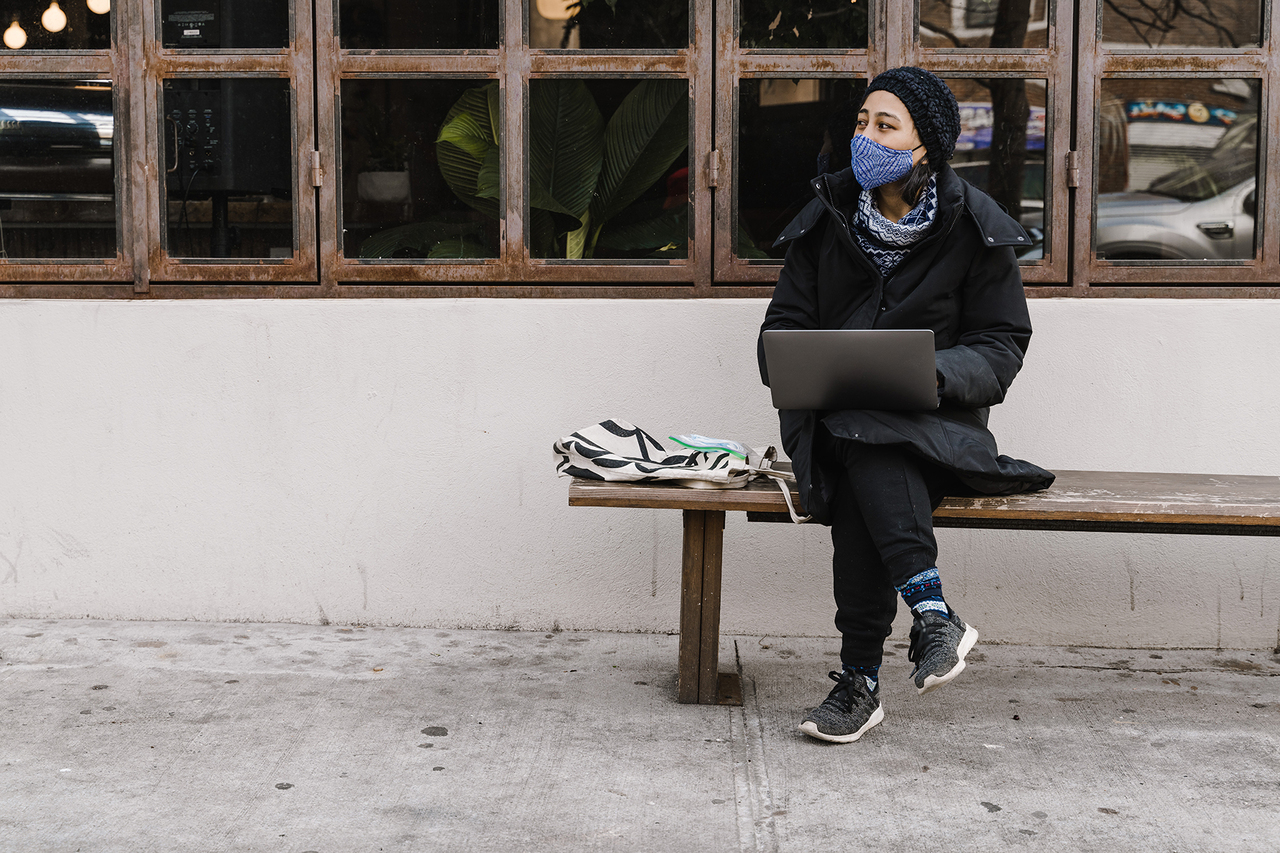
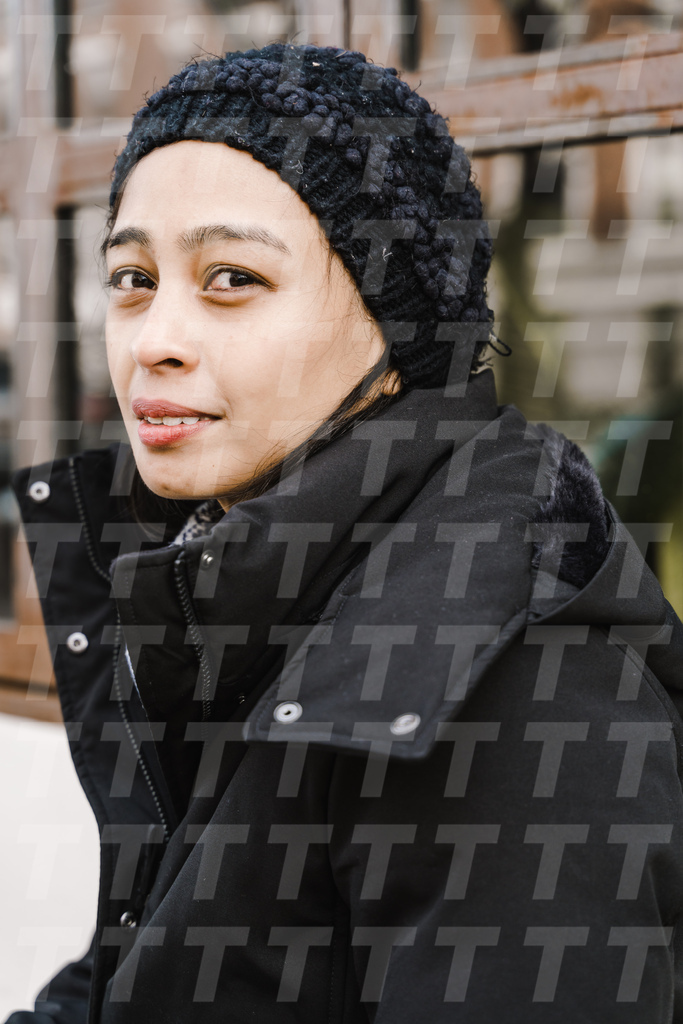
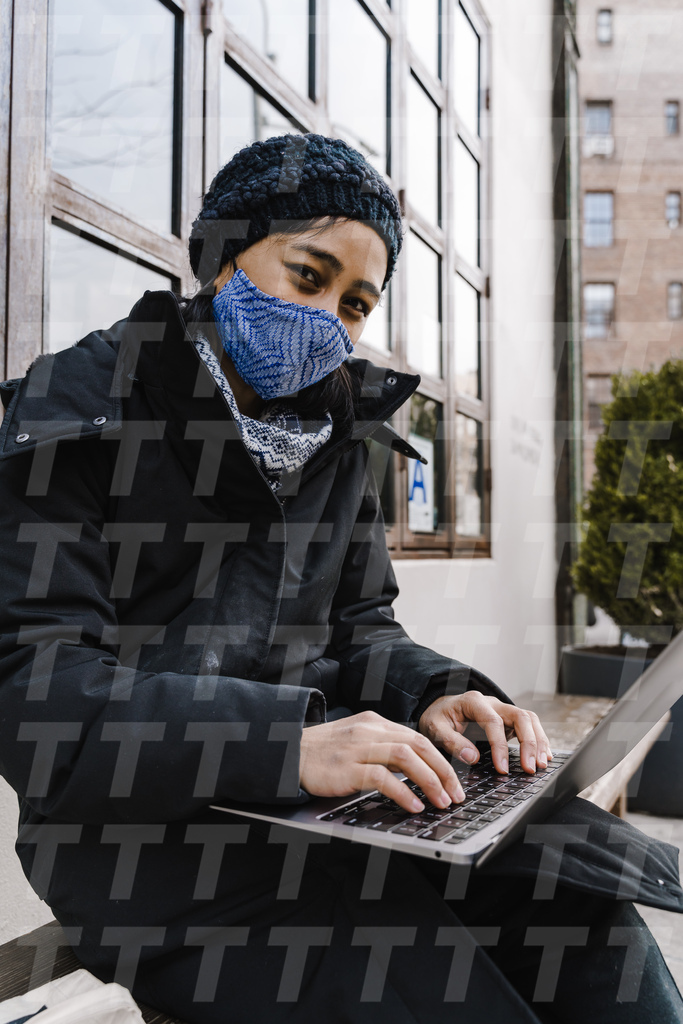
Understanding the experiences of those often underrepresented in STEM/STEAM is one of the most obvious ways that we can create a more equitable experience for all. We sat down with Noelle Malvar, a young, Filipina, immigrant woman in the Research Policy sector to learn more about her experiences immigrating to the United States and how her journey through working in STEM helped to navigate her identity in a foreign country she now calls home. Read her interview below!
*Interview conducted by Darren Agboh for TONL
TONL: Tell us about your experiences in school growing up in the Philippines.
Noelle: I was born and raised in the Philippines and I went to school there all the way through college. And so I never thought about being Asian or a woman, because I was just within an environment where everyone was like me.
The education system in the Philippines (or maybe in Asia probably generally) is different from the system here in the United States. The values that they [US] emphasize are different.
Like, students are not as assertive in the Philippines as they are here [US]. Being critical is not emphasized. It's more of like, “you do this, you learn this” and the role of the students is just to accept that and learn and work hard. Like I would never have thought of questioning my teacher or asking for a grade change. Both were foreign concepts to me.
TONL: So school was kind of like more of an indoctrination- less maybe a place where you would assert your thoughts or criticize your environment or the world around you. Is that what you’re kind of saying?
Noelle: Yeah, yeah, but I wouldn't say indoctrination. I would say a mild form of indoctrination. Just like introducing you to the system and your role in it.
TONL: So can you speak to the way your role is taught to you in those schools?
Noelle: The emphasis of being part of the community. I also went to a Catholic school when I was in elementary school. So that's probably a big part of it too. And just knowing your duties for example, to family, or to other people of your community, like the elders, all that stuff. Although I did say I went to a university, University of the Philippines is considered the most liberal university in the Philippines.
And it was then that I started to think beyond just like the standard structure of teacher and student. And I think a little bit of that is what I carried over when I finally came to United States for grad school.

TONL: So you kind of went to school in what was maybe more conservative in that sense. Not like what we think about with Republican conservative, but like in terms of values. For example: having more traditional family household values, and then you went to University out in the Philippines. Can you tell me about what that experience was like? How did that open you up in certain ways?
Noelle: The university I attended was known as an incubator. In the Philippines there is a small segment of the population— very small — that believes in Communist ideals, for lack of a better word. They're considered like the rebels, the Socialists. A lot of them came from the University and the high school that I attended.
So that was just the norm to attend protests or question the government all the time.
TONL: So you kind of went from this more traditional schooling experience to this more liberal, maybe even more socialist or communist type of community, right? How did that shape your experiences as you started going into graduate school, especially around notions of gender? Because I know you grew up in the Philippines, so there probably wasn't as much emphasis on being Asian because you're not like othered.
Noelle: Right.
TONL: But I'm sure there was some kind of gender dynamics involved. So how would you say that kind of opened you up to advanced schooling or even just like your education in general?
Noelle: The interesting thing is the gender dynamics in the Philippines is definitely present in terms of family roles, but in the workplace or in school, it was not as like salient as here [US]. Like there was not much of a classification that engineering is for men. Nursing is for women. I didn't fully realize all the stereotypes about women until I came here.
Like women being bad at math was never a thing. Or being better at English. I'm sure it was there, but it's not as emphasized as I found that it was here.

TONL: So how did those stereotypes as an Asian woman shape your thinking?
Noelle: Well, when I came here, I think it really was not just about being a woman. It was also being an Asian woman and like the stereotypes of Asian women as not being vocal or being less assertive than other people. I don't think I can disentangle being a woman from being Asian when I think about realizing that my experiences are shaped by that. Also, I was never the type to ask questions in the classroom and not because I didn't want to, but because I just didn't feel the need to. I didn't realize that that was sort of a measure for the teacher or for everyone in your class to your performance in how much you can explicate stuff.
TONL: So it kind of tied into a couple of things. It sounds like you weren't as aware of the specific stereotypes of Asian women as being, quiet or all that stuff, but then it kind of influenced your experience in a way in the classroom, given that you're kind of just a chill person. It's not like you're not asking questions because you are shy or timid, it's because you just didn't feel the need to or you would if you wanted to, but then that kind of becomes a stereotype in a way that you end up fulfilling without even knowing that it kind of exists.
Noelle: Right and I think you feed off people's impression of you too, right?. [Going back to the classroom] for example, I found it fascinating when people didn’t have their question fully formed yet, and then they just speak it anyway. A lot of American students do this. Some people would be like, “I have a question, but I'm thinking it through”. And then they say it out loud as they're thinking through it. And I would never do that. I would just rehearse the question in my head several times and then say it when it's already well thought out. I think that was one of the cultural differences. American kids who were born and raised here just have no qualms about just saying what's on their mind. Whether it's a question or a half-formed question or a comment.
TONL: So putting it all together, when you came to the US all of these expectations around stereotypes and gender, especially as an Asian woman, kind of started to permeate through your experiences in a way that not necessarily made you self-conscious, but it was just kinda like a culture shock where it was like, “okay, well, you know, I'm just doing what is comfortable for me, but at the same time it’s also fulfilling people's stereotypes in a way” and having to kind of contend with that throughout graduate school.
Noelle: Yeah!
TONL: What would you say was a breaking point for you when you didn't feel that way anymore?
Noelle: When I started studying gender more systematically.
So in my second or third year, probably in my PhD, I started working with a woman named Virginia who does Gender Studies. I just realized that it was a pattern and it was systematic, but totally imposed by just arbitrary things, you know, like you didn't have to conform to it. Virginia's one of the most unapologetic people I've met and just hanging out with her a lot it must have rubbed off on me where she just asked questions or disrupted without being apologetic about it. Because she wanted to get a piece of information. So I think I just started doing that more. Then, I realized I could ask questions without rehearsing it 10 times in my head. But, that was gradual.
TONL: Okay, so you're saying you had the research that you were doing about how social norms kind of permeate into these situations and then produce outcomes. What you're experiencing in the research essentially brought that to light with you, but then also having a positive role model in Dr. Virginia.
TONL: What would you say to yourself if you were talking to yourself five years ago with what you know now about your experiences?
Noelle: I think I would say to get out of my head a little more and to not get bogged down thinking on a meta level about what others think of you and what you think of others - like how all that interacts and just sort of just say something, if you want to say something. Ask a question if you want to ask a question. Or if you don't ask a question, don't ruminate about not asking a question. Now I realize just a lot of made up burden that I put on myself and I thought that others were putting on other people too. But in the reality, I don't sit here and ruminate about another person doing the same thing. It's just like, people don't think about each other like that. So yeah, I would just say, to get out of my head a little more and just be confident in that sense.

TONL: How would you say that your experience as an immigrant kind of equipped you?
Noelle: I saw myself as an immigrant as being either a plus or a crutch. I saw 'crutch' as all these things. I wouldn't ask questions because I was always worried that the person wouldn't understand my accent or I hated hearing my accent out loud in a room full of native English speakers. It was stuff like that in which I later realized nobody really cared about.
But, it also equipped me because no matter what people were talking about, I knew that I had the ability to think about things differently in a different framework, just because I grew up somewhere else. I had the ability to connect with others beyond the specific situation or context.
TONL: How does all this perspective of things influence how you navigate your post-grad life at your current workplace?
Noelle: So we're in four countries: France, Germany, UK, and the United States. I work a lot with people from other countries. That cross-cultural aspect is definitely helpful. Just even navigating their own conceptualizations about gender stereotypes and about Americans and them seeing me as an American, not as an American immigrant. Now, since I have the U.S. research, now they turn to me and see me as “That U.S. researcher”. Of course I'm American, but like I'm an immigrant. So that's the perspective I bring. So it's been pretty cool.