TONL x Afrochella: For My Ancestors
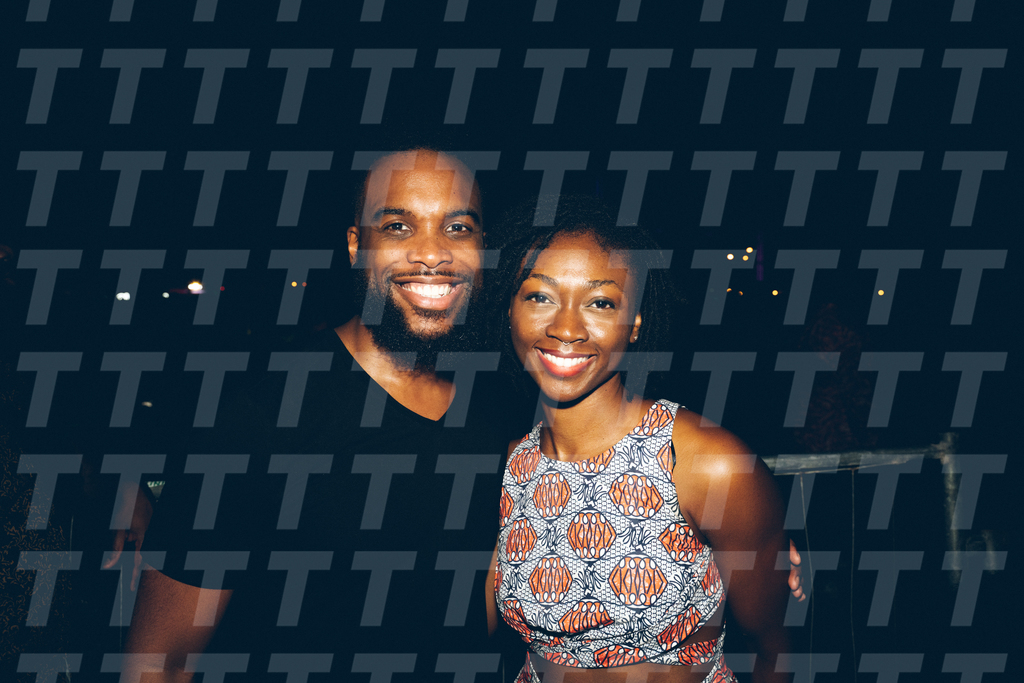
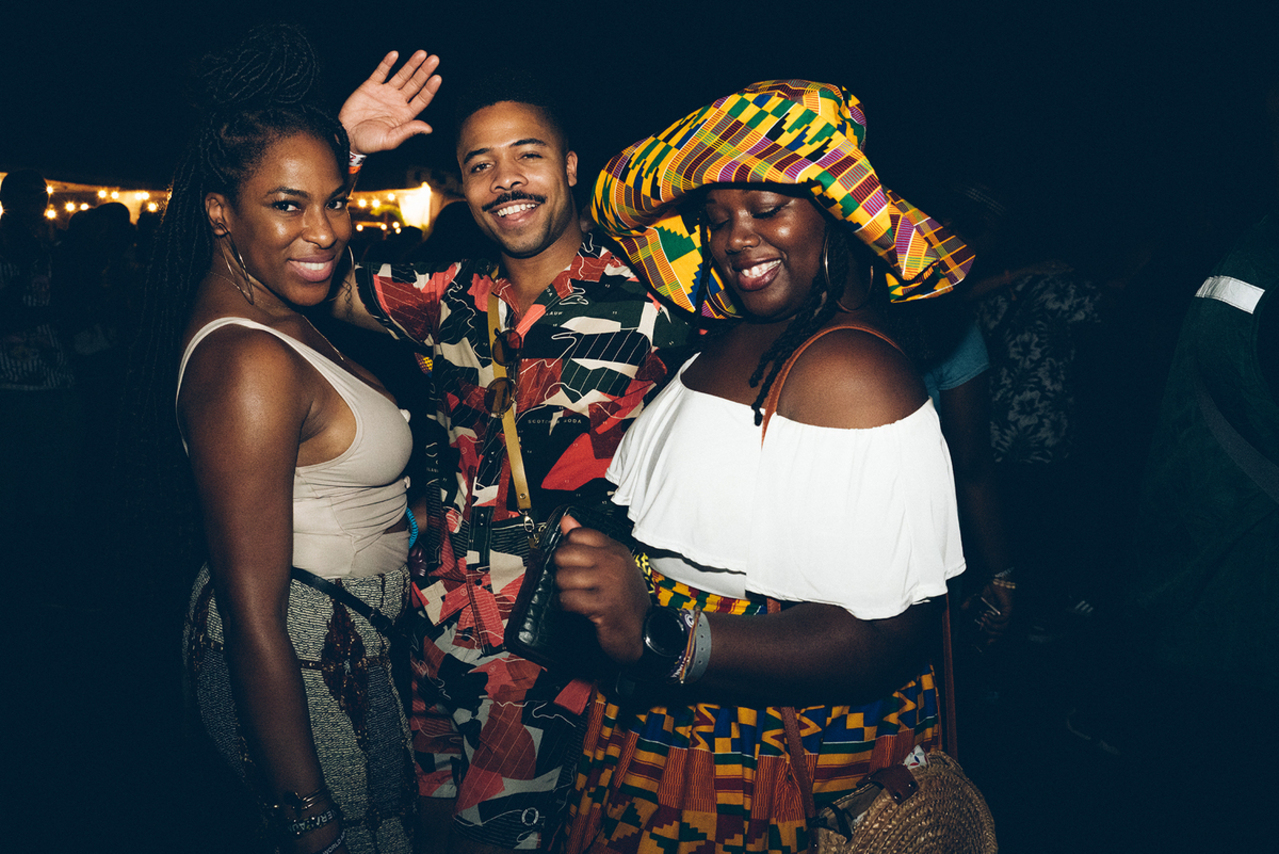
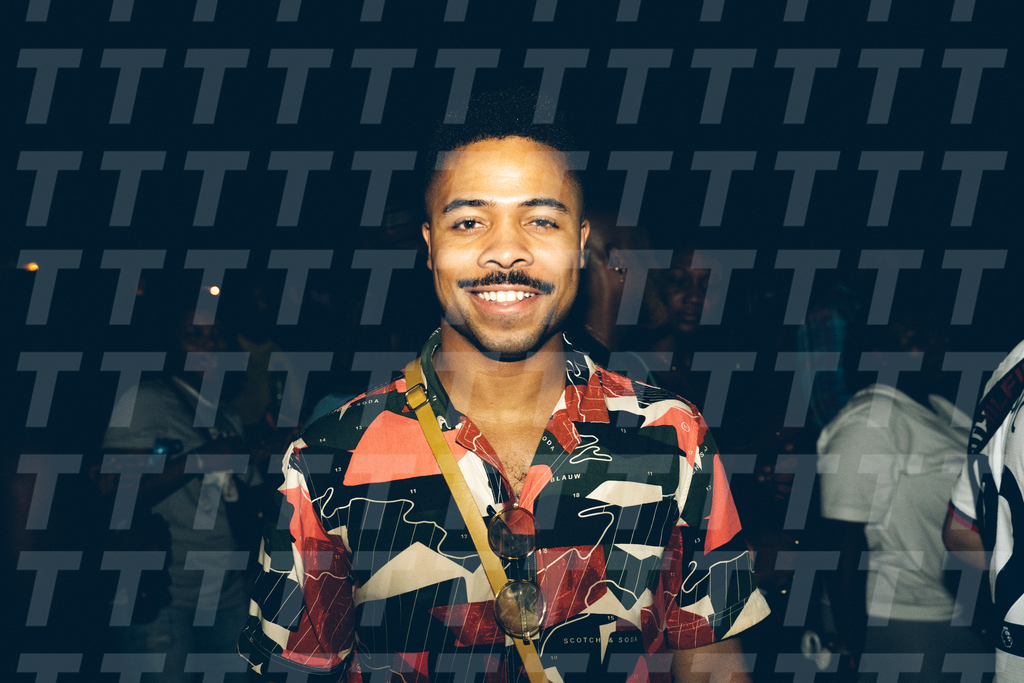
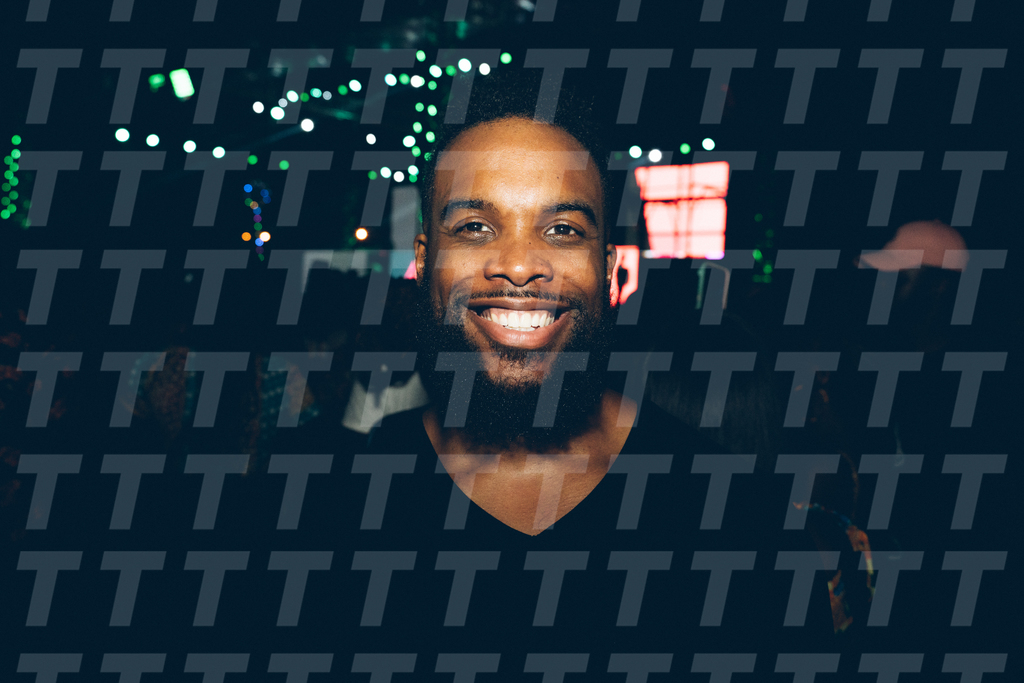
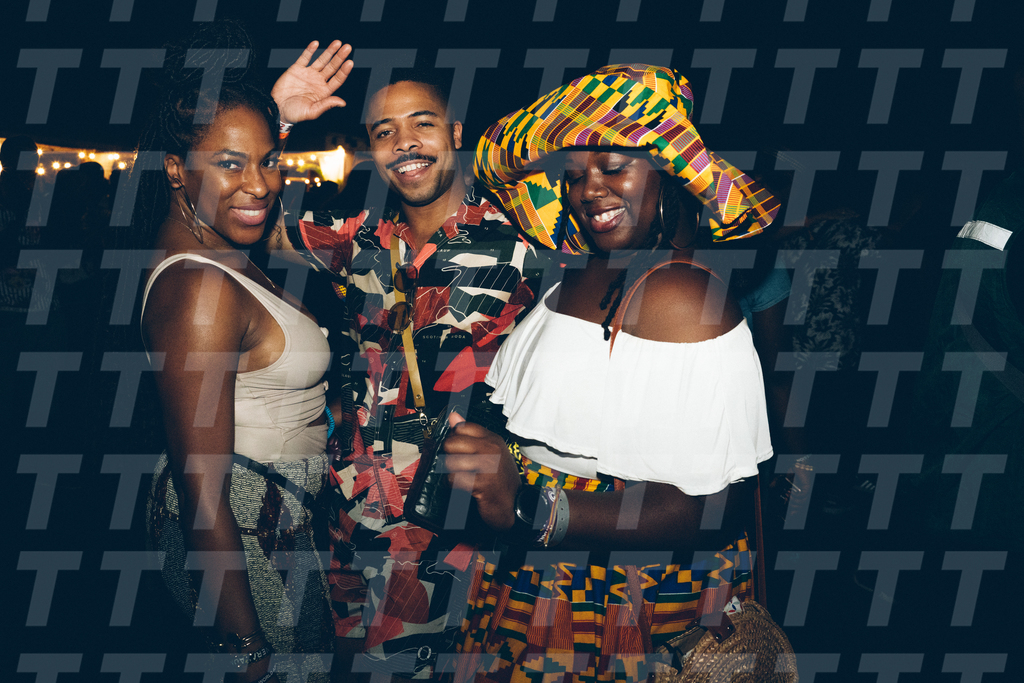
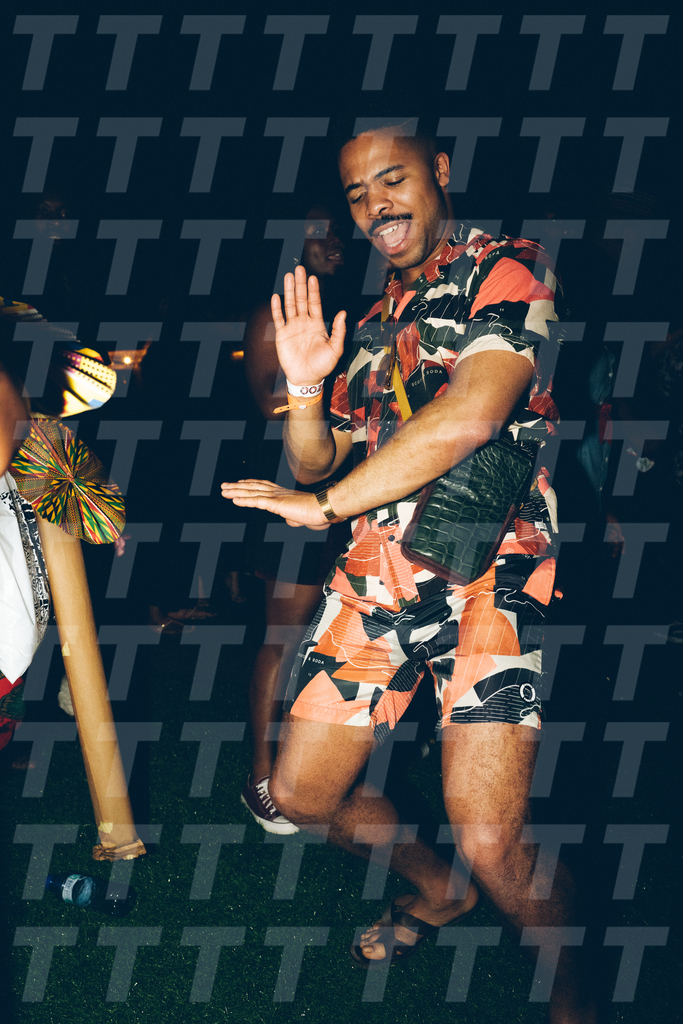
The Year of Return wasn't just about visiting a foreign land that used to be home to diasporan's ancestors; it was a time to face one's identity. So much of our identity is embodied in our culture. It becomes the backdrop to how we express ourselves. Afrochella Festival goers like African American male, Damani and Jamaican born male, Darien shared with us first-hand what it felt like to be in Ghana during such a pivotal moment in history with over 700,000 people from the diaspora coming back. The common thread was a sense of responsibility in the name of their ancestors. Read their interview and be sure to shop the TONL x Afrochella photo collection below!
As an African-American person, what inspired you to come “home”?
Darien: Hearing how Black people live without needing to defend their blackness is what drew me to Ghana. Thinking about the opportunity to kiki with other amazing Black people from across the world, United by our connection to the continent resonated in me and ultimately led to me buying my ticket.
Damani: This is the place my ancestors came from. It is important to honor them 400 years after they were stolen. I wanted to make sure we will never forget, and connect to our origins.
What are you most excited about uncovering while in Ghana?
Darien: I finished Yaa Gyasi’s book “Homegoing” while in Ghana and took it with me to Cape Coast slave castle. Walking through scenes from the book gave me goosebumps. But what excited me, was uncovering where the resilience found in myself and other Black people comes from. Watching young children playing in the literal shadow of the slave castle showed me, that my and my fellow Black people’s ability to find joy under the most ugly of circumstances runs deep. Knowing that our ability to turn the our worst sorrows into joy is something that connects us. Additionally, I uncovered what it feels like to be family to people I’ve never met. Every time I told someone I was from Jamaica their response was, “Oh! Then you are Ghanaian.” That familial bond with otherwise strangers was ever present and something I won’t soon forget.
Damani: I went to Accra 18 years ago and am amazed at how much it has developed. This trip just made it clear that Ghana is next up and Africa as a whole is next up.
How do you plan to bridge the gap between the diaspora and Africa?
Darien: I connected with several startup founders while at the Global Black Economic Forum. Staying connected to them, offering my expertise in advertising, marketing, and business strategy to the betterment of their visions is a step to giving myself there. The other step, is having public conversations here at home (NYC) about the experience and significance of returning to Ghana. My plan is to encourage others to take a similar journey and connect with parts of themselves they may not yet know.
Damani: I plan on bridging the divide by looking at what the continent needs and figuring out what I can start to help it be self sustainable.