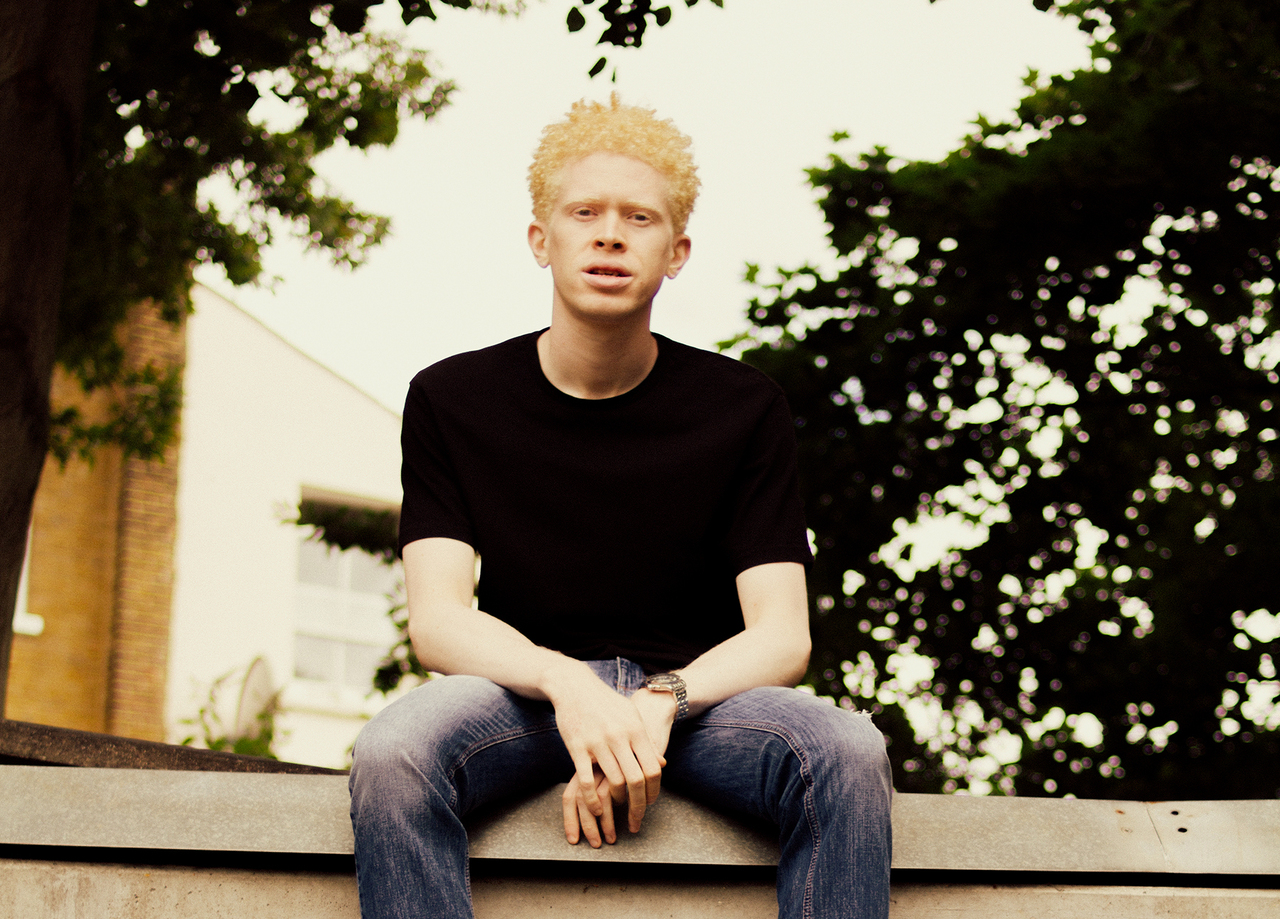
TONL x Foot Locker Back To School Series: Self-Celebration with Jordan Charles
Identity is multifaceted. Much of who we are and what we become is a product of our youth, our upbringing. For model and Digital activist, Jordan Charles, the trauma from his unique upbringing would bring about a painful adulthood marked by coming out of his skin. Though figurative, his skin color (or perhaps the lack thereof) with his albinism was the crux of his deep-rooted identity issues. Identity issues that would blossom into an awakening on who he is and what gifts he can share with the world. “Self-celebration” is celebrating the person you are now; not your future self or not the person you wish you could be. It is about accepting, encouraging and empowering yourself in this moment which has a ripple effect of encouraging other generations. TONL and Foot Locker have come together in their shared mission to amplify voices like Jordan’s that often get overlooked in society. Foot Locker recognizes the importance of being allies, reaching back to lift up society’s most important individuals like Jordan. Follow us as we explore the personal story of Jordan and photographically celebrate his identity.
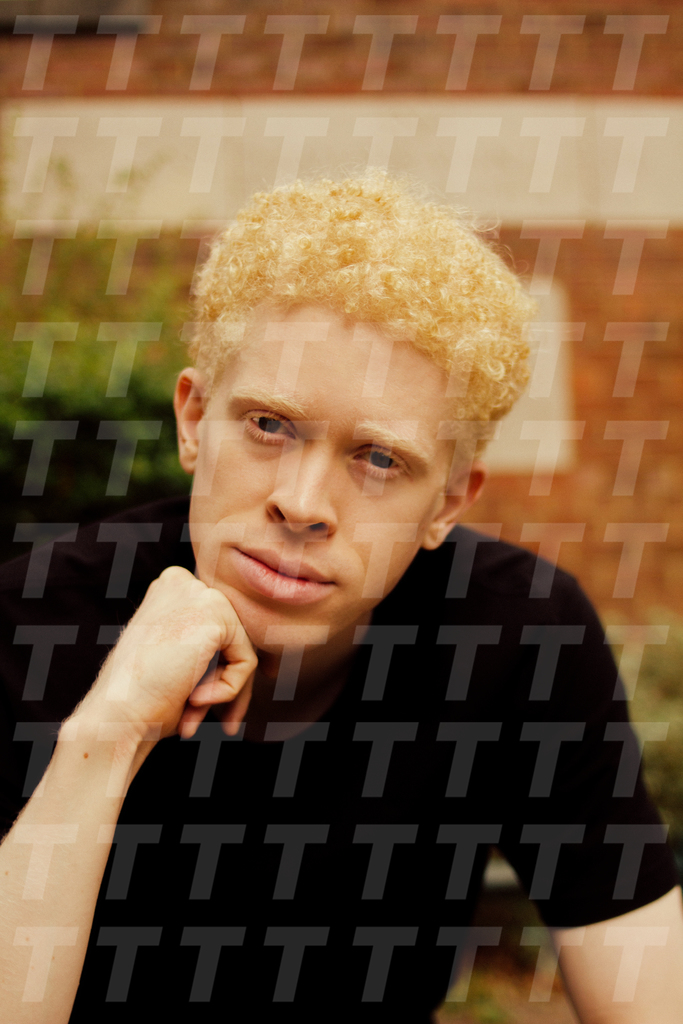
Jordan’s story begins in London - a place he described as diverse and very inclusive. He was born to a Black father of Caribbean descent and a white mother from the United Kingdom. Jordan was born with an absence of pigment. Not a full absence, but enough to fall under the category of ‘albino’. By age 11 he was ripped away from the diversity of London to a small town in Cornwall, England just southwest of London. It was a stark contrast to London in its lack of diversity and the small town small mindedness that would find ways to pick apart his self-esteem. Of the 1,000 kids he went to school with, there were only four Black kids. He was one of them.
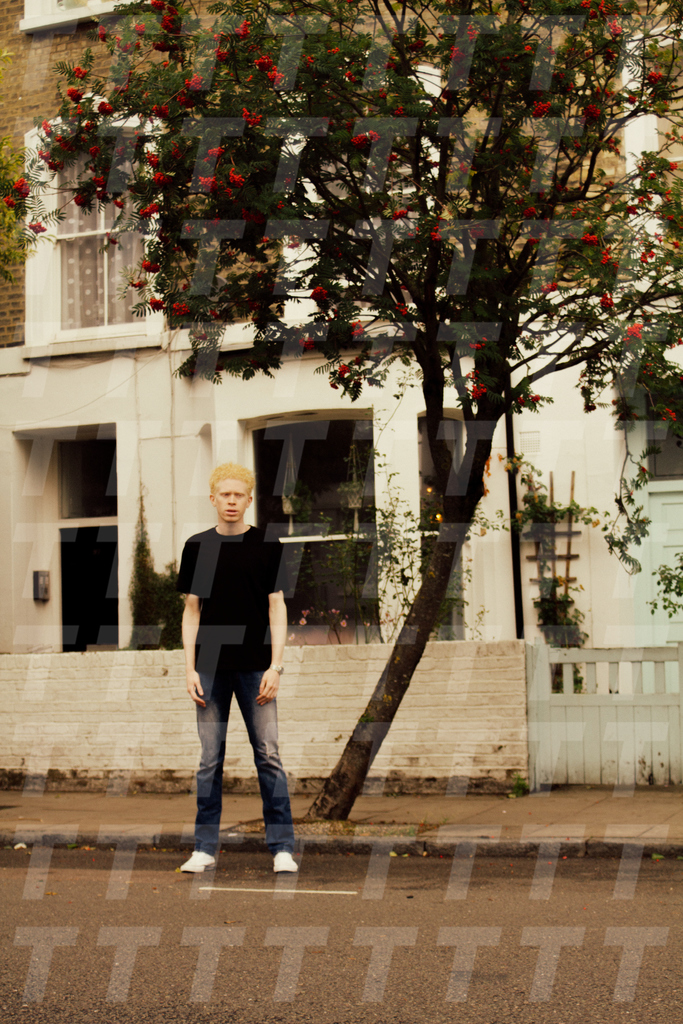
“It could be any day that you’re having a good day out with your friends and someone will just say some shit……[big sigh]…it was a lot of ignorance.” Having to recount these horrible childhood moments was emotional for Jordan. Cornwall never really felt like home for him. It gave him identity issues where he didn’t really know who he was or where he fit in: Albino? Black? Mixed? White?
“I myself didn’t relate to albinism”
21 was a pivotal turning point for Jordan. He had gathered up enough money to make the move back to London and he started to realize so many things about himself. “I could just do so much,” he lit up saying. “I felt really accepted.” At this time Jordan had gotten into modeling and was finally being praised for how he looked. “It was a lot. It was like a full 360. Before that, it was more of a negative thing to look the way that I looked. So [through modeling] I was able to unlock more. More of myself.”
Much of knowing yourself is through your family and your culture. But, as a kid, Jordan wasn’t told much about his family’s respective backgrounds. “I was left to figure stuff out. I knew that my Dad was Black, but he lived in London his whole life and didn’t know much about his roots even.” There was no one in his family who could relate to albinism. His sister was a lighter skinned Black person, his mother white and his Dad brown in complexion too. Not even Jordan himself could relate to albinism. “I myself didn’t relate to albinism until I was 21/22 years old. It’s mad!”
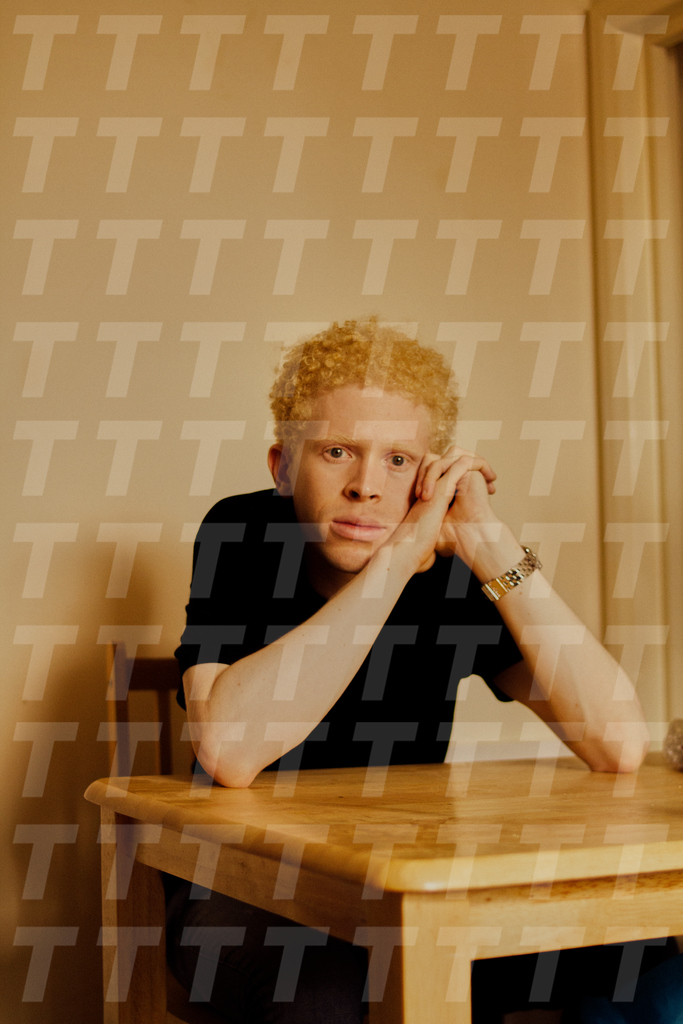
Early 2018, Jordan started to piece together his identity when he finally took a trip to his grandfather’s hometown in Barbados. “We stayed in the place that my grandfather was raised and it was a more authentic experience. I just love authenticity and that’s what I try to give to others myself.” The familial vibe was palpable. “It was such a small community in the town he lived in. Everyone knows everyone. So by the first night that I had arrived everyone was saying, “Oh that’s Perky’s grandson!” Everyone knew that I was there already and it’s that sense of community that helped me learn a lot about myself indirectly.”
How others see Jordan in society is something he battles with daily which is a relatable connection to so many people. While modeling over the last 5 years has built his confidence and opened up many opportunities for him, he admits that being watched and marginalized can bring about high highs and low lows and feelings of alienation. When he is not modeling, what fuels him is being vocal about the world’s issues. As a former YouTuber, Jordan is known for speaking his mind. “I’m light-hearted, but I always like to do stuff with a message.” This pandemic has really shined a lot on mental health, but adding in the issues against the Black community it really led Jordan to challenge some of his followers online. Many of which were his white acquaintances from Cornwall. “I’ve noticed that it’s friends or people that I grew up with who are supporting the opposite views [when it comes to the racial injustices] of me.” He went on to share that, “they can’t care about Black lives. I’m like….you’re friends with ME. Or maybe it’s because of my albinism. Maybe they detach me from being Black and see me as a white person….”
“If you can’t see someone like you doing things, then you don’t believe that they can be done.”
Pain filled Jordan’s voice as he muttered those words. The way he said it, it was almost a new discovery to him. Something new to presume. This brought up an important topic: visualization. How can you be what you can’t see? Representation is so critical through the media. “Family’s sit at home and they watch that stuff [tv/media] and they familiarize themselves with the person or whoever is in front of them. Then, without even meeting a person [outside] they kind of understand a little bit about who they are.” Jordan tearfully confessed that if he had seen an albino person on TV, it would have made growing up a bit easier not only for him, but for other people. “Having someone with albinism on TV or in campaigns might mean that it’s not so weird when you see them on the street because you’ve seen it [albino person] before. You’re more familiar with it.” But, it wasn’t just about seeing an albino person on TV; it was about seeing them represented authentically. Too many times, albino people are depicted on TV as the butt of a joke or the villain; never in a positive light. “If you can’t see someone like you doing things, then you don’t believe that they can be done.”
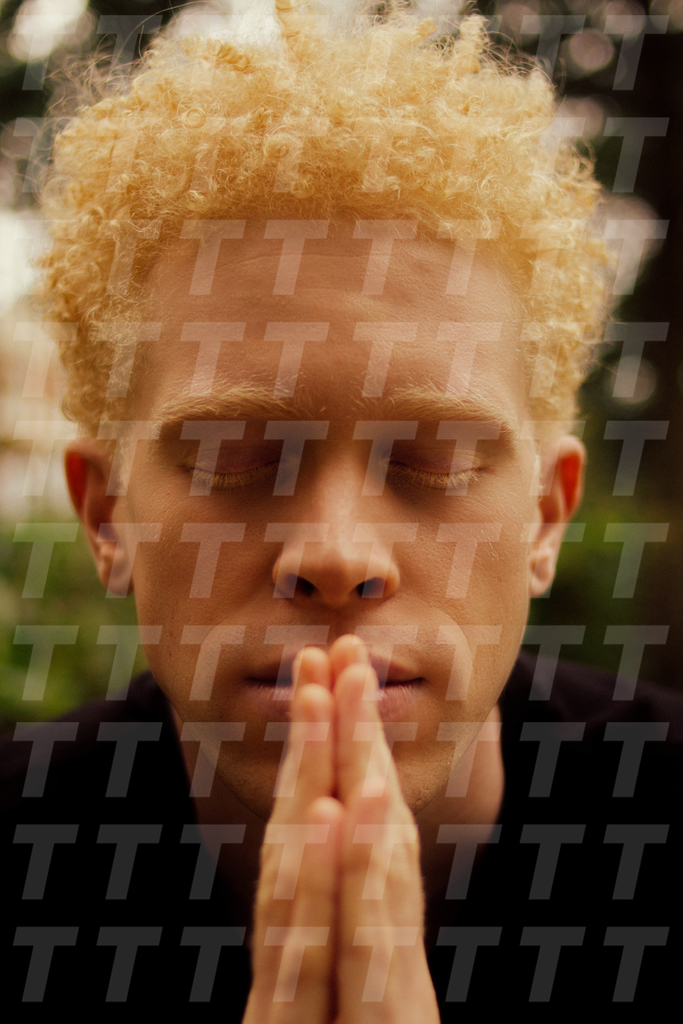
As Jordan reflected on what we can do as a society to shift this, he said it came down to paying attention to who is driving the narrative. “Let us tell our authentic stories. That’s the best way to do it.” When it comes to the film industry, he goes on to say, “That may mean having a whole team of people with albinism to direct the film and do it from a place of albinism.” Not having these perspectives makes for what he called “frantic stories” - these are stories that are misinterpreted or taken and edited by big corporations who don’t give albino people (and Black people) their true worth.
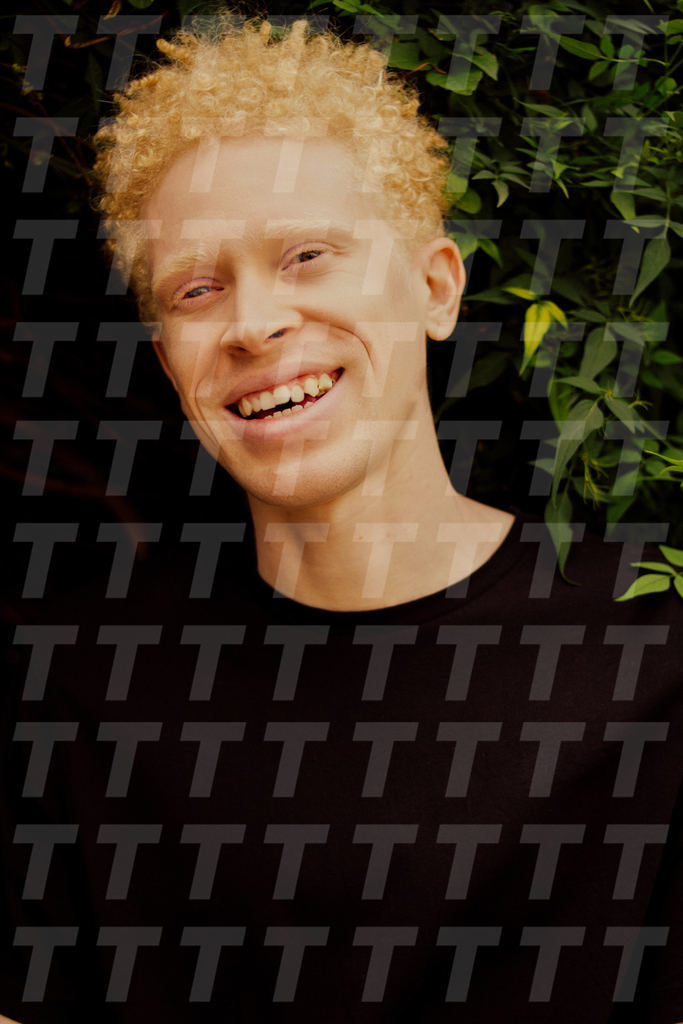
London is where Jordan found himself through acceptance from other people. It’s where he got to live in his truth: outgoing, confident and better at dating, he chuckled. This was all made possible through other people’s open-mindedness. “We need to be open-minded in order to move forward. It has to come from everyone.” Shop the full collection from this Narrative below!