TONL x Microsoft: Not All Superheroes Wear Capes
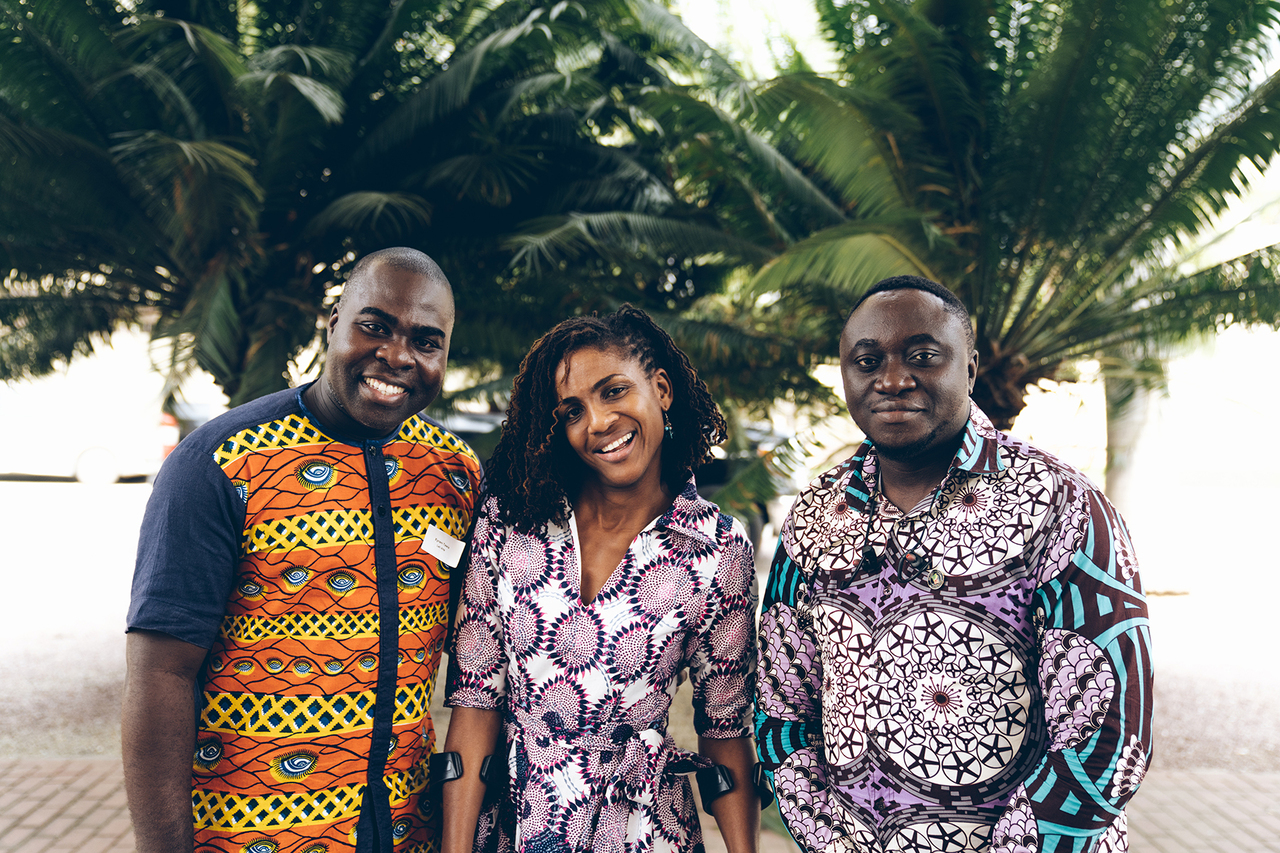
Though not a Founder, we were particularly fascinated by the contributions that Farida Bedwei had as a writer for Leti Arts. As someone who is disabled with cerebral palsy, Farida came up with the superhero comic book character, Karmzah who gets her power from her crutches that she has to use for her cerebral palsy. Cerebral palsy impacts coordination and muscle movement – a disorder triggered by abnormal brain development before birth. Besides her contributions at Leti Arts, Farida herself is the Co-Founder and Chief Technology Officer of Logiciel, a fintech company focused on promoting financial inclusion. She is also a disability rights advocate so her passion for representation in the disability sector and her expertise in software engineering made the creation of the character Karmzah the perfect marriage. Growing up, Farida loved comic book characters, but felt left out when she didn’t see any character that looked like her. She had a passion to create something that filled that gap and thus she teamed up with Leti Arts to create a character that would show other young children dealing with cerebral palsy (or any other disability) that they are normal. One of the things that Farida despised the most growing up with cerebral palsy was having to rely on her wheelchair and crutches. With Karmzah, she wanted to take a different attitude toward these objects like the crutches by giving it supernatural powers. Again, just another way to help children growing up with disabilities to feel empowered. Farida found solace in creating and would resort to many Microsoft products to get her creations and communication off the ground like Microsoft Word, Powerpoint, Excel and Visio. In fact, in her teenage years when she was starting her software career, Farida dreamed of working at Microsoft. But, instead she runs the tech side of things at Logiciel by developing banking systems. “My role involves assessing the industry and coming up with practical solutions, which are easy to use by persons with no formal banking training. I believe the informal sector (which makes up between 60%-70% of the population across Africa) deserve the same banking services as those in the formal sector. Thus, by building affordable banking systems for them, the microfinance industry will be able to realize their full potential and offer adequate banking services to their customers,” she shares. Farida is one of the most powerful and influential people in financial technology. Yet, we know that bias and gender stereotypes can drive a lot of women away from careers in STEM so we asked Farida what obstacles she has faced with the intersection of her race, gender and disability. Her response was telling of her passion: she has never given energy to these characteristics and has always focused her attention on proving her knack for learning. She reflected on finding her dream job at a software company but not necessarily having all the experience to qualify working at the premier establishment. Nevertheless, she persisted and connected with the head of technical division sharing with him that she would do everything in her power to ensure he doesn’t regret hiring her without any experience. He took a chance and Farida more than delivered. Farida’s work in disability advocacy and representation for those whose voices are often left out of the conversation in the microfinance sector further shows that not all superheroes wear capes; they wear an armor of strength and are a force, crutches and all.