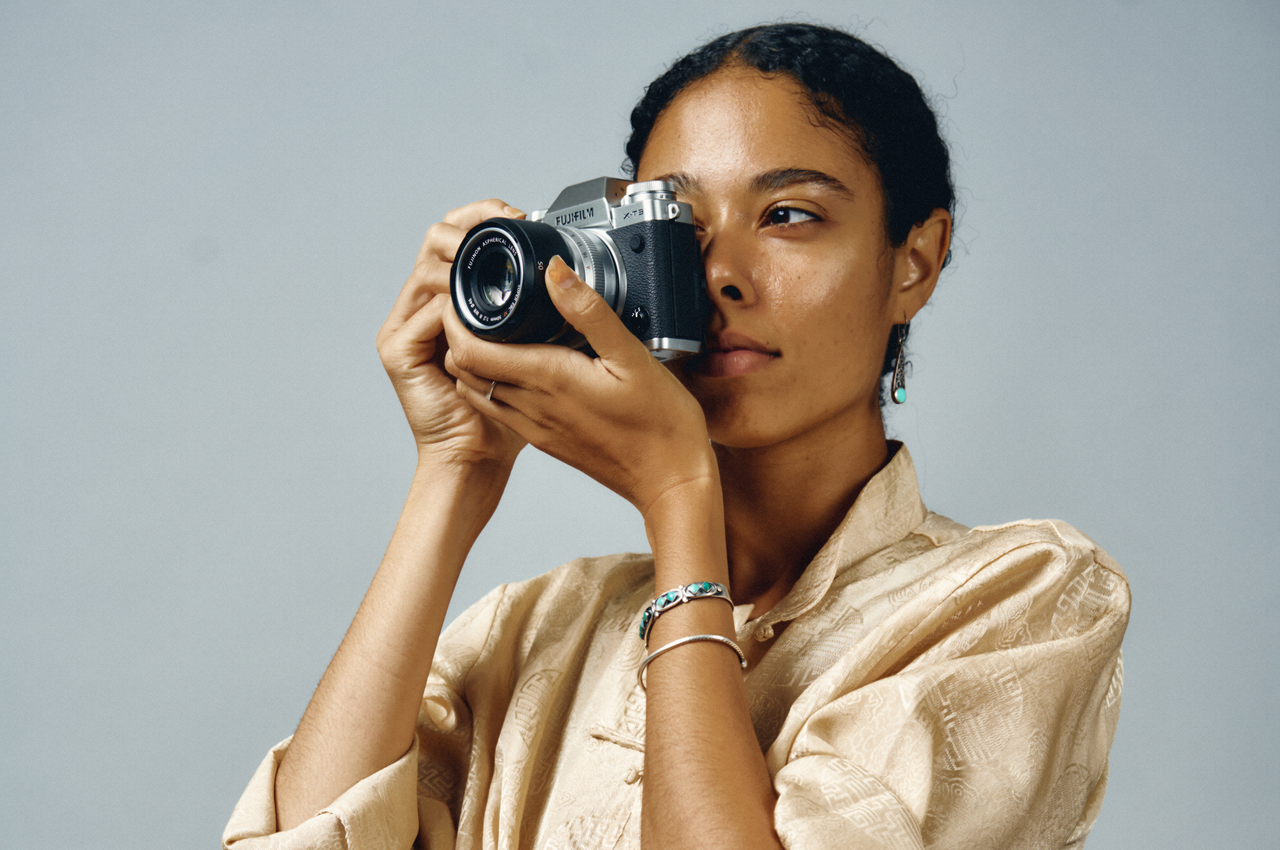
TONL x MPB: Equipped Storytellers
The camera is a powerful tool that when anyone from any walk of life picks it up, it challenges them - for most, in a good way. It becomes the gateway between you, your identity, what you stand for and the responsibility of transferring that same empowerment to whatever subject you choose to snap. Sometimes the strength in who you are only happens when the camera is in your hand. Accessibility to this form of art is what fuels camera and video company, MPB. MPB is the platform to buy, sell and trade used photo and video kit. It’s a destination for everyone, whether you’ve just discovered your passion for visual storytelling or you’re already a pro. Together TONL and MPB have created a library of stock images authentically depicting a diverse group of accomplished photographers with their equipment. The kit featured in the photos is from MPB's website and the photos captured from the shoot will be available for editorial use in an MPB x TONL collection on our website. Hear from Steven Molinas Contreras, Claire Charles, Gabriela Celeste, Asfar Khan, Tony White, and Michéle Eyenga as we discuss their journey to photography and everything that encompasses that experience as people of color.
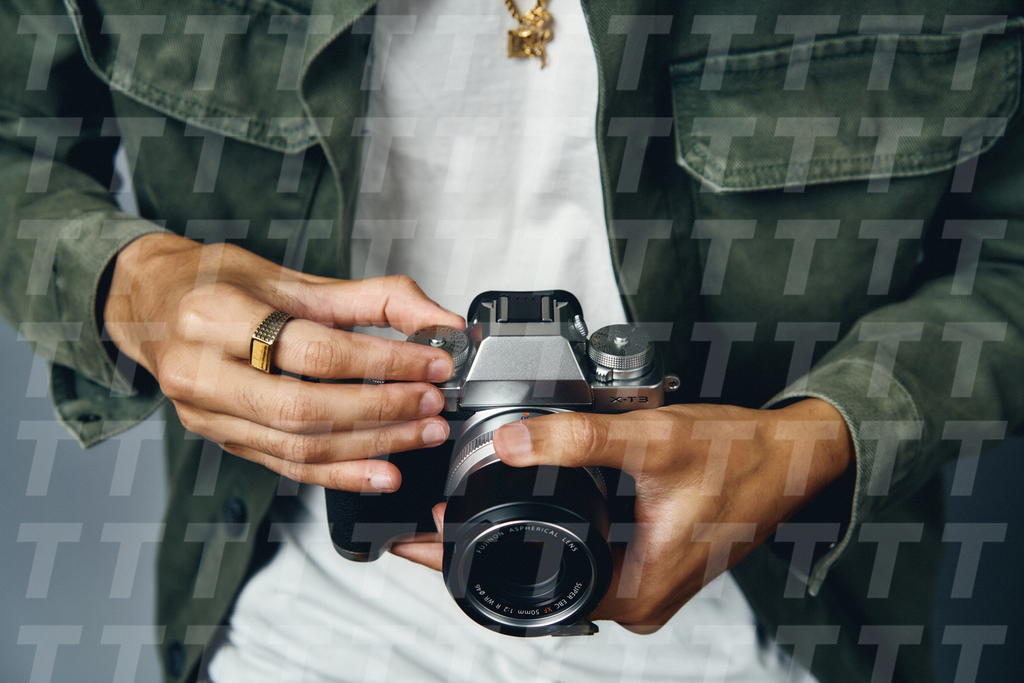
For many people like Pakistani-American and Creative Director, Asfar Khan, picking up a camera (the Sony Cybershot point and shoot, to be specific) started off as pure curiosity. “My childhood briefly growing up in Pakistan bred a creative perspective - our culture is very colorful filled with lots of art history that doesn’t get shown too much by the media.” His curiosity then turned into an obligation to accurately portray South Asian culture, among other things. “We’ve got to tell our story,” Asfar urged. El Salvadoran-American Photographer, Steven Molinas Contreras can relate when it comes to the creative influence he pulls from his home country in El Salvador. “I think that most of my personal subject matter (so within my artistic practice) is around my family's narrative and our relationship both to our homeland and the US. That’s how the personal directly influences the creative aspects of what I do and what I'm trying to think about, especially in my artwork. It just comes out within like the aesthetics and the flavors that happen within my images.”
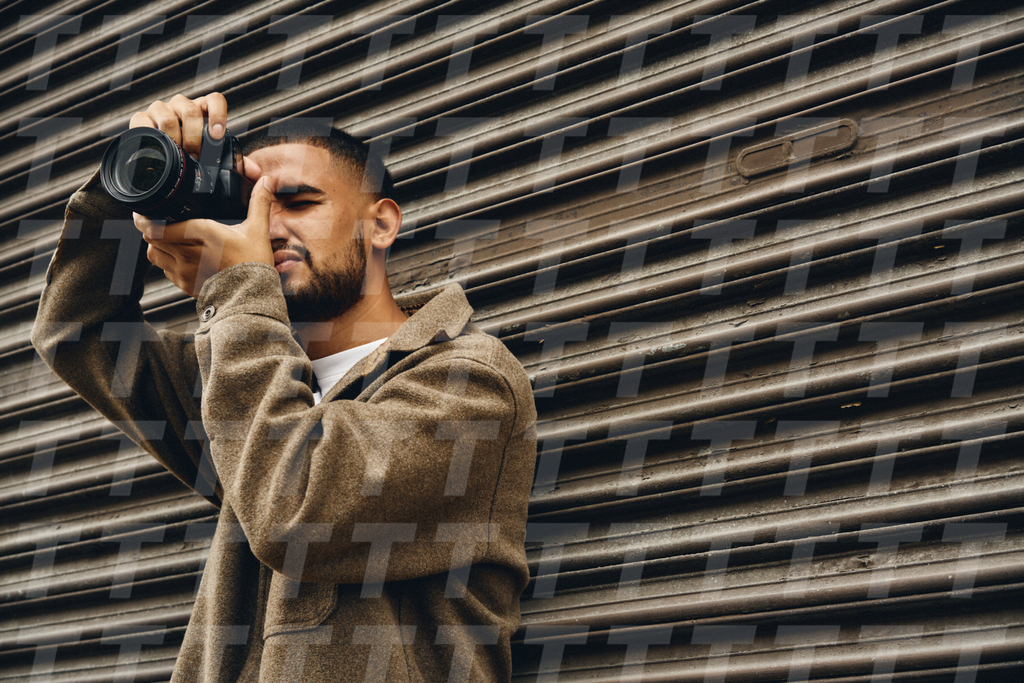
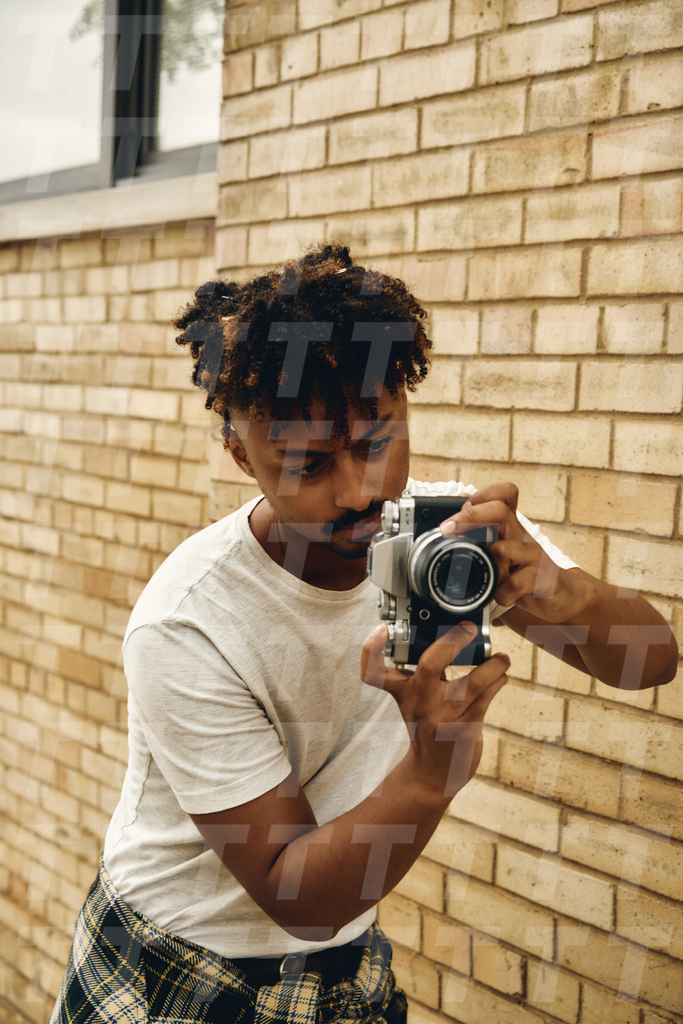
For African-American photographer and videographer, Tony D. White, he leveraged photography to find purpose. “Every iteration of my 6-7 year journey [with photography] represents a phase of my life. Each phase makes me think, “Okay, I know what I’m doing - this is what I want to do.” Street photographer and Trinidad & Tobagon, Claire Charles has the same ease when it comes to his love and acceptance of photography in his life. “Photography is a hobby for me. I’m not into details and all of that stuff. I’m into capturing the moment.” Claire enjoys being out on the street interacting with every day people. “Sometimes I get to stand up and talk and listen to very interesting people and I learn from people. That’s why I like photography.”
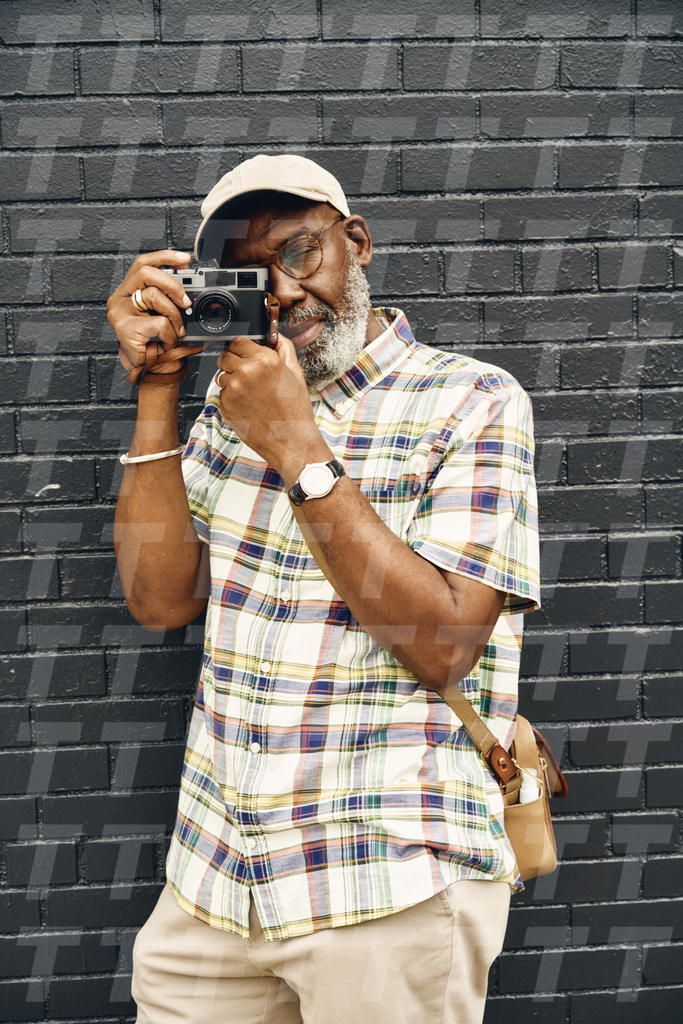
For Tony and Claire and so many other people who decide to pick up a camera, it can be a gradual acceptance that you’re “a photographer” which is why having a community to rally with makes the journey that much easier. Photographer and Afro-Latina, Gabriela Celeste couldn’t agree more. “I just feel like a lot of times as a photographer, you don't always get the opportunity to connect with other photographers as much, just because you're always on shoots where, you know, you have stylists, you have makeup artists - you're meeting all their models and everyone else, but you're the sole photographer. So it's really nice when I get to meet up (like in situations like this) with other photographers and actually get to talk about our experiences and things we share in common.”
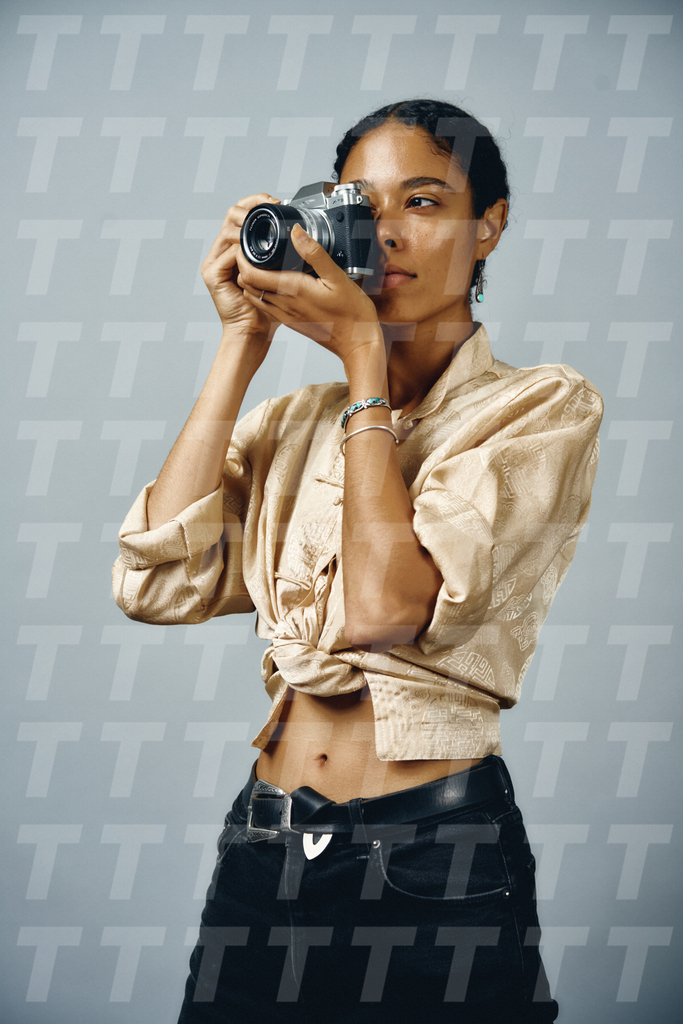
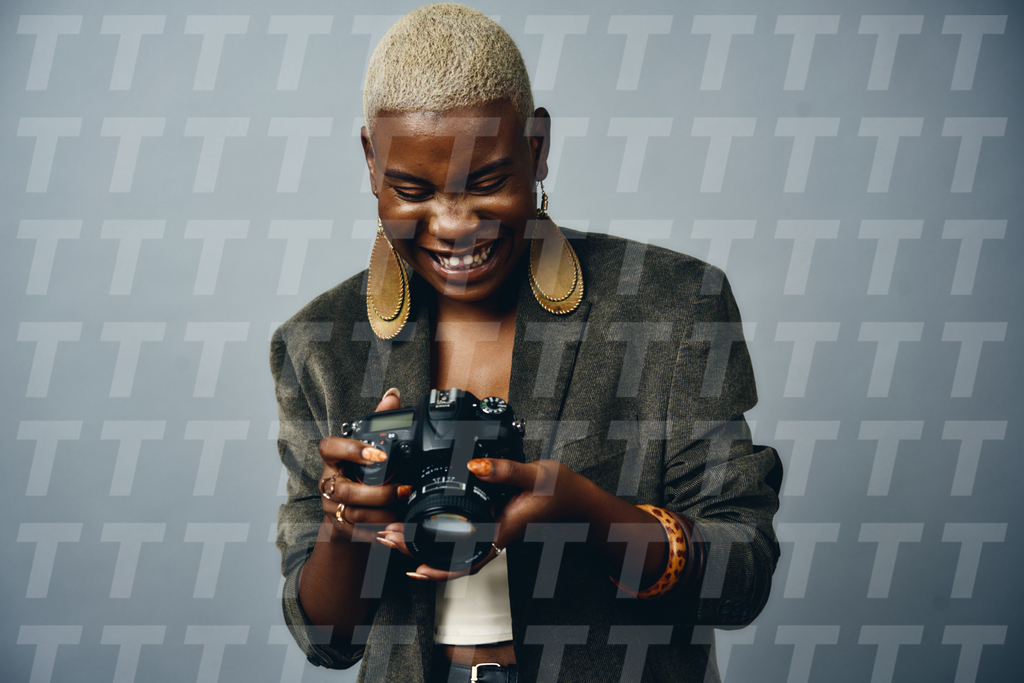
A lot of times in the photography space, the commonality can be belonging to a marginalized group not always seen and amplified. For Black, queer photographer, Michéle Eyenga, entry into photography was a way to change what had always been the norm. “So when I first started photography, I noticed that it was very male-oriented and there wasn't a lot of women photographers that I would hear about. When I am working with models, I always get like, “Oh my God, I love working with you! I usually work with male photographers and I feel uncomfortable at times”. So [inclusion in the photo world] is not only including different genders within the photo world, but it’s accepting all of us as creatives and believing that we also all have talents at the end of the day.”
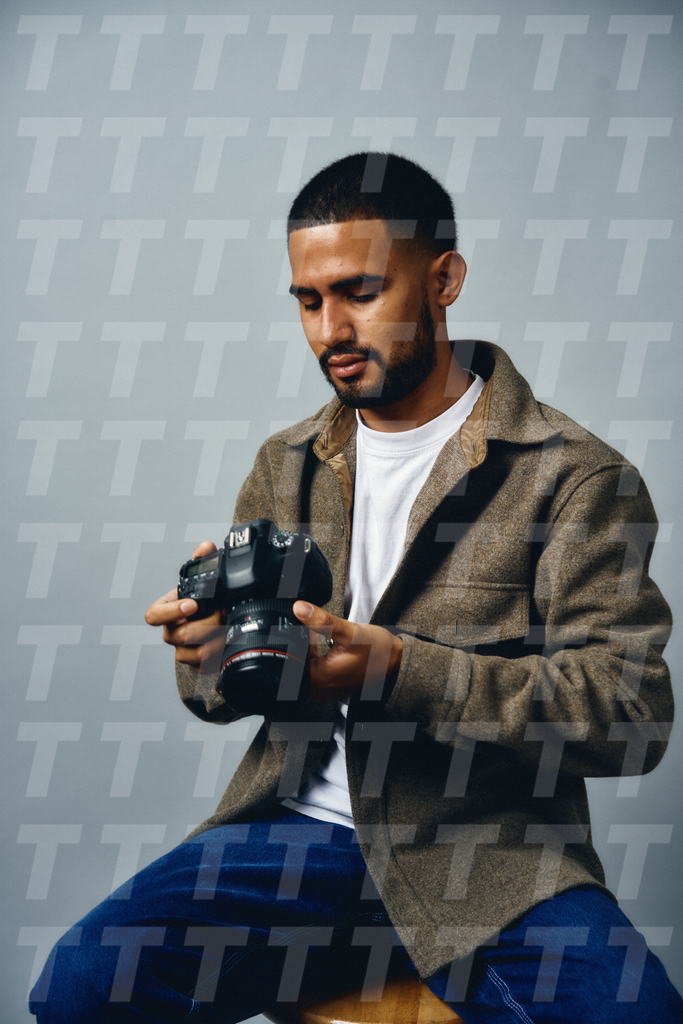
While the camera doesn’t discriminate, the barriers of entry into the photo world can make it feel like an inaccessible hobby or profession. “It's hard sometimes. Like you're just trying to navigate it [photography] alone. I'm not someone who went to school for photography. So it can be lonely at times, or it can be just confusing at times to figure out how to navigate because you're doing everything yourself,” Gabriela confessed. Even just the mere interest of buying a camera can be tough for a Black person like Claire Charles. “We, as Black people, sometimes we go to camera stores and they look at us differently. Compared to other races, the questions they ask us, they don’t ask them. I think we are still fighting to get recognized.” With this reality, it makes it even more important to create community to rally behind each other in the photography space. So like Steven says,“I definitely think that building sympathy and empathy towards one another and our shared experiences is what's important about that community aspect. I think also sharing which differences we have in the sense of the way that others may perceive or speak towards us, I think is also important because we get to kind of understand each other a little better. So I think that's the good part about community; communicating with one another consistently both shared similarities and differences so that we can kind of collectively do something forward for ourselves, especially in this industry where it's not us at the forefront consistently.”
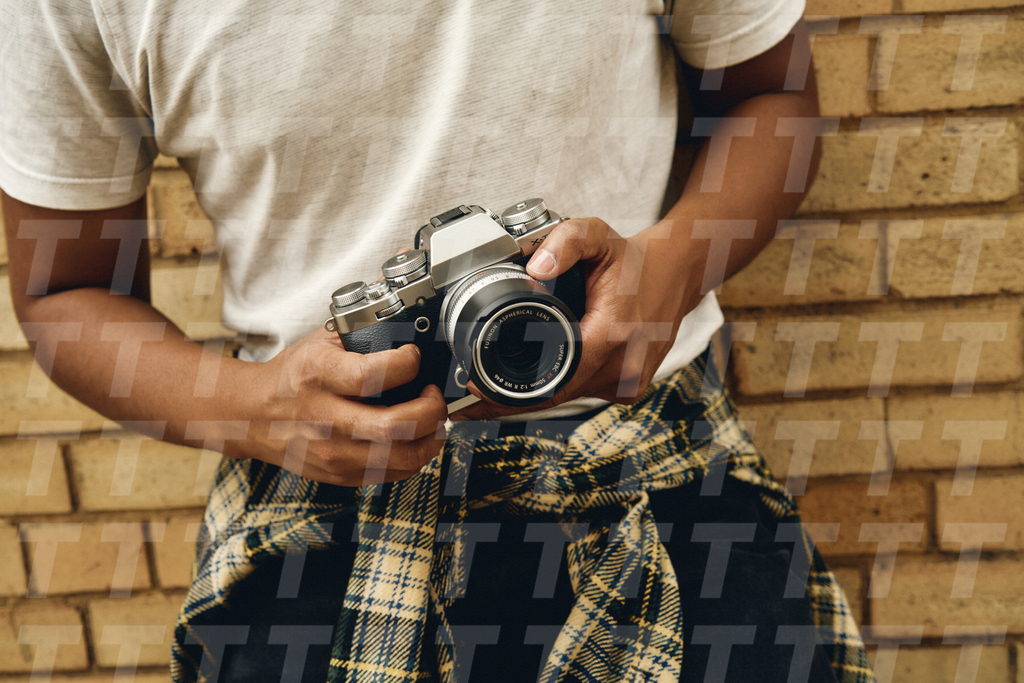
Ultimately, for Asfar, Steven, Tony, Charles, Gabriela and Michéle, their identities have been strengthened through their access to photography. They continue to grow and evolve in their art whether for personal or professional pleasure. “[The evolution] has been a huge part of the journey. I started learning on a crop digital camera and then slowly but surely I started to experiment with 35 millimeter film and then I got really into shooting what some people call wiggle grams and certain 3d gifs. And that's kind of my passion right now. And I'm trying to take that further,” Tony shared. For others like Asfar, photography continues to be a medium for storytelling. “For me, my main thing is not a Photographer. It’s one of the mediums that I use to tell a story. Being a Creative Director I am trying to figure out how do you combine film, video, design, story, type….I find all of that so fascinating. Photography is a huge part of that aspect.” For Steven, his personal work and how his photography doesn’t only extend to him is what is currently moving him particularly with his favorite piece of work titled “Abigail’s portrait”. “I love that photo a lot because a lot of the things that I do is about a collaborative approach to image making and depictions involving my own family and an overall immigrant experience for us. So I love that one because it’s both a signal to a handoff to the way that we think about photography and the way that I want to also evolve the way my younger sister thinks about that in this space. Then, I think it's also an acknowledgement for myself that I and my mother and each person that happens to be within my pictures or most of my personal work, has a hand and a place and a foundation in it.”
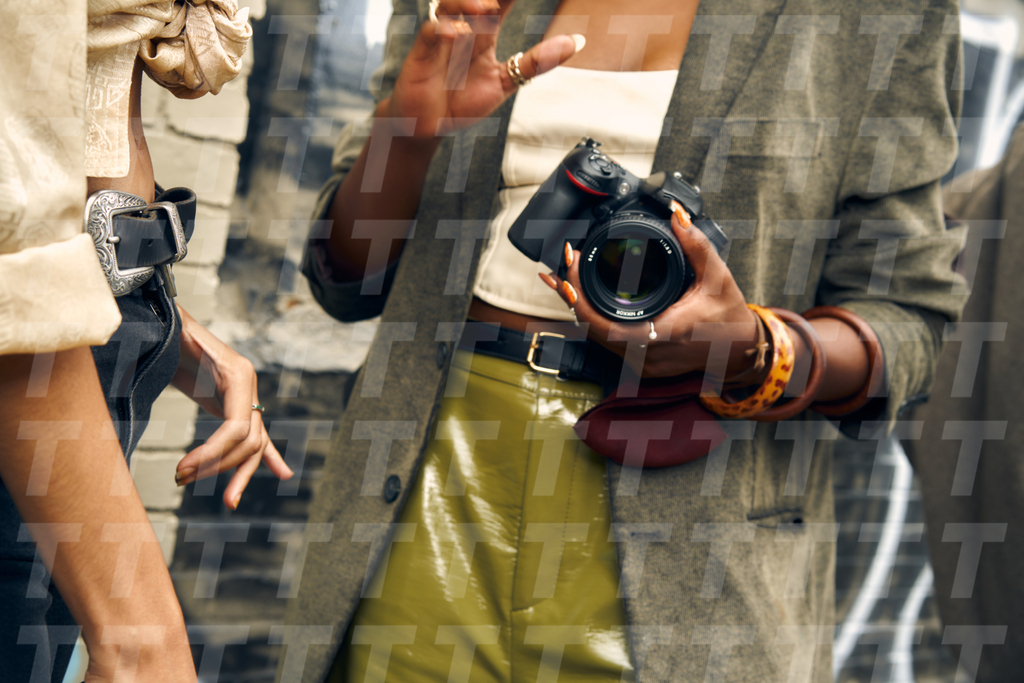
It’s the stories that center many photographers and what the global creative community can never have a shortage of. Michéle put it best: “I think every photographer has a different story to tell. And I think that aspects of our identity and our personal experiences will shape the way that we create photos.”
Shop this Narrative below or by searching “TONL x MPB”!