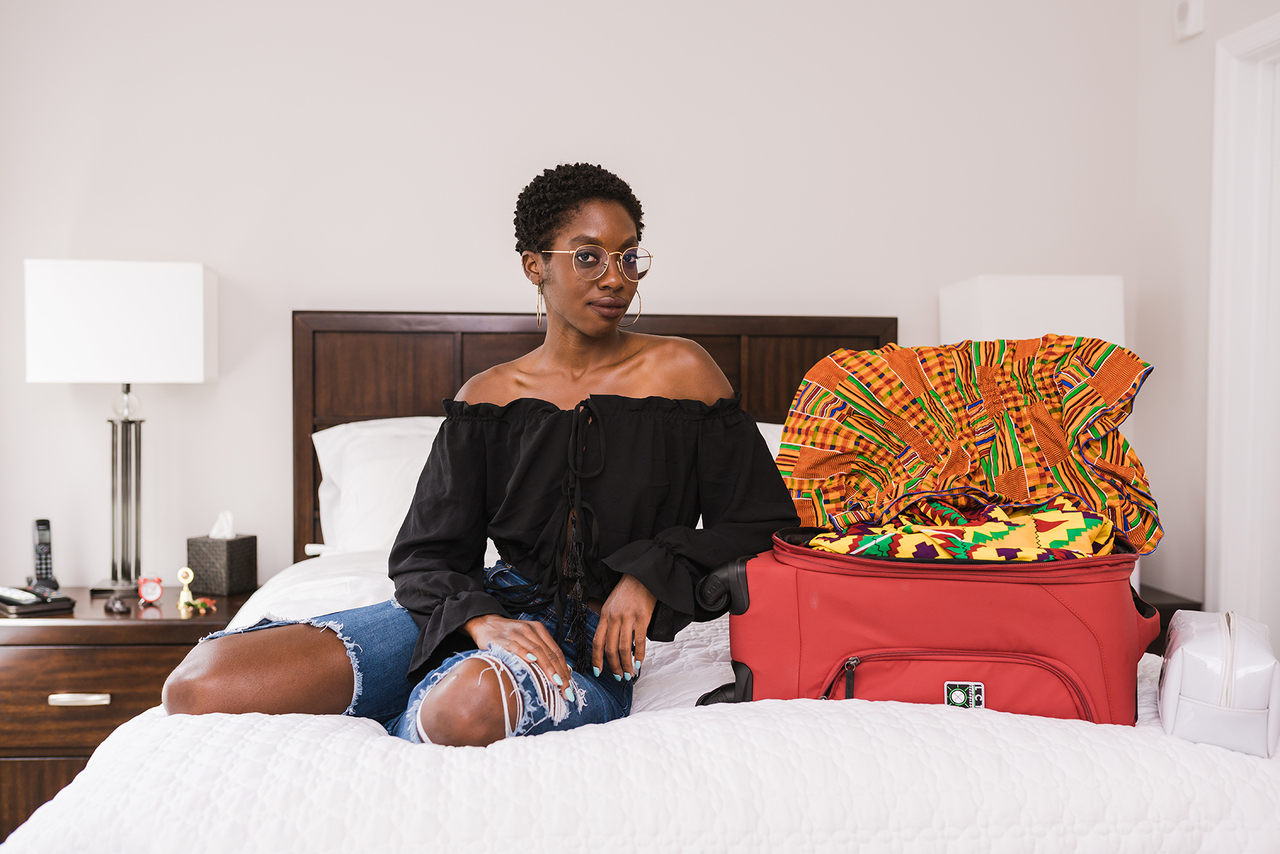
Traveling While Black
Naa Adei Mante is the Travel Blogger behind The Pursuit of Flyness Travel Blog. Traveling has looked quite different given the current climate that we are in, but it looks even more different for Black people. Hear more below of her perspective on the stark differences that Black people often experience during their travel ventures.
-------------------------------------------------
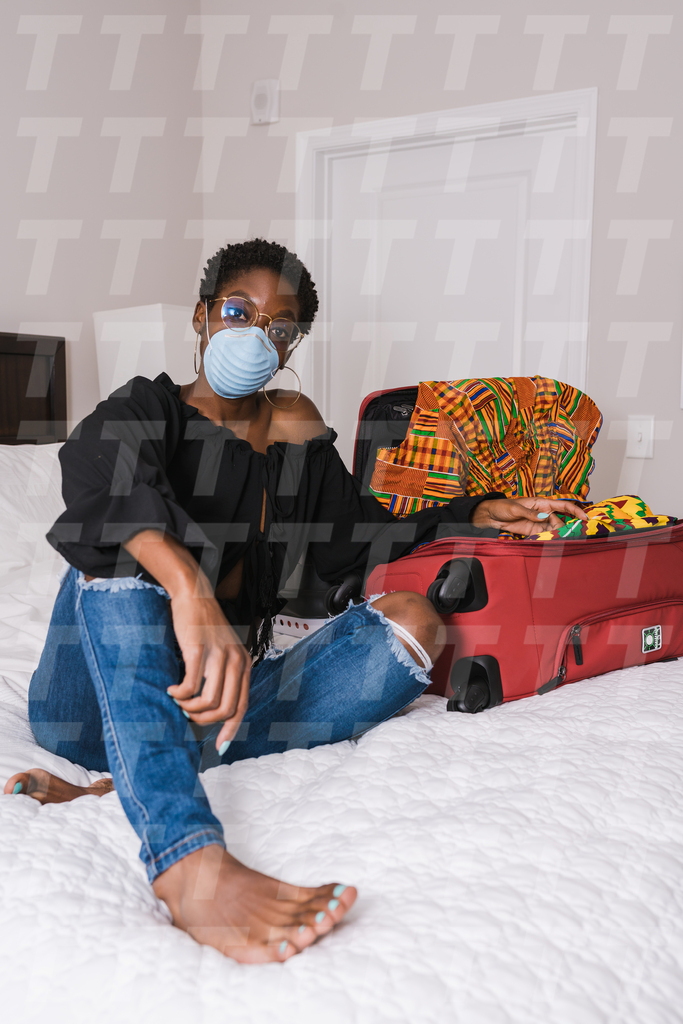
With COVID-19 ravaging the world, fears of rising cases and high death rates have closed many international borders to travelers from the U.S. Because of these circumstances, many of us are forced to do something new: explore our own country. Even though exploring America isn’t what many people envisioned for 2020, it does give us avid travelers a unique opportunity to make that quintessential cross-country road trip, all while trying to stay safe.
But what does “safe” travel look like for Black people in a country that systematically and routinely attacks our Blackness? How can you truly feel safe knowing that other Black people were senselessly murdered for running, shopping, and even sleeping, while Black, in 2020 alone? When you process and internalize these facts, you begin to realize that a “traditional” road trip to the Grand Canyon doesn’t feel as appealing when you have to factor in the very real dangers of being Black in America. From the towns that you visit to the times of day that you’re out on the road, your whole trip revolves around minimizing your exposure to racism.
Naa Adei Mante, a Black Travel Blogger, faced these same concerns when planning a road trip to a few different National Parks this summer. “Racism won’t stop me from traveling, but it definitely prevents me from having a full and enriched experience when I’m exploring the country. I can’t speak for everyone, but as a solo, Black, and female traveler, I tend to avoid strangers and keep to myself because I would rather not have to hear a microaggression or racist comment.”
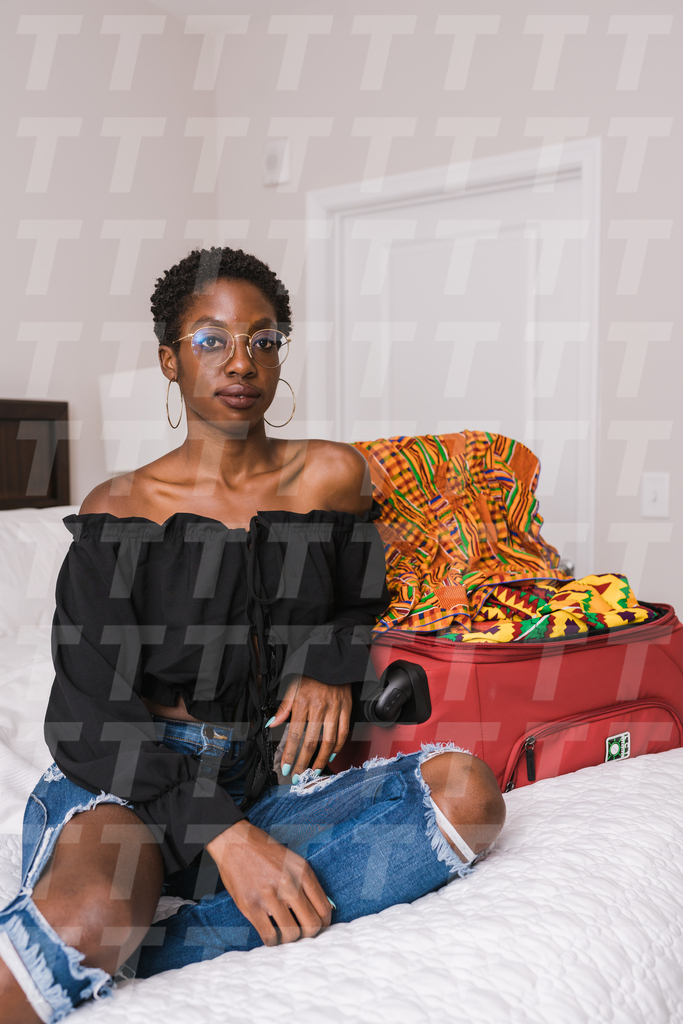
So now, in 2020, the road trip, which is usually marketed as a staple in the traditional American vacation experience, takes on an entirely new level of nuance for Black travelers. Instead of flocking overseas to seemingly safer countries, we now have to weigh the risks of exploring our own domain. Naa Adei asks, “Do you choose to travel freely, openly, and blissfully ignorant of what could happen, or do you fall back to the days of the Green Book and only go where you’re welcomed?” Given our history and the current political climate in the US, trying to avoid racially charged experiences that could cost you your life is still a legitimate concern for many Black travelers. “Sundown towns,” or predominantly white towns that keep Black citizens out through redlining, segregationist policies, and violent fear tactics, are still alive and well today. Even though these towns may be harder to spot, their existence and operation is still a conscious reminder to Black people that our presence is unwanted. So, you make sure to avoid rural areas if need be and get inside by sundown, or else you may turn into a statistic.
“Nowadays, seeing an American flag is just as triggering as seeing a Trump 2020 or a MAGA hat,” recalls Naa Adei, “because both seem like a reminder that the majority don’t care whether or not justice is served to Black people equally.”
Since Blackness is so targeted in this country, many of us are forced to travel with a heightened sense of awareness. “I myself have an entire list of states that I refuse to visit. I’m not saying that everyone there is a racist or a "Karen", but I honestly have neither the time nor the energy to find out. Especially not on vacation,” reflects Naa Adei. This sentiment is widely shared amongst Black travelers. Just check any travel group chat, or the popularity of Google searches like “is ‘insert city name here’ racist?”
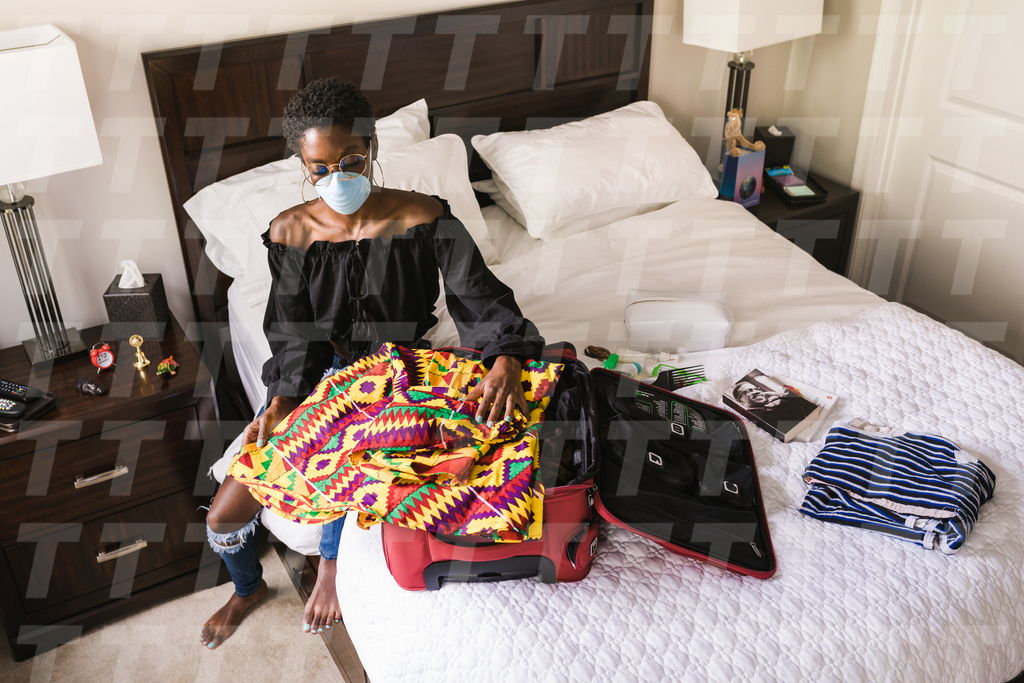
In many cases, it only takes one negative experience or one racist story to sour your entire perspective on visiting a place and make you feel unsafe or unwanted as a visitor. “I’m not saying that I won’t ever go to those states, or that any state is without some form of racism. But, in an attempt to practice some self-preservation, I would much rather prioritize visiting countries within the diaspora, or cities with strong Black communities and businesses that I can support, just so I can be around my people. If I can’t, I make sure to travel with some items that remind me of my strong Ghanaian and Black heritage.”
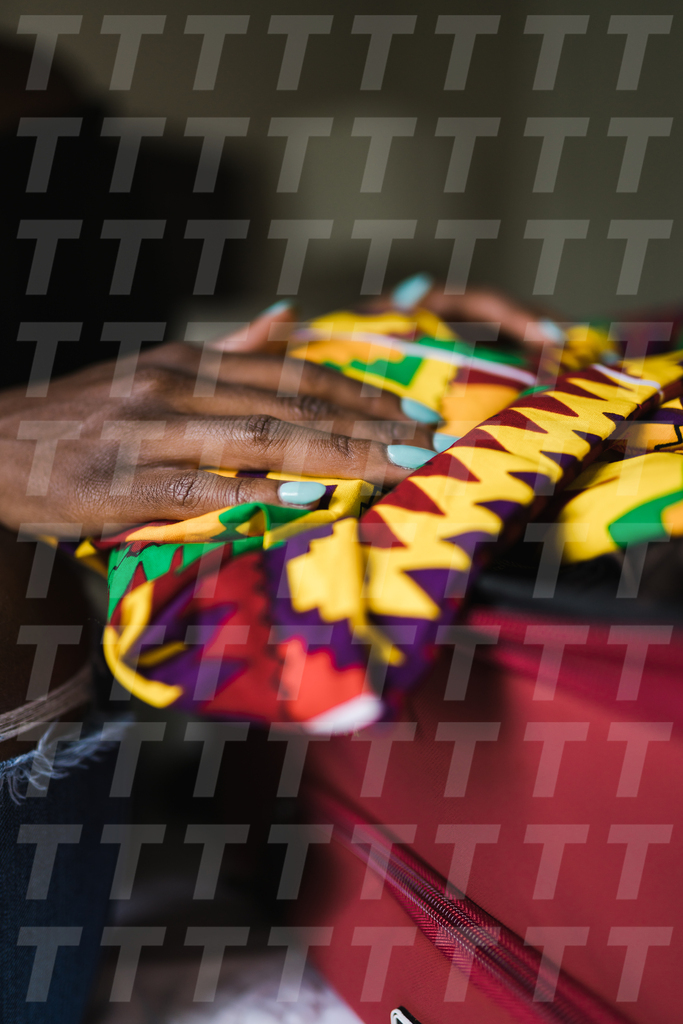
Whether we’re tokenized and praised in one setting (a la Beyoncé or Michelle Obama catcalls), or verbally attacked in another, the response to our mere existence as Black travelers is so political that it makes many Black people debate whether it’s even worth planning certain trips at all. The fact that we have to even consider this in our home country is pretty dehumanizing and can be a major deterrent from traveling for some. But, for others, we still choose to live our lives as unapologetically Black as we possibly can. We continue to move throughout the country very tactically while remaining conscious of where we go, what we do, and even what we pack, in the hopes that this added level of scrutiny will shield us from racism when Traveling While Black.

“But, as an extensive traveler, I have learned that despite this fear of a racially charged experience looming behind every corner, most people are nice.” So, despite these fears, and despite our history, and despite all of the extreme racial inequities that 2020 has highlighted, we still travel. We still use our existence and our joy as a form of resistance. We can still embrace our Blackness and move as freely as we can, “because, despite the messages that this country may send, we are valuable and we deserve to travel freely,” states Naa Adei. “So, I will continue to take my road trips because no one can take my sense of self and my dignity from me. I hope that other Black Travelers can feel the same way too.”