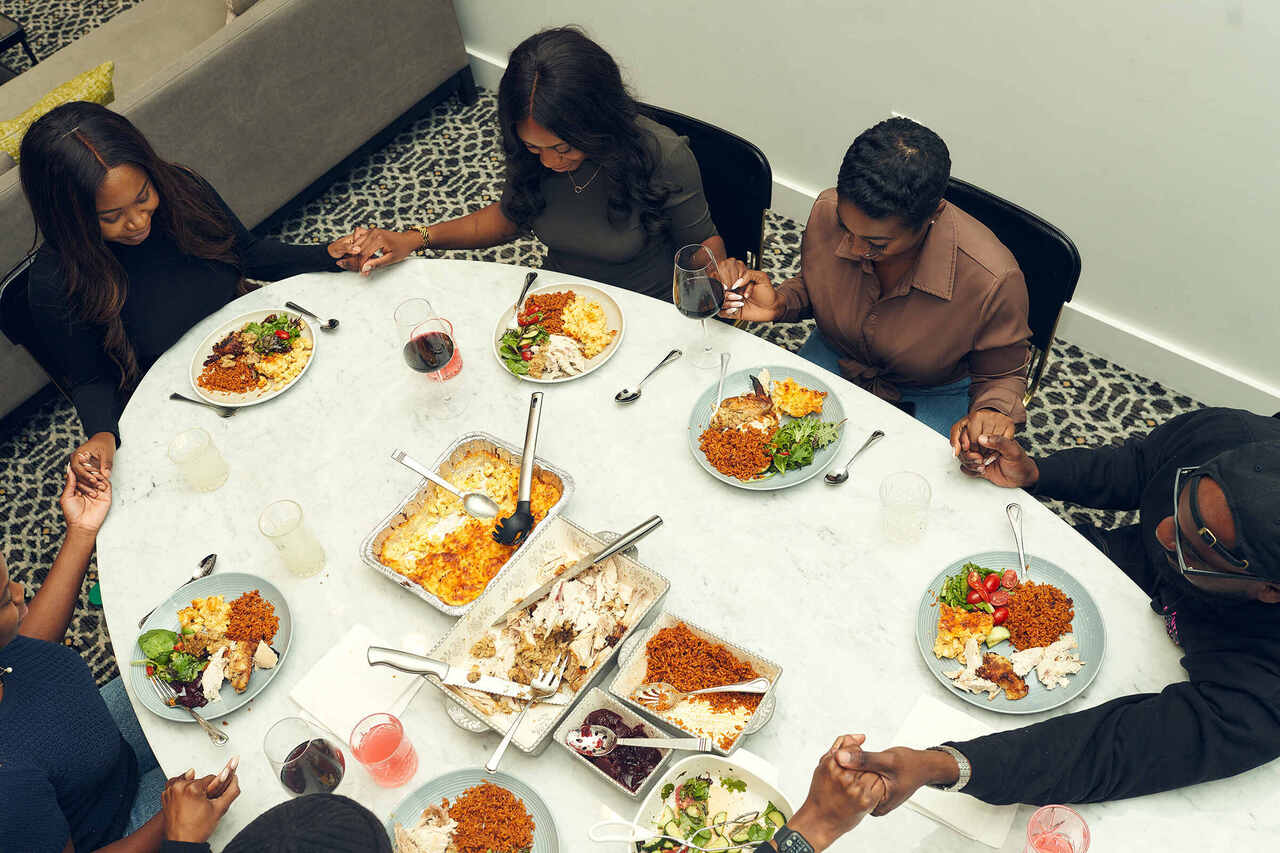
Tribesgiving: The Friends We Choose
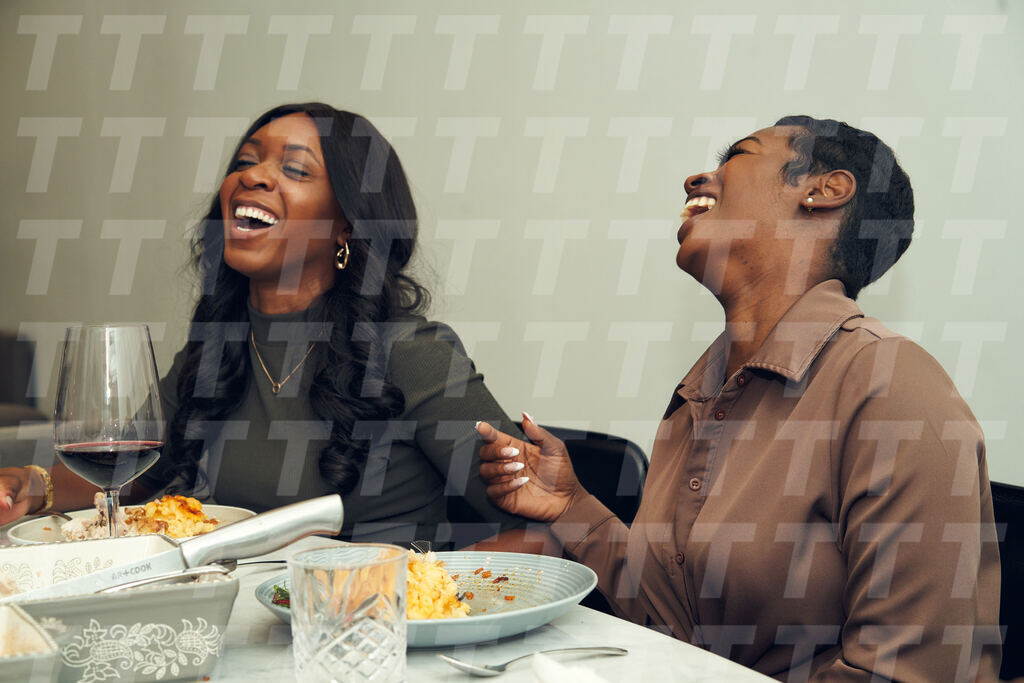
Many first-generation immigrants find value in building connections with people who share their cultural identity. It’s no surprise that people tend to form friendships along cultural lines. with others. Our friends are our tribe; the family we choose.
Forming friendships with similar others help people feel seen, giving them a sense of belongingness and familial support. However, it is the unfortunate case that forming organic friendships with similar others becomes increasingly difficult as people grow older. What can be done to foster the conditions that make it easier for people to find friends as adults?
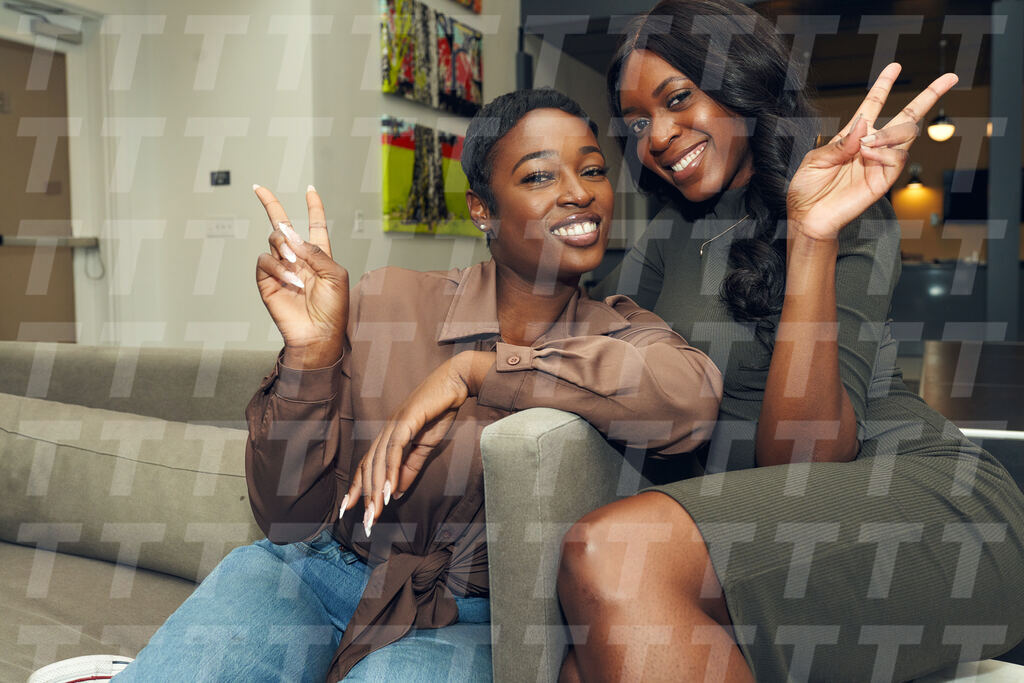
For Abigail Osei-Tutu and Sade Luwoye, two first-generation women with West African roots, friendship is found through shared cultural experiences. Together, they founded TribeMeets, a start-up that curates spaces and events for first-generation Africans in the United States to meet and develop connections with others in the African Diaspora.
We spoke to them about the importance of friendship and cultural identity, the need to create organic spaces that facilitate friendship in adulthood, and the value of about building community amongst first-generation Africans.
TONL: Tell me what each of your names are and what you do.
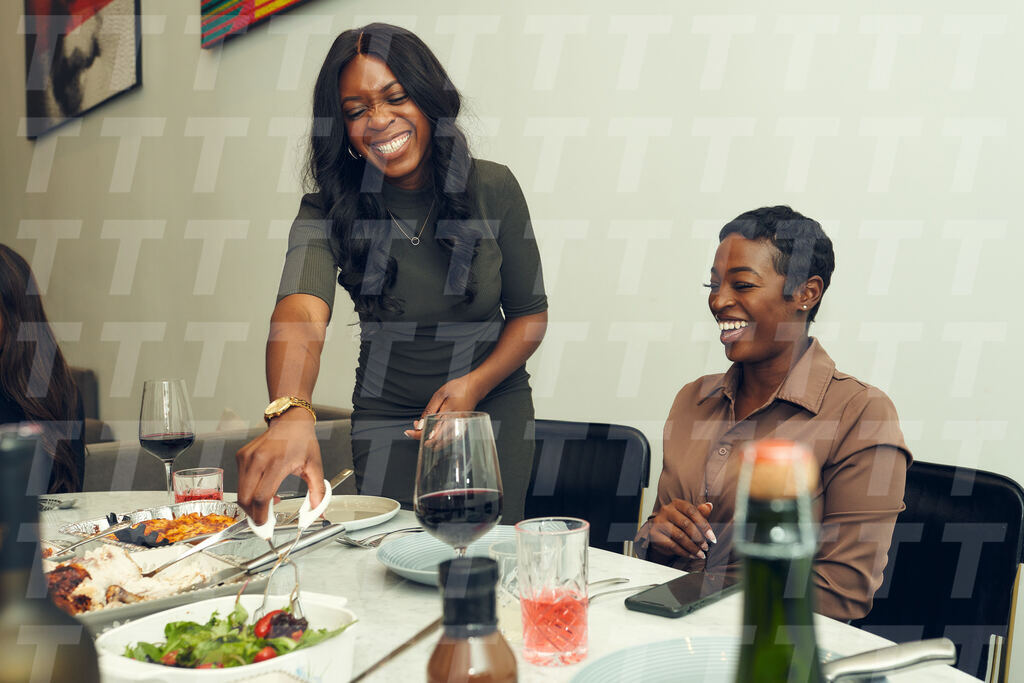
Abby: My name is Abigail Osei-Tutu and I am from Ghana. I was raised in Worcester, Massachusetts, which is basically a mini-Ghana. I always say that because [growing up in Worcester], I really felt like I grew up in Ghana. I currently live in Maryland right now and I am one of the founders of TribeMeets!
Sade: And I’m Sade Luwoye. I'm Nigerian, born and raised in Fall River, Massachusetts. [Unlike Worcester], it is not the Nigerian capital in the United States. I currently live in Virginia. I work as a systems engineer for a defense contractor for the government, and I’m also a TribeMeets founder.
TONL: So, tell me about your childhood and growing up in those communities. It sounds like you both had pretty contrasting experiences. For Abby, I know Worcester had a very deep Ghanaian community for you to tap into, but for Sade, not so much. Tell me a little bit about what it was like kind of growing up in those environments and what connection meant for you at that time.
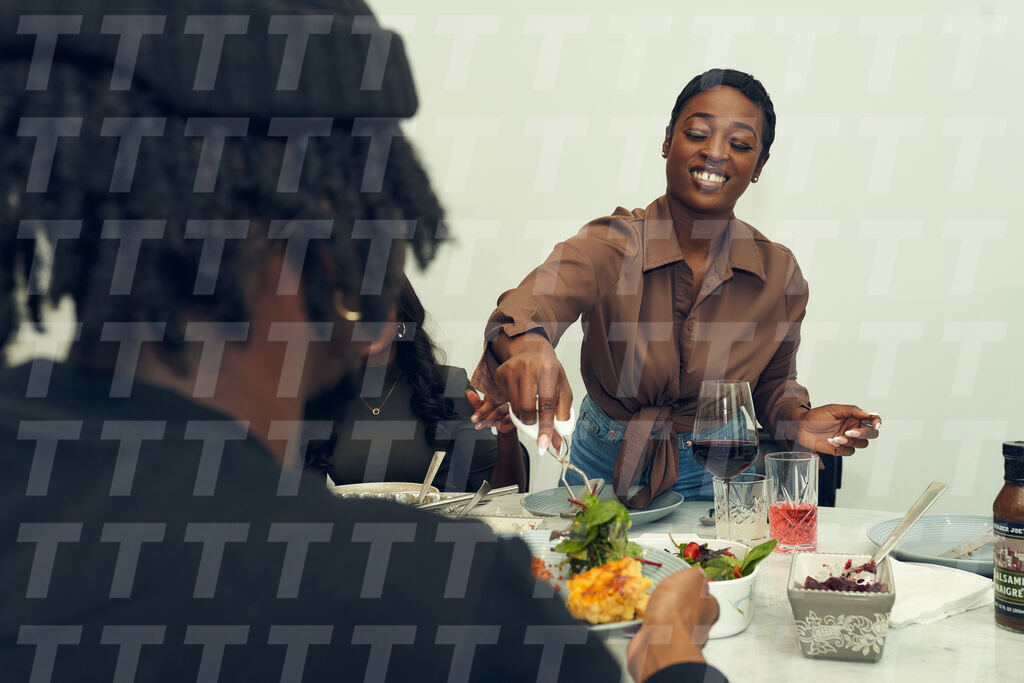
Abby: Growing up in Worcester really shaped who I am. It made me fall in love with my culture because all I saw growing up were Ghanaian churches, Ghanaian markets, Ghanaian restaurants, Ghanaian everything. It was to the point where I was just filled up with Ghana.
The coolest thing about growing up in Worcester was that there were a lot of Ghanaian people there that I am still really, really close friends to this day. It just felt like the community that I grew up in was so safe and comforting. I knew that I had this group of people that understood my experiences and that was so important to me. I wanted to be around people that got me.
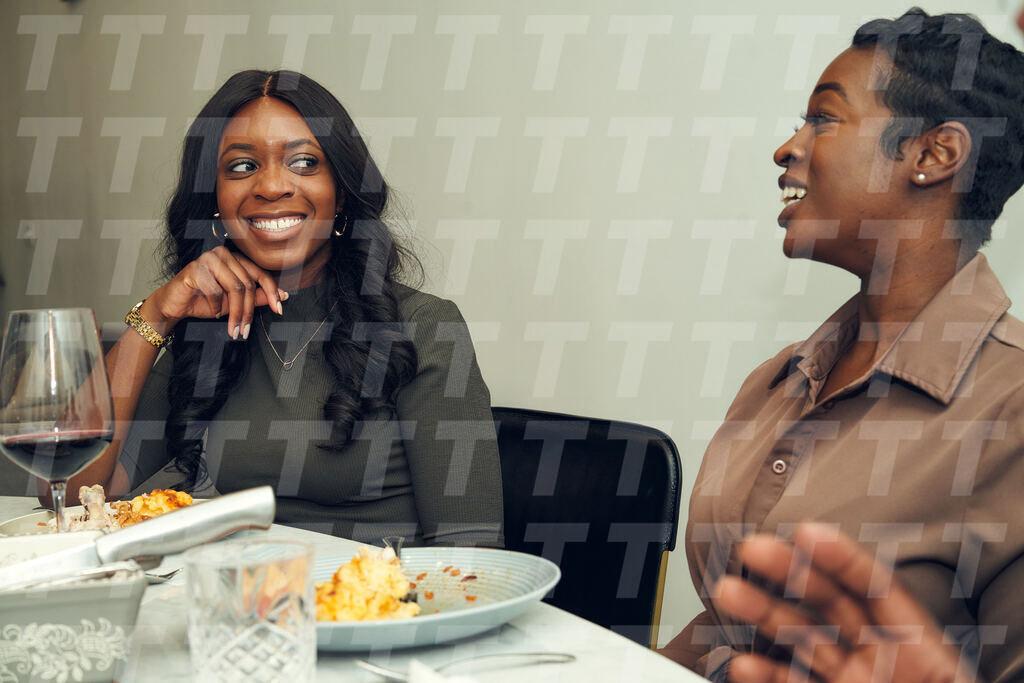
Sade: In Fall River, there's not much of a big African community. But my parents definitely made sure that my me and my brothers were heavily involved in the Nigerian culture. Understanding the culture, the language, cooking the food, even going to Nigerian churches and greeting our elders a particular way… Growing up, my parents instilled into us that Nigerian culture was very important. And that's something that can never be taken away from you.
TONL: That cultural aspect of connecting with others is very valuable for first-generation African Americans, especially because of the tribal nature of West African culture. How have these connections influenced how you relate to others and build friendships throughout your life? What do you think that has done for you? Or, more generally, what do you think friendship does for people who come from similar backgrounds?
Abby: I've absolutely taken that [sense of] friendship, togetherness, and community. I want to make sure that everybody is good, because that's what we've been taught; that it's just not this individualistic world that we live in. It's more of a community.
Sade: Yeah. And treating others like a family and looking out for each other. Because, once you're in a community outside your family, you want to feel comfortable and vulnerable like when you're with your family. You want [your friendships] to become that family away from home, you want that safe haven that you can come to for support, for guidance, for relationships, for anything.
Abby: And I think that [our shared culture] allows you to not feel alone. It allows you to be more open and vulnerable with people who share that culture. I think that's the beauty in African culture, like we call people that we've just met auntie and uncle. I remember, I met another Ghanaian person at work. And she was telling me, “I just came from Ghana, I want to be a doctor, I'm doing this, I'm trying to do that.” I gave her my number and said “Call me if you need a ride. You don't have a car? Let me know where you need to go, and I’ll take you. I just want to help you.” Because we come from that culture where it's like, “what do you need? How can I help you? Where are you lacking so that I can provide support?”
TONL: Growing up, our parents are, in some way, shape, or form, creating these spaces for us to have these collective experiences and to share this collective identity with others who come from the same backgrounds as us. So, how do you think that has shifted now that our generation has gotten older and doesn't necessarily have the same infrastructure to put us in these environments more organically?
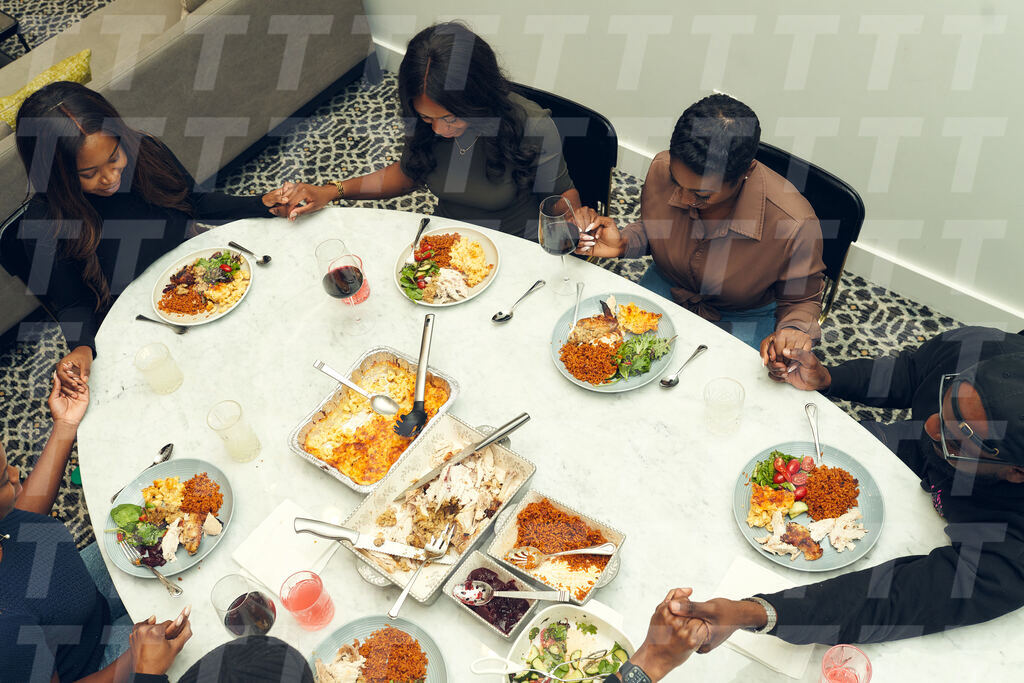
Abby: I definitely don't think that we're doing that as much. When I was younger, I remember going to tribal meetings with my mom, where everybody from her specific tribe in Ghana would come together once a month and discuss what was going on in the community. Whether it was events that they want to throw, or helping out somebody within their community who's going through something… It was so dope, and I don't even think I appreciated it. But now that I'm looking back, we don't really have anything like that for our generation.
Sade: Yeah, I wouldn't say it doesn't exist. I think that like our generation is now starting to appreciate the culture and trying to find ways to, retain it and pass it on. We don't have a conference or things like our parents did. But, I think it's something that, as Africans, we are noticing, and we're trying to build different avenues that we can use to learn more about our culture and even retain it for the next generation. I wouldn't say these things don’t exist at all; we’re trying. But I think that, as a collective, we could do better.
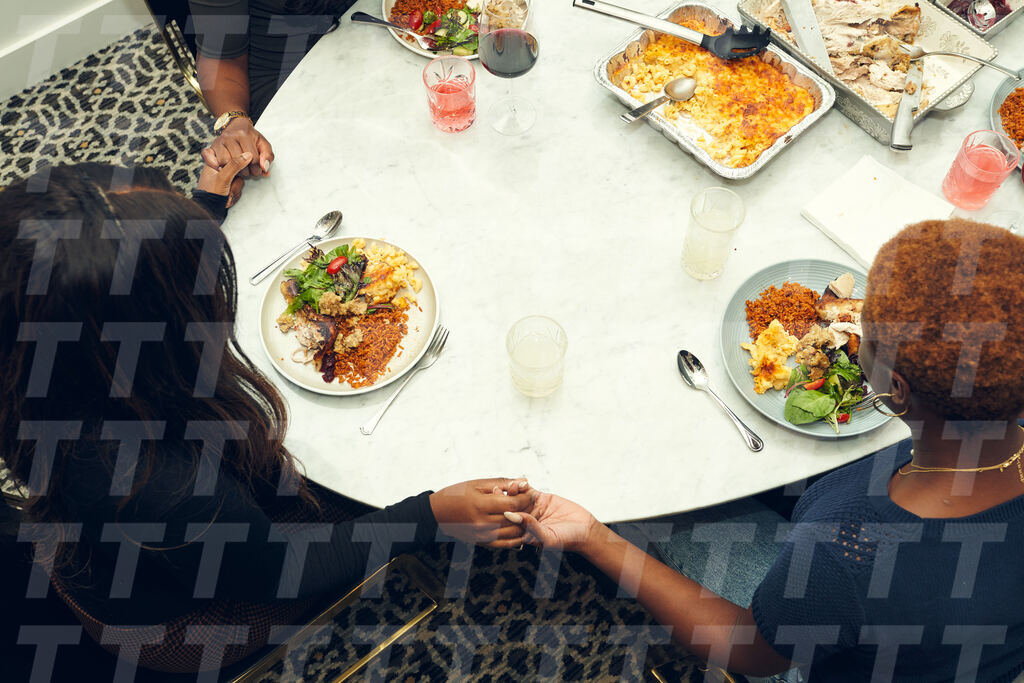
Abby: I think it's really important that we create spaces for our community and for our people so that we continue these traditions. It's not just about creating the space where we're having meetings; there's so much more that happens in those meetings. It's all about tradition and culture. These meetings are where we both share and learn about our culture. But I think that [our generation is] being really creative in the way that we are celebrating culture. I think Afrochella is doing amazing things with the festival they throw to celebrate our culture every year. I just went to a Nigerian conference a few months ago and thought “It would be cool if every tribe could do something like this.”
TONL: So, tell me a little bit about TribeMeets and the problem that it’s trying to solve.
Abby: TribeMeets tries to solve a lot of problems as it pertains to community and connection for first-generation Africans in the diaspora. Our first and primary goal is to connect people within the African Diaspora and create spaces for people to feel comfortable, to feel a sense of community, to feel like they see themselves. And whether you're looking for a friend, looking to connect with someone from your own [African] tribe, somebody to just grab lunch with, or someone to create a romantic partnership with! Whatever it is, TribeMeets provides a space and platform to foster those connections.
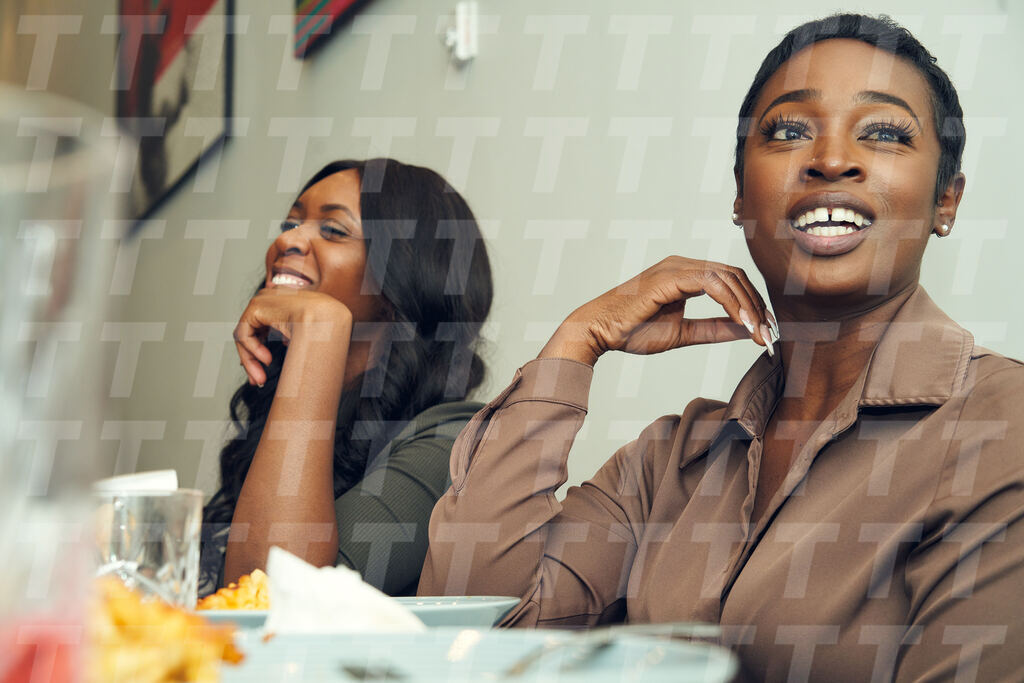
TONL: What are some of the initiatives or activities that TribeMeets has done or plans on doing to kind of connect first-generation African Americans in this way?
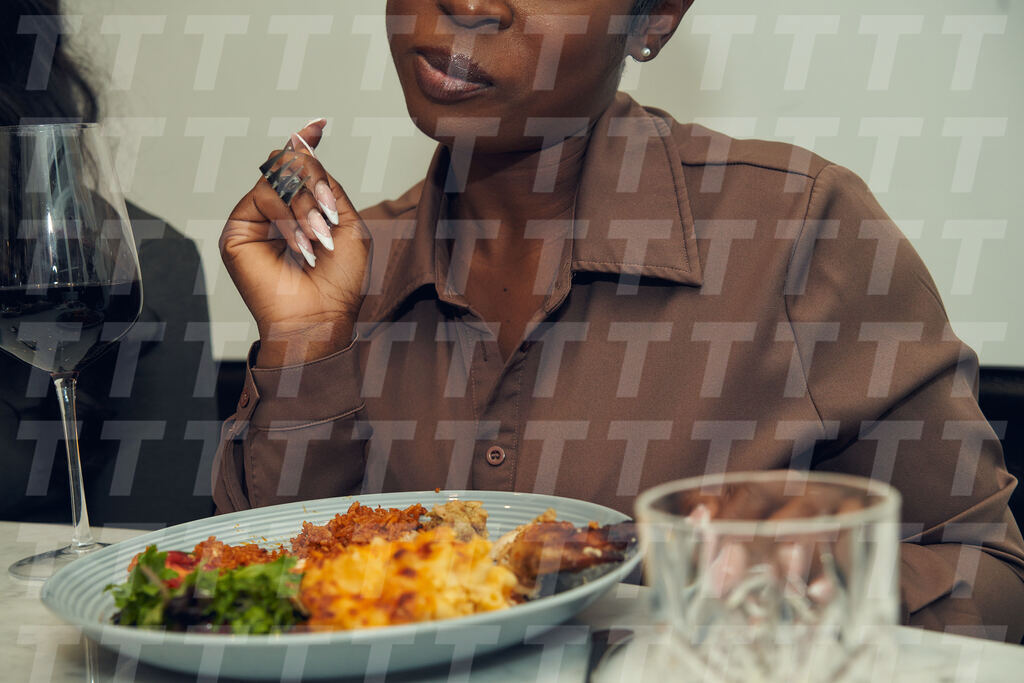
Sade: Our first ever event was a kickback game night a few months ago, which we used not just to introduce TribeMeets into the market, but to also just to bring millennial African people in the DMV area together in a chill environment. Because not everybody wants to go to the bar or go to a party. We wanted to create a home atmosphere where people can kick it with other in the Diaspora in a familiar and comfortable environment. Our next event, Tribesgiving, is going to be along the same lines; creating the opportunity to connect the Africans in the DMV area. It's Thanksgiving season, we know that not everyone is from the DMV and may not be traveling home for the holidays. We want to make Tribesgiving their home away from home. Making sure that people feel comfortable and letting them know that they have a network, a support system, and a place that they can just meet a new friend or a new partner at the end of the day.
Abby: And let's not forget the African food, okay??
TONL: That all sounds very important and in line with creating spaces for first-generation African Americans to find that sense of community with other people who share their ethnic backgrounds. How have you felt the impact of these initiatives?
Sade: I had one person tell me that she was so surprised how welcoming everyone was. She expressed how she went to a similar event and people weren't that welcoming. But coming to the TribeMeets event, she felt so welcomed and even met new friends from there. She said it basically just felt like home.
Abby: We wanted people to walk in and feel comfortable; that was really important to us. So, we set that standard for that. Like when guests walked in, we were greeting people and making sure they were good. It was honestly so heartwarming to see. We’re so proud of ourselves that we are able to create that space for people to feel that comfortable and vulnerable enough to meet new people within the African Diaspora.
TONL: As TribeMeets continues to connect millennials in the African Diaspora, I’m curious: what does the word “tribe” means to you both?
Abby: I think tribe means community. It’s very simple to me. It creates genuine connections that happen due to cultural similarities.
Sade: For me, tribe means family. That's my squad. That's the people I go to for advice, for fun, when I'm sad or mad, I'm happy. Those are my people for life.