We vs Me: Meet Coach Jen
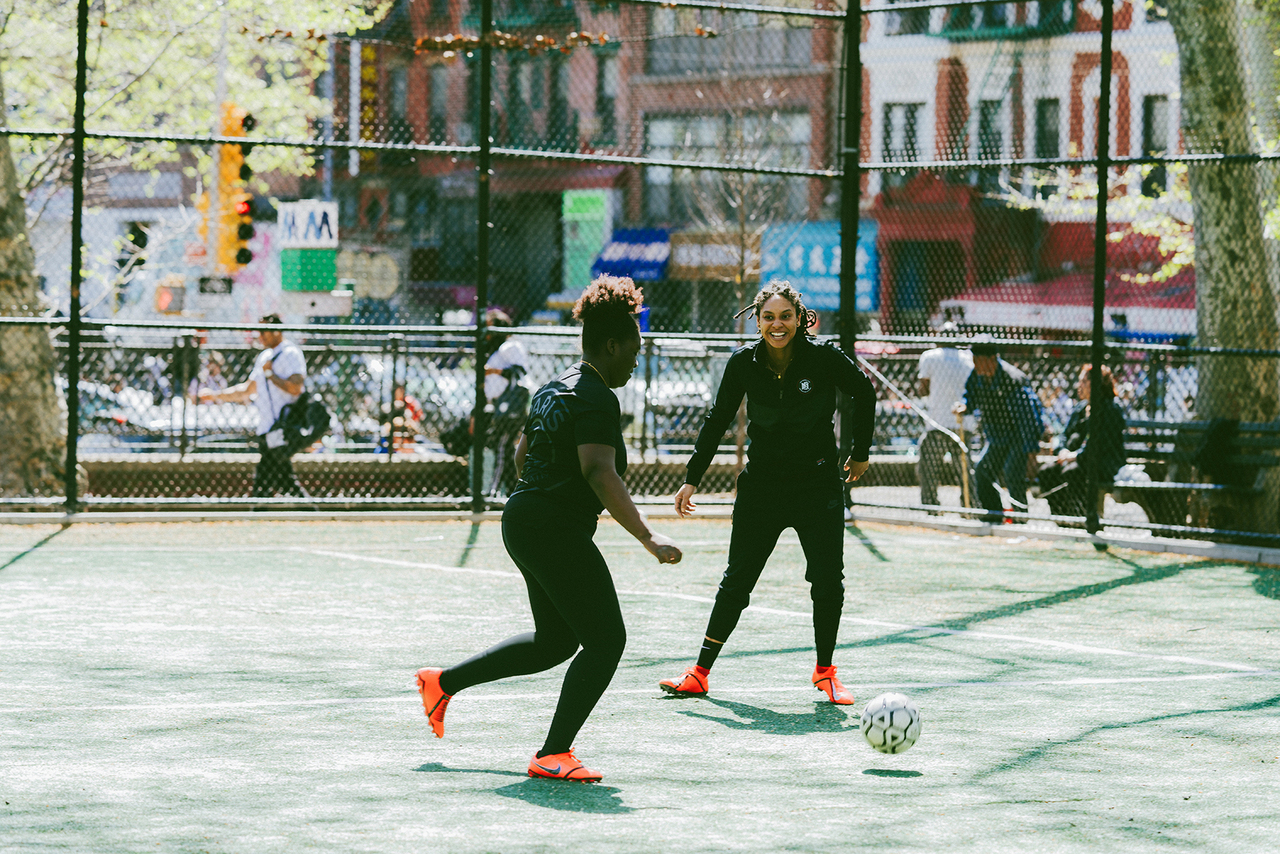
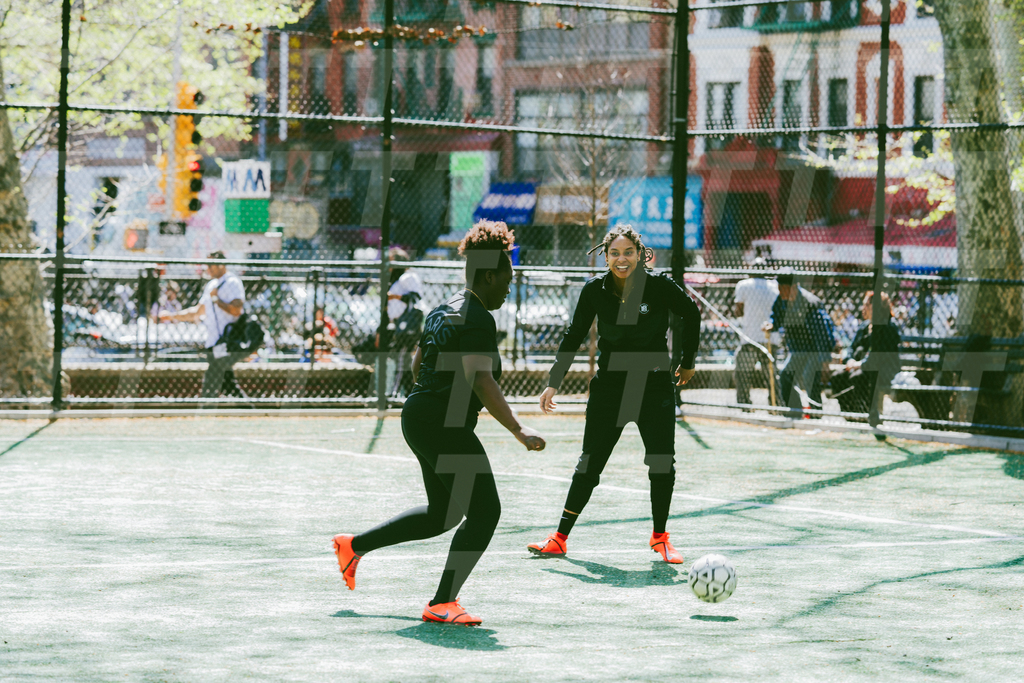
This month, TONL partnered with Nike to profile various coaches and young women in soccer as they demonstrate why diverse representation matters in sport, coaching, and the athlete/coach relationship. As we wrap up the series, hear from one last powerful coach-player relationship with Coach Jen and Friyale. Residing in New York City, learn more about the role soccer has made in the strength of their relationship.
Last up, meet Coach Jen!
TONL: Soccer is a heavily dominated male sport. At what point in your life did you decide to commit yourself to the sport in spite of that realization that you would be the minority?
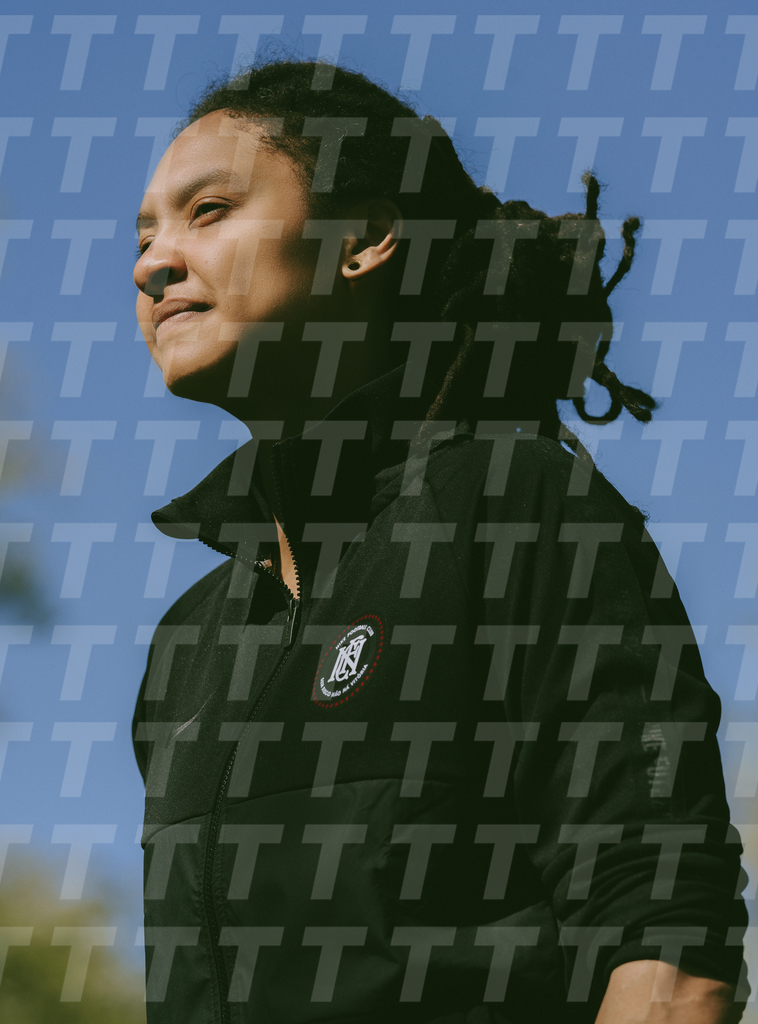
Coach Jen: Soccer is enjoyed by men and women alike, but the media creates this image of sports and athleticism - as being a masculine trait. My first high school coaching experience was a boy’s varsity team – I learned quickly just how much of a boy’s club the coaching world can be. Even when I coached women’s teams, women coaches in the league were the minority. The qualities that are associated with athletics, such as victory, strength and determination, etc. are noble commitments for anyone to make and I felt these when I was playing - that’s what kept me involved in sports. Sports also opened up a lot of opportunities for me (college, travel, accolades, job opportunities, THIS OPPORTUNITY, etc.) and I really valued giving other young people these opportunities through sports more than I value the esteem of other male coaches. That said, I’m very lucky to be in the position that I am in; I coach many successful teams and also serve as Athletic Director at my school – another position that is heavily dominated by men.
How has your culture/ethnicity, gender played a role in the way you coach?
I think that my culture and gender allows me to build programs that are positive where team success is valued over individual success. As a woman of color that grew up in New York I see too often how people use their similarities as points of division. Women don’t always cooperate with each other, people of color don’t always either – I like my team environment to be one where cooperation, collaboration, positivity and encouragement are the foundation.
On the other hand, I feel as though sports can be a place where ethnicity and race is easily overlooked so I encourage my players to share their cultures and languages in a positive way. Right now, my team members come from Africa, Colombia, China, Haiti, Italy and the USA and I am proud to say that we celebrate our diversity in a way that I never experienced growing up in Long Island.
What differences do you see in coaching young women of color?
Coaching young women of color has given me an opportunity to have a more clear perception of the many barriers and obstacles that young people face today. I am able to see, in another way, the ways that the intersectionality of being a woman and a person of color plays out. On top of that these young women have the added complexities of living in NYC, being a family member, having a job, going to school and playing on a team. I feel as though some of my players have had to work extra hard to overcome the external obstacles of being a woman of color and obstacles that are internalized because of their external situation. The women of color on my teams showed me that I could not coach the same way I was coached – it’s not just about our wins, losses and skill development – it’s an opportunity to inspire young people who often do not have the support, life skills and encouragement that other kids their age have.
What is a common misconception you wish to dispel as a female/femxle coach?
Female Coaches are just as competent and able as male coaches. A common critique of a woman coaching a men’s team is that a woman coach cannot perform the physical aspects of the sport (ie. Dunking a basketball) and because of this, are not qualified to coach men - but sometimes, neither can a male coach! When it comes to skill development, building sport IQ, training and strategy, women are just as capable as men and sometimes, when it comes to physicality, men and woman are equally matched.
Who was your sports role model growing up and why?
My Dad was a great coach. He taught me about the game and used to drill me in the park in high school. My Uncle was my athletic trainer, he was a former Minor League baseball player and taught me how to work out. My most influential coach was Shari Campbell my Jr. HS basketball coach and High school assistant coach. She is a woman of color with a successful and long standing coaching career at my old high school. I still look to her as a mentor.
What is your favorite part of your relationship with your player?
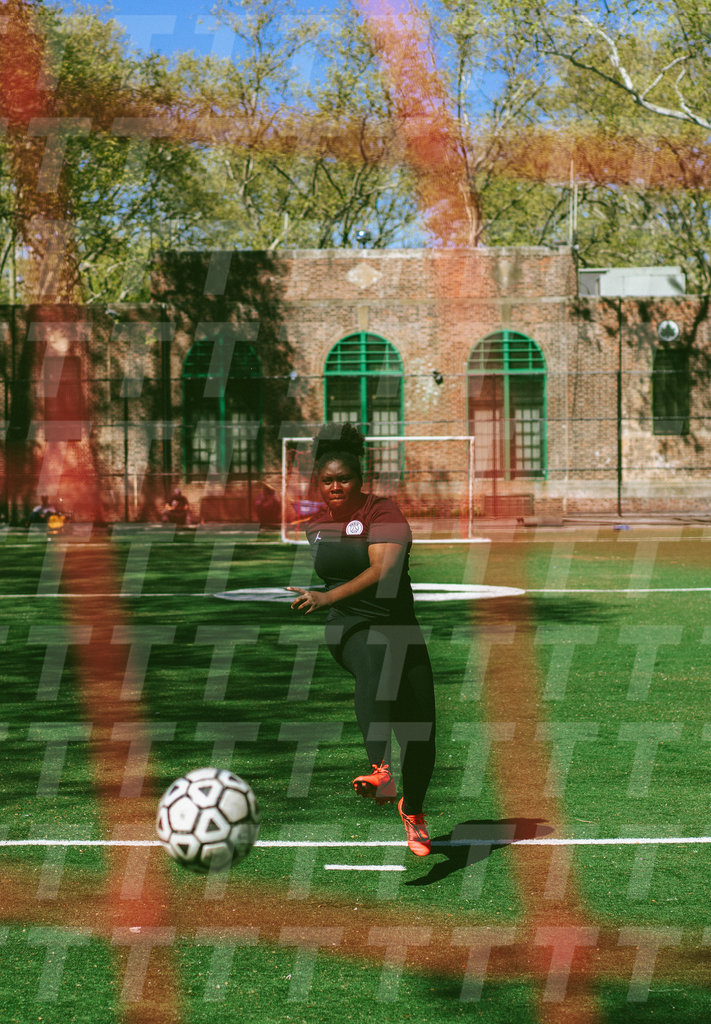
Friyale is a joy to work with. Her drive and passion for athletics encourages me to be the best Coach that I can be. One of the best thing about coaching is seeing your players improve in the sport and in life. Friyale has shown tremendous growth since she played volleyball in the fall to this year’s soccer season. She is a fast-learner, personable, coachable, positive, inquisitive and funny on top of that. Friyale has lived a very interesting life which gives her a unique perspective – she teaches me about life too! I can actually see her coaching in her future, I hope that I can inspire her as much as she inspires me.