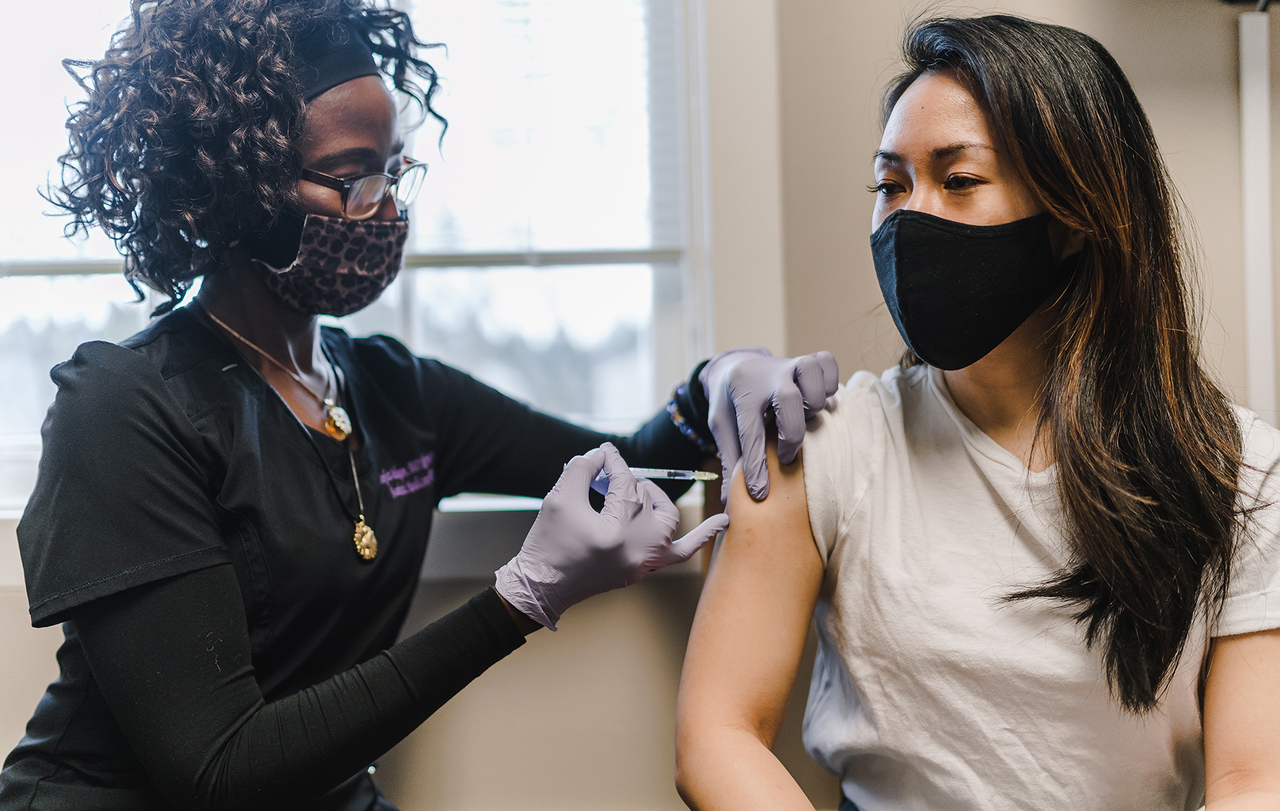
Why I Got Vaccinated
It almost seems like we are living in two different worlds. Those who are vaccinated and those who are not. This division is felt differently on a global scale as some countries simply don't have enough of the vaccine to reach their citizens hence the lack of herd immuntiy there. But, here in the United States it's a different story as the supply is there. We know from a recent Kaiser Family Foundation survey that two-thirds of people who are not vaccinated either believe common myths about the COVID-19 vaccine or think some of those myths might be true. Nearly all deaths (99.5%) from COVID-19 in the United States are now among people who have not received their coronavirus vaccine.
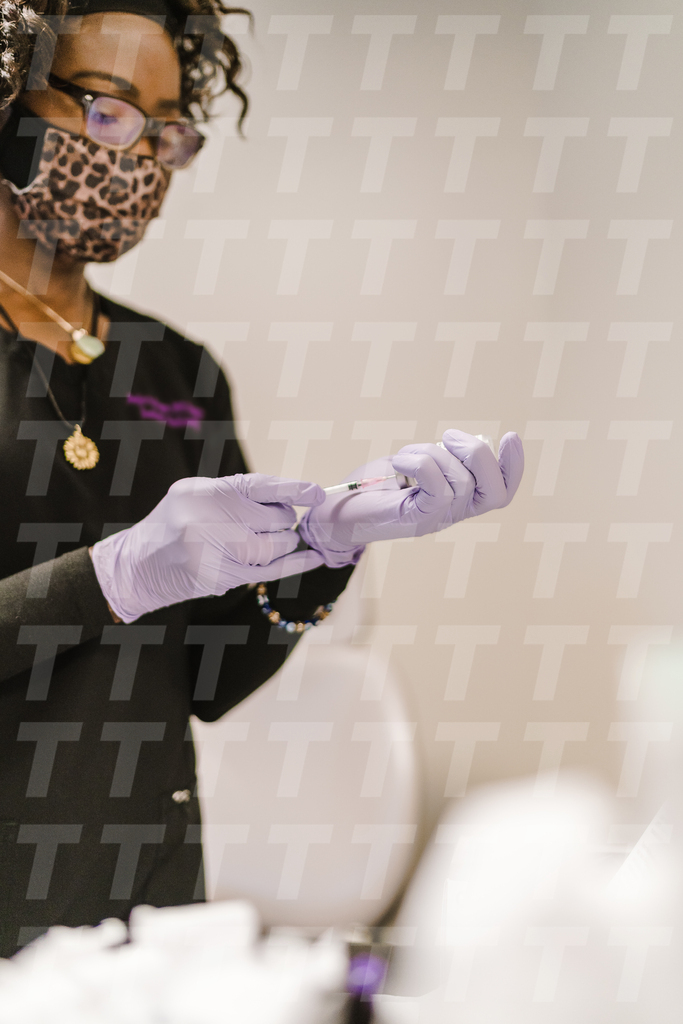
While 46.7% of the American population is fully vaccinated, that is not enough of a reason to feel like we have conquered the virus and can fully resume back to "normal". While fully vaccinated people can still contract the virus (though the percentage chance of that happening is quite low), data has shown that their cases are mild and they are able to recover from their symptoms. Meanwhile, the deaths that have occurred from those resistant to getting vaccinated are preventable had they taken the vaccine shot.
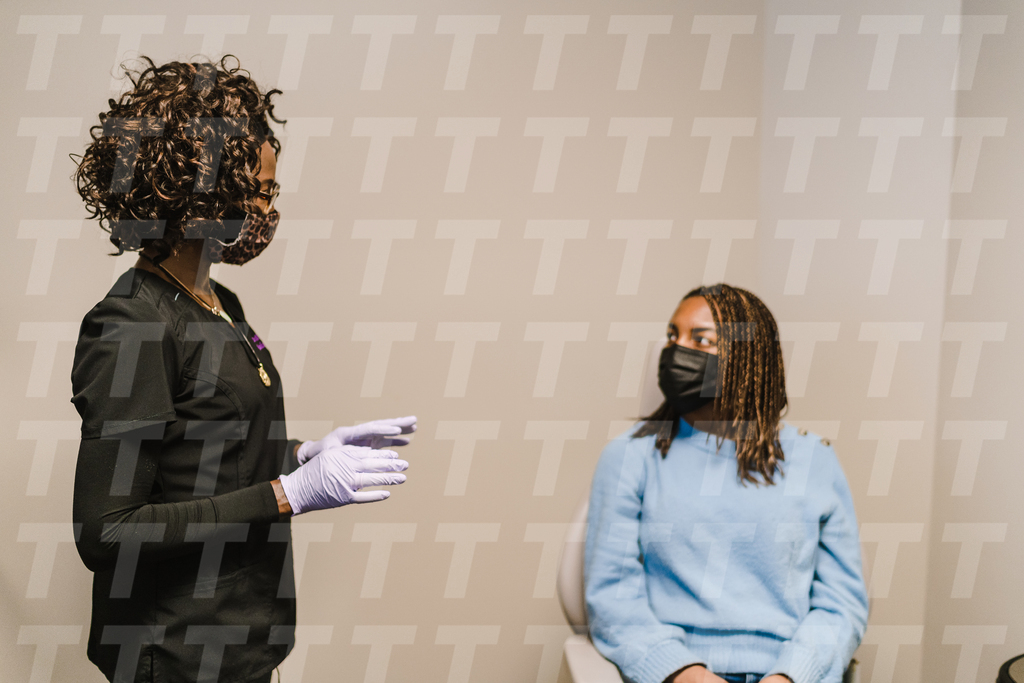
According to the CDC, "as observed in prior weeks, Black and Hispanic people have received smaller shares of vaccinations compared to their shares of cases and compared to their shares of the total population in most states." Vaccination equity is extremely important since we know that there are huge health disparities amongst Black, Asian, Hispanic and Native American ethnic groups compared to White people. The CDC also shared that as of July 4, 2021, the "race/ethnicity was known for 58% of people who had received at least one dose of the vaccine. Among this group, nearly two thirds were White (59%), 9% were Black, 16% were Hispanic, 6% were Asian, 1% were American Indian or Alaska Native, and <1% were Native Hawaiian or Other Pacific Islander, while 8% reported multiple or other race." There are many factors that play into this from access right down to the myths associated with the vaccine.
We decided to catch up with two women representing the Black/African American population and Asian population here in the United States to understand why they decided to get vaccinated. Uloma Okoro is a 1st generation Nigerian-American woman and is the first born in her family. As the first born, she knows she leads the household in her own way and must set the right example by protecting herself and her family.
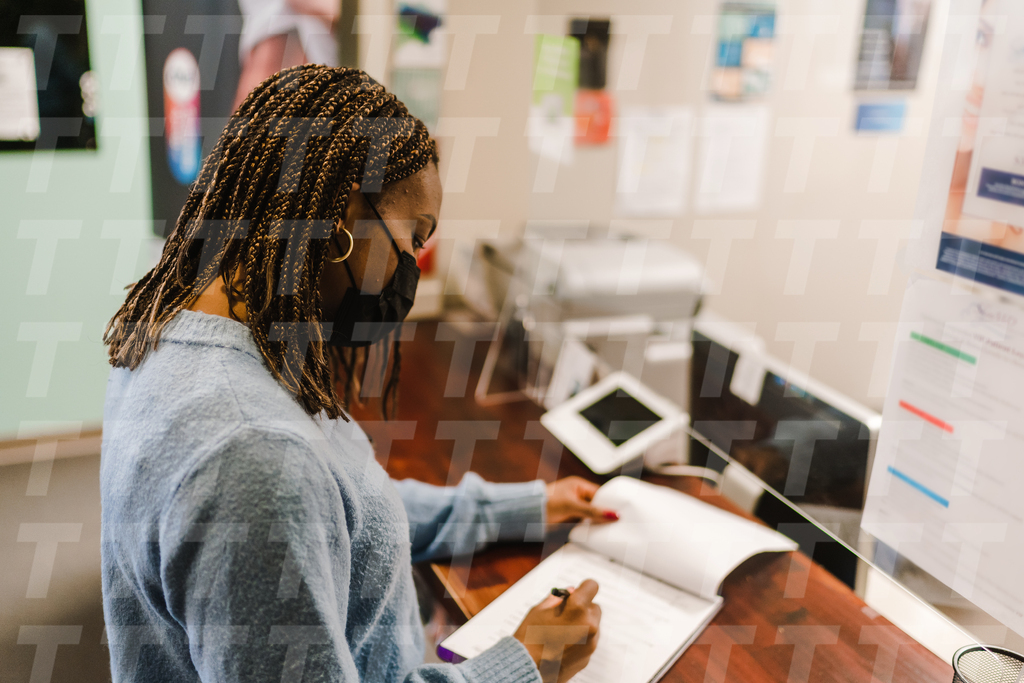
"I don’t think anything in this world that has been playing on our emotions felt comfortable at all. It’s been quite the journey. Receiving knowledge about a solution rather than another problem was the green light for me. I made plans to take the vaccine. I knew it was the right thing to do.
Being intentional about how much time I spend on social media, I was not overwhelmed with too much information (mainly false claims since we seem to like the idea that we’re sold a 6:1 ratio of fake news to what’s real). I knew what I could control, and that was becoming an observer of my friends and family. People eager to get their vaccine right away, my mom being included, had invited me to actively listen to their experience. Two main points arose: 1. No one had died and 2. Another affirmation that we are all unique in our own ways and are going to react slightly different from our neighbor. So we cannot continue to compare ourselves to others who don’t have the same DNA. Just know that my friends and family are still alive. I am still alive. And I hope you can borrow my belief."
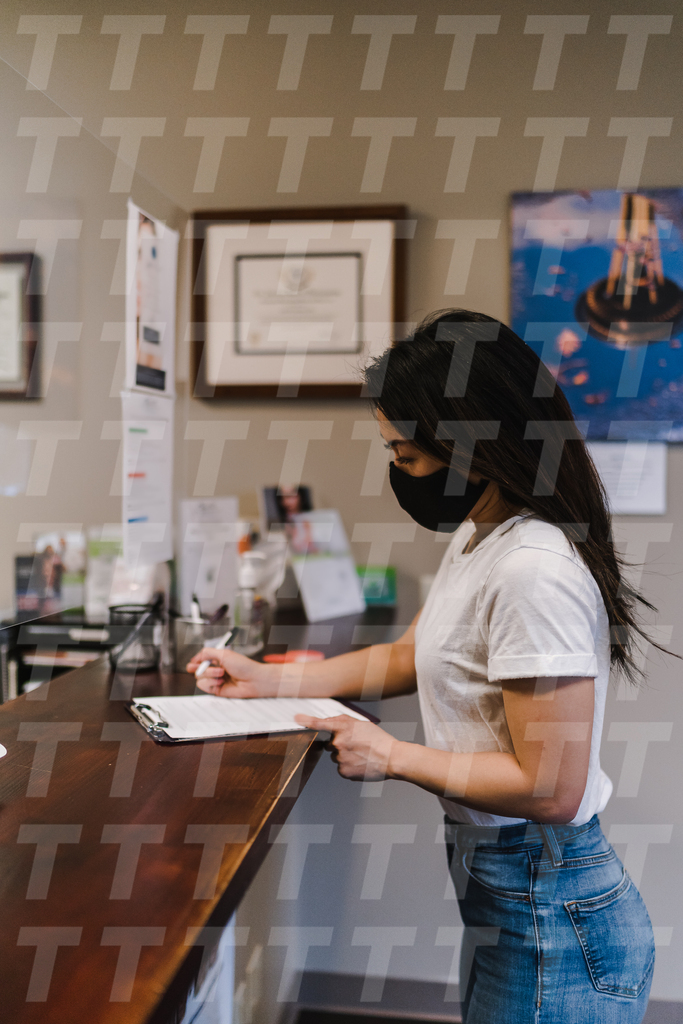
With her family roots tied to China, Thailand and Vietnam, Jennifer Surapisitchat was motivated to get vaccinated for the sake of her family. "I felt comfortable getting my vaccination because I knew it was the only way I could safely see and hug my mom and elder Aunt again. Although I kept testing negative on COVID-19 tests, I was concerned that I would pick it up somehow and be an asymptomatic carrier and transmit it to my older family members or anyone that I didn’t know that would be immune compromised. After getting the vaccination, there was this sense of relief and I knew, was the right thing to do."
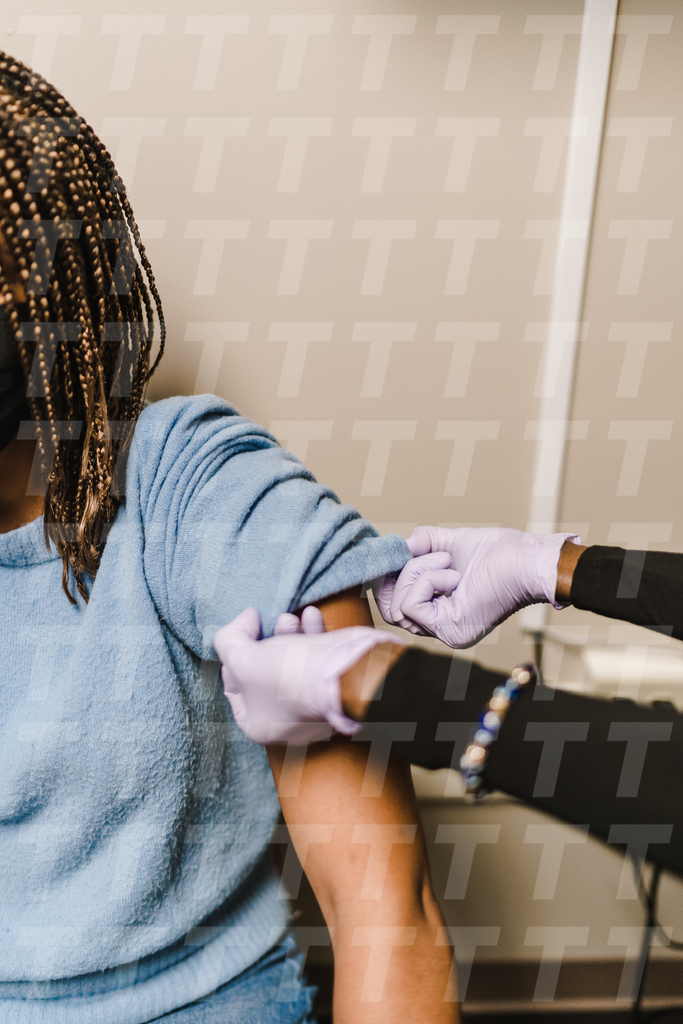
The general sentiment is that it is absolutely the right thing to do. While we recognize that existing health risks prevent some from safely having the vaccine administered to them, we know there are more who are simply resisting from lack of education and fear. The vaccine doesn't cause COVID-19. The vaccine doesn't cause infertility. The vaccine doesn't change your DNA. The vaccine is not cost prohibitive. One person's isolated negative experience with the vaccine should be put into perspective against the global data on the positive impacts of the vaccine.
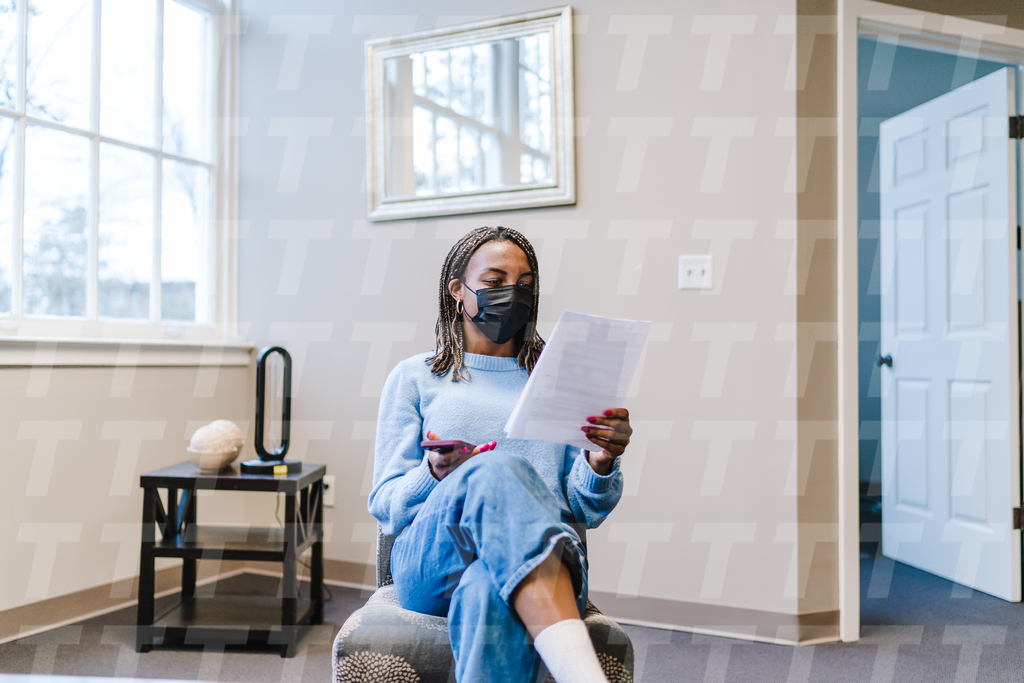
"When I look at the gamification of life, I need to hit a milestone in order to unlock a new level. That is: return to travel safely, ability to see old relatives face to face, falling in love with hugs again, the list goes on. So long as I play by the rules, I will get my reward. So, it was the right thing to do. Whether you feel comfortable or uncomfortable, they are both indicators to go take the vaccine. The fear of the unknown does not exist because we don’t know what exactly the unknown entails therefore what’s the fear surrounding then? Unless you have travelled to the future….? Sounds like your ego is steering your thoughts. Remind your ego who’s boss and I encourage anyone reading this to do your own research and review credited sources as well as ask around in your community. This is just another season of intentionality." - Uloma
If you are interested in learning more about the vaccine or are in need of finding a location to get vaccinated, please visit the CDC's website to learn more!