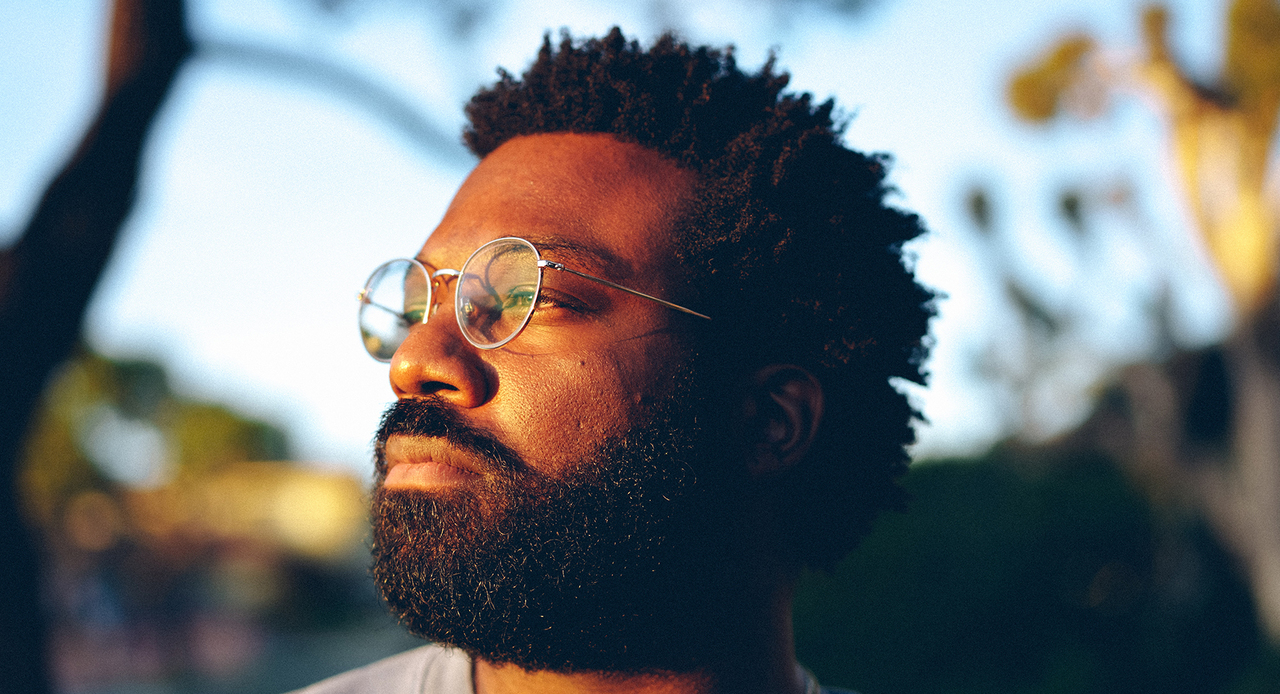
Common Thread: Joshua & Rashad
As Black people, we are so strong when we work together. We prove that time and time again through our influence in music, dance, food, fashion and our political strength throughout the world. Amidst this magic, there has been an unsettling divisiveness amongst Black people that has taken center stage in these most recent years. Clubhouse forums, Twitter threads and private DMs have revealed hurt, pain, unrest and confusion between Africans (born in Africa ,the Caribbean, Latin America or 1st, 2nd, 3rd generation and beyond) and American Descendants of Slaves or just African Americans in general. The superiority and inferiority complexes have left lasting scars and lasting impressions - many unfavorable. “African women act like African American women are lost,” a middle-aged Black woman complained in a Clubhouse forum. “Africans are taught to hate Black people like Black people are taught to hate Africans,” a Nigerian woman interjected. Colonization and westernization created this divide. But, we have the power to uproot these negative projections about one another. These divisive thoughts and corresponding behaviors uphold the ideals of white supremacy which is to pit us against each other while those who uphold white supremacy continue to get more ahead in life.

For this Black History Month, we wanted to focus more on how we are alike than how we are different. We are 1st generation African Founders (Nigeria and Ghana). So we wanted to connect with our Black friends who identify differently. We linked up with Keisha Credit and Rashad Drakeford: friends of ours who identify as African American to celebrate all of our individual stories but to also celebrate our ‘common thread’ - the ways in which we are more alike than not. Today, read our stories and let us know what commonalities we share with you in the comment section below.
Joshua & Rashad
On a sunny day in Los Angeles, Joshua and Rashad linked up to not only catch up, but to do the thing that they both love: photography. The irony of them linking up in Los Angeles is that neither one of them are from there. Rashad grew up in the self-proclaimed “greatest place in the world”, Queens, NY while Joshua grew up in the Bronx. Though in that moment life pulled them to the West Coast, their shared pride in the East Coast and how it shaped them was felt. “I was a weird kid growing up. I used to read the New York Times and Wall Street Journal on my way to elementary school. I wanted to be an astronaut for the longest time but once in high school, I really wanted to become the first Black Commissioner of the NBA. I loved sports but wasn’t a good enough athlete so I thought running my favorite sport would be kind of cool. So I then sent a cold email to sport’s lawyers and executives to get their advice (I know, weird). But, when I put my mind to something, I go all the way.” Rashad shared.
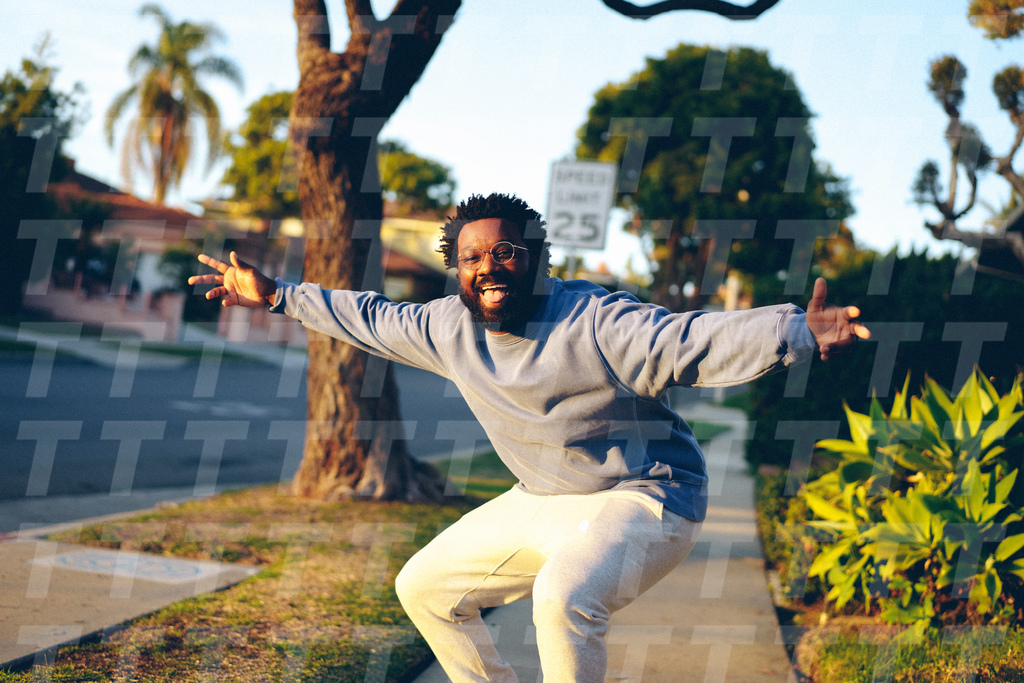
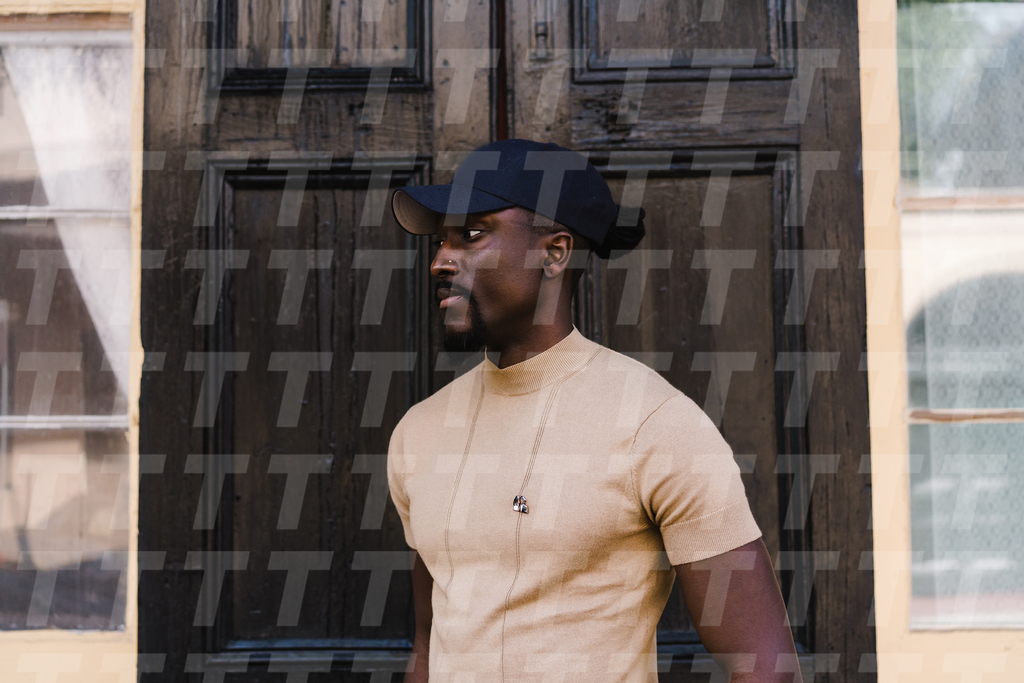
Joshua grew up the “alternative kid" - at least by Ghanaian standards. Alternative in the sense that he wasn’t wanting to be a doctor, lawyer or engineer like the culture often promotes, but instead he knew he wanted to be in the creative space. “Even as the son of a Pastor, I was encouraged to do exactly what I thought was possible, to make the world I envisioned for myself creatively eventually become a reality,” Joshua explained. It was the streets of New York that really birthed pivotal moments for them. “Growing up in East Elmhurst was such a beautiful blessing,” Rashad shared. “On my block, a retired Black judge, who marched with Dr. King, and his wife were my babysitters. For cash, I would go around the corner and shovel Attorney General Eric Holder’s house. When I would take the bus home from school, I would pass the home Malcolm X lived in. When I registered to vote, the late great Helen Marshall dropped off my voter registration card. I got introduced to tennis through the Arthur Ashe Tennis Center, the home of the U.S. Open, which is five minutes from where I grew up. My basketball coaches were incredible Black men: Mr. Coles and Mr. Avery. I was also a member of the Langston Hughes Cultural Center Library where I learned poetry and the National Black MBA’s C.A.S.H. Program (College Awareness Symbolizes Hope). I was a member of a Black church that centered Christian theology with Black consciousness and social justice. I don’t think I really understood at the time how impactful it was to be surrounded by so many positive Black role models.”
Positive Black role models was pivotal for Joshua as well growing up. “I think it starts out at home. The type of person my Dad presented to me taught me a lot about leadership within the Ghanaian community. Both of my parents had our home open to a lot of people who would recently migrate from Ghana to America. It was impactful seeing how they treated family and people we weren't related to with care. I realized relationships and people are at the core of how we live our lives”
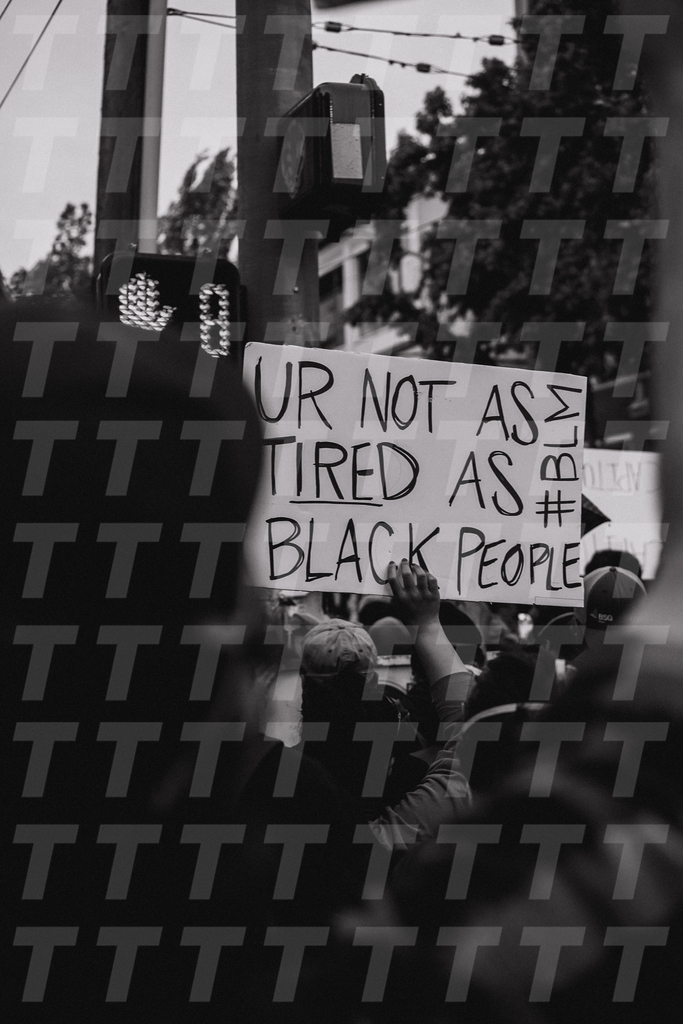
But, not even a good neighborhood could stop Rashad or Joshua from witnessing the injustices against Black people, especially Black men. “I grew up during the height of New York’s stop-and-frisk era as well as the assault of Abner Louima and the deaths of Amadou Diallo and Sean Bell. As a young Black man in New York, you are quickly and constantly reminded that systems view your very existence as a threat. It was a hard truth to come to terms with,” Rashad recalled. Joshua understood that world all too well as well. The labels ‘young’ and ‘1st generation Ghanaian’ didn’t stop Joshua from experiencing racism and discrimination; the police merely saw him as BLACK, aka a threat. "The murder of Amadou Diallo was the first time a lot of African immigrants started to understand how racism works within our own communities. Yes, a hard working man from Ivory Coast could be murdered because of the color of his skin in a land you came for opportunity in. I would get asked for my id all the time growing up as a young kid all because of the color of my skin " Joshua shared.
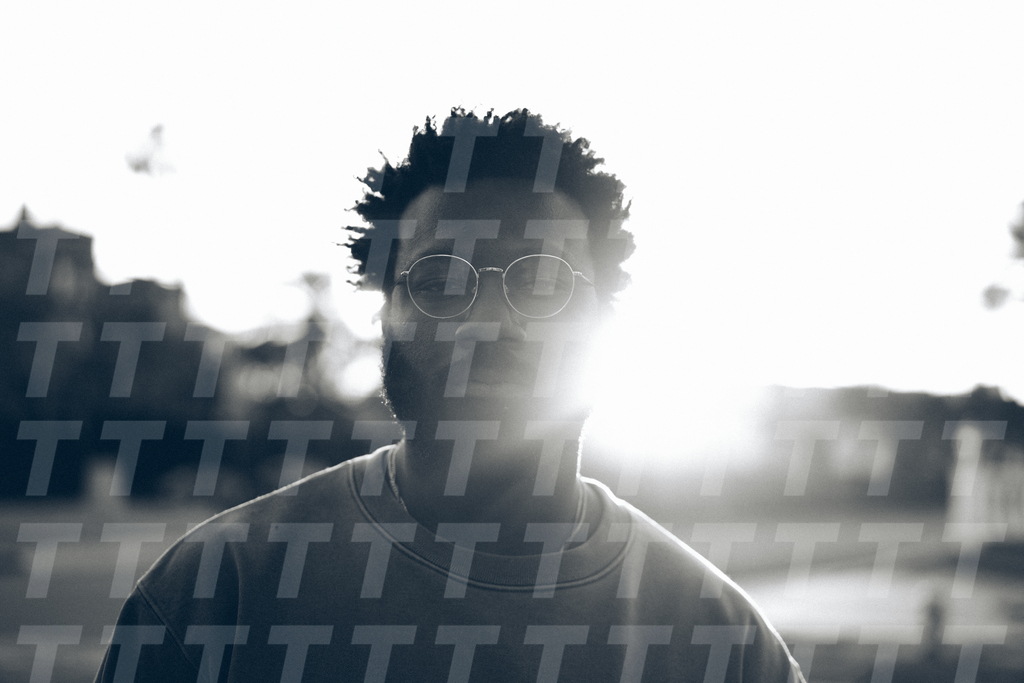

So in a world that constantly counted them both out, they both found their way in the creative world: one on purpose, the other fell into it. “After a few semesters of college I dropped out and decided to pursue fashion and photography through the creation of Street Etiquette with Travis Gumbs. There was no one out there showcasing the street style that we loved and there was no one out there really showing our generation of Black people in a positive light. Street Etiquette eventually became a creative agency, the first of its kind back then, while garnering thousands of followers before Instagram became the social media giant it is today. After working with clients such as GQ, Starbucks, Nike, Adidas, Apple and the Gap, we flipped the narrative of how companies interacted with our community creatively. I wanted to storytell about us through any creative medium,” Joshua explained. Meanwhile, Rashad remained passionate about his pursuit in the sports field. “I didn’t really see myself as a creative or marketer. I really wanted to work in the sports business so after a stint in the Obama Administration, I reached out to a mentor who ran an NBA team and asked him if he could put me in touch with someone at the NY Knicks to see if they had any openings. He did and when Scott O’Neill, the President of MSG Sports asked me what I was interested in, I just said Marketing Partnerships because that was his background and he seemed to be doing pretty well. My luck, they just so happened to have an entry-level role in that group. I really learned the fundamentals of brand partnerships, how to develop creative ideas, and how to execute those ideas within a corporate structure. Best learning experience ever. I still use a lot of the fundamentals I learned there to this day. REVOLT was where I think I really found my niche and footing. I was really drawn to storytelling - the who, the why, the how and what you should take away from this. Helping brands tell real stories as well as giving depth and context to things happening in the world.”
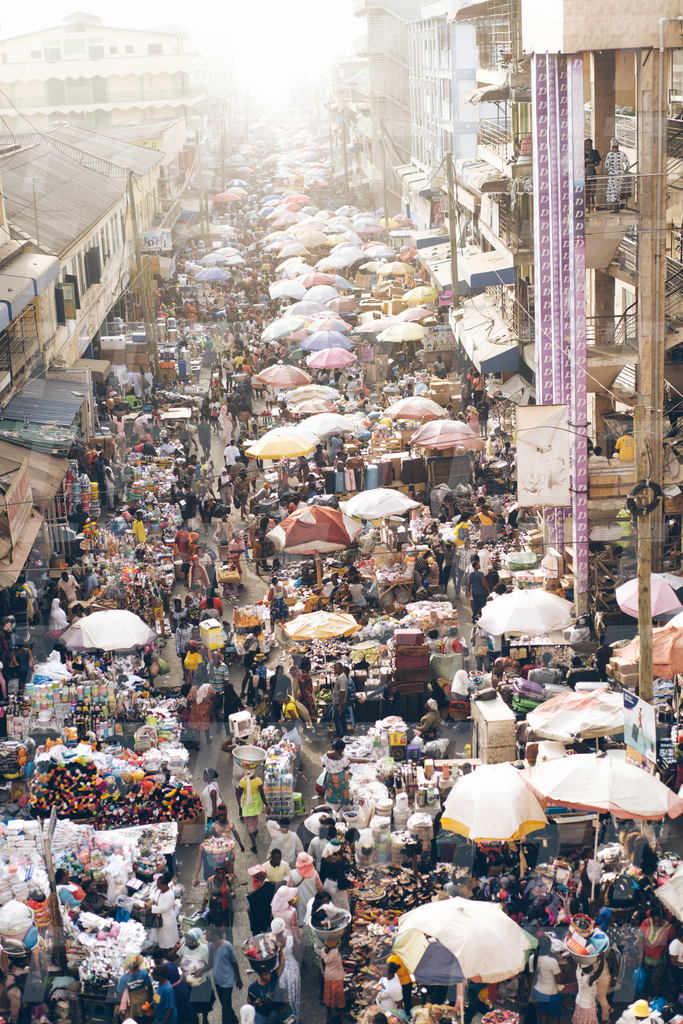
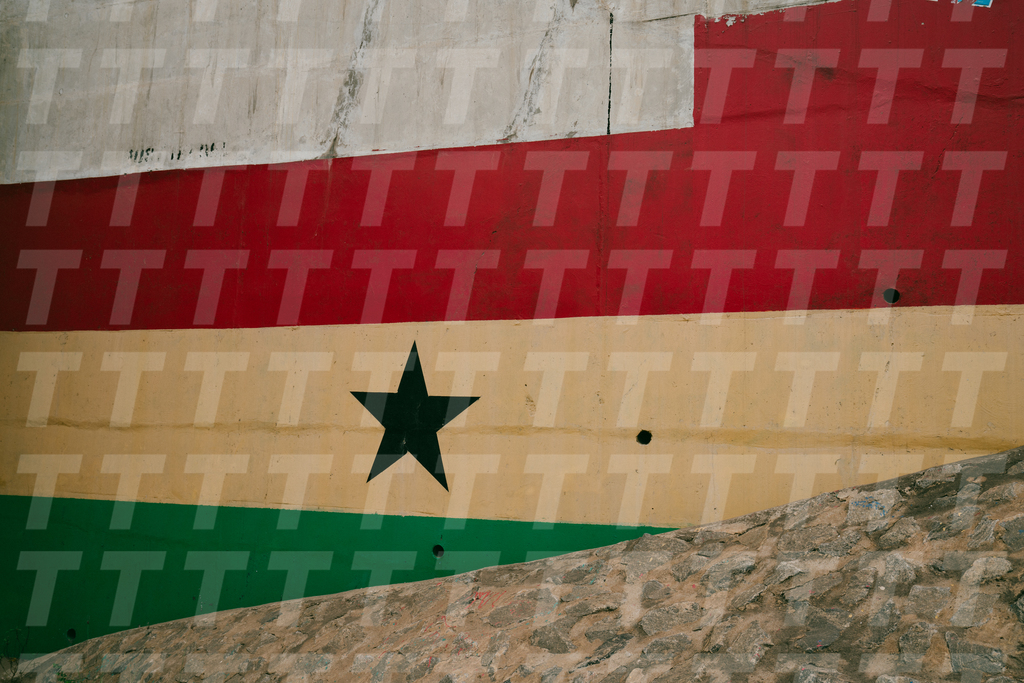

Centering Blackness has been both Joshua and Rashad’s greatest mission in all they do. So when they both had the opportunity to be in Ghana in 2019, it brought out a lot of pride in them. For Joshua, it was a continuation of his recent travels to Ghana as an adult. It had been decades since he had been to Ghana and seeing the country as an adult brought out more feelings of connectedness as he visited his maternal grandmother’s home and became closer with family members he remembered as a child. For Rashad, being in Ghana was life-changing. “Going to Ghana for the “Year of Return” in 2019, will forever be the most impactful trip I’ve ever taken. Knowing my descendants were from Ghana and walking through the “Doors of No Return” where they were forced to exit the only land they knew produced, was an emotion I can’t describe. For me to even exist and have the opportunity to step foot back on that land is nothing short of a miracle. It is only possible because of the resilience of my ancestors whose blood runs through my veins. Everywhere I went, Ghanaians would say “Welcome home, my brother.” That trip reinforced my pride in my Blackness. It added a layer of love for and connection to the Black Diaspora that didn’t exist within me.”

With identity being such an important ingredient in how they both show up in life, they both confessed that the camera has been a tool to shaping that. “I took up photography at the suggestion of my therapist who really wanted me to find hobbies that would help bring me joy and fight the depression and anxiety I was experiencing”, Rashad opened up. “After consulting with a few people, including the legendary, Joshua Kissi, I bought a Canon AE1 right before taking a two week trip to Europe. I haven’t looked back since. I now also have a Ricoh GR1V and a Graflex Speed Graphic camera which was made in 1952. I’m hooked for life. The joy I get from telling the stories of people, places and moments through film is unmatched. I’m still in the process of learning and while going through this process, my respect for contemporary master photographers like Joshua Kissi, Renell Medrano, Raven Varona, Devin Allen, Adrienne Raquel, Gary Williams, Tyler Mitchell, and Micaiah Carter has grown exponentially. I look forward to growing to maybe one day have bookings in my bio lol.” For Joshua, he could relate to this conviction as the camera was the gateway to the successful career he has built today. Like Rashad, he honors Black Creatives who paved the way for him. “It is truly an honor to give Black artists who have paved the way for you their flowers. I owe much of the success that I have now to three artists that paved the way to allow me to create so freely as a Black Creative: Jamel Shabazz, Barbara Earl Thomas and Emery Douglas. To create and exist are simultaneously linked to each other when thinking of the importance of work made by Black artists throughout the years. The narrative of what we perceive about ourselves and what is factual has always been a bridge for Black artists to draw inspiration from. Imagine not only building a bridge for yourself, but for others to cross from one side of consciousness and awareness to another.”
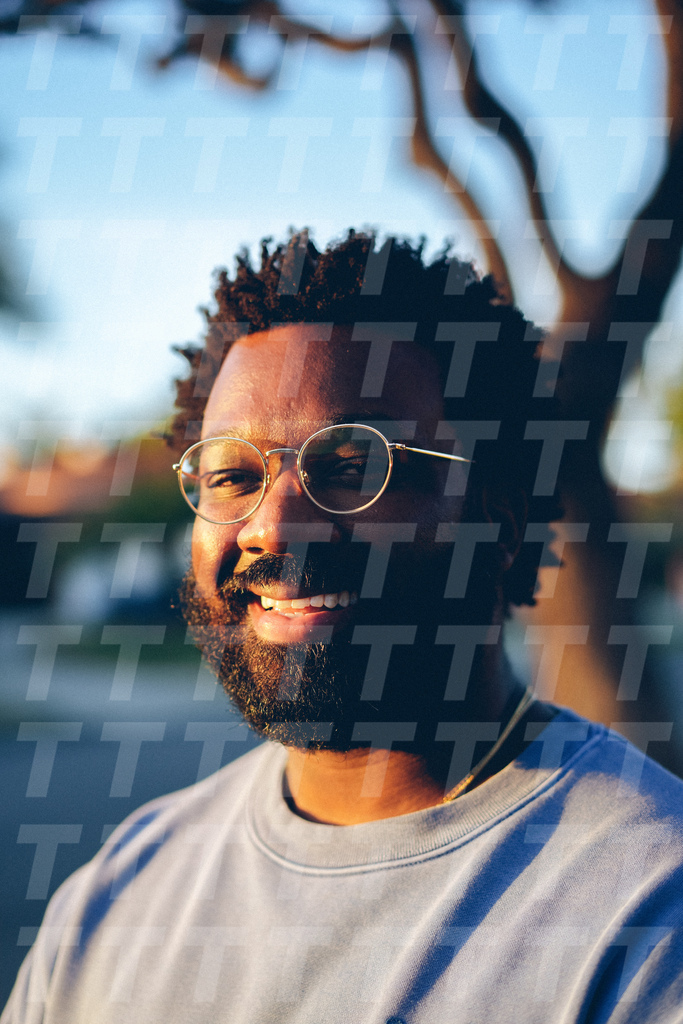

For Joshua and Rashad, as fellow New Yorkers, Black men and pioneers in their respective fields, they have always seen the power in leaning into each other, reaching back and up, sharing advice and making room for the next Black person to pursue their dreams that much easier. There is power in that level of unification.
To read Co Founder Karen Okonkwo and friend, Keisha Credit's 'Common Thread' Narrative click here !