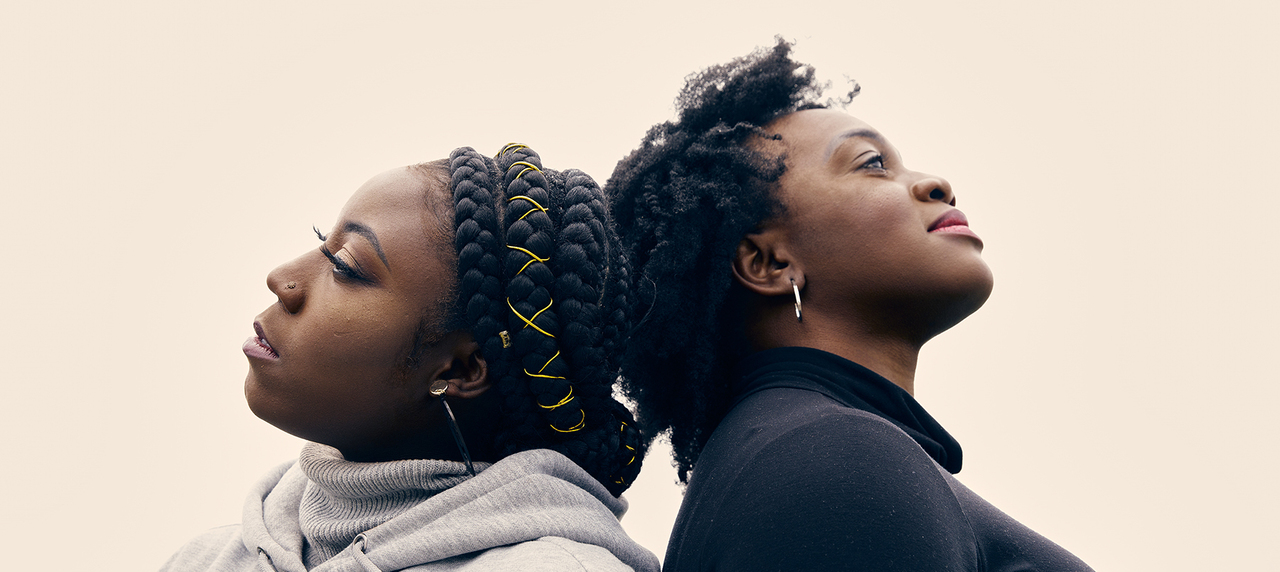
Common Thread: Karen & Keisha
As 1st generation African Founders living in the United States, we have had a unique Black experience. The Black experience in general across the globe is so nuanced. It’s filled with a lot of pain and a lot of joy. No one Black person is the same and yet we can find ourselves succumbing to stereotypes of one another learned in the household, often perpetuated by the media. It causes an unfortunate division - a distraction toward the unity we could achieve that holds so much power. That is why this Black History Month, we wanted to introduce a new TONL Narrative called “Common Thread”. In this series, we connected with our two friends: Keisha and Rashad who identify as African American to add color to their life stories and ours to show how much more we have in common than not. We hope these Narratives will encourage you to reach across the table and learn more about your Black ‘brother and sister’. We have the power to unlearn and relearn about each other and revel in how much we have collectively overcome.
Karen & Keisha
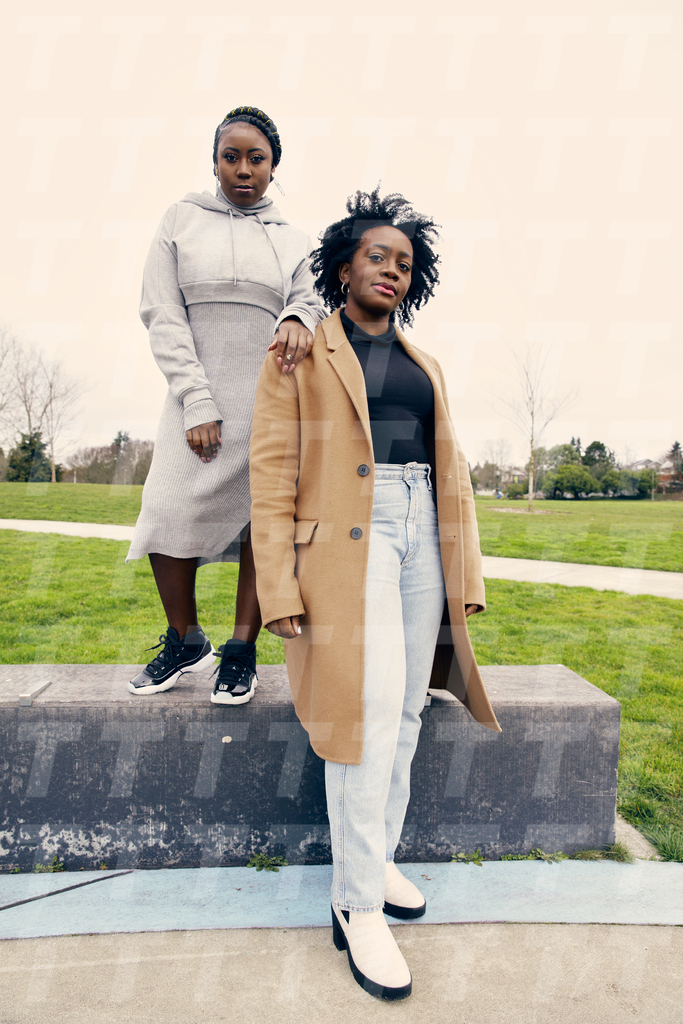
On a rainy day in Seattle, Karen and Keisha enjoyed a meal over girl talk. But, not just any old girl talk - girl BOSS talk. Both Karen and Keisha are Black business owners in Seattle, WA who both in the last decade stepped away from their traditional corporate jobs to step into entrepreneurship full time. “As I’ve gotten older, I have realized how important it is to get around people who GET YOU - who have stepped out on their own running their business,” Keisha explained. Keisha had just finished a meeting prior to the lunch and Karen was squeezing this lunch in before her next phone meeting - this is the life of women out to make an impact. Keisha recently sold her successful, 7-figure wig business and transitioned to starting “Business Bestie”, a six-week intensive program where she takes in a cohort of entrepreneurs and provides hands-on experiential learning that they can apply toward their business to take them to the next level. Keisha did this because she felt it was time to help others pursue and fulfill their entrepreneurial dreams.
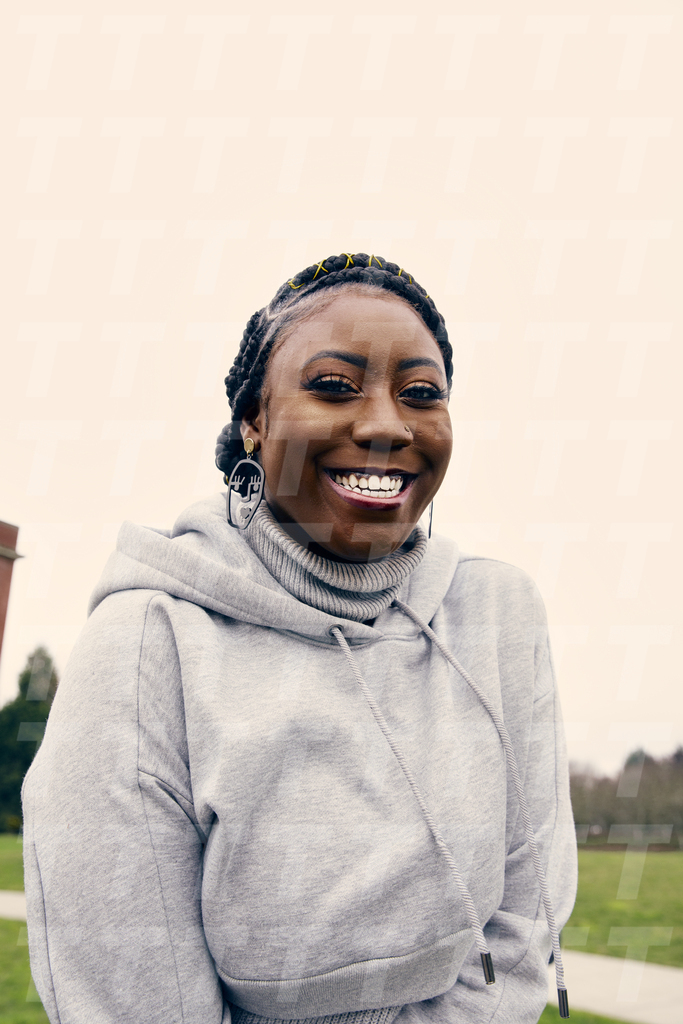
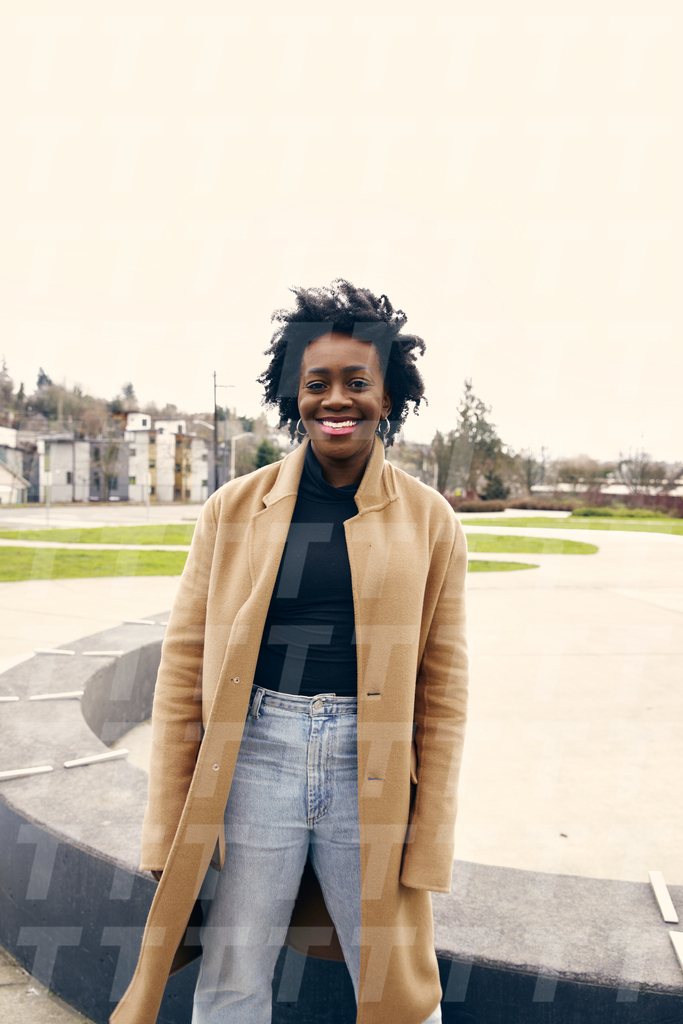
On the same wavelength, in 2018 Karen created “Karen’s Thoughts: My Thoughts On How To Be a Badass Business Woman” where she developed video trainings to help anybody jumpstart their entrepreneurial venture. "Back when I dabbled into entrepreneurship in 2012, I felt so lost and there just didn't seem to be a one-stop shop to get your questions answered. It felt like people were so tight-lipped about giving insight on the journey and I just didn't feel like it was something that needed to be so inaccessible," Karen shared.
Access, equity and inclusion, particularly for BIPOC, is something that is so important for both Keisha and Karen. When looking at them, you might wonder their cultural heritage. “Oh, I know I am Ghanaian. When I went to Ghana I could just tell that this is where I am from,” Keisha gushed when Karen asked her a question about her identity. “I never had an identity issue growing up in Seattle as far as where in Africa I was from. Going to Africa simply strengthened my identity as an African American woman,” she went on to share. “Just even the hospitable way that the people in Ghana acted was so familiar.”
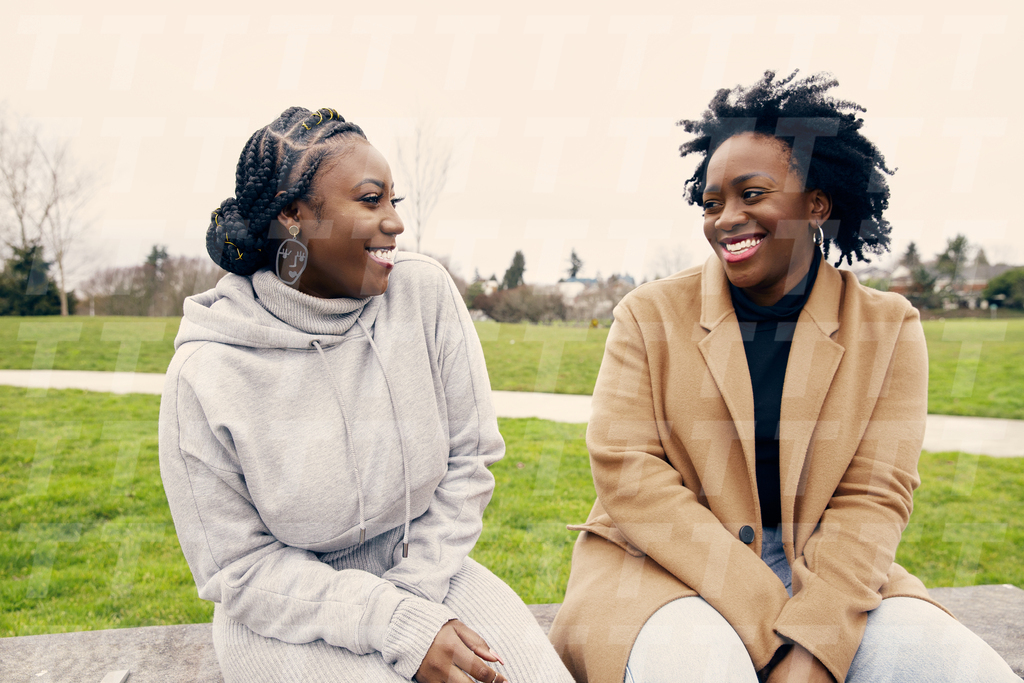
Karen completely understood what Keisha meant because although she herself is 1st generation Nigerian, growing up in Arizona that hospitable way of looking out for one another was always felt in the Black households that she walked into. "I grew up in a predominantly white neighborhood and schooling system so whenever any Black kid enrolled in the school or moved into the neighborhood, I would cling onto them. My white friends were always jealous accusing me of leaving them whenever a Black person joined the school. They weren't wrong. There was an affinity I had for the new Black kid in town that only we knew and understood," Karen recalled.
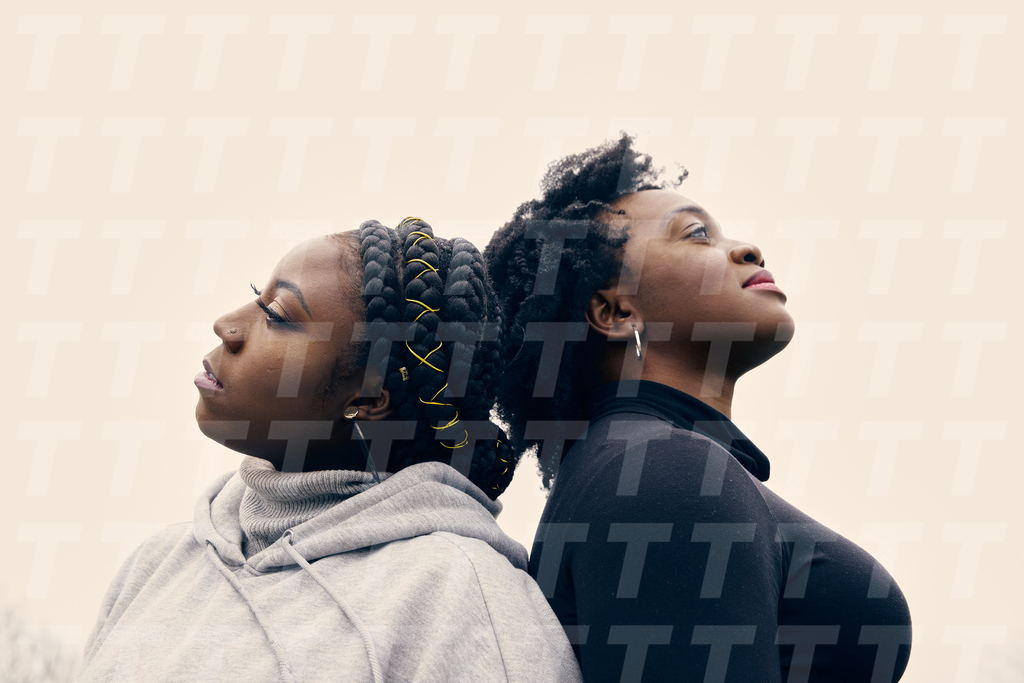
Preservation of Black people taking up space is ultimately what fuels the both of them. Most recently Keisha put that on display when she inherited her grandfather’s home in the Central District. In 1963 when her Grandparents bought their home, the Central District (commonly referred to as ‘The CD’) was an all Black community - a hub for support and culture. Now, in 2021, the entire city of Seattle is less than 7% Black, and only 3% of Black people own property. Keisha lamented over the fact that the Central District had been gentrified as most of her Black neighbors growing up had gone more and more South due to being priced out of the neighborhood. A median home in the CD neighborhood is now $735,000. When it was Keisha’s time to be a homeowner, she too was a victim of gentrification as she had to move 15 miles South of Seattle just to find a home that she could afford in 2011 despite having a well paid job at Microsoft. But, pricing (and taxes) push Black people out, and there are few affordable chances to come back. Not many Black folks are given that chance.
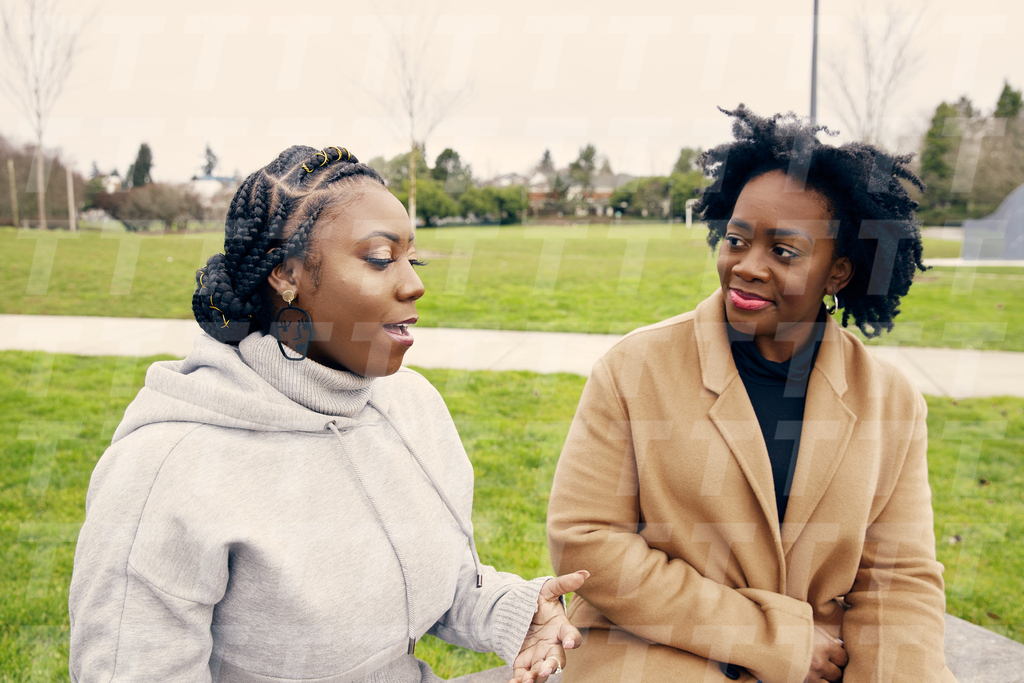
“I never used to see white people walking their dogs [in ‘The CD’]. Now, it could be 3am, and I always get so shocked seeing how ‘safe’ certain people now feel in a neighborhood that they once condemned. Back in the day, I wouldn’t say that they [white people] would have been ‘robbed’, but certainly prodded…” - Keisha conveyed. But long before Keisha’s Grandpa passed, he prepared her. “La’Keisha Marie, you do WHATEVER it takes, and BY ANY MEANS NECESSARY!”… She understood exactly what that meant. As soon as her Grandpa passed and she inherited his home, the neighbors wrote her handwritten notes coercing her to sell it to them. “THIS HOUSE IS 𝗡𝗢𝗧 FOR SALE, and Black wealth 𝗗𝗢𝗘𝗦 MATTER, and I’ll scream it from 𝗠𝗬 rooftop,” Keisha shared. “I won’t be the 1st, and 𝗜’𝗺 𝘀𝗽𝗲𝗮𝗸𝗶𝗻𝗴 𝘂𝗽, so I won’t be the last, to *UNgentrify my community. ✊🏾”
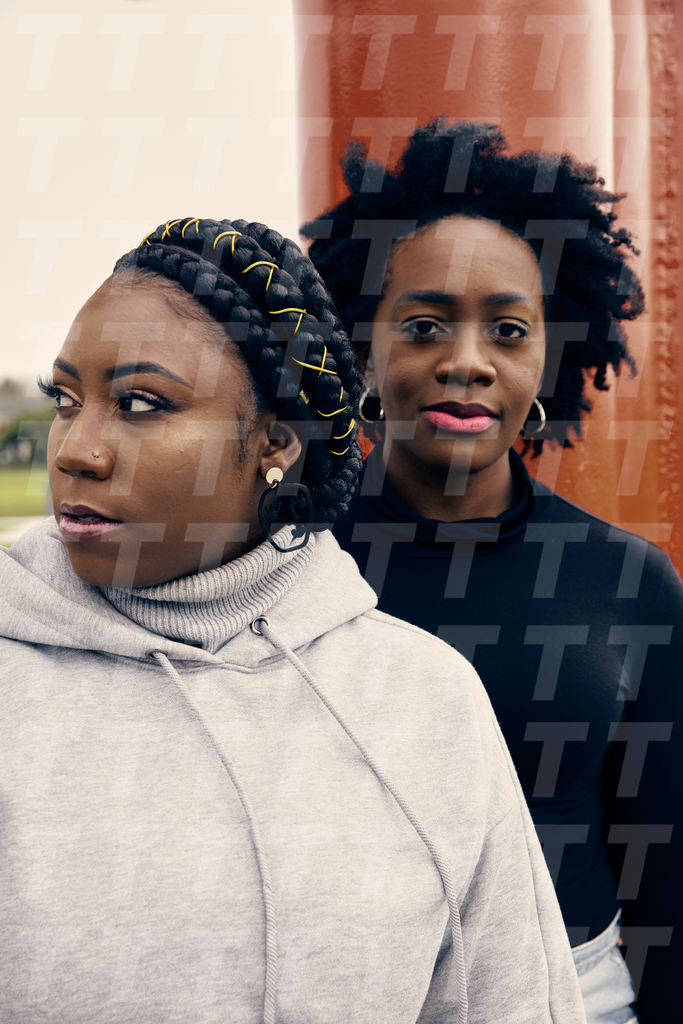
Karen could relate to Keisha’s conviction about maintaining Black visibility in the CD. It is this same awareness that got her to start TONL in the first place. Back in her blogging days, she was called out for not having Black and Brown women on her site, an unconscious move that left her disappointed in herself for not even being aware of this misstep. “I wanted to correct this oversight and was brought to tears when I couldn’t find diverse imagery online of Black and Brown women doing ordinary things, let alone anything substantial at all.” The web was plastered with white, heterosexual faces making the presence of BIPOC non-existent. “But, it’s obvious that we exist - and we exist in profound ways in society that white people have gentrified and profited off of,” Karen conveyed. So, like Keisha, she put her foot down and resolved to permanently fix that problem by being a diverse image provider highlighting the underrepresented and misrepresented people of this generation.
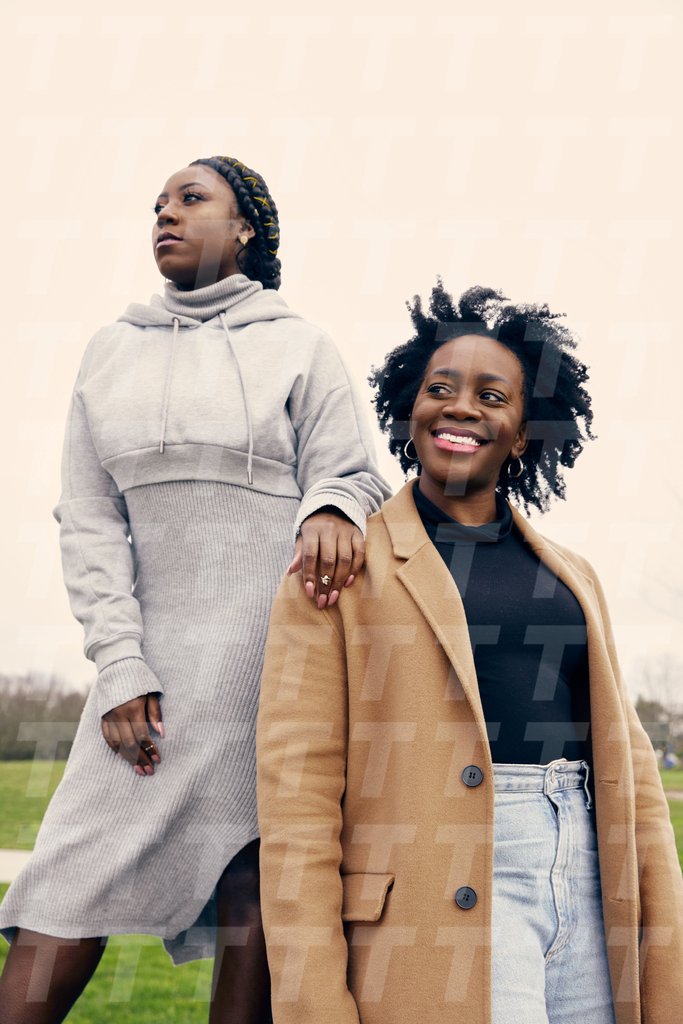
Karen and Keisha’s examples of perseverance and passion transcend any white supremacy induced divide that has infiltrated both of their cultures for too long. For them, they understand the power of leaning into each other, sharing advice and fellowshipping as often as they can to continue to support each other in their similar missions.
To read Co Founder Joshua Kissi and friend, Rashad Drakeford’s ‘Common Thread’ Narrative click here !