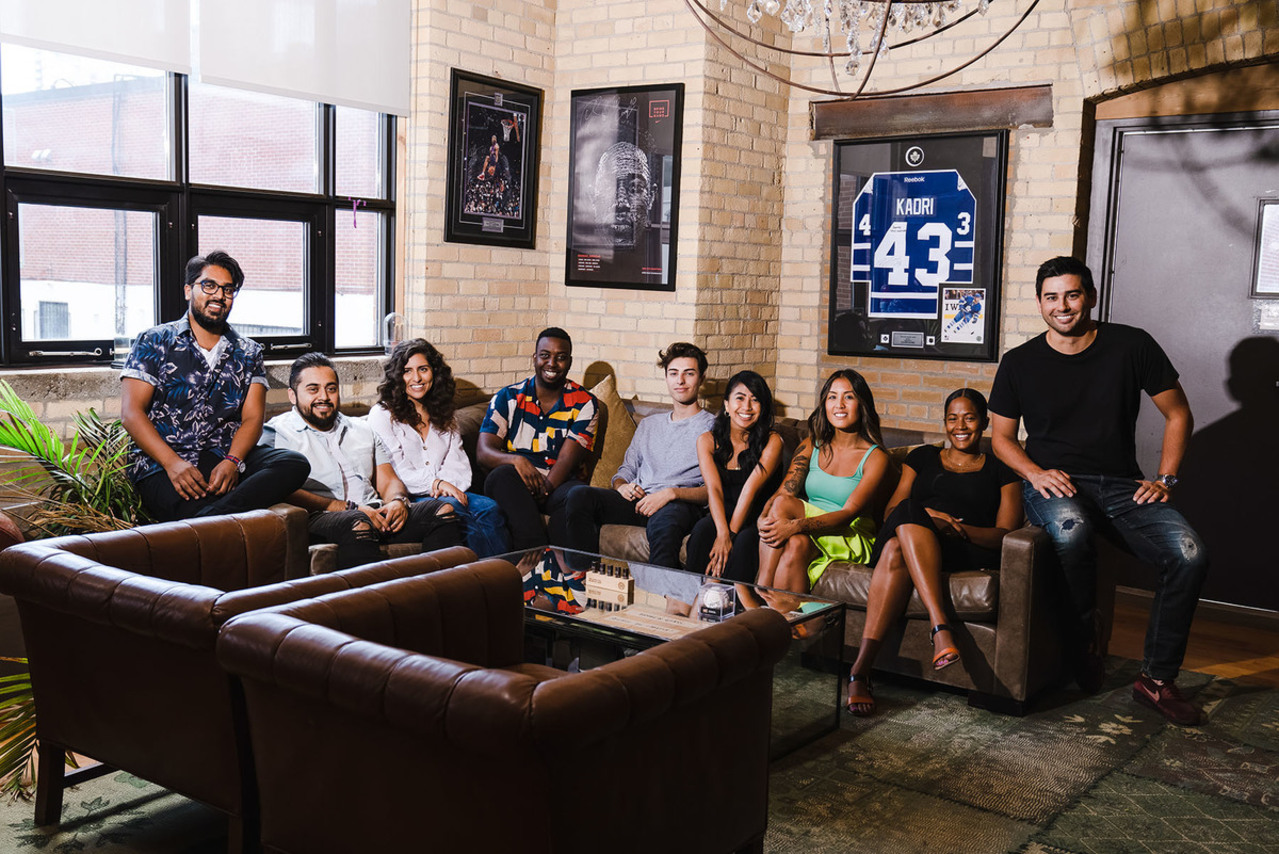
TONL x Anomaly: The Changing Faces of Creativity: Toronto Q&A
As we round out our Narrative Series: TONL x Anomaly: The Changing Faces of Creativity, today we are sharing the unique stories centered around bringing your authentic self to work, the importance of creating community, the intersections of identities, and inclusion with varying creatives from Anomaly’s Toronto office. Read below and be sure to read all stories and shop the Narrative below!
Alex Avendaño— Filipina woman, super Canadian
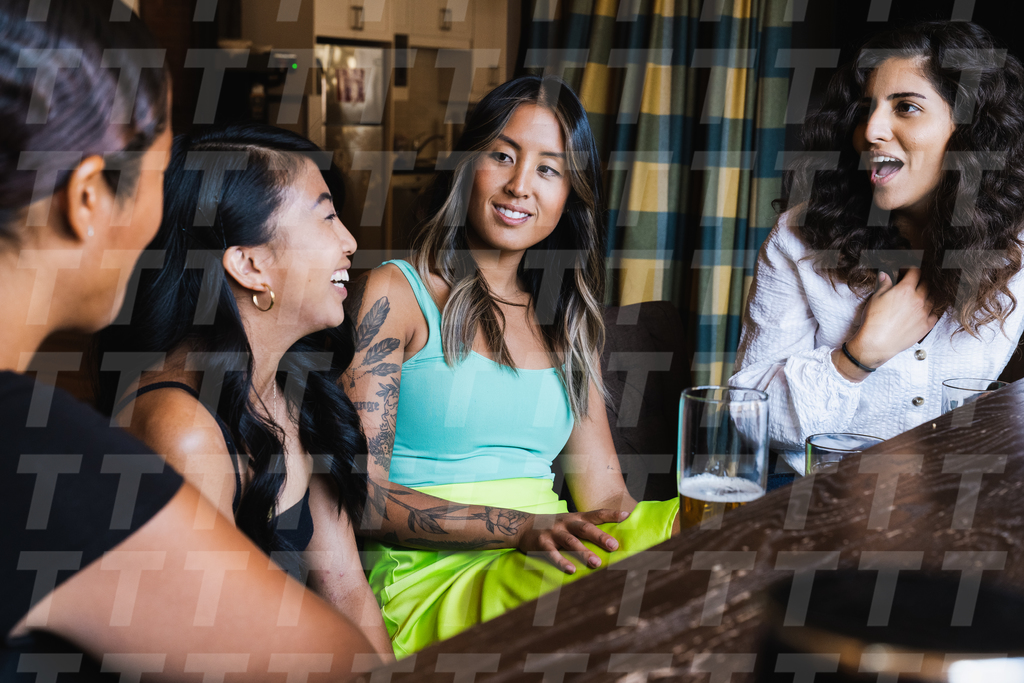
When asked about the importance of people of color being represented in the workplace...
Unless you see the possibility of what you can become in the people around you, then you’re not exposed to it. I think that the more visible we can be, the more people will understand that this [industry] is something for them.
When asked what parts of her identity impact the way she approaches her work...
I think what’s really prevalent in Asian culture is generational respect and taking care of your elders. I’ve always had respect for anyone in the room, not just my elders. So the value of respect is something that has really been instilled in me since I was a kid.
Alexa Espinosa— Canadian-Mexican woman
When reflecting on her role as someone who shapes the landscape of advertising…
I think that creating progress needs to fall beyond just the people who have a different cultural background. It’s about making it an agency-wide skill where anyone can point something out and say, “Oh! That’s not right.” I think there are different ways to address this as an individual. Reading books, immersing yourself in different cultures through travel, movies, podcasts, or even just by talking to your own colleagues. We have so many great people at Anomaly who come from all over. We should all be asking more questions in order to learn from each other and slowly begin to understand how we can all bring fresh ideas and new perspectives to the table.
Annya Williams – Trini
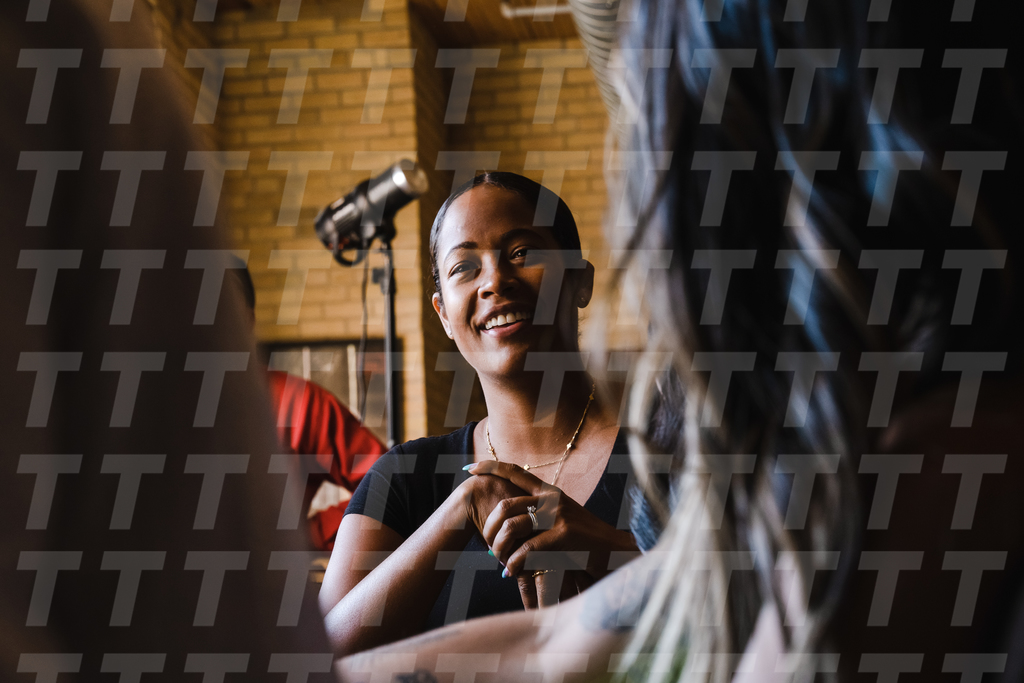
When asked about her cultural experience moving from Trinidad to Canada….
There are learning curves for everyone and not just for people who aren’t of color. People of color have learning curves too. Growing up on the island of Trinidad, there was diversity but at the end of the day, everyone is Trinidadian. So for me, specifically moving to a country that has millions of people from Japan, China, India, Pakistan and trying to understand where they come from is a different global mindset. It opened my mind to be more compassionate and understanding. A joke is not just a joke anymore— it has weight so I’m more conscious of that.
Graham Nhlamba— Black, South-East Afrikan, young, man
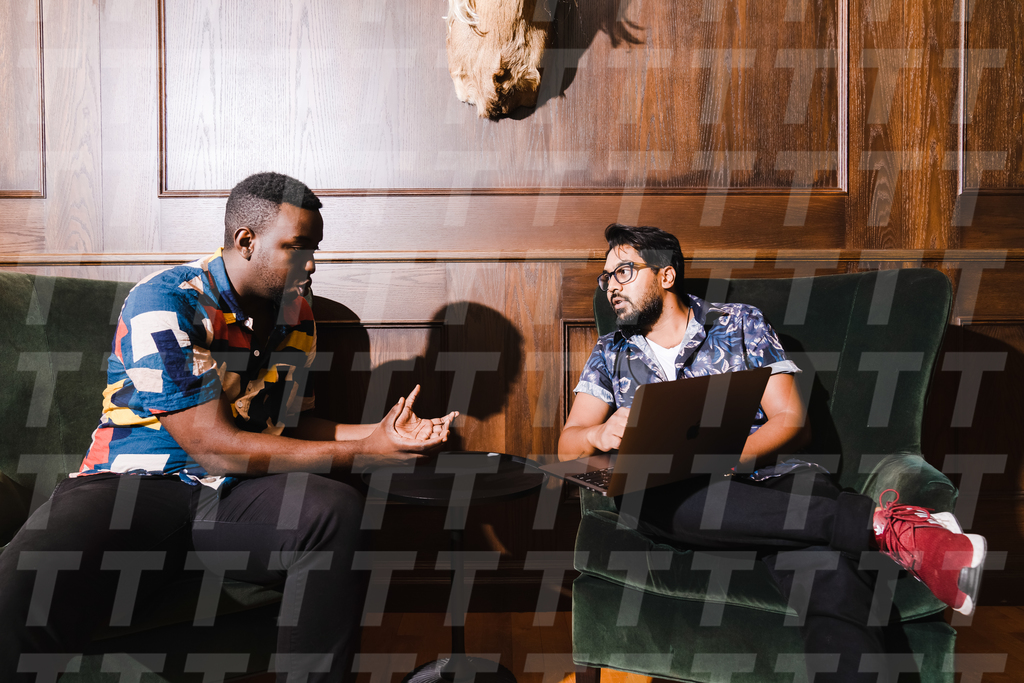
When asked how his family in Zimbabwe responded to him pursuing a creative career…
Growing up, I was the last of four kids who all pursued business careers. My eldest sister always saw glimpses of the creative side of me, so she often said, “Go for it!” At least I had someone to go back and forth with. But when I came to Canada, I was here by myself. I was an independent 17 year old, so I just ran with it. I stopped asking for permission to get creative. I just went with my gut. I really enjoyed doing it [designing, art directing] so I found a way to be the best version of myself while doing it. It was hard – I’m not going to lie. My teachers were all white – I’ve actually never had a person of color teach me graphic design. That makes it hard to imagine yourself and others like you at the top.
When asked about his opinion on the future of the industry…
I’ve always thought: what would agencies look like if they weren’t reliant on clients? What does it really look like if we were just working for ourselves – creating, innovating and owning our IP? Almost what tech is doing, but with the whole spectrum of creativity. That would be fun!
Jenai Kershaw— Indo-Canadian woman
When asked what inclusion looks like in action…
Inclusion is when I enter a room and I see not just people who look like me, but people who don’t look like each other. That to me signifies inclusion. I have also realized that I have a lot of white privilege based on my skin tone and the way I carry myself. I don’t have much of an accent so I get that I have a lot of privilege in that sense too. I’m racially ambiguous as well— you can’t really tell where I’m from. Having said that, diversity is still important to me. There are some brands we’ve thought of as very masculine over the years and I was lucky enough to be in a meeting for one of those brands recently where I looked around and thought: isn’t it awesome that this whole team is pretty diverse and mostly women? It was nice to see a shift in something that has predominantly been known to be a certain way see it moving in a different direction.
When asked about the importance of authenticity in the workplace….
If I'm going to put my time and effort into something, I really want it to have some sort of meaning. I try to go into every project thinking, “how can I find some sort of truth in this?” However simple it is, what is some sort of truth that I can find? I’ve found that working at Anomaly we can really push for that insight. Is this real? Is this something that we’re saying to make it cool or is this a genuine, true insight? Because at the end of the day, that’s what creates relatable content.
When asked how she approaches her work as a creative….
There's this weird tension I think with being a creative—especially being a copywriter—where you want to be true to your voice but your job is in being a brand’s voice, and several different brand voices at that. I don’t have an answer, but it’s something I think about.
Leonardo Gonzalez— El Salvadorian, Latino
When asked about experiences that have shaped his identity…
I have a Latino attitude with Canadian values. Because we are minorities [El Salvadorians], our opinions sometimes feel second-rate to someone else. So I always have to stand up and be more loud, more proud. Anomaly is cool in that it’s okay to be loud and proud. Everything we do is about doing it the “unreasonable way” instead of conforming. [This references a George Bernard Shaw quote embedded in Anomaly’s DNA: “The reasonable man adapts himself to the world: the unreasonable one persists in trying to adapt the world to himself. Therefore all progress depends on the unreasonable man.”] When you talk to people here, there’s a sense of ambition, of always wanting to do better.
I get that from my family too. They were always pushing for a better and better life. We moved from LA to Buffalo to Canada. When my parents were leaving El Salavador, they literally ran the Mexican-US border. My Mom was arrested while 8-months pregnant with me and was deported back. Then, she did that run again to go see my dad in LA. My mom is a baller! She was 8-months pregnant in a jail cell with ICE, deported and has the courage to run back 3 months later. So any time I feel sad in life, I reflect back on how scared, tired, alone she was and realize I will never in my life feel that.
Mel Zeta— Filipina
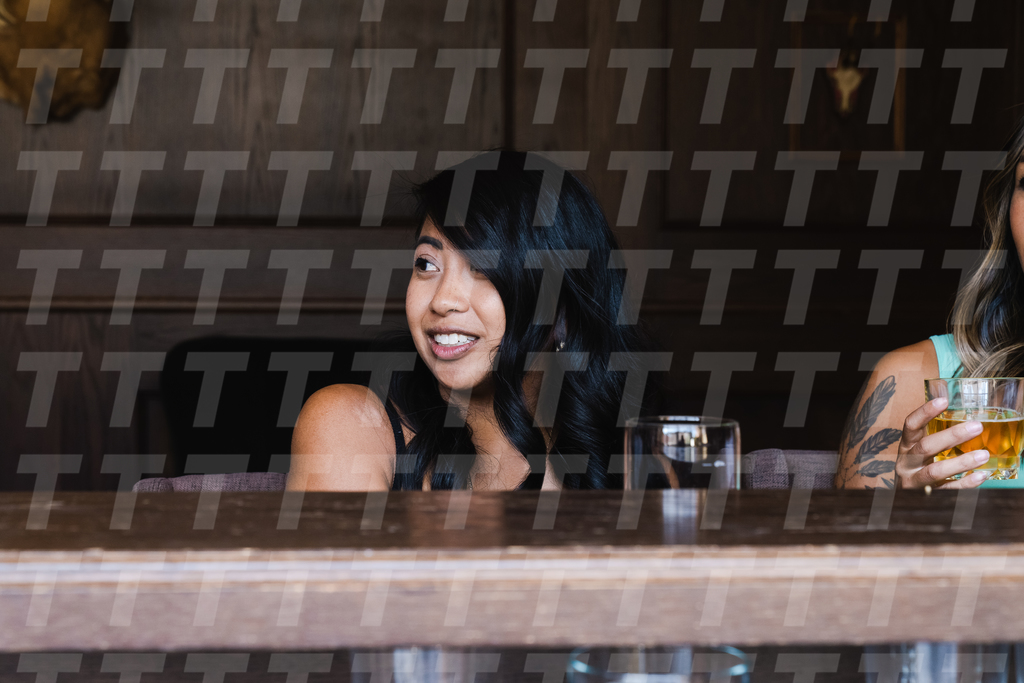
When asked about how her cultural background shapes the values she brings into her work...
Both of my parents had to put in work to get here. So if I disregard that and decide to be lazy, it feels wrong. Respect is a huge part of the [Filipino] culture. You respect your elders. You have to respect people that have created opportunities for you. It’s a disappointment not to.
When asked if her Filipino parents are supportive of her art….
I don’t know if they fully understand, but my parents are definitely supportive. I’m surprised because my Mom wanted all her kids to be a doctor or lawyer (my Dad is a lawyer), but when I told her that I wanted to do this [design] she was like, “Ok!”
Pedro Rosa— Male, Portuguese-Canadian, college dropout
When reflecting on the changing cultural landscape of creativity…
The internet and people in general have completely flattened culture. Culture is now in the hands of anyone with internet access. This has made it increasingly hard for brands to keep up. I love it though, it takes away the ego of the creator and puts the audience in a position to decide what’s “good” or not.
When asked what values from his upbringing he brings into his work...
Hard work, head down, low ego. From the ages of 12 to 18, the only time I talked to my mom was at 10:30 at night on Fridays and Saturdays.. She owned a restaurant and was working from 7 AM to 11 PM most nights. That gave me a lot of independence, but not in a bad way. Watching her taught me that you won’t get anything unless you work hard for it.
When reflecting on his identity in relation to the other participants of the photo collection...
Never have I ever considered myself a person of color. I don’t say that negatively or positively, it’s just the way it is. I’m Portuguese and read as a white man. Do I think I have heavy privilege? 100%. I was born in it. But, I also have no say in the way I was born. I’m not in any position to say that I’m oppressed. But I believe everyone has a story and something they’re dealing with. I’m aware that there are people with a lot less privilege than me. At the same time, the things that hurt us and made life hard for us when we were younger are the things that drive us to work harder, be better, and do bigger things.
Thomas Gaylor— mixed race (Scottish and Filipino), Canadian
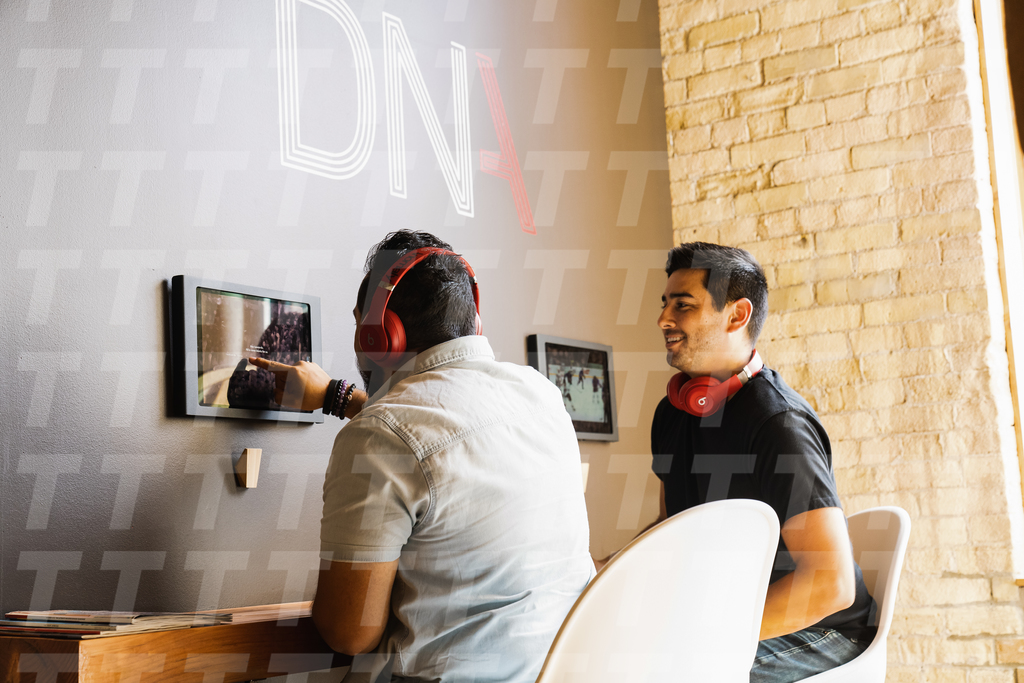
When asked about his experience growing up among two cultures…
Growing up, I lived in this hybrid world where one culture didn’t feel dominant over the other. My dad was very Scottish and my mom was very Filipino. That made it difficult to lean one way or the other. We learned to find middle ground in this unique, different space right down the middle. In a way, that makes me feel even more Canadian than anything else.
When asked what drew him to work in this industry and at Anomaly...
My background is in finance and I decided to make a career switch into advertising— six or seven years later, I’m still here! What attracted me to Anomaly was the difference in how they approached problems. They surround problems with different perspectives and people to create answers in an entrepreneurial way.
When asked how he solves problems as an Account Director…
It’s about surrounding yourself with different perspectives. The moment you think you know exactly what to do, that’s when things start to slip away. Since the world of advertising is so fluid, you have to be open.
When asked what changes he sees happening in the industry…
We are seeing problems attacked in very, very different ways. Gone are the days when campaigns consist of a TV, print or radio ad. We have to look at ourselves like storytellers. We have to create and craft great stories. People can consume media whenever they feel like it. Unless you’re building brands that really align with people’s lives and entertain and inform and inspire, then you’re not actually going to be creating anything that people are going to actively consume.